
Carved Oak Timber
Carved oak timber brings centuries of heavy grain, deep relief and architectural presence into a room.
Carved Oak Timber
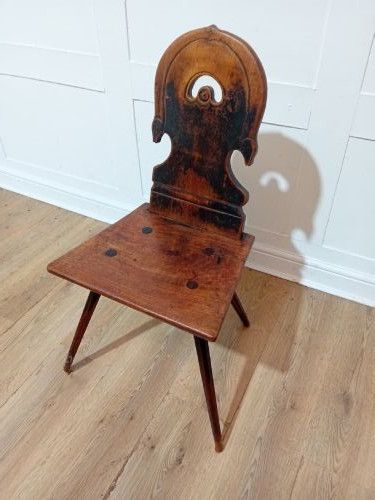
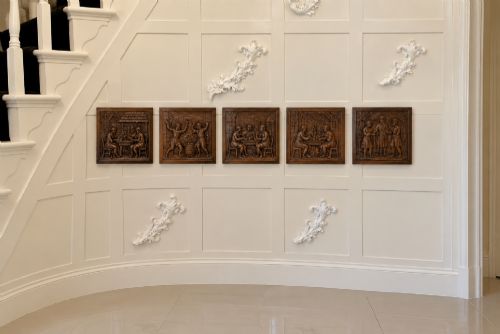
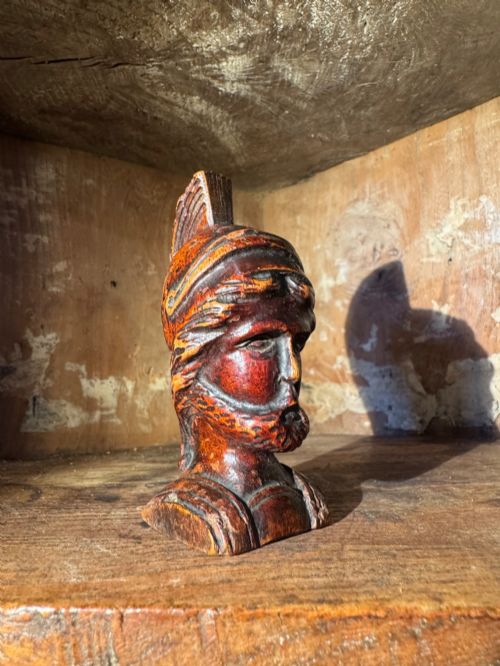
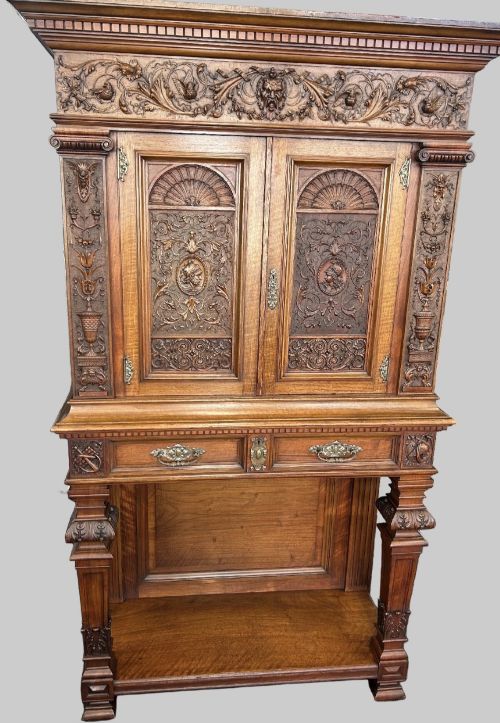
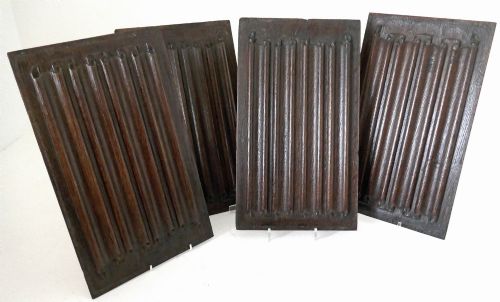
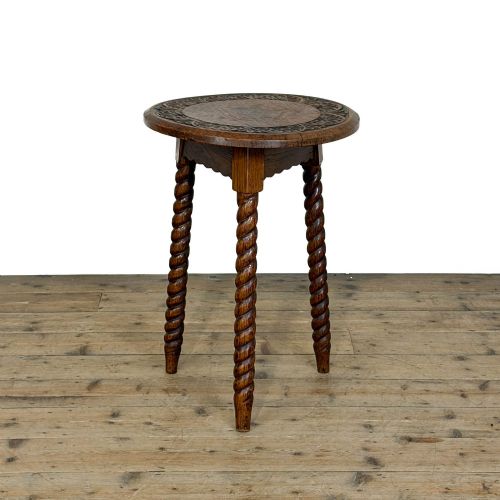
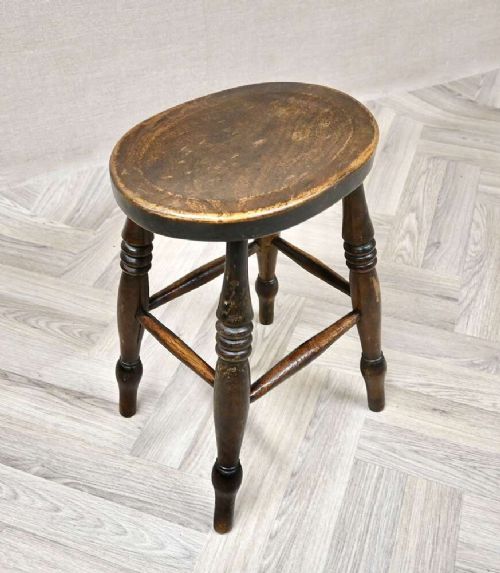
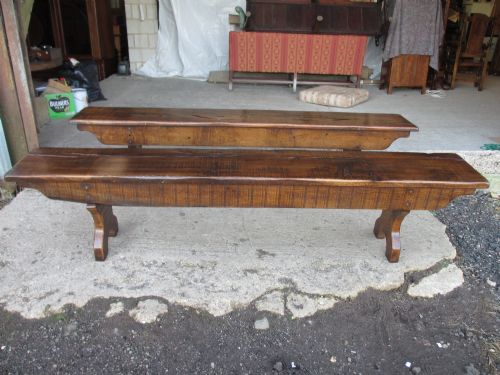
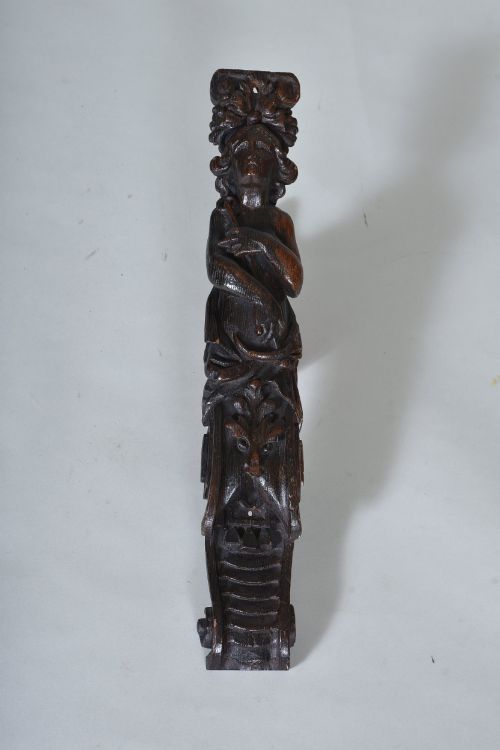
When you search for carved oak timber, you encounter architectural salvage, furniture and decorative panels spanning from the sixteenth century through to the Edwardian era. These pieces range from structural remnants like linenfold panels and wall friezes to functional items including settles, benches, cupboards and armchairs.
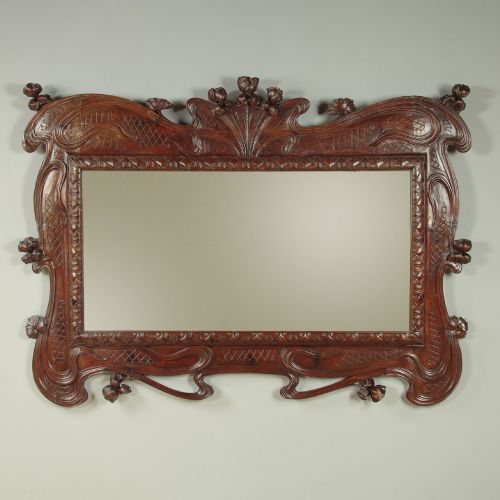
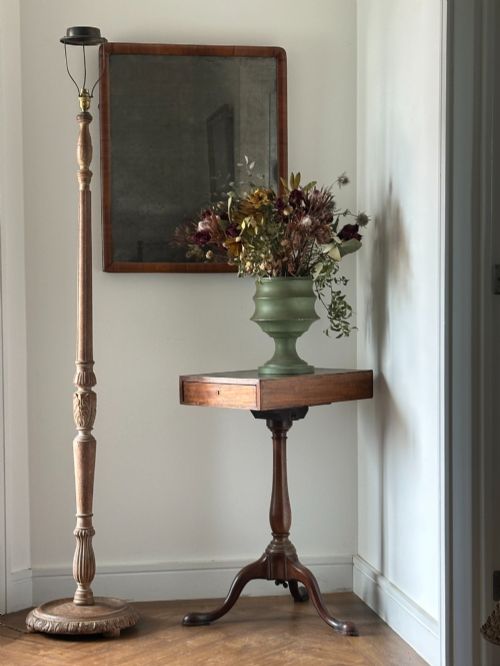
You are most likely to meet nineteenth-century revival interpretations alongside genuine seventeenth-century survivals on this page. Pieces often display regional characteristics, such as Scottish Windsor armchairs or French bleached wall mirrors, utilising the durable hardwood to display elaborate motifs.
How they were made
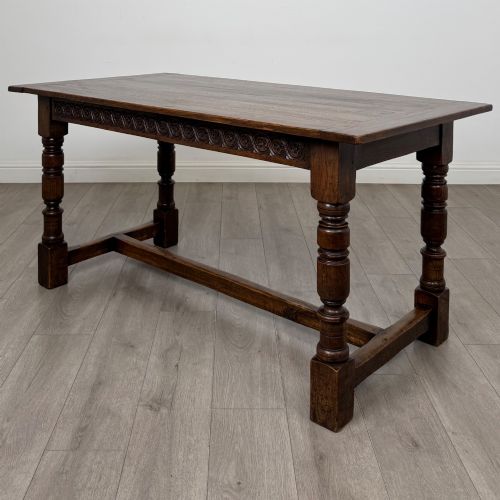
Craftsmen shaped these items using seasoned hardwood timber, employing traditional joinery methods such as mortise and tenon to construct sturdy frames. Surfaces were then worked by hand with gouges and chisels to produce deep relief carvings.
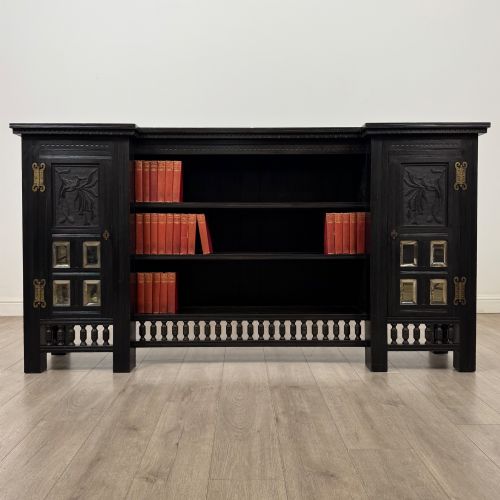
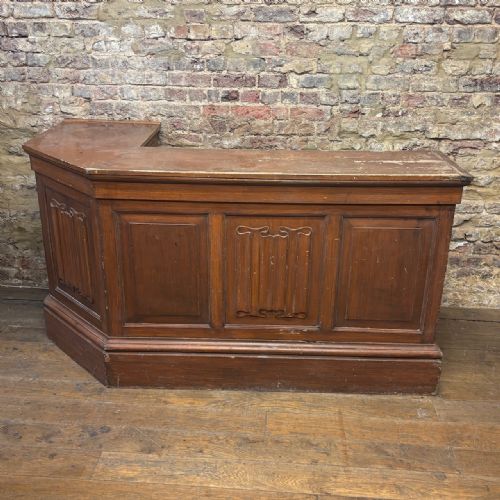
Makers occasionally combined the oak with secondary materials like brass, iron, glass or fabric to finish functional objects like wall mirrors, seating and commercial counters.
The listings span eight distinct periods, running from the 16th century through to the 1930s, alongside Revival styles.
What varies in quality
The standard of a carved oak timber piece rests upon the crispness of the chisel work and the depth of the relief. Early sixteenth-century and seventeenth-century carvings display a sharpness and naturalistic proportion that distinguish them from later mechanical or heavily sanded reproductions.
Proportion and structural integrity also dictate the value of a piece. Well-proportioned panels and heavy benches retaining their original unblemished timber surfaces sit at the upper end of the range.
The Carved Oak Timber Glossary
- Linenfold
- A style of relief carving used on wooden panels to imitate folded linen fabric. It appears frequently on sixteenth-century panels and chest fronts.
- Green Man
- A sculptural architectural decoration depicting a human face disgorged from foliage. This motif is commonly found on early carved panels.
- Jacobean Revival
- A nineteenth-century stylistic movement that emulates the heavy, dark oak furniture of the early seventeenth century. It utilises geometric mouldings and strapwork.
- Trefoil
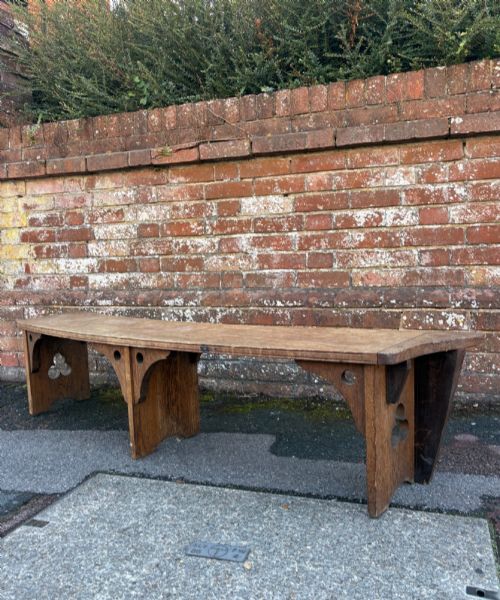
- A graphic ornament composed of three overlapping rings or lobes. It is often integrated into the carved supports of Gothic revival benches.
- Settle
- A wooden bench with high back, solid arms and enclosed storage beneath the seat. These items served as draught-excluding seats in early halls.
Carved Oak Timber: Frequently Asked Questions
How do I identify a 17th century oak panel?
Seventeenth-century panels display hand-tooled tool marks, pegged joinery, and timber shrinkage consistent with age. The grain typically shows distinct medullary rays.
Surface patination develops deep wax buildup in recessed areas from generations of cleaning and handling.
What is architectural salvage oak used for?
Architectural salvage pieces such as friezes, wall panels and brackets are incorporated into modern interiors to add historical character. They are mounted on walls or integrated into new cabinetry.
These fragments preserve centuries-old hand craftsmanship and provide focal points in contemporary spaces.
How should I care for antique oak furniture?
Maintain antique oak timber by applying occasional high-quality beeswax to nourish the dry hardwood. Avoid placing items near direct heat sources or in fluctuating humidity.
Gentle dusting with a soft, dry cloth prevents particulate accumulation without stripping the historic surface polish.
What distinguishes Gothic Revival oak from original Gothic pieces?
Gothic Revival items date from the nineteenth or early twentieth century and adapt medieval ecclesiastical motifs for domestic use. They feature machine-sawn timber elements alongside hand-finished details.
Original medieval work exhibits entirely hand-hewn construction marks and structural wear unique to early domestic environments.