

Carved Oak Storage
Carved oak storage pieces are sturdy timber containers and cabinets designed to hold household goods while displaying traditional craftsmanship.
Carved Oak Storage
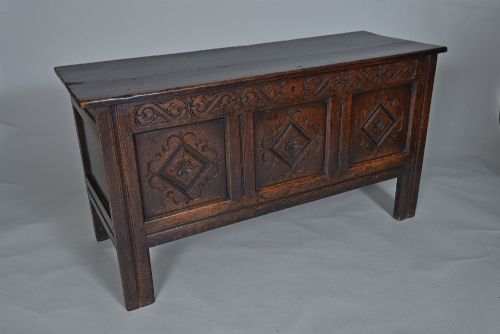
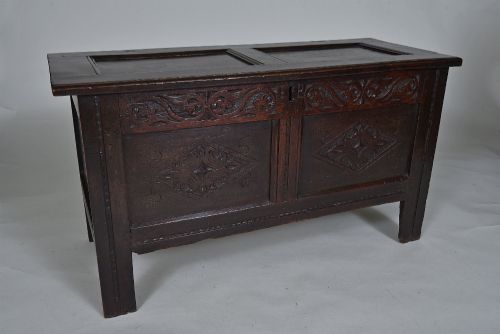
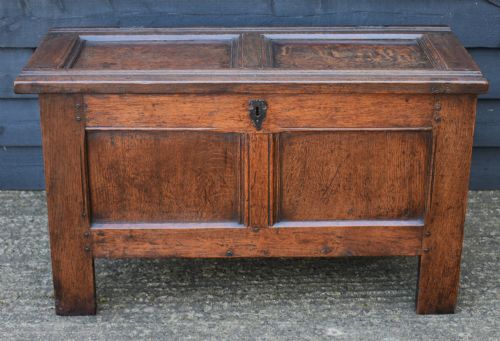
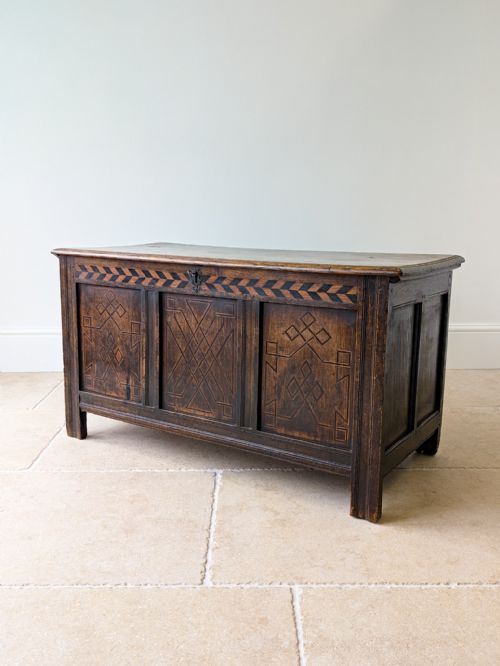
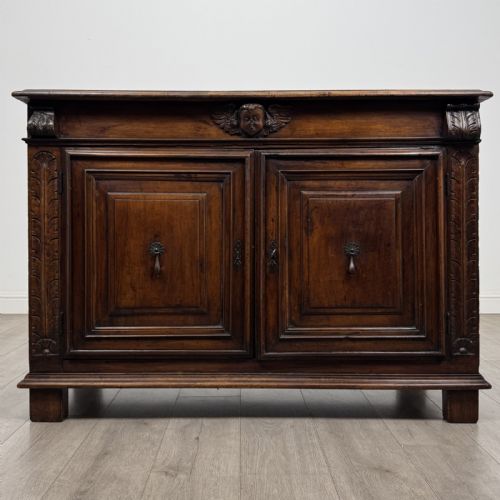
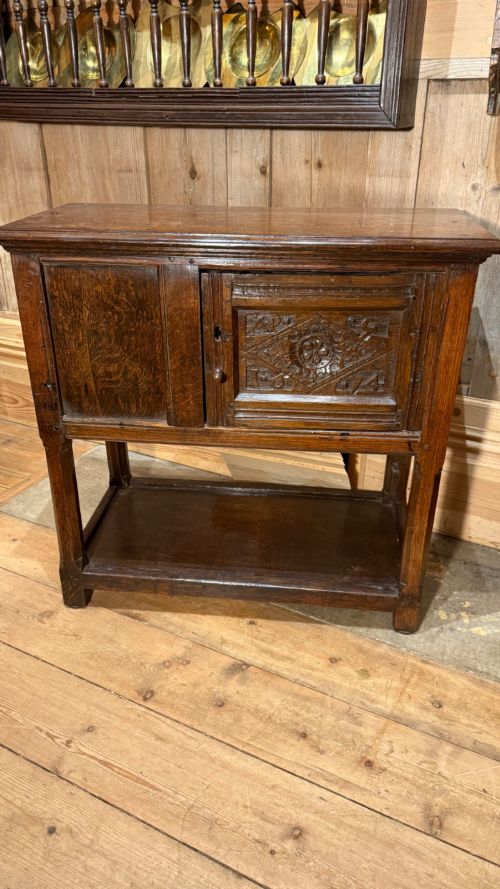
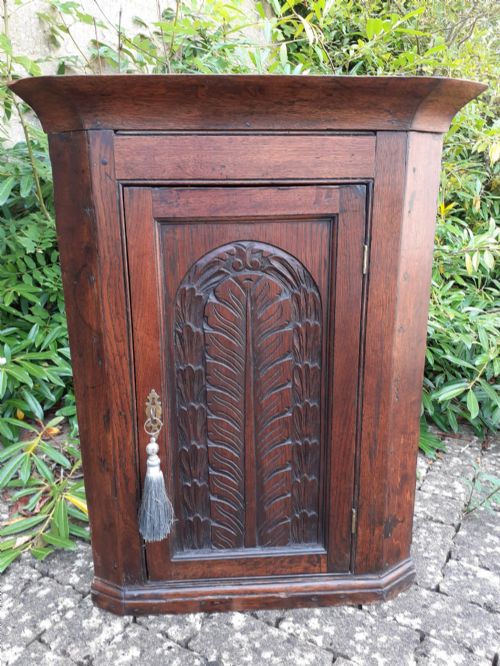
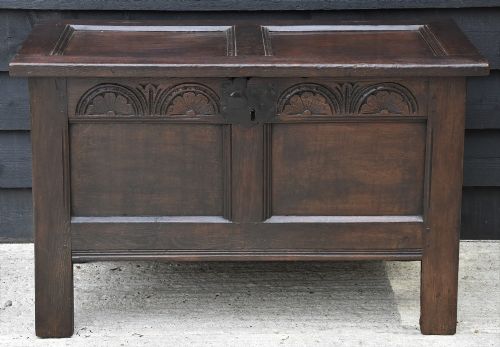
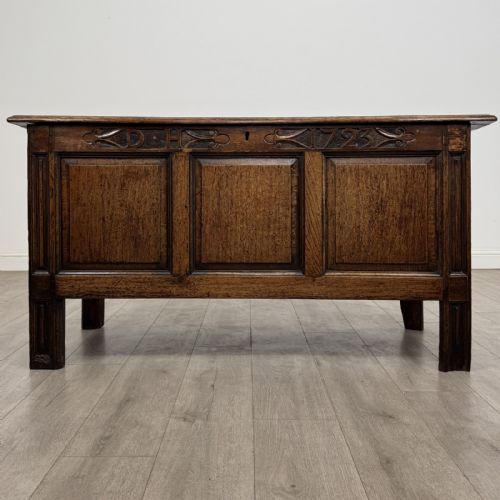
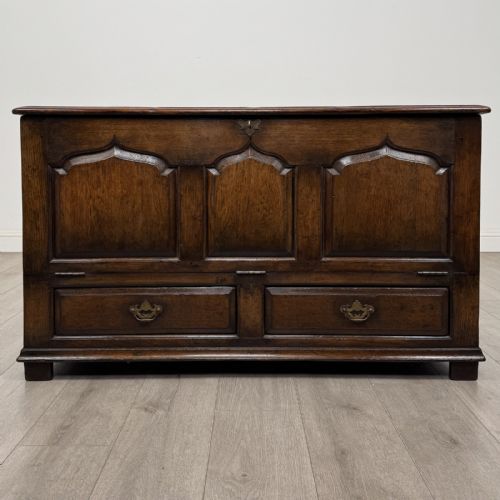
When searching for carved oak storage, buyers encounter a diverse selection of furniture spanning from the seventeenth century to the twentieth century. These pieces include coffers, chests, mule chests, sideboards, cupboards, and cabinets designed for domestic utility and ornament.
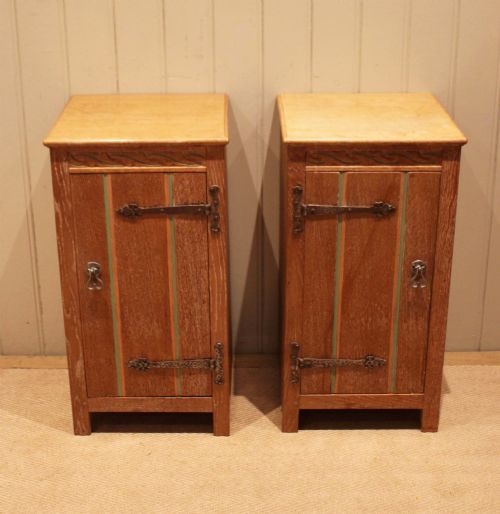
The most common forms on this page include twentieth-century cupboards and chests of drawers alongside earlier seventeenth- and eighteenth-century coffers and blanket boxes. Styles range from Jacobean Revival and Gothic Revival to Edwardian and Arts and Crafts interpretations.
Earlier examples often take the form of joined or plank coffers intended for linen and valuables, while later Victorian and Edwardian iterations incorporate fitted interiors, mirrors, and drawers. Regional pieces such as Welsh coffer bach and West Country boarded chests also appear.
Materials and construction
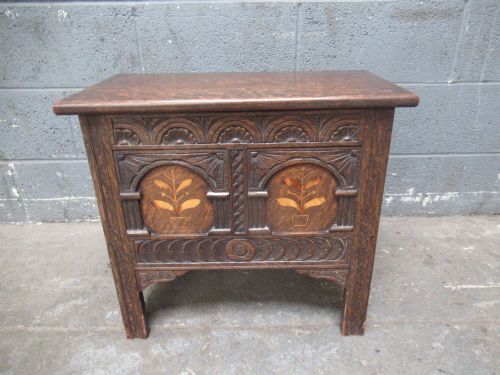
The primary material across these listings is oak, occasionally supplemented by pollard oak, walnut, pine, or marquetry inlay. Metal elements such as brass handles, iron hinges, and glass panels frequently accent the timber framework.
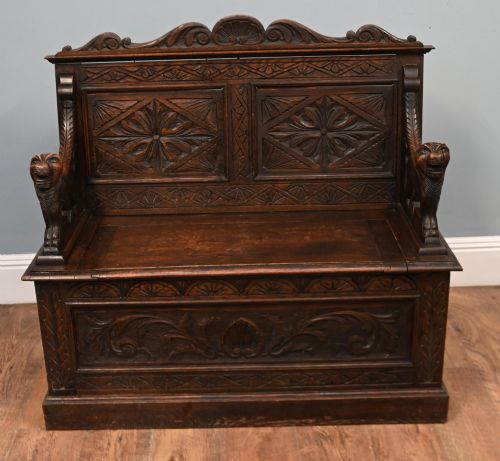
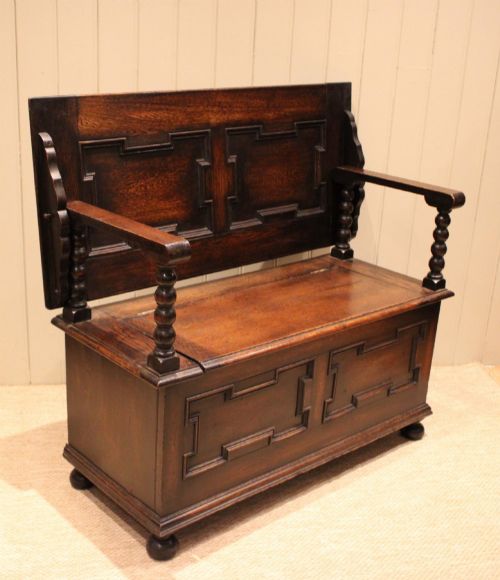
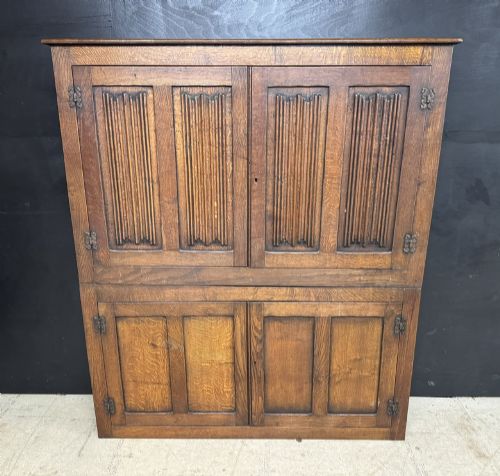
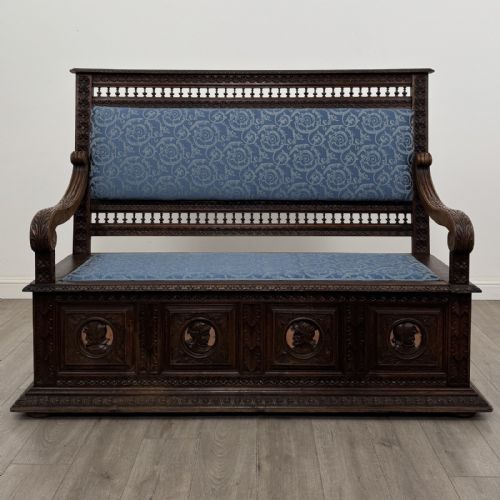
Construction techniques involve traditional joinery, panelled framing, and hand carving. Surfaces feature decorative details such as linenfold panels, carved pillars, turned legs, and barley twist supports, reflecting the prevailing style of their respective period.
Carved Oak Storage Retail Price Guide 2026
Typical asking prices for carved oak storage among the pieces listed under this phrase on Sellingantiques today, from the lower quarter to the upper quarter. They describe what is for sale here now, not the wider market.
Some seventeenth-century examples were specifically built to safely house family Bibles away from damp cottage floors.
Judging quality in oak storage
Quality in these timber items depends on the integrity of the joinery and the depth of the carving. Superior examples display crisp hand-cut details and original timber patination rather than later alterations.
The proportion of the piece, the retention of original brass or iron hardware, and the stability of the structure distinguish finer workshops and periods from mass-produced revivals.
Jaycee·Charles Dudouyt
The Carved Oak Storage Glossary
- Coffer
- A large wooden chest traditionally used for storing valuables, linen, or documents. They often feature hinged lids and sturdy plank or panel construction.
- Mule chest
- A storage chest characterised by one or more drawers placed beneath the main compartment. They bridge the design gap between simple coffers and chests of drawers.
- Linenfold
- A style of wood carving that imitates folded linen cloth. It appears frequently on panels of Tudor and Jacobean revival cupboards.
- Purdonium
- A specialised domestic cabinet designed to store coal for a fireplace. They often include a hinged front and a metal liner.
- Joined oak
- Furniture constructed using mortise and tenon joints secured by wooden pegs. This method provides robust structural integrity without relying on metal nails.
Carved Oak Storage: Frequently Asked Questions
What is the difference between a coffer and a mule chest?
A coffer is a simple storage chest with a top-opening lid, primarily used for textiles and household goods. A mule chest adds one or more drawers beneath the main compartment for easier access to stored items.
This functional evolution made mule chests more practical for everyday domestic use during the seventeenth and eighteenth centuries while retaining the traditional hinged top.
How do I identify a seventeenth-century oak coffer?
Seventeenth-century coffers typically feature hand-carved panels, pegged mortise and tenon joinery, and heavy plank construction. The timber exhibits deep patination and signs of age acquired over centuries.
Later revivals often mimic these motifs but utilise modern fixings, machine milling, or standardised timber dimensions that lack the irregularities of early hand-wrought furniture.
Where were oak cupboards and sideboards used in the home?
These storage pieces served utility functions in dining rooms, halls, and bedrooms across different periods. Cupboards held provisions, linen, or books, while sideboards displayed serving dishes and stored cutlery.
In grander settings, hall benches and cabinets provided decorative seating and storage for outerwear near entranceways.
How should I care for antique oak furniture?
Antique oak benefits from stable indoor humidity and protection from direct sunlight, which can dry and crack the timber. Regular dusting with a soft, dry cloth preserves the natural wax finish and surface patination.
Avoid using silicone-based polishes or harsh chemical cleaners, as these can penetrate the grain and alter the historical surface of the wood.