

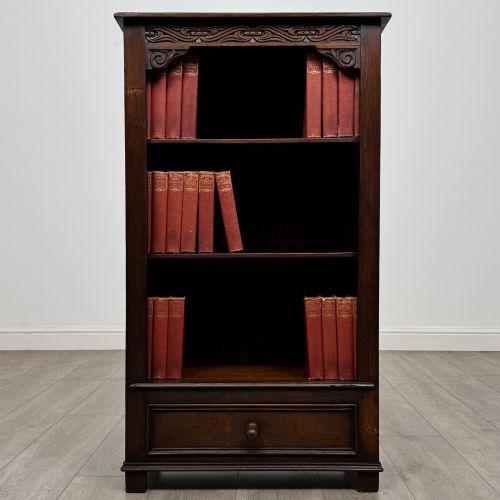


Carved Oak Storage Unit
A carved oak storage unit brings deep grain and sturdy architecture into a room, offering practical containment with centuries of character.
Carved Oak Storage Unit
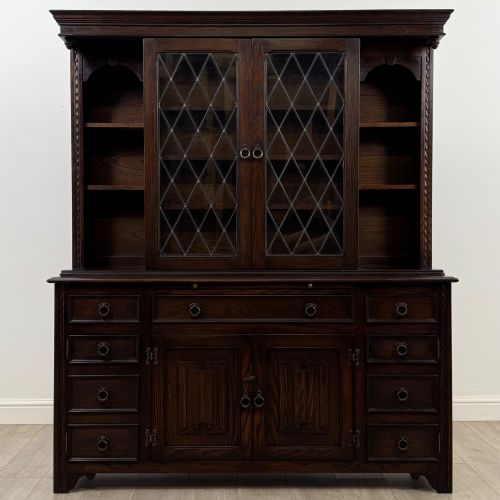
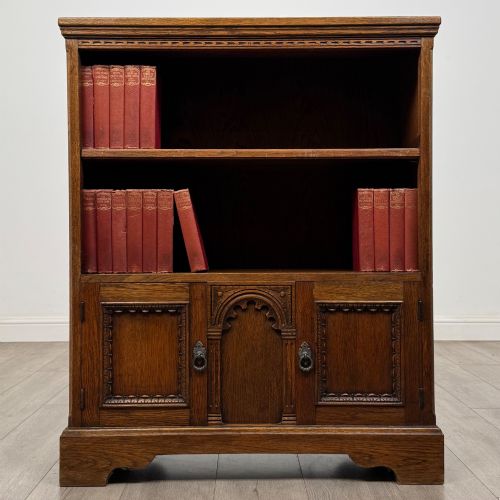
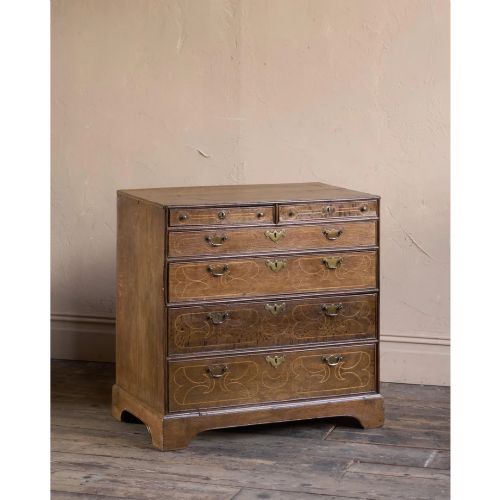
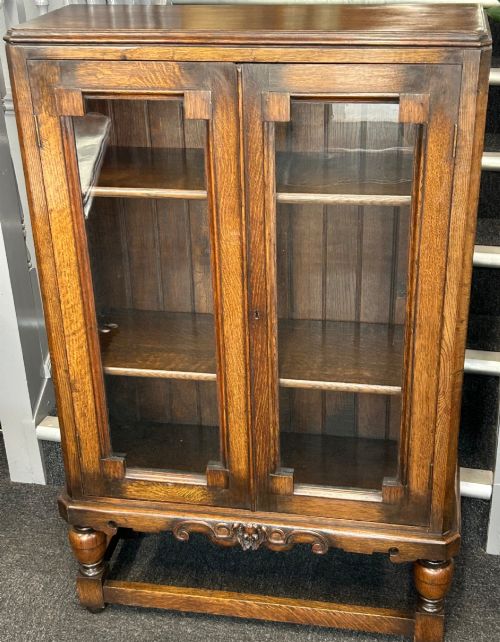
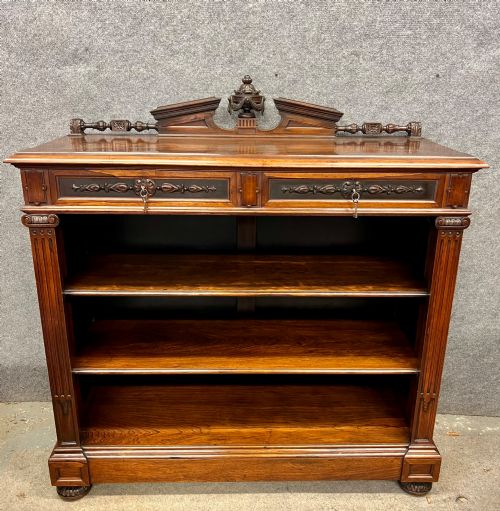
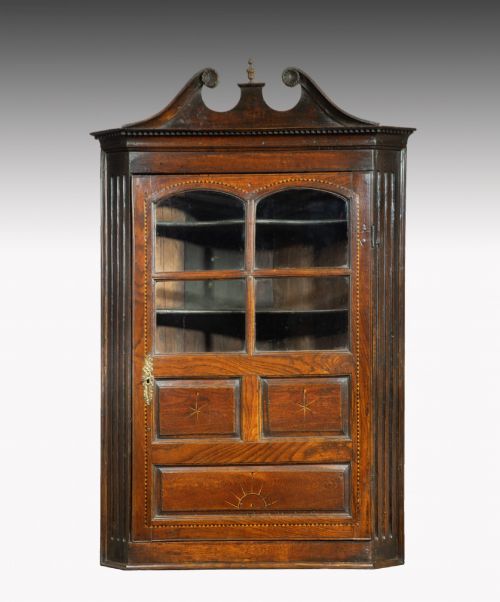
A carved oak storage unit is a functional piece of furniture designed to hold books, linen, or household provisions while displaying traditional decorative carving. These pieces encompass a wide variety of forms ranging from compact open bookcases and corner cabinets to large dressers, court cupboards, and chests of drawers.
The versions you are most likely to encounter span several distinct historical periods, with Edwardian interpretations and eighteenth-century country pieces appearing frequently alongside revival styles like Jacobean and Tudor. Such diversity means a buyer can select everything from a modest one-drawer cupboard to an imposing larder cupboard.
What varies in quality
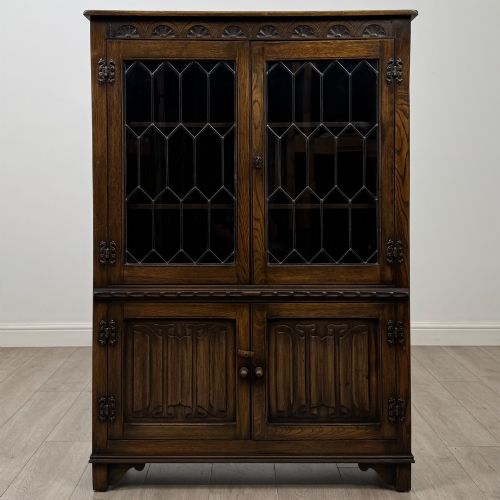
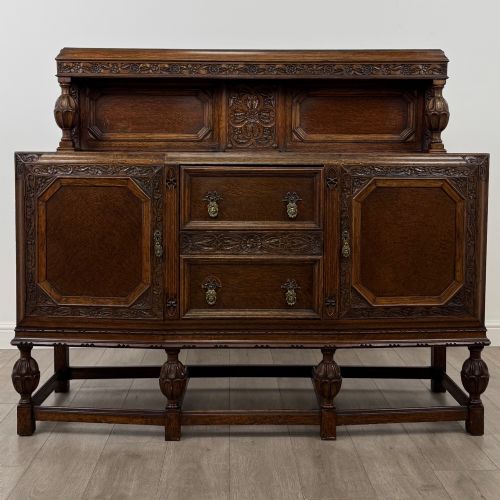
The depth and crispness of the hand-carved detailing separate standard utility pieces from finer examples of the craft. Sharp, well-defined geometric panels or floral motifs indicate a higher level of artisan skill during construction.
The choice of timber selection and the integrity of the original construction significantly influence the overall standard of a piece. Solid oak framing that remains stable and retains its original brass or iron hardware represents the upper tier of quality.
Listings feature oak alongside alternative materials like brass, iron, glass, and fruitwood inlay across multiple centuries.
The Carved Oak Storage Unit Glossary
- Linenfold
- A style of relief carving used on wooden panels to imitate folded cloth or parchment. This motif appears frequently on pieces dating from the revival of Tudor and Elizabethan aesthetics.
- Court cupboard
- A heavy, traditional two-tier wooden storage piece used for displaying plate or storing provisions. These items typically feature enclosed cupboards beneath an upper recessed stage.
- Geometric chest
- A drawer unit decorated with applied mouldings arranged in repetitive geometric patterns such as rectangles or octagons. Such ornamentation is characteristic of seventeenth-century joinery.
- Plate rack
- An open wooden framework fixed to the top of a dresser, designed to display ceramic plates upright. This feature is common on country house and regional provincial dressers.
- Buffet vaisselier
- A continental storage form combining a lower sideboard base with an upper shelving structure for tableware. These pieces are often associated with eighteenth-century French provincial design.
Carved Oak Storage Unit: Frequently Asked Questions
How do I care for a carved oak storage unit?
Keep the wood away from direct heat sources and sudden temperature shifts to prevent the solid timber from splitting.
Apply a traditional beeswax polish occasionally to nourish the grain and maintain a natural protective sheen.
Are these units suitable for modern rooms?
The warm tones and strong architectural lines of oak blend easily into contemporary living spaces and hallways.
Their practical shelving and drawers provide essential storage that helps conceal everyday clutter while adding historic texture.
How do I distinguish eighteenth-century oak from later revivals?
Examine the construction methods inside the drawers and at the back, where hand-cut joints and irregular tool marks suggest greater age.
Revival pieces from later periods often display more uniform machine-cut elements and cleaner interior surfaces.
What is the difference between a court cupboard and a standard cabinet?
A court cupboard incorporates a distinctive two-tier structure with enclosed upper and lower compartments designed for formal display and storage.
Standard cabinets generally offer a single unified vertical or horizontal storage space behind one or two doors.