
Carved Oak Paneling
Carved oak paneling brings weight and history into a room, utilising centuries-old timber shaped by traditional hand tools.
Carved Oak Paneling
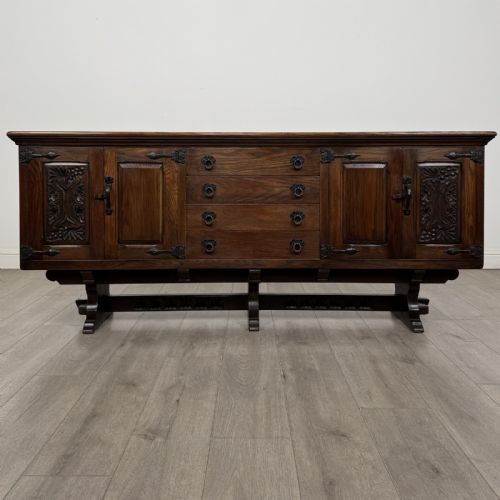
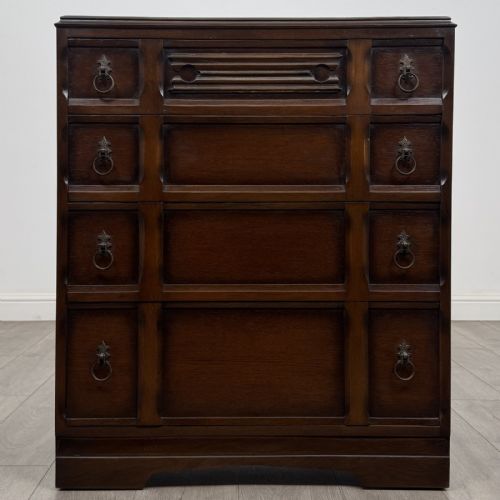
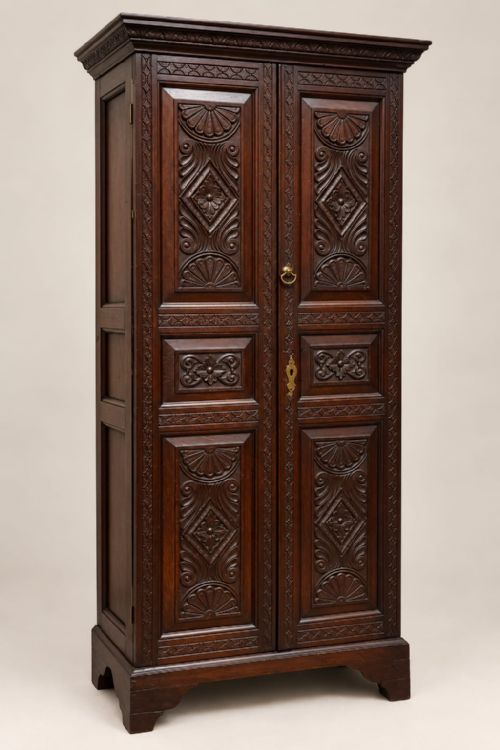
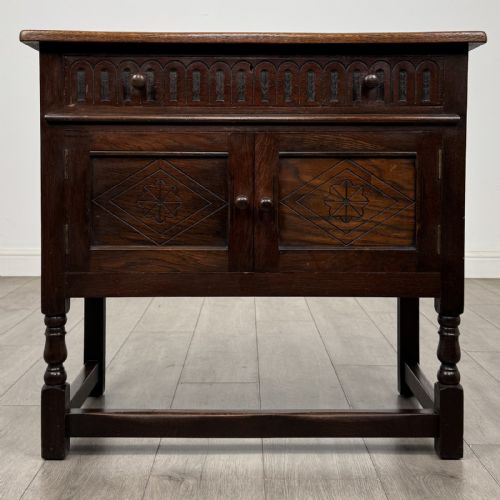
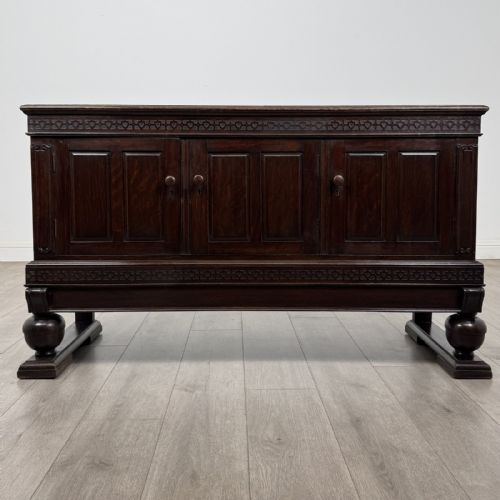
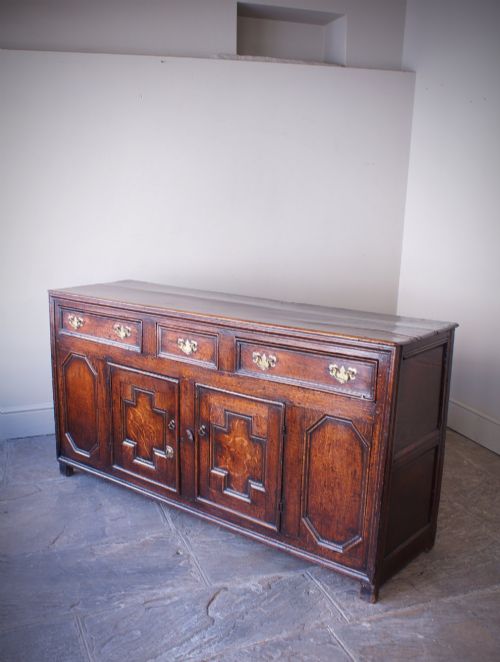
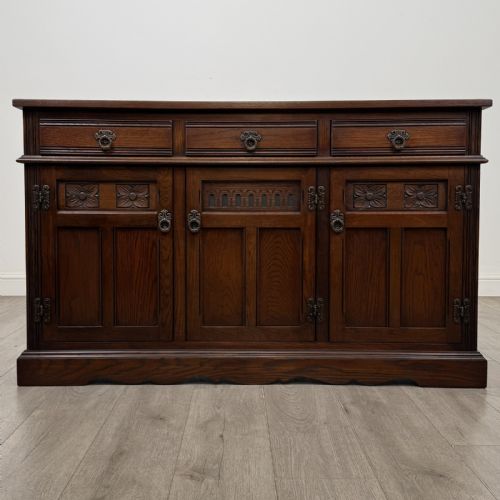
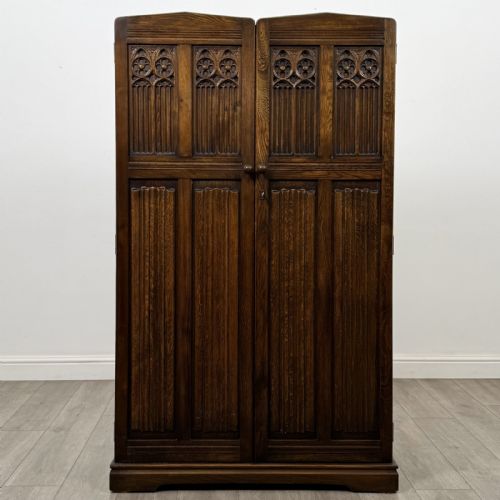
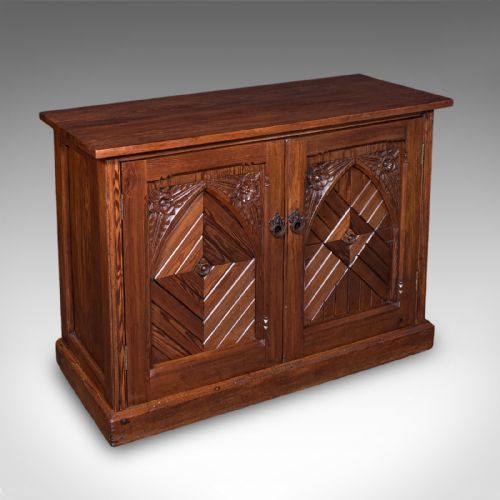
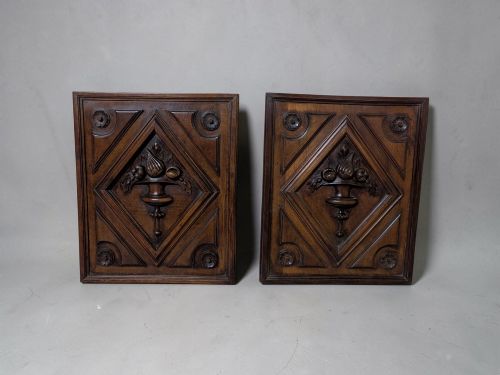
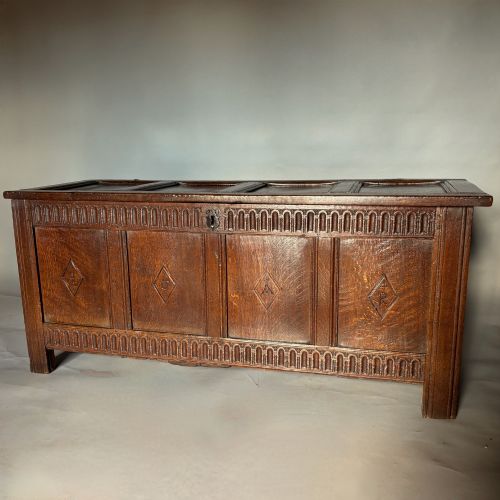
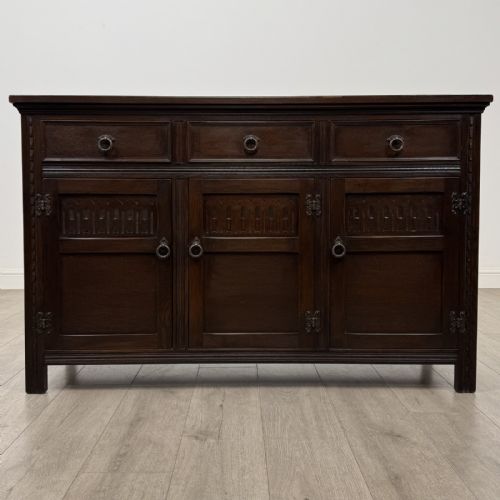
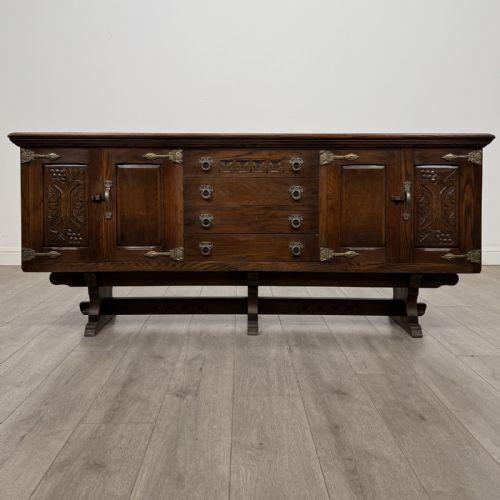
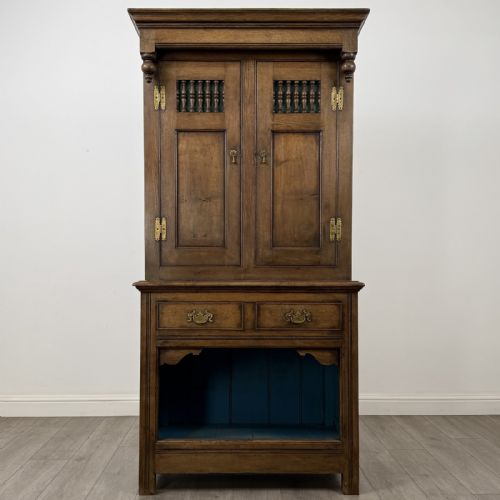
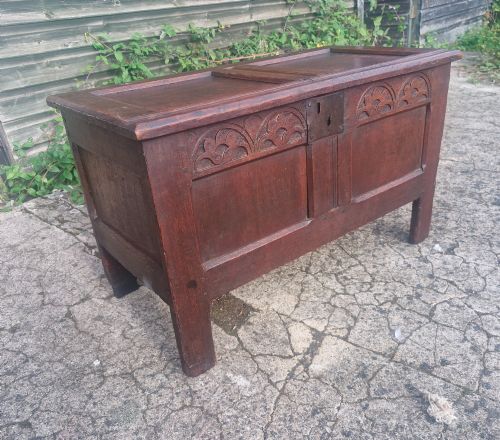
Carved oak paneling incorporates architectural woodwork and timber sections integrated into period furniture such as coffers, mule chests, sideboards, and wall panels. These pieces appear across seventeenth-century, eighteenth-century, and later revival periods, including Edwardian and Gothic Revival interpretations.
The material focus centres firmly on English oak, often supported by brass, iron, and copper hardware. Pieces range from architectural wall sections and cupboard doors to larger storage chests and settles.
Buyers encountering this selection meet substantial timber constructions that reflect historical domestic interiors. The forms bridge functional storage items and decorative architectural wall elements.
Materials and Construction
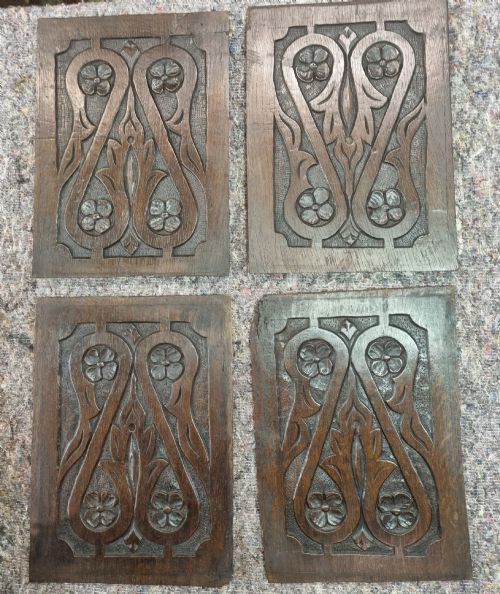
Makers utilised solid oak, often specified as English oak, joined using traditional framing techniques suited to heavy domestic timber. Surfaces received hand-carved detailing, linenfold motifs, and gothic tracery.
Metal fittings in wrought iron, brass, and copper provided structural hinges and handles, while occasional marquetry inlay added surface pattern to chests and coffers.
Judging Quality
Quality rests upon the crispness of the hand-carving and the integrity of the timber framing. Depth in the relief work and rhythm in repeating motifs separate standard workshop output from finer examples.
The integration of original brass or iron hardware and the stability of the joined oak boards dictate the overall grade of the piece.
The Carved Oak Paneling Glossary
- Coffer
- A heavy wooden storage chest constructed with joined panels and a hinged lid. These items formed essential domestic furniture in early households.
- Linenfold
- A style of carved wooden panelling that imitates folded fabric. This motif gained popularity in late medieval and Tudor interiors.
- Mule chest
- A storage chest featuring one or two drawers beneath the main compartment. They combine the functions of a coffer and a small drawer unit.
- Tracery
- Openwork ornamental stone or woodwork pattern associated with Gothic architecture. It frequently appears in ecclesiastical screens and decorative panels.
- Joined oak
- Furniture construction relying on mortise and tenon joints secured with wooden pegs. This method predates modern mechanical fasteners.
Carved Oak Paneling: Frequently Asked Questions
How do I clean carved oak?
Dust surfaces regularly with a dry, soft cloth to prevent grime settling into the carved recesses. Avoid modern liquid polishes that build up sticky residues over decades.
Apply traditional beeswax sparingly when the timber appears dry, buffing gently to maintain a natural lustre without creating an artificial shine.
Can I hang wall panels on drywall?
Architectural oak panels carry significant weight and require secure fixing directly into wall studs or masonry backing. Professional installation ensures the timber bears the load safely.
Ensure adequate room ventilation behind mounted panels to prevent moisture accumulation against the rear of the historic wood.
How do I date a carved oak panel?
Examine the tool marks left by the maker, as hand-adzed and chisel-cut surfaces differ visibly from machine-milled timber. Joint construction methods also indicate the manufacturing period.
Compare the carving style, such as Jacobean geometric patterns or Gothic tracery, with established historical periods represented in the woodwork.
Where were these pieces used originally?
Large coffers and mule chests stood in the main halls and chambers of early homes to store textiles, documents, and valuables. Wall panels lined the reception rooms of substantial properties.
Domestic interiors utilised these sturdy items for both daily storage and architectural insulation against cold stone walls.