
Brown Oak Architectural Panel
These brown oak architectural panel pieces are solid carved timber elements sourced from historic buildings, offering interior designers rich texture and centuries of patina.
Brown Oak Architectural Panel
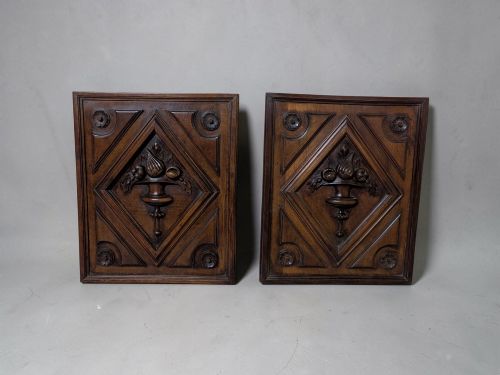
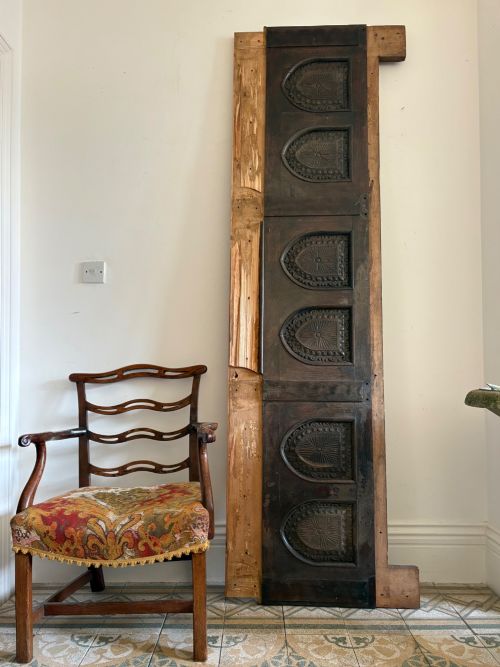
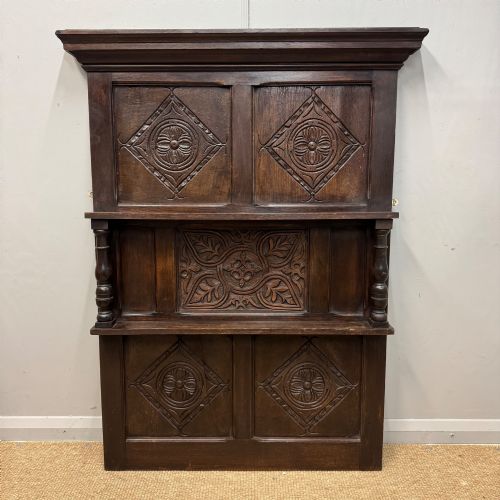
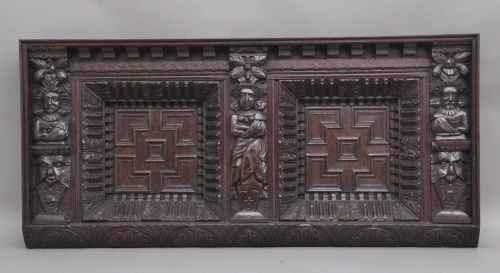
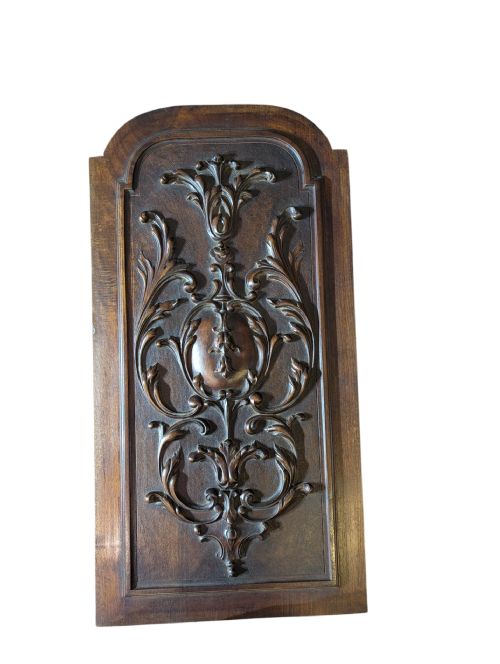
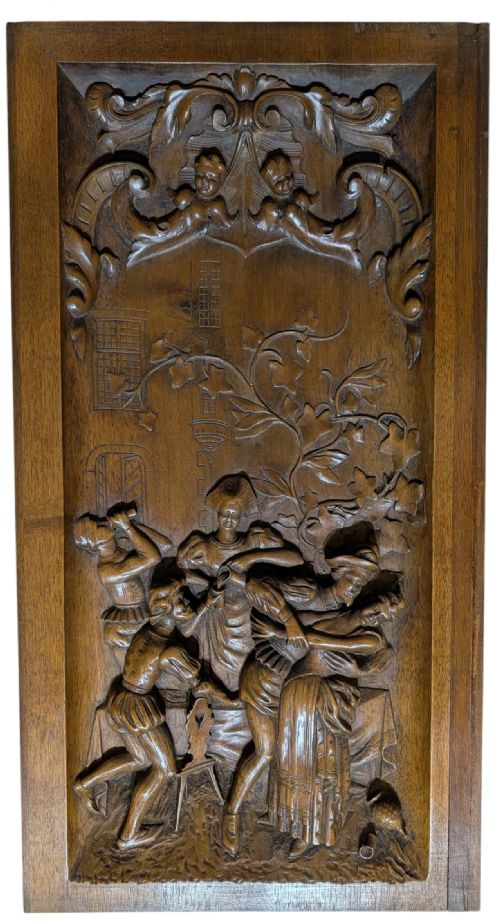
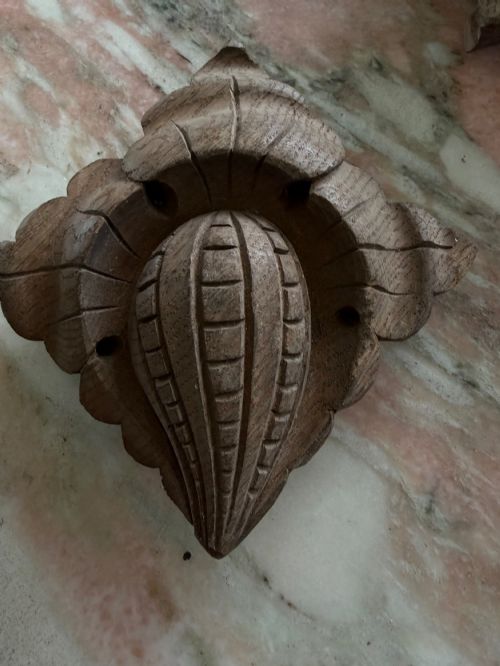
A brown oak architectural panel is a carved or moulded section of timber historically fitted into walls, doors, or overmantels, representing periods from the sixteenth century through to the twentieth century. These items appear in various forms including wall panels, ceiling bosses, cupboard doors, and staircase fragments originating from English, French, Flemish, and German workshops.
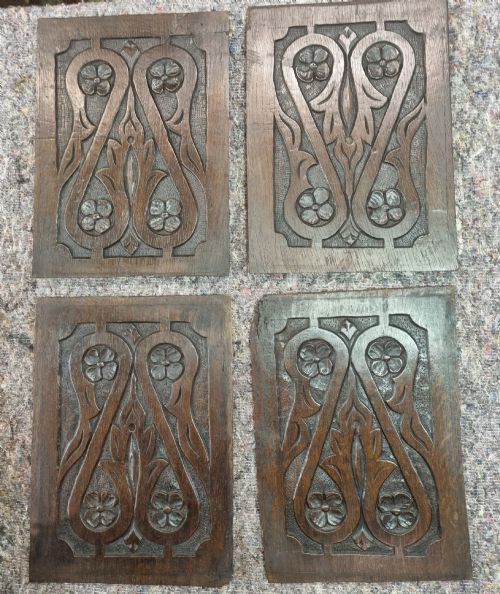
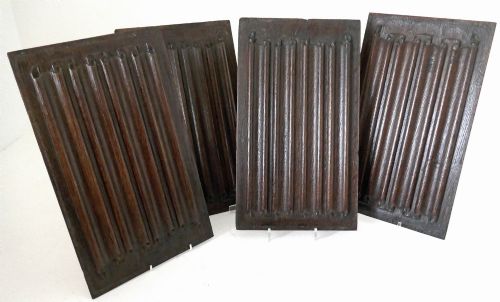
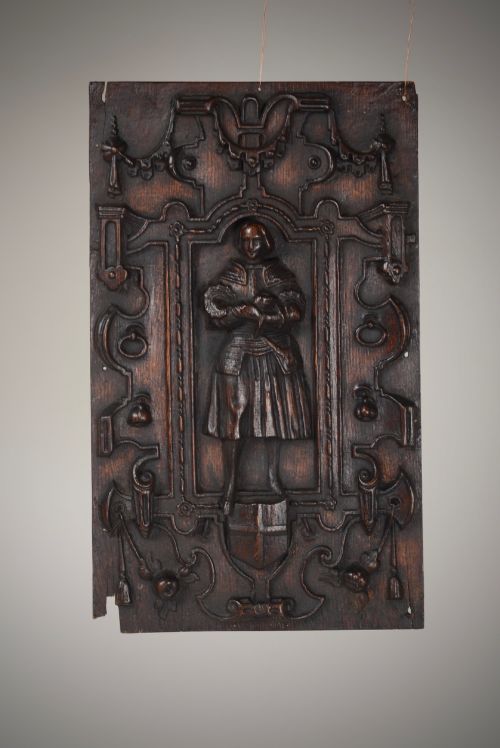
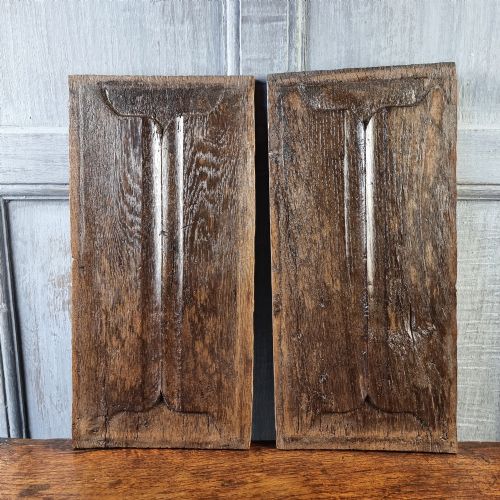
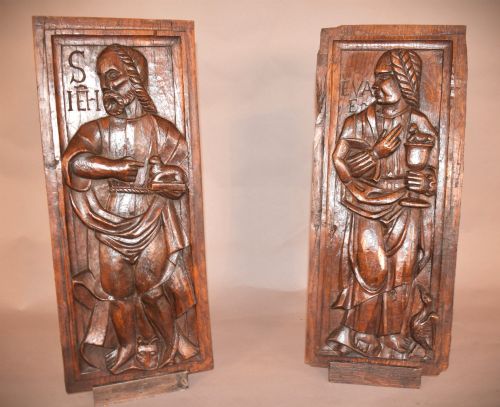
Buyers seeking a brown oak architectural panel most frequently encounter seventeenth-century carved examples and nineteenth-century Gothic Revival pieces featuring linenfold patterns, floral motifs, or figural reliefs. The selection also includes oil paintings on oak panels, marquetry wall panels, and architectural salvage elements reclaimed from period buildings.
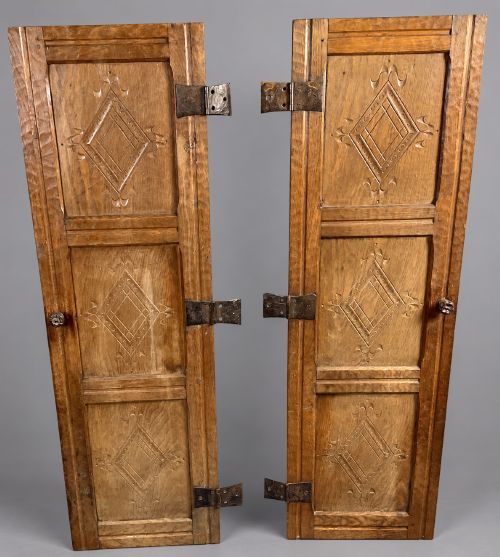
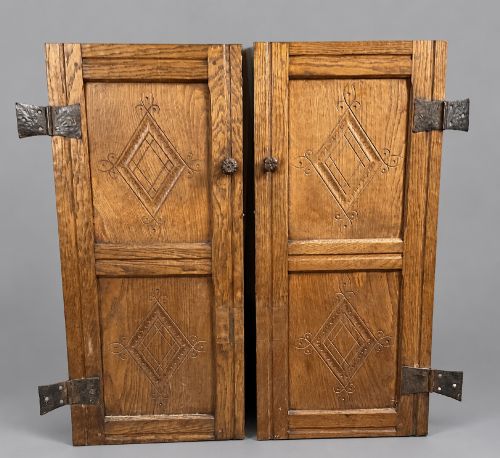
The physical formats range from small rectangular carved inserts to massive ceiling roses, stair panels, and pairs of chateau doors. Such items serve primarily as decorative wall art or structural salvage for period interior renovations.
How they were made
Makers fashioned these pieces predominantly from solid oak, utilising hand tools to carve intricate details directly into the dense timber or applying wood veneer for specific decorative effects. Artisans employed relief carving, pierced tracery, and linenfold techniques to create depth and texture on the wooden surface.
Additional materials such as wrought iron hinges, oil paints, and walnut elements appear alongside the primary oak substrate in doors, paintings, and composite panels. Structural elements often rely on traditional joinery methods suited to seventeenth-century and nineteenth-century carpentry.
Listings feature oak panels spanning the 16th to 20th centuries, incorporating wrought iron fittings, oil paint, and walnut elements.
What varies in quality
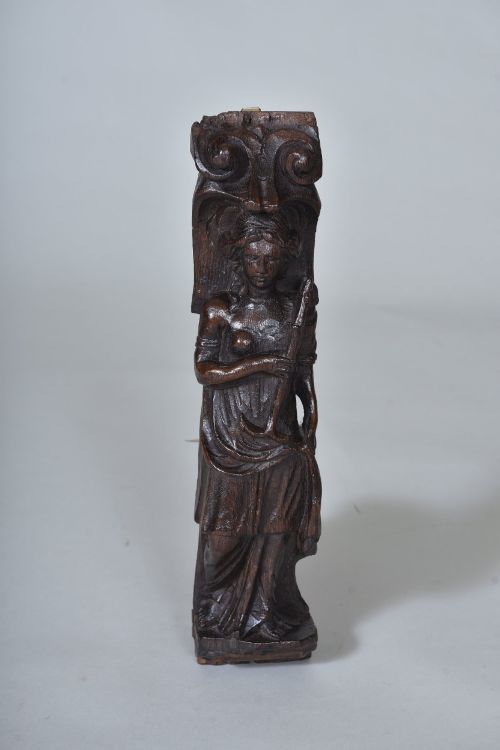
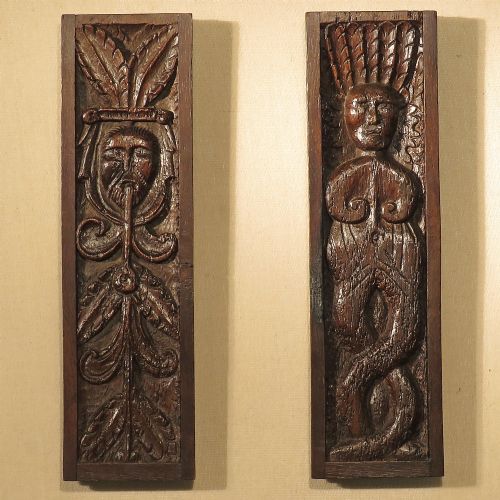
The standard of a brown oak architectural panel depends heavily on the depth, sharpness, and anatomical precision of the hand carving, distinguishing master workshop execution from simpler vernacular production. Crisp relief work on figures such as Green Men, caryatids, or heraldic cherubs indicates superior artisanal skill.
The integrity of the timber and the survival of the original surface patination also define the upper tier of examples. Panels retaining undisturbed seventeenth-century tool marks command greater appreciation than heavily restored or later composite pieces.
Edward Pearce·George Lambert·Joseph Murray Ince
The Brown Oak Architectural Panel Glossary
- Linenfold
- A style of wood carving representing folded parchment or linen, popular on sixteenth-century panels. This motif creates a characteristic draped fabric texture across the wooden surface.
- Tracery
- Openwork or pierced stone-like patterns carved into wood, frequently seen in Gothic Revival architectural elements. This technique adds linear complexity to medieval and nineteenth-century panels.
- Ceiling boss
- A decorative projecting block placed at the intersection of ceiling ribs, often richly carved with leaves or floral motifs. These circular wooden panels anchor historic vaulted ceilings.
- Caryatid
- A sculpted female figure serving as an architectural support column, appearing in high-relief seventeenth-century woodwork. This classical form adds sculptural weight to doorframes and overmantels.
- Overmantel
- A decorative panel or framework situated directly above a fireplace mantelpiece. These pieces often feature extensive armorial carvings or historical scenes.
Brown Oak Architectural Panel: Frequently Asked Questions
How were architectural panels originally used?
Historic panels functioned as insulated wall linings, decorative friezes, or structural components within domestic and ecclesiastical interiors. They provided both thermal insulation and visual hierarchy in important rooms.
Over subsequent centuries, many panels were salvaged from demolished buildings to be repurposed as wall art, overmantels, or fitted cabinet doors in later decorative schemes.
How do I distinguish sixteenth-century from nineteenth-century panels?
Early pieces from the sixteenth and seventeenth centuries typically exhibit hand- cleft timber surfaces, adze marks, and deep, unhurried iron-chisel carving. The joinery and wear patterns reflect pre-industrial hand tool methods.
Nineteenth-century Gothic Revival pieces often display machine assistance, standardised symmetry, and cleaner saw marks despite utilising historical motifs like linenfold or tracery.
Can I hang an architectural panel on drywall?
Solid oak panels are exceptionally heavy and require secure fixing directly into wooden wall studs or masonry anchor points using heavy-duty brackets. Standard drywall anchors will not support the weight of dense historical timber.
Consult a professional restorer or structural installer to ensure the hanging method protects both the plaster wall and the fragile historic wood.
What does attribution to a maker mean?
Attribution indicates stylistic and technical similarities between an anonymous surviving artefact and documented works by a specific craftsman or workshop. It reflects expert opinion based on handling comparable pieces.
Such designations highlight exceptional quality and regional provenance rather than definitive documentary proof of authorship.