

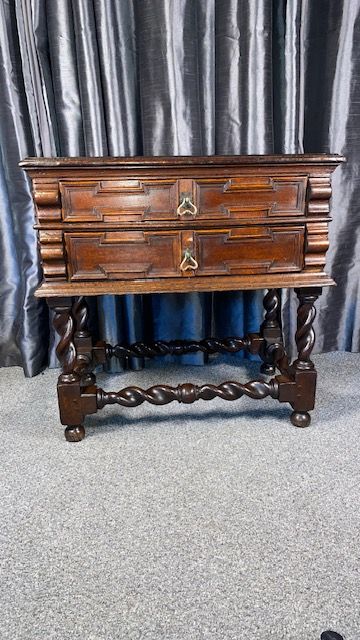
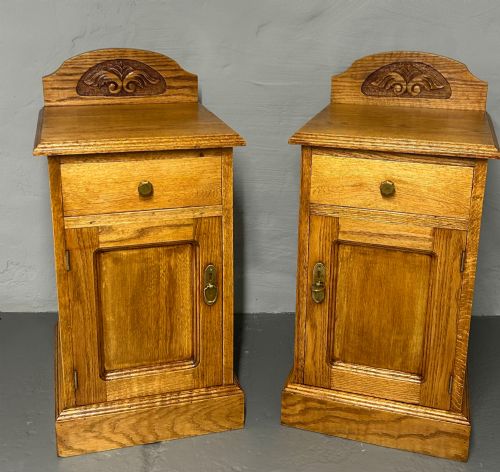
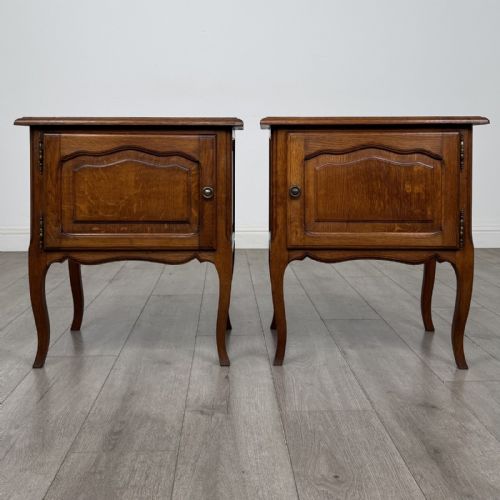
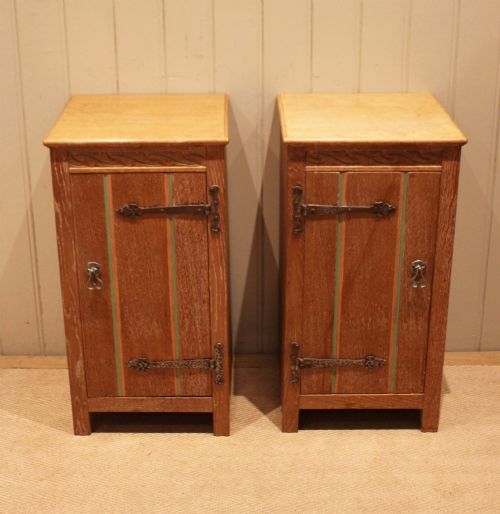

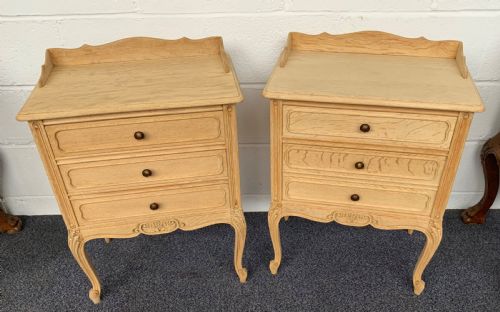
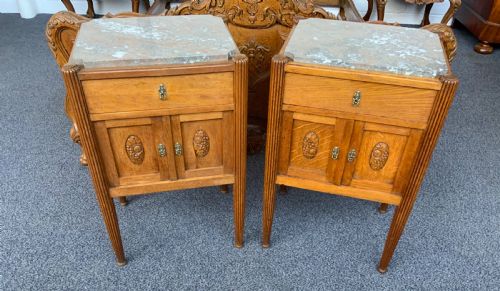

Carved Oak Nightstand
These carved oak nightstand pieces combine sturdy timber with practical bedside storage, offering period character and reliable function for the bedroom.
Carved Oak Nightstand
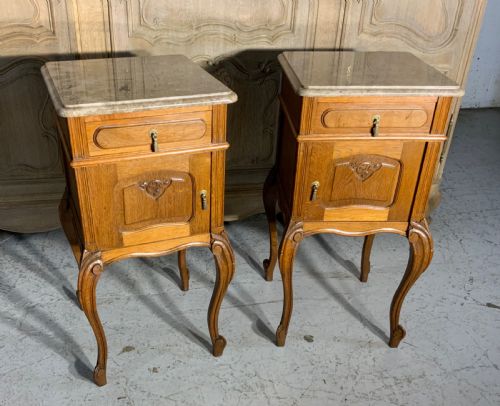
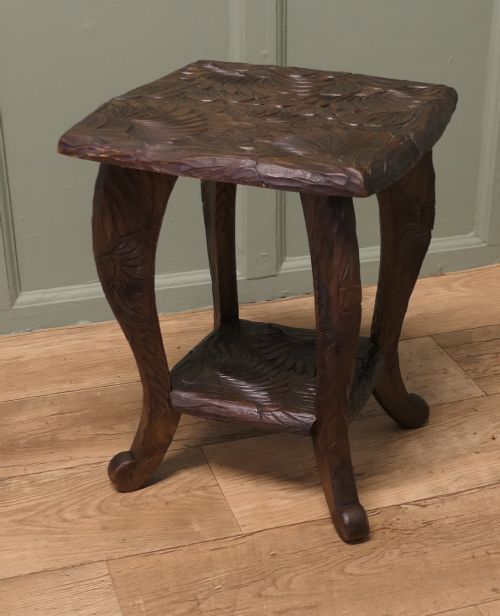
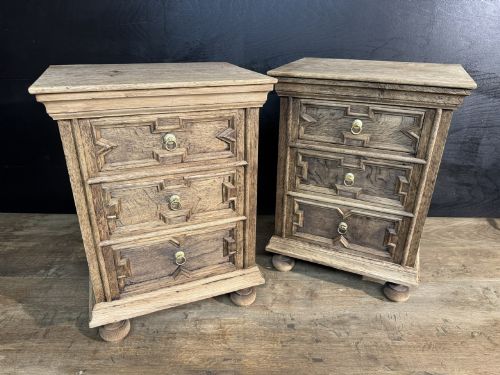
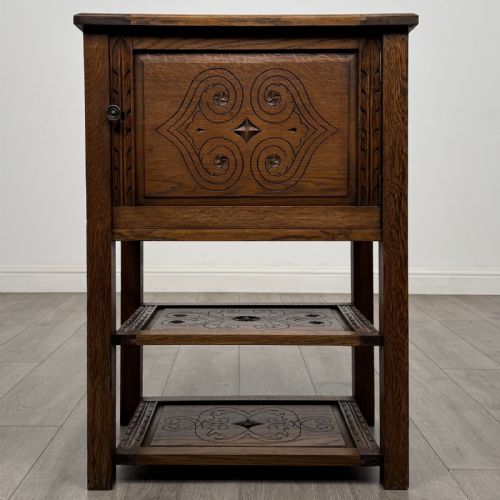
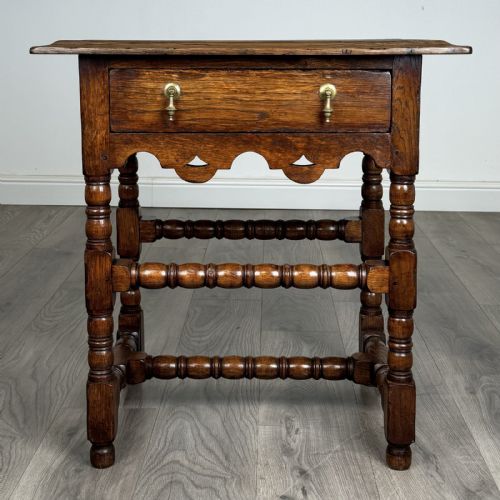
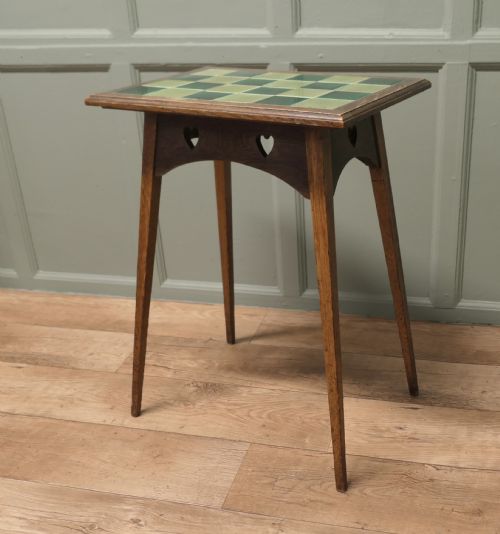
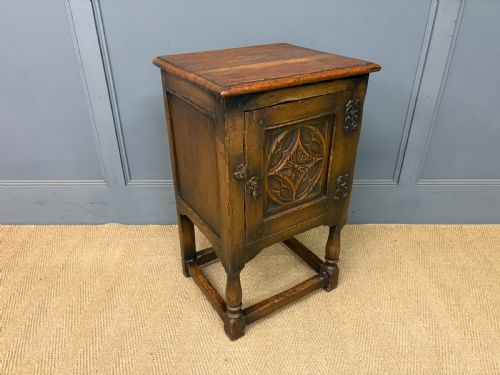
A carved oak nightstand takes the form of bedside cabinets, side tables, small cupboards, and bedside chests originating from the nineteenth and early twentieth centuries. These items appear frequently in styles such as Jacobean Revival, French Provincial, Gothic Revival, and Art Deco.
The pieces on this page span the Victorian and Edwardian eras alongside the 1900s, 1910s, 1920s, and 1930s. Buyers most often encounter compact oak cabinets and side tables designed to sit beside a bed for daily use.
Materials and construction
Construction relies heavily on oak and solid oak, complemented occasionally by pine, brass, iron, metal, and wrought iron hardware. These materials provide the dense, enduring framework required for heavy domestic use.
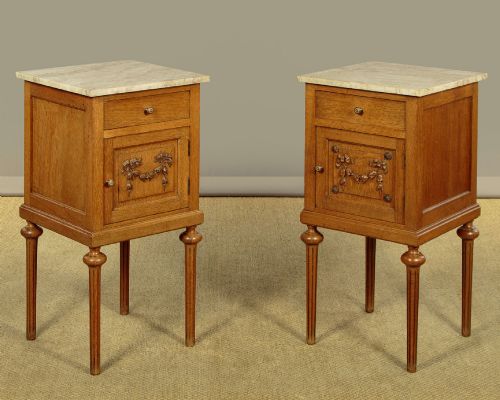
Surface detailing involves hand-carved friezes, panelled doors, and painted finishes, while certain French and Victorian examples incorporate fitted marble tops or canework details.
Carved Oak Nightstand Retail Price Guide 2026
Typical asking prices for carved oak nightstand among the pieces listed under this phrase on Sellingantiques today, from the lower quarter to the upper quarter. They describe what is for sale here now, not the wider market.
One persistent Victorian cabinet maker even stamped their work with Halifax provenance, proving that northern workshops kept pace with London tastes.
Evaluating quality
Quality varies according to the crispness of the hand-carving and the selection of timber grain, where finer pieces display deep, deliberate ornamentation rather than shallow stamping. The integration of secondary materials, such as heavy marble slabs or solid brass handles, also elevates the stature of an individual piece.
Proportions and stability dictate overall merit, separating utilitarian workshop items from refined examples finished with detailed friezes or distinct regional stylistic revivals.
Simpson Halifax
The Carved Oak Nightstand Glossary
- Jacobean Revival
- A nineteenth and twentieth century style mimicking seventeenth century English furniture. It employs heavy geometric mouldings and dark oak.
- Frieze
- The decorative horizontal band situated beneath the top surface of a cabinet or table. Carved oak nightstand examples frequently showcase carved motifs here.
- Etagere
- A set of open shelves for small objects or books. Some nineteenth century variants combine oak structures with canework.
- Gothic Revival
- An architectural and furniture style drawing on medieval forms. Pointed arches and heavy tracery define this aesthetic.
Carved Oak Nightstand: Frequently Asked Questions
What periods do these nightstands come from?
The listings span from the nineteenth century through the Edwardian era and into the 1920s and 1930s. Pieces frequently reflect Victorian and Jacobean Revival aesthetics.
Earlier examples often display hand-carved Gothic details, while later twentieth century items lean towards French Art Deco or bleached oak finishes.
Are marble tops original to these tables?
Selected nineteenth century and Art Deco cabinets incorporate fitted marble tops as part of their original design. These slabs provided a durable, wipe-clean surface for bedside water jugs and wash basins.
French provincial and Victorian examples most commonly feature this stone integration.
How do I care for antique oak furniture?
Solid oak requires minimal intervention beyond dusting with a dry or slightly damp cloth. Avoid placing timber pieces near direct heat sources to prevent the wood from splitting.
Applying natural beeswax periodically helps nourish the grain and maintain the surface sheen.
What is the difference between a bedside cabinet and a side table?
A bedside cabinet typically includes an enclosed cupboard space with a door or drawers to keep personal items out of sight. They are built specifically for bedroom storage alongside a bed.
A side table offers an open surface and frame without enclosed storage, serving a more versatile function across domestic rooms.