



Carved Oak Hanging Box
A carved oak hanging box brings tactile warmth and history to a wall, offering compact storage shaped by centuries of daily use.
Carved Oak Hanging Box
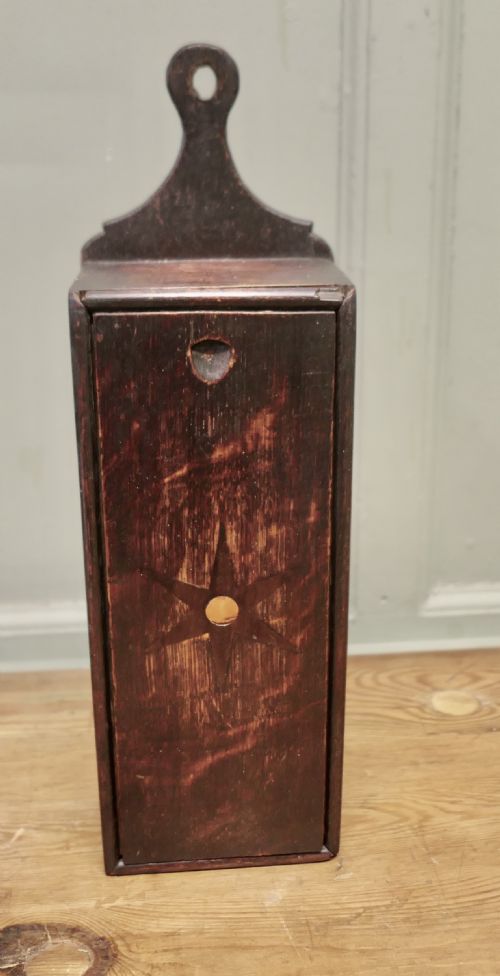
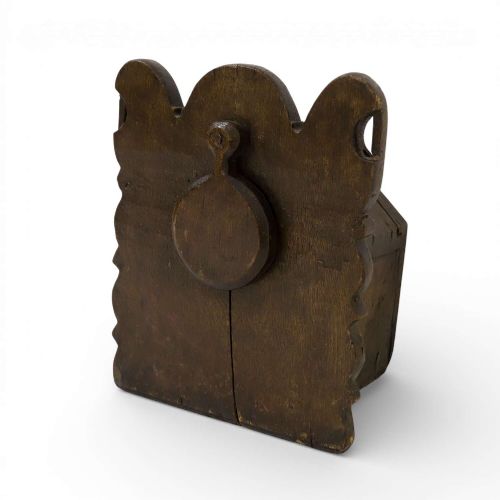
A carved oak hanging box is a wall-mounted receptacle designed to keep domestic essentials close at hand while saving precious floor and table space. These pieces span centuries of regional craftsmanship, including items built for holding candles, salt, or small documents.
The versions most commonly found here include eighteenth-century candle boxes and salt boxes alongside Victorian wall cabinets and organisers. They combine utilitarian forms with carved surface decoration, showing regional British and continental styles.
Many examples retain original iron hardware, hinges, and hanging brackets that reveal their period of origin. Their compact sizes make them adaptable for modern hallways, kitchens, and living spaces.
Materials and construction
These boxes are built primarily from solid oak, often featuring hand-carved panels, gouged patterns, or moulded details worked directly into the timber. Cabinetmakers utilised pegged joints, dovetails, and simple butt joints suited to domestic utility.
Hardware such as strap hinges, latches, and hanging loops are forged from iron or cast in brass, showing hand-wrought characteristics typical of earlier periods. Occasional surface treatments, including traces of historic red paint, survive on the timber.
One unexpected box arrived with a Chinese soapstone zodiac seal display mounted inside an oak frame, proving historic storage served unusual collections.
Judging quality and character
Quality rests in the crispness of the carving, the integrity of the timber, and the presence of original fittings rather than excessive ornamentation. Boxes that retain their unpolished surfaces and original ironwork carry greater historical continuity.
Proportion and domestic scale dictate the presence of the piece on a wall, where balanced proportions and clean joinery elevate simpler country pieces into finer examples of regional craft.
The Carved Oak Hanging Box Glossary
- Salt box
- A wall-mounted container with a sloping lid and high back, traditionally used in kitchens to keep salt dry. These pieces often feature a hinged lid and a hole for hanging.
- Candle box
- A narrow rectangular box with a sliding or hinged lid designed to protect tallow or wax candles from dust and pests. They frequently include a shaped backboard with a suspension hole.
- Strap hinge
- A long, flat metal hinge fixed to the surface of a lid or door, commonly seen in hand-forged iron on earlier pieces. This hardware provides structural strength alongside decorative character.
- Dovetail joint
- An interlocking woodworking joint formed of interlocking wedge-shaped fingers, used to join the corners of boxes securely. Its presence indicates careful cabinetmaking.
- Relief carving
- A sculptural technique where figures or patterns are carved to stand out from a background plane, frequently seen on panel fronts of seventeenth and eighteenth-century examples.
Carved Oak Hanging Box: Frequently Asked Questions
What were carved oak hanging boxes used for?
These boxes held household items that needed to be kept dry, secure, or easily accessible in domestic rooms. Common contents included candles, salt, spices, and small documents.
Their wall-mounted design kept daily necessities off damp or crowded surfaces in historic homes.
How do I hang a heavy oak box safely?
Most pieces feature built-in hanging brackets, rear holes, or robust backboards designed for wall suspension. You should assess the weight of the solid oak and secure fixings directly into wall studs or use appropriate wall anchors.
Ensuring the mounting hardware matches the historic hanging points protects the structural integrity of the timber.
How can I tell an eighteenth-century box from a Victorian one?
Earlier pieces from the seventeenth and eighteenth centuries often display hand-split oak boards, pegged joinery, and forged iron strap hinges. The carving styles tend towards geometric patterns, strapwork, or simple chip carving.
Victorian interpretations frequently incorporate machine-sawn timber, brass fittings, and more elaborate or revivalist decorative motifs influenced by historical styles.
Where should I place a hanging box in a modern home?
These boxes suit hallways for holding keys and post, kitchens for small utensils, or living areas as compact display cabinets. Their shallow depth allows them to fit into narrow spaces where standard furniture would protrude.
Placing them away from direct heat sources and strong sunlight protects the historic oak and any surface finishes.