
Carved Oak Glass
Carved oak glass brings together timber and transparency in pieces spanning the Victorian and Edwardian periods.
Carved Oak Glass
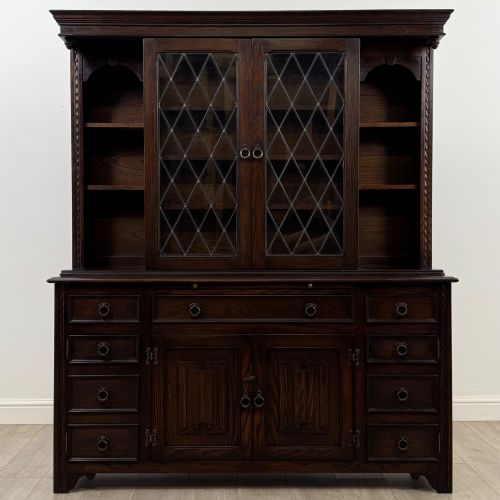
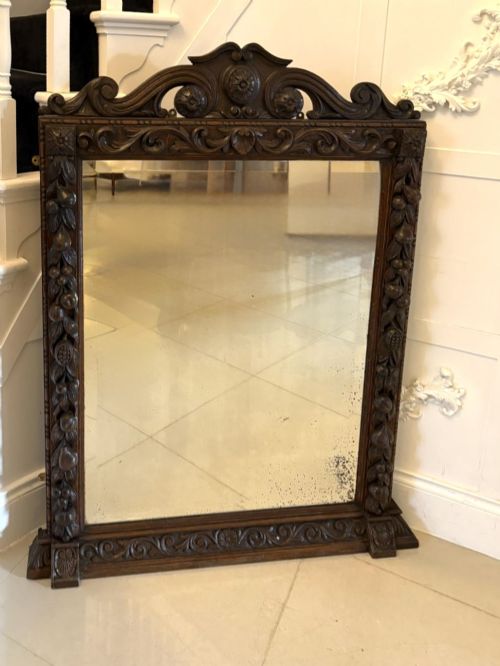
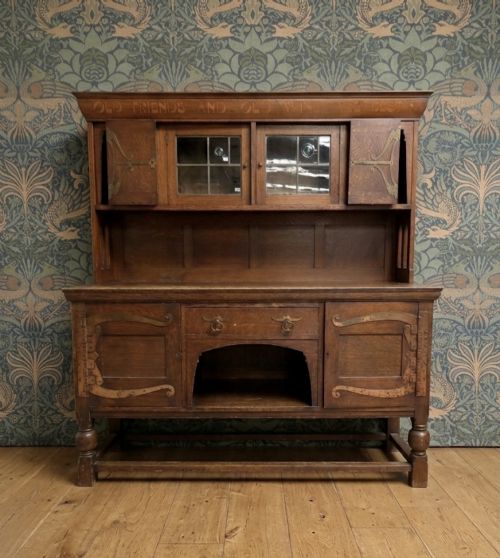
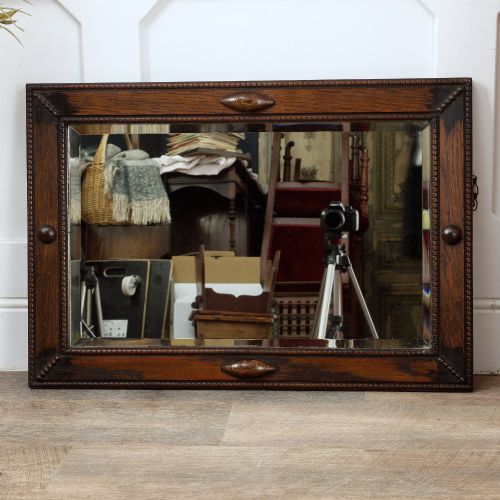
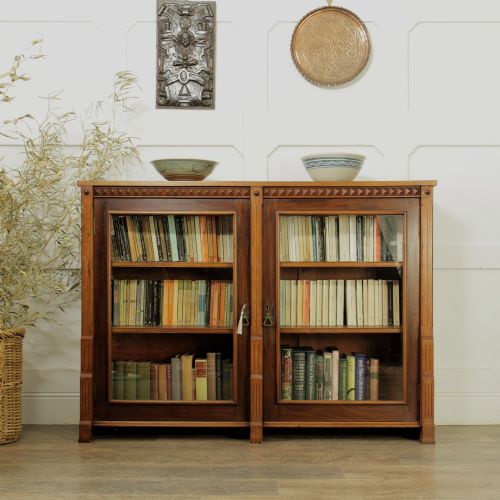
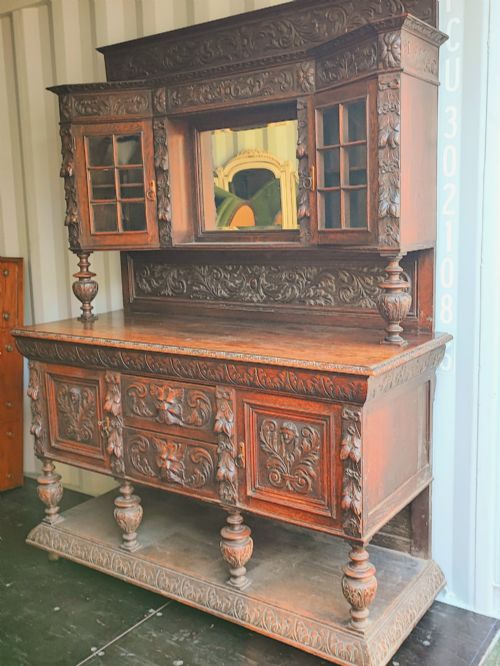
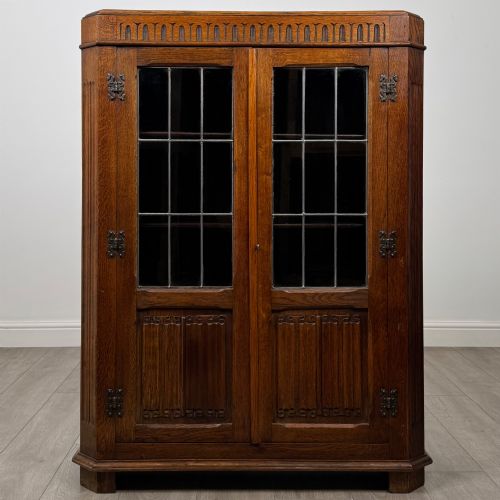
When you search for carved oak glass, you encounter furniture and decorative objects that combine heavy timber frames with glazed panels, mirrors, or display doors. These pieces date principally from the Victorian and Edwardian eras, reaching into the early twentieth century through revivals of Jacobean, Gothic, and Arts and Crafts styles.
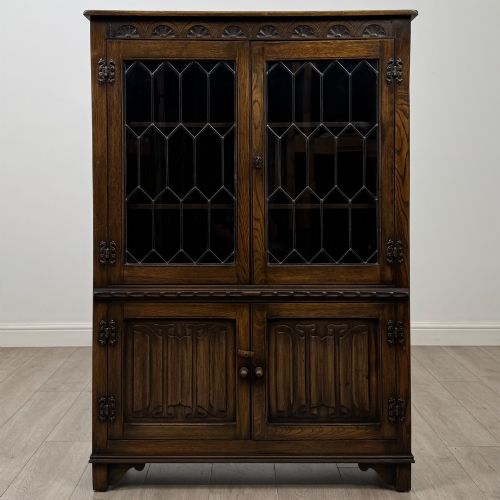
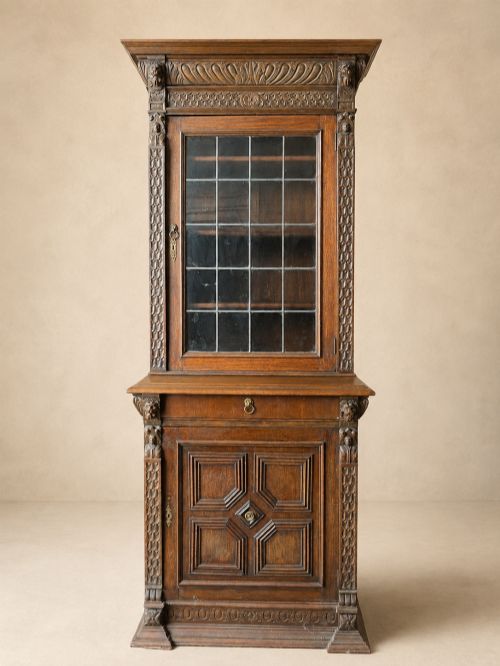
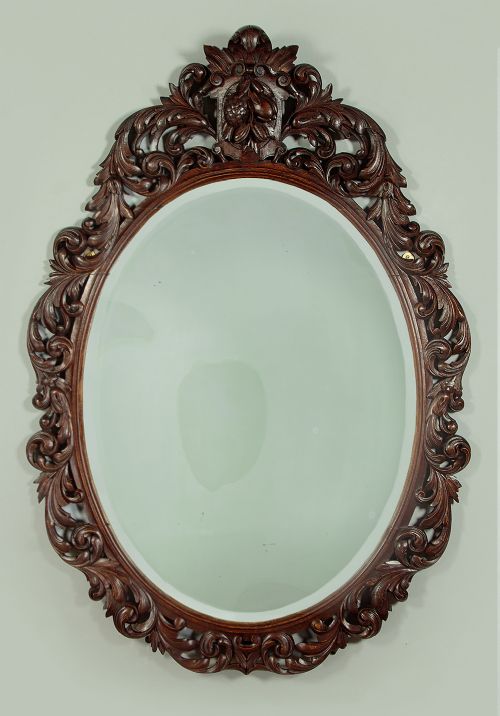
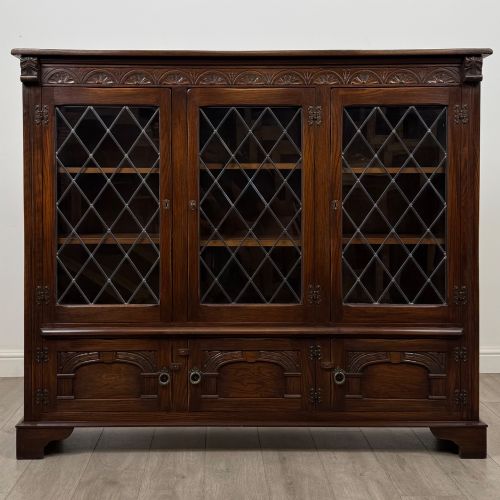
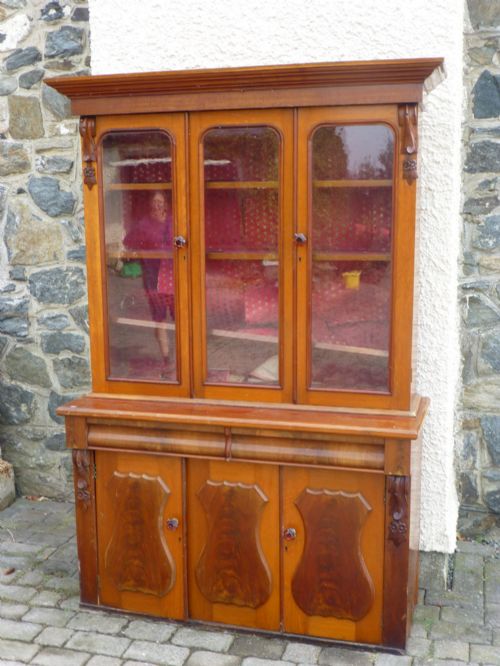
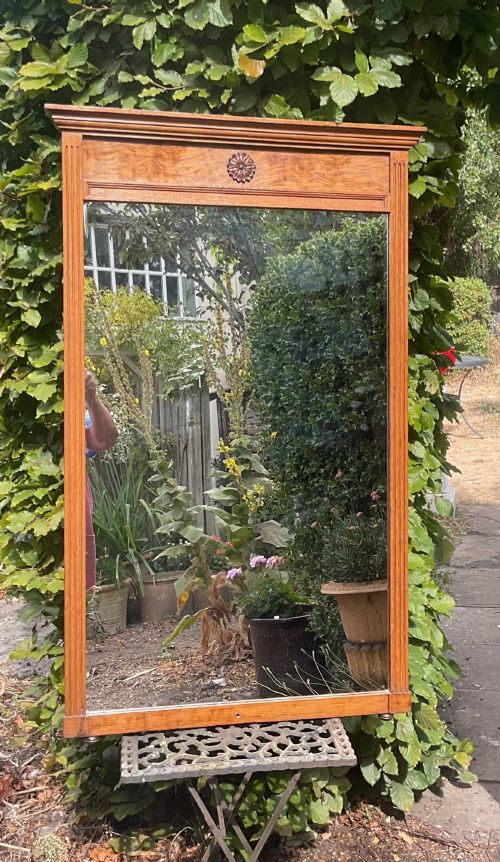
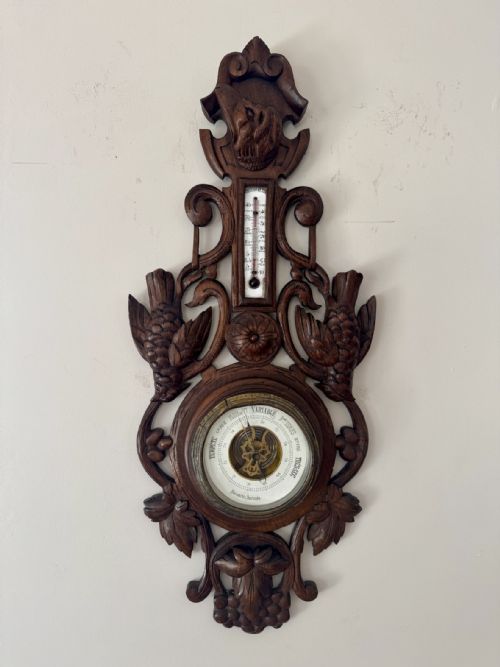
The most frequent items meeting this description on this page are wall mirrors, glazed bookcases, and display cabinets. Alongside these large pieces, you find smaller domestic items such as barometers, inkstands, and occasional carved mirrors framed in oak.
Makers and workshops utilised solid oak to house glass securely, whether for reading the barometer, displaying china behind leaded panes, or reflecting light in a hallway. The material combination provides both structural weight and functional transparency.
How they were made
Craftsmen built these items using solid oak, frequently embellished with hand-carved motifs, linenfold panels, or applied mouldings. The timber is combined with various forms of glass, including mirrored plates, stained panels, and leaded glazing.
Metal components such as brass, iron, and lead provide structural support, hinges, and decorative panels within the wooden frameworks. Barometers integrate mechanical dials alongside glass faces, while cabinets incorporate bevelled glass and timber shelving.
Listings feature items from the Victorian and Edwardian periods, alongside nineteenth-century pieces spanning 1860 to 1930.
What varies in quality
The distinction between standard domestic production and exceptional pieces lies in the depth and execution of the wood carving. Fine examples display crisp, undercut foliage, heraldic motifs, or animal figures that show confident hand-tool work rather than shallow factory stamping.
Quality also rests in the glass itself and its integration into the oak structure. Original mercury plates, stained leaded panels, and heavy bevelled glass secured with proper glazing bars elevate a piece above simpler utilitarian storage.
Ambrose Heal·Heal and Son·Hyde and Sons Sleaford
The Carved Oak Glass Glossary
- Aneroid barometer
- A device for measuring atmospheric pressure without liquid, housed in a carved wooden case behind a glass dial.
- Leaded glass
- Individual panes of glass joined together with lead cames to form geometric or pictorial windows in cabinet doors.
- Linenfold
- A style of wood carving representing folded linen, frequently seen on panels of cabinets and bookcases.
- Overmantel mirror
- A large wall glass designed to hang specifically above a fireplace mantelpiece, framed in carved timber.
- Mercury plate
- An early mirror glass backed with a tin-mercury amalgam, producing a deep, slightly uneven reflection.
Carved Oak Glass: Frequently Asked Questions
How do I date a carved oak glass cabinet?
Dating relies on stylistic clues and construction methods visible in the timber and glass. Victorian pieces often display heavier Gothic or Flemish revival carving, while Edwardian examples lean towards lighter Arts and Crafts or simpler glazed proportions.
Examine the backboards and interior fittings for machine marks versus hand planing. The type of glass, such as leaded panels or bevelled mirrors, also helps place the piece within its historical manufacturing window.
Are the glass panels usually original?
Many items retain their original glass, particularly where bevelled edges, slight imperfections, or leaded came work match the age of the oak frame. Replacement glass does occur in functional items like bookcases that sustained heavy use.
Look closely at how the glass is secured into the timber rebate. Old putty lines, traditional glazing points, and consistent signs of age across both wood and glass indicate originality.
Where should I place an oak mirror?
Oak mirrors suit hallways, living rooms, and dining spaces where the dark grain and carved details can anchor a wall scheme. Large overmantel versions belong above fireplaces, while smaller wall mirrors function well in entrance halls.
Ensure the wall fixings can support the combined weight of solid oak and thick glass. Direct, prolonged sunlight should be avoided to protect both the timber finish and the silvering behind the mirror plate.
What is Black Forest carving?
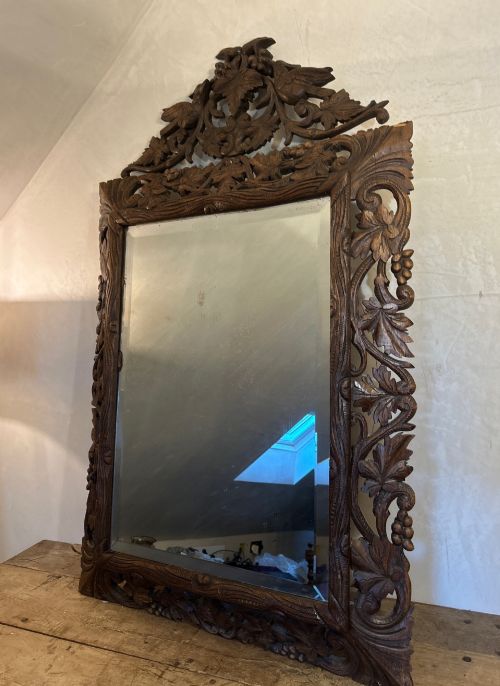
Black Forest carving refers to highly detailed wooden sculpture, often depicting animals or natural foliage, originating from the Swiss region during the nineteenth century. These pieces frequently incorporate practical elements like mirrors, bookends, and barometers.
The style is easily recognised by deep, naturalistic relief work in dark oak or walnut. Items from this tradition combine ornamental animal figures with functional household glass.