



Carved Oak Fireside Chair
A carved oak fireside chair brings solid timber and enduring presence to a room, offering sturdy comfort by the hearth.
Carved Oak Fireside Chair
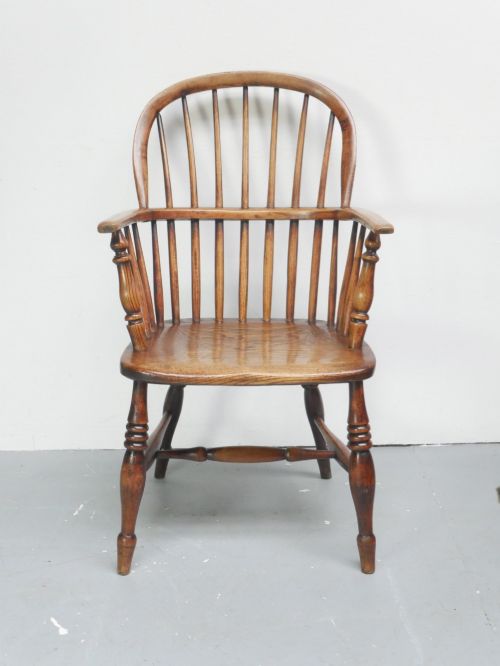
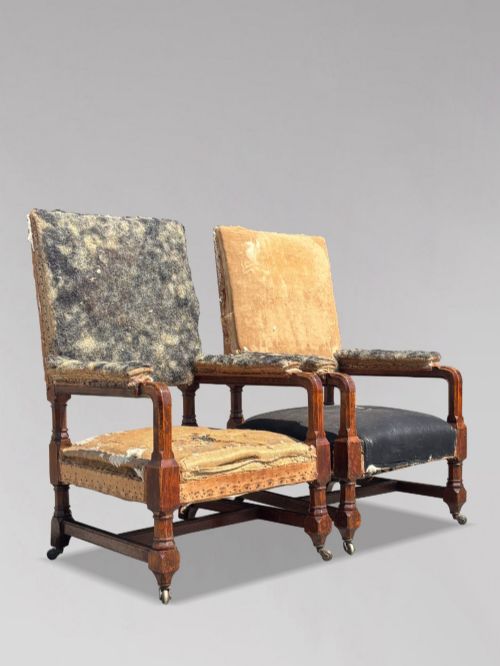
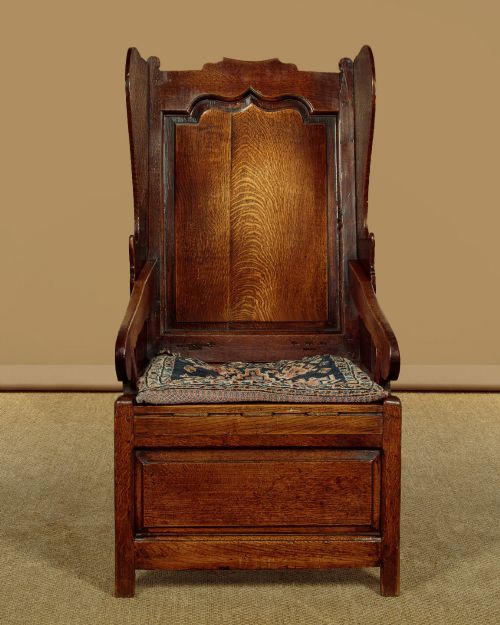
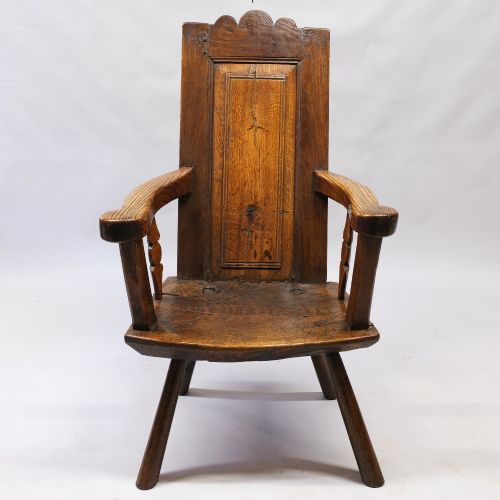
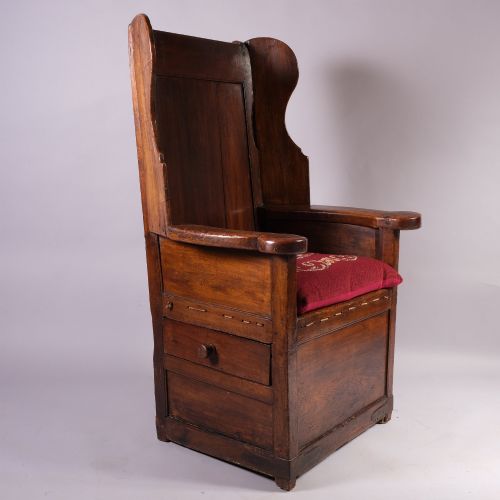
When searching for a carved oak fireside chair, buyers encounter robust seating designed for domestic warmth and traditional longevity. The selection spans sturdy nineteenth century library chairs alongside eighteenth century lambing and panel backed Windsor forms.
Most examples originate from British and European workshops, featuring heavy timber frames intended to withstand daily use by the hearth. Makers employed local woods to build substantial armchairs, often incorporating upholstered elements in leather, velvet or fabric.
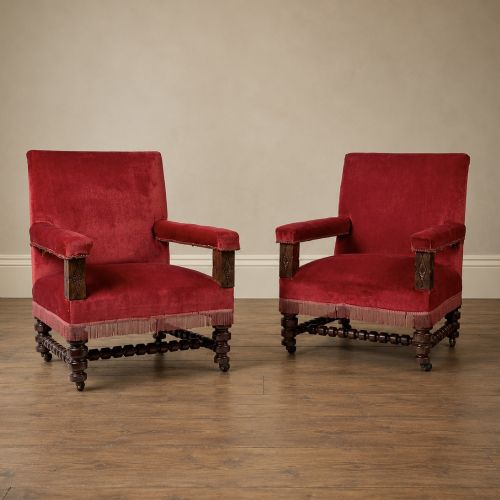
Period variations include Gothic revival details, bobbin turnings and carved lion heads on Victorian and Edwardian frames. These seating pieces range from compact children's chairs to large wingbacks built for substantial rooms.
Factors separating examples in quality
Quality rests heavily on the depth and crispness of the hand carving and the integrity of the original timber frame. Pieces featuring robust structural joinery without excessive replacement parts retain greater integrity than those with loose joints or heavy timber shrinkage.
The choice of covering material and the survival of original upholstery elements also distinguish finer examples. Chairs retaining period leather, velvet or tailored fabric alongside intact brass hardware demonstrate superior domestic preservation.
Materials recorded across these seating forms include solid oak, elm, ash, and pollard oak, complemented by brass hardware and upholstery in leather, velvet, and textile.
The Carved Oak Fireside Chair Glossary
- Lambing chair
- A traditional high backed wooden armchair featuring solid side wings designed to shield the sitter from drafts near an open fire. These often incorporate a low seat and an enclosed base.
- Wingback armchair
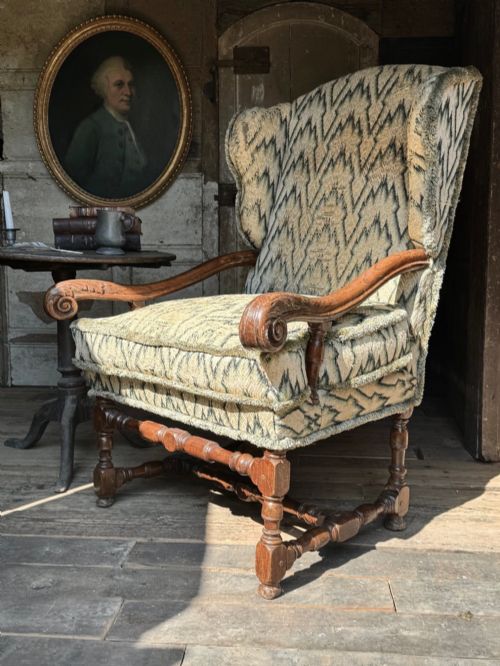
- A seating form featuring protective upholstered side panels attached to the arms and back to retain heat and block cold air currents. Early versions often utilise exposed oak frames.
- Windsor chair
- A chair built with a solid wooden seat into which the legs and back spindles are directly fitted. Variations seen include panel backed and slat back designs.
- Barley twist
- A decorative turning technique resembling a spiralling rope carved into wooden chair legs, arms or stretchers. This motif appears frequently on nineteenth century seating.
- Bergere
- An enclosed upholstered armchair with a wooden frame, where the sides and back are frequently filled with woven cane panelling.
Carved Oak Fireside Chair: Frequently Asked Questions
How do I identify a true period oak fireside chair?
Authentic period chairs display traditional joinery methods such as pegged mortise and tenon joints rather than modern metal screws. Examine the timber for natural wear patterns and hand tool marks that match the stated era.
Check the timber species and turning styles against known regional domestic traditions. Consistent patination across the wooden elements indicates genuine age rather than assembled components.
Are these chairs comfortable for daily modern use?
Many solid oak chairs provide firm upright seating supported by deep timber frames and supportive backs. Upholstered versions with leather or velvet padding offer softer seating suitable for relaxing.
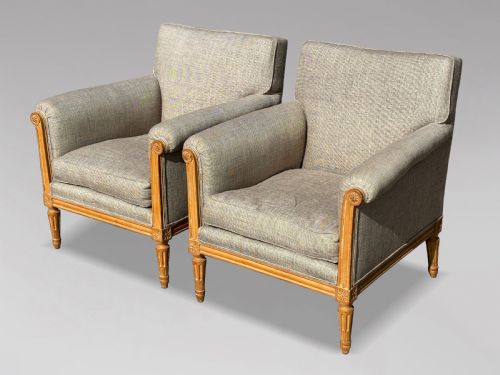
Consider the seat height and depth when selecting a chair for regular use. Taller wingback and club styles generally provide more relaxed lounging postures than rigid panel backed forms.
How should I care for antique leather and oak?
Maintain the timber by applying appropriate wax polish sparingly to nourish the grain and prevent drying. Avoid placing wooden chairs near direct heat sources or strong sunlight.
Treat antique leather with specialised conditioning balms to keep the hide supple and prevent cracking. Gentle dusting with a soft cloth preserves the surface finish without abrasive wear.