



Red Leather Reading Armchair
A red leather reading armchair brings depth and comfort to a study, built from heavy woods and finished with hand-dyed hides.
Red Leather Reading Armchair
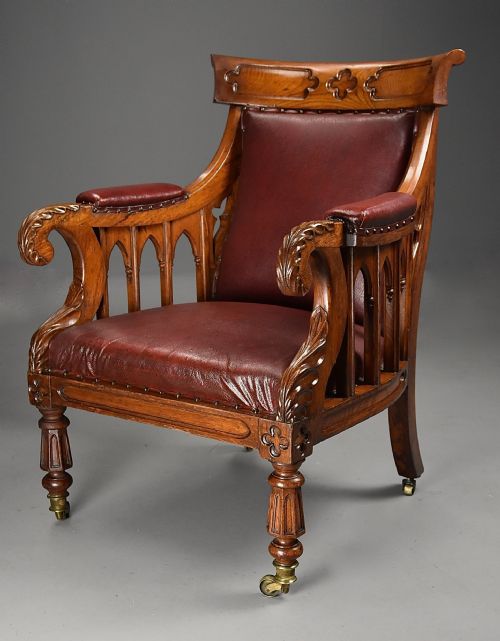
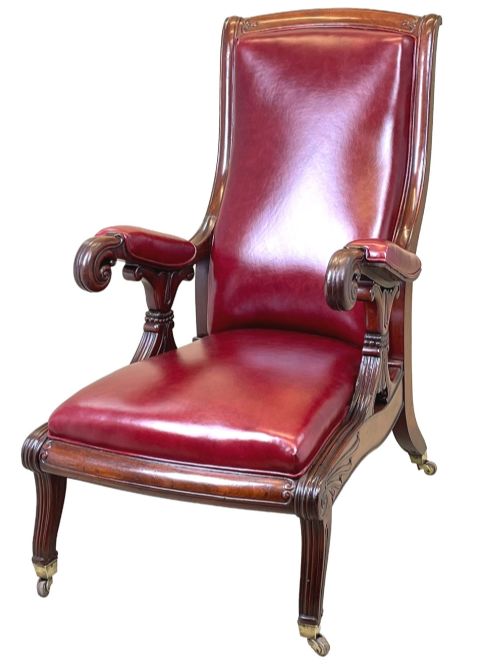
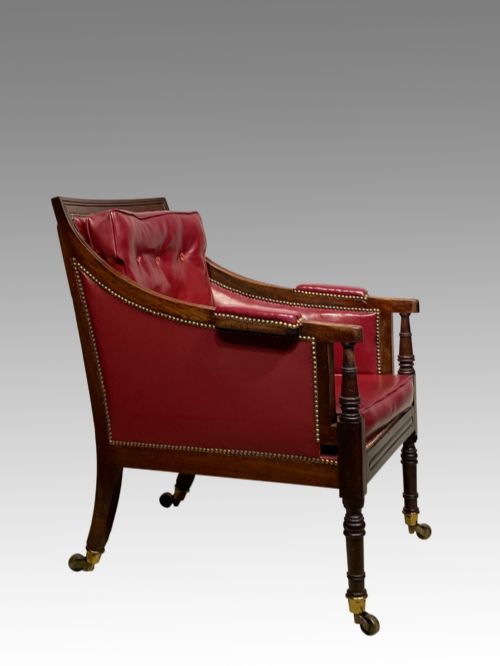
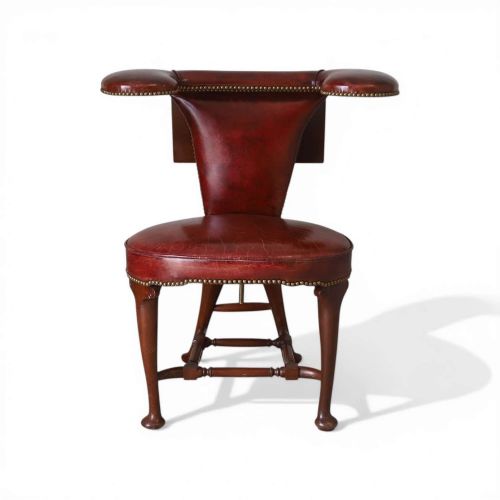
A red leather reading armchair combines a supportive, upholstered seat with a robust wooden frame designed for long hours of study or repose. When you search for a red leather reading armchair, you encounter forms ranging from generous George III library seats to buttoned Victorian numbers and streamlined Edwardian designs.
The materials and silhouettes shift across the periods represented here, moving from Georgian mahogany frames to nineteenth-century oak and walnut structures. Many examples adopt classic library and Gainsborough proportions, providing deep seats and sturdy armrests suited to a traditional interior.
How They Were Made
The construction relies on sturdy hardwood frames of mahogany, oak, walnut, or standard wood, joined to support heavy upholstery. Craftsmen shaped these timbers into armchairs, reading chairs, and desk chairs, applying structural brass accents where appropriate.
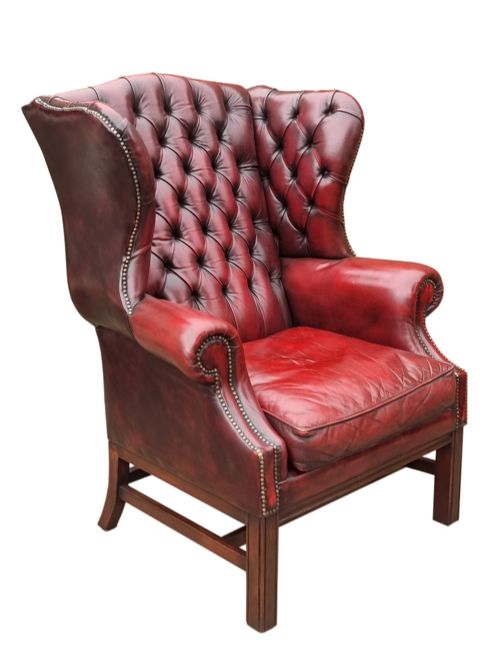
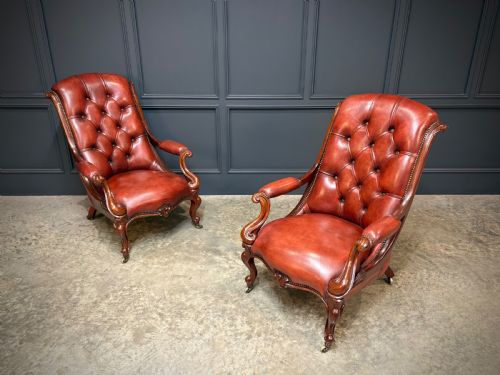
Hides provide the durable red, burgundy, or oxblood leather surface, often secured with individual brass tacks along the edges. Buttoning techniques appear on several Victorian and later pieces, pulling the leather tight to create deep tufting across the backrest.
Red Leather Reading Armchair Retail Price Guide 2026
Typical asking prices for red leather reading armchair among the pieces listed under this phrase on Sellingantiques today, from the lower quarter to the upper quarter. They describe what is for sale here now, not the wider market.
Listings feature periods spanning from Georgian and Regency eras through the Victorian age and into Edwardian times.
What Varies in Quality
The caliber of the timber frame dictates the foundational integrity of the piece, with dense mahogany and seasoned oak sitting at the higher end of the scale. Substantial proportions and well-executed joinery separate a grand library armchair from simpler domestic seating.
The treatment and ageing of the leather determine the surface character, from deep patinated oxblood tones to smooth burgundy finishes. Refined details like precise brass nail placement and harmonious carving elevate the execution of George III or Regency styles.
Gillows
The Red Leather Reading Armchair Glossary
- Gainsborough armchair
- A wide, open-armed seat with a padded back and upholstered armrests, popular during the eighteenth century for library use. It typically stands on square or moulded legs.
- Bergere
- An enclosed upholstered armchair with wooden framing visible around the sides and back. Cane work or solid panels often form the sides.
- Oxblood leather
- A deep, dark red shade of leather commonly found on nineteenth-century club and library seating. It develops a rich sheen with handling and age.
- Library chair
- A heavy, comfortable armchair designed for reading rooms, often featuring generous proportions and supportive armrests. These pieces prioritize long-term seated comfort.
- Wingback
- An armchair featuring protective side panels attached to the armrests, designed to shield the occupant from drafts. This form dates back centuries and remains a staple of traditional seating.
Red Leather Reading Armchair: Frequently Asked Questions
What is a red leather reading armchair?
A red leather reading armchair is a traditional upholstered seat built on a wood frame, designed specifically for libraries and studies.
These pieces use durable leather surfaces in red, burgundy, or oxblood alongside timber structures like mahogany and oak.
How do I style a red leather reading armchair?
Position the chair near a bookshelf, desk, or fireplace to serve as a functional focal point in a traditional room.
Pair the rich red leather tones with darker wood furniture and neutral textiles to balance the visual weight of the piece.
How do I identify a Georgian reading chair?
Look for dense mahogany frames, substantial proportions, and classical design influences such as Gainsborough or open-arm library configurations.
These earlier pieces emphasise clean wooden structures and traditional joinery beneath the leather upholstery.
What is the difference between Victorian and Georgian chairs?
Victorian examples often incorporate buttoned leather tufting and heavier padding, reflecting mid-nineteenth-century taste.
Georgian pieces lean toward architectural mahogany frames with open sides and simpler upholstered lines.