
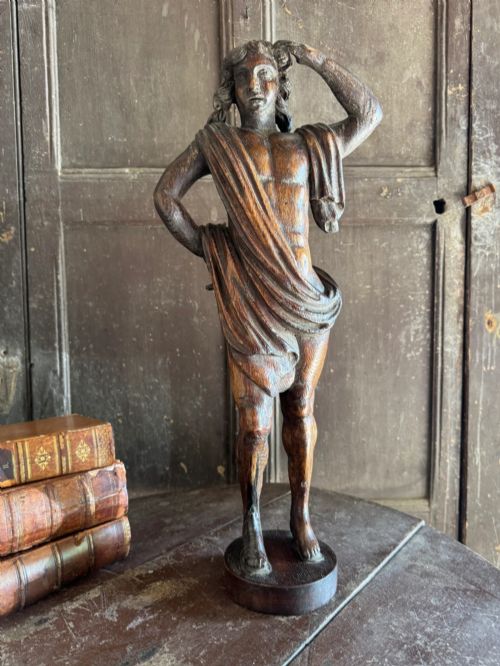


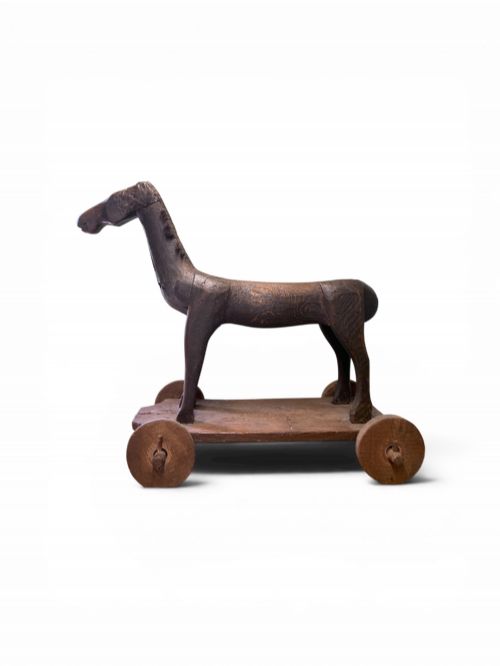
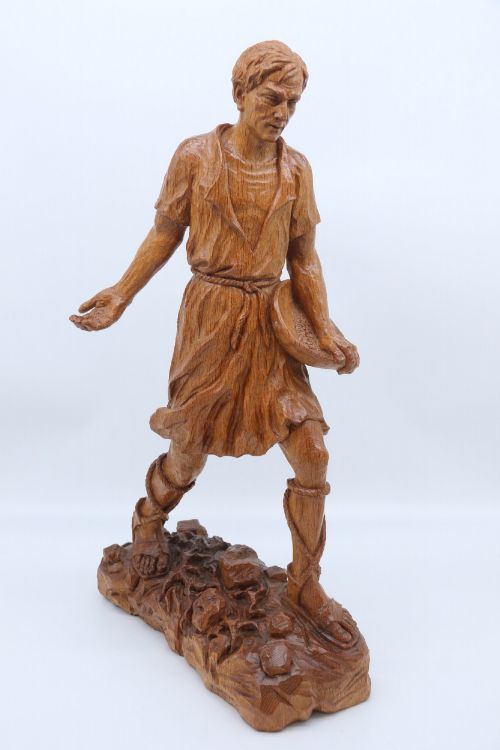
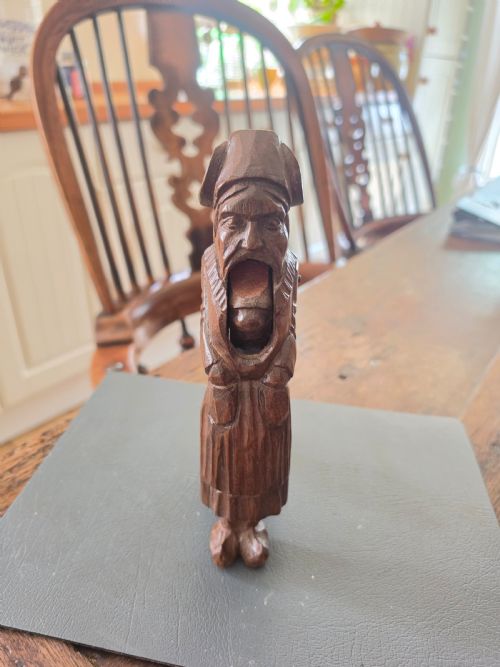

Carved Oak Figure
A carved oak figure brings centuries of hand-carved presence into a room, offering tactile depth and historic character.
Carved Oak Figure
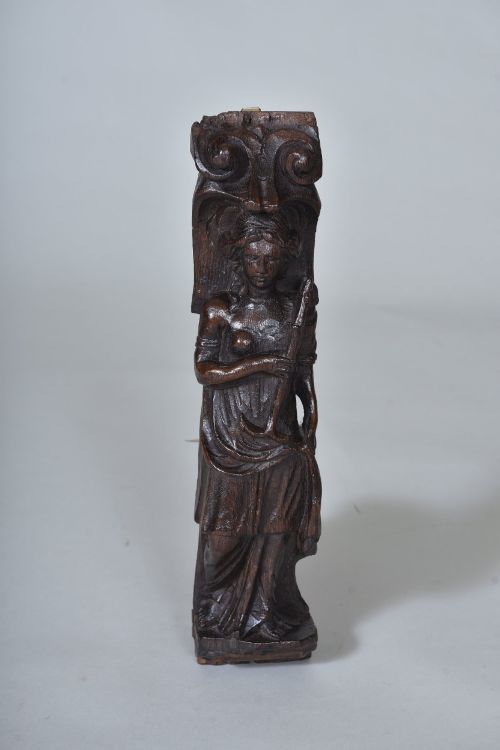
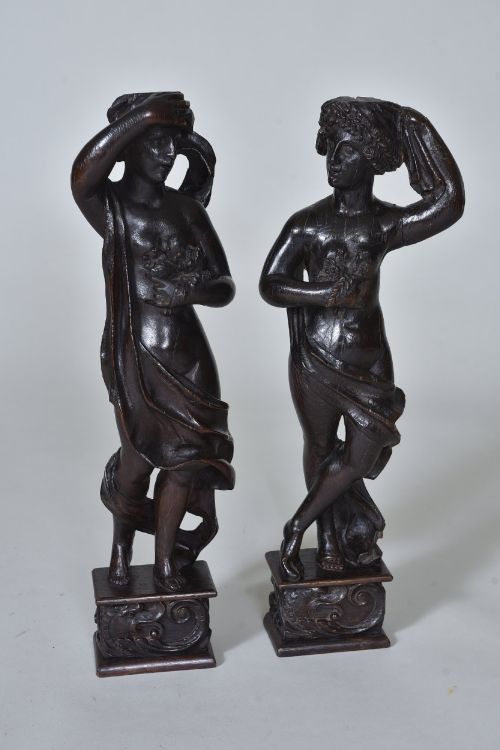
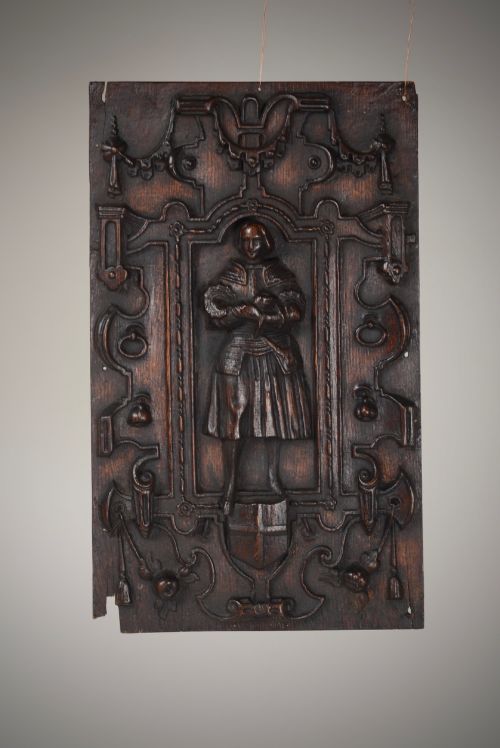
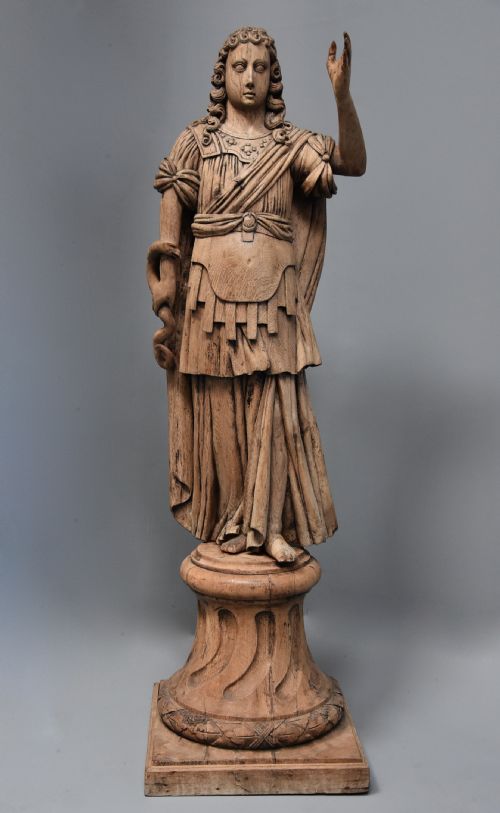
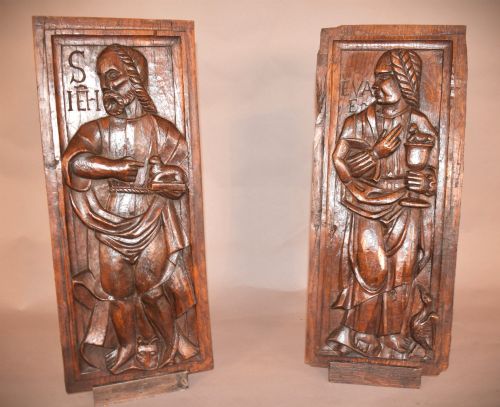
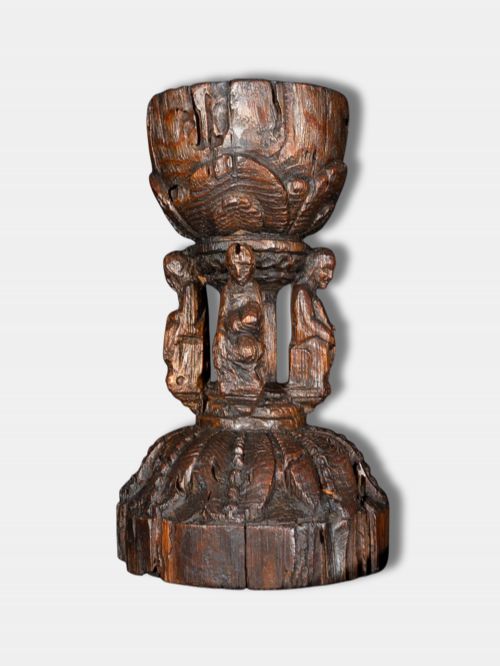
A carved oak figure encompasses three-dimensional religious statues, secular ornaments, architectural terminals, and figural panels spanning from pre-sixteenth century Gothic works to nineteenth-century revival pieces. Buyers seeking a carved oak figure encounter both devotional saints and secular subjects like lions, caryatids, and figures from folklore.
The material traditions range from heavy ecclesiastical statues originating in France, Germany, and the Low Countries to domestic nineteenth-century carvings and naive folk pieces. Many survivors began as architectural elements from church screens, overmantels, or pedestals before finding life as independent sculptures.
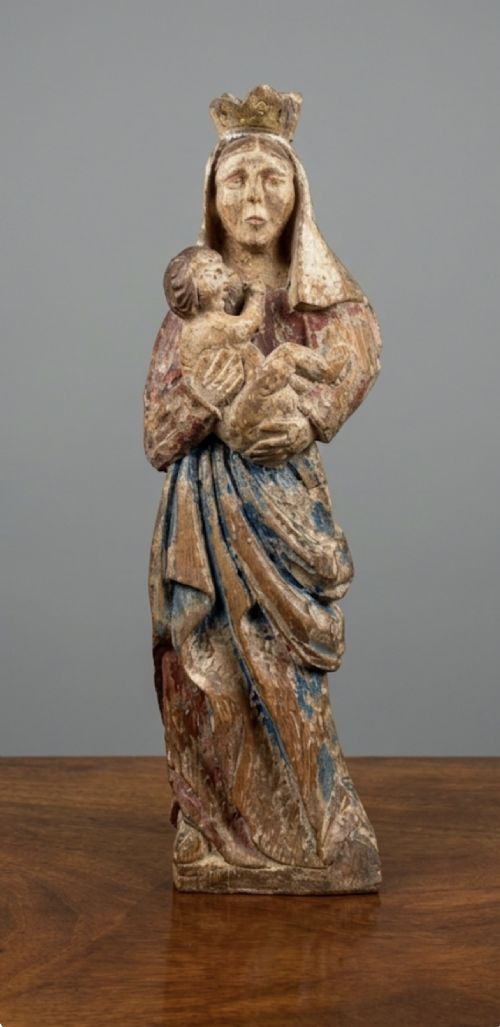
Earlier examples display late Gothic or Renaissance styling with traces of original polychrome paint, while later iterations from the Baroque and Arts and Crafts periods demonstrate diverse regional hand-carving techniques. This variety allows collectors to choose between austere architectural fragments and fully realised figural sculptures.
How they were made
Makers utilised seasoned oak timber, chosen for its strength and grain, working predominantly with hand gouges, chisels, and mallets to shape the figures from solid blocks or assembled panels. Some earlier works incorporate applied polychrome paint or gilding directly onto the carved wood surface.
Joinery methods varied according to the period, with figures carved fully in the round or executed as high-relief panels intended for architectural integration. Master carvers often utilised regional hardwoods alongside oak, occasionally finishing pieces with wax or oil to protect the timber.
Listings feature oak, hardwood, and brass alongside painted polychrome surfaces applied to figures spanning five centuries.
What varies in quality
The integrity of the timber and the preservation of original surface patination dictate desirability, as aggressive later cleaning can strip away centuries of accumulated tone. The strength of the sculptural composition and the clarity of the period characteristics separate exceptional works from standard decorative carvings.
Franz Keller·Yvonne Parvillée
The Carved Oak Figure Glossary
- Caryatid
- A sculpted female figure serving as an architectural support in place of a column or pier. These figures often appear on pedestals and overmantels.
- Polychrome
- The practice of decorating architectural elements and wooden sculptures in multiple colours. Traces of this paint survive on medieval and religious statues.
- Gothic
- A medieval art style prevalent from the twelfth to the sixteenth century. Pieces from this era feature elongated forms and distinctive drapery.
- Term
- A pedestal or pillar that narrows downwards, surmounted by a carved human bust or figure. These architectural supports frequently feature in sixteenth and seventeenth-century joinery.
- Treen
- Small handmade wooden domestic objects and functional items. These items include carved figures and decorative desk accessories.
Carved Oak Figure: Frequently Asked Questions
How do I date an oak figure?
Dating relies on examining the tool marks, the style of the drapery, and the regional characteristics of the carving. Earlier pieces from the fifteenth and sixteenth centuries often show adze or primary gouge marks consistent with period bench working.
Changes in fashion, such as the transition from Gothic stiffness to Baroque dynamism, provide further chronological markers. Secondary elements like fixings or panel construction help confirm the era of manufacture.
Where were these figures originally placed?
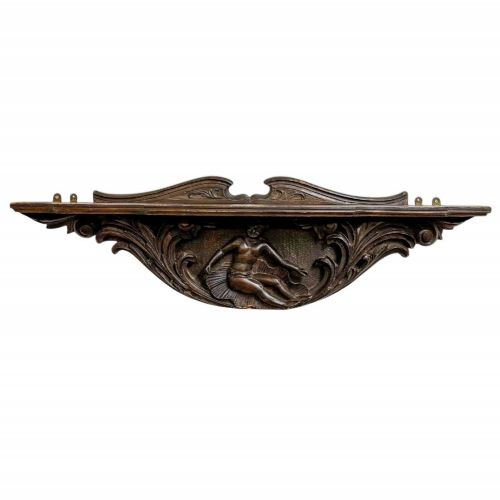
Many figures formed part of larger ecclesiastical schemes, adorning choir stalls, rood screens, and altarpieces in churches across Europe. Others served a domestic function as overmantels, wall brackets, pediments, or architectural terminals in grand houses.
Over the centuries, architectural elements were often salvaged from buildings and mounted as standalone ornaments. This shift from church or hall to cabinet altered their context entirely.
How do I care for antique oak?
Antique oak requires a stable environment away from direct heat sources and dramatic humidity fluctuations to prevent the timber from splitting. Keeping the wood out of strong sunlight preserves the natural colour and surface patination.
An occasional application of a suitable microcrystalline wax helps protect the dry timber without building up heavy residues. Avoid modern liquid polishes, which can penetrate porous historical wood surfaces.
What is the difference between religious and secular carvings?
Religious carvings typically depict saints, angels, biblical scenes, or Madonna and child figures intended for devotional use. These objects often carry deep spiritual iconography specific to their period of origin.
Secular carvings focus on mythological subjects, animals, portraits, or architectural figures such as caryatids and green men. Both categories share the same fundamental woodworking techniques but serve entirely different decorative functions.