
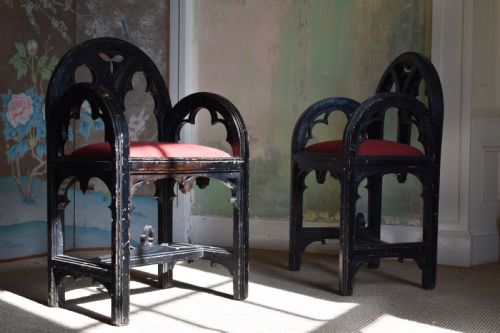


Carved Oak Chair Painting
These carved oak chair painting examples bridge furniture and canvas, offering a tangible record of historic craftsmanship and artistic study.
Carved Oak Chair Painting
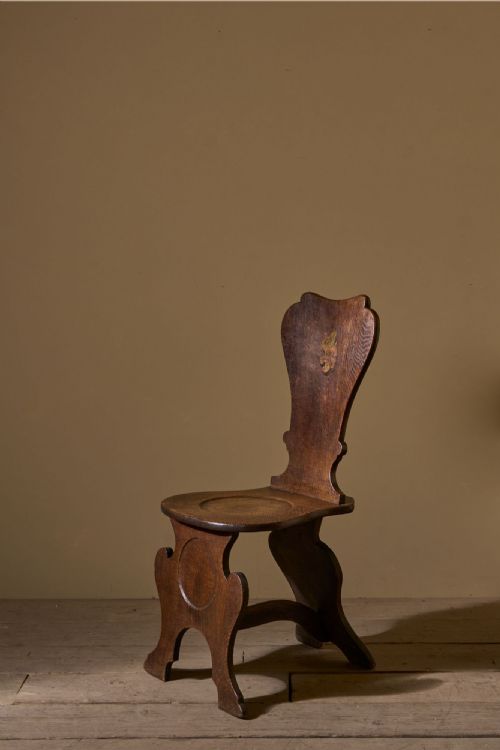
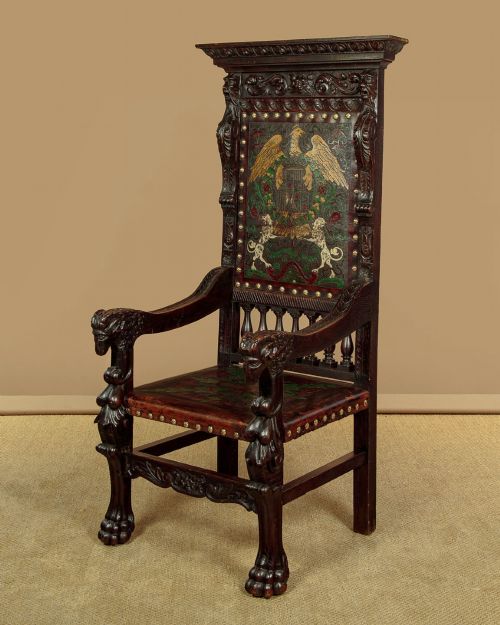
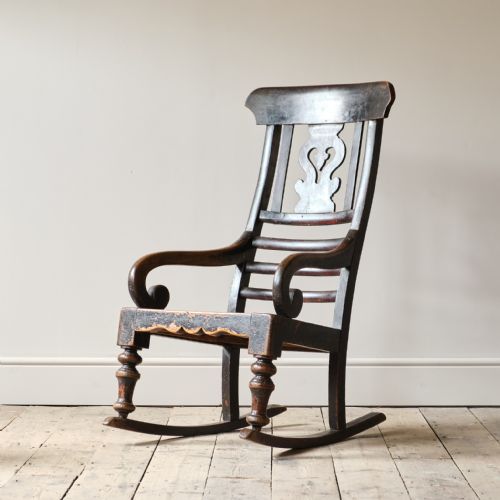
Carved oak chair painting encompasses both physical timber seating adorned with painted surfaces and traditional canvas depictions of antique chairs. You encounter varied forms here, from robust 18th century hall chairs and rustic country designs to detailed 19th century oil paintings recording historic furniture.
The pieces on this page span the 18th, 19th, and early 20th centuries, drawing on styles such as Gothic Revival, Renaissance Revival, and folk traditions. Armchairs, side chairs, rocking chairs, and oil paintings sit side by side, reflecting how makers and artists interpreted sturdy seating across different European regions.
Materials and construction
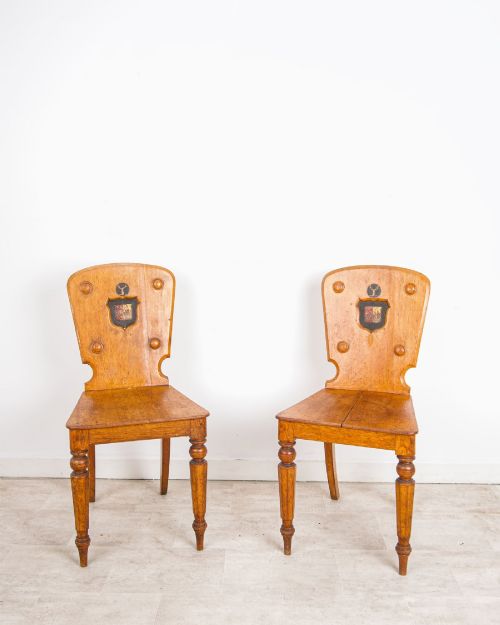
Solid oak, elm, and ash form the structural backbone of these physical chairs, shaped through traditional carpentry and heavy carving. Where paint is applied directly to the timber, layered pigments highlight carved heraldic shields, crests, and structural joints.
Canvas works utilise oil paint to capture the rich textures of wood grain and upholstery, such as leather and fabric. Brass fixings and studded details frequently supplement the timber frames on pieces from the Victorian and Edwardian eras.
Periods represented span the 18th, 19th, and early 20th centuries, including specific dates from 1870 to 1910.
Judging quality and character
Quality reveals itself in the crispness of the timber carving and the integrity of the painted application, whether on canvas or directly on wood. Finer examples display deliberate proportions, confident brushwork, and well-preserved surface patination built up over generations.
The distinction between standard utility items and finer regional pieces lies in the complexity of the design, such as heraldic shield backs or intricate Gothic tracery. Greater artistic execution in oil paintings and more ambitious architectural framing elevate individual pieces.
The Carved Oak Chair Painting Glossary
- Gothic Revival
- An architectural and decorative style drawing inspiration from medieval forms, featuring pointed arches and heavy timber framing. This aesthetic dominated much 19th century furniture production.
- Hall chair
- A rigid, upright wooden seat traditionally placed in entrance halls, often emblazoned with family crests or heraldic shields. These pieces prioritised formal display over casual comfort.
- Oil on canvas
- Pigments bound in a drying oil medium applied to stretched woven fabric, allowing artists to build rich depth and tonal variation. It serves as the primary medium for recorded chair studies.
- Armorial
- Adorned with heraldic bearings or family coats of arms, typically carved into timber or painted onto shields. This decoration denotes lineage and status.
- Dug out chair
- An archaic seating form hewn directly from a single solid log rather than assembled from separate components. It represents an ancient tradition of rural woodwork.
Carved Oak Chair Painting: Frequently Asked Questions
What is a carved oak chair painting?
This category combines actual wooden chairs featuring painted embellishments with oil paintings depicting antique seating. Together, they represent both the furniture maker's craft and the artist's study of historical forms.
You find items spanning multiple centuries, reflecting diverse European styles from rustic folk traditions to formal Gothic Revival designs.
How were these pieces used historically?
Physical chairs served functional roles in domestic interiors, ranging from formal hall seating displaying family crests to sturdy dining sets and artist studio props. Oil paintings of chairs functioned as academic studies or decorative artworks recording interior spaces.
Over time, many of these items transitioned from everyday utilitarian objects into collectible antiques valued for their craftsmanship and historic narrative.
How do I care for painted oak furniture?
Keep wooden pieces away from direct heat sources and dramatic humidity fluctuations to prevent the oak from splitting and the painted surfaces from flaking. Dust gently with a dry, soft cloth and avoid chemical polishes that can degrade historic finishes.
Paint layers on timber require a stable environment to preserve their original pigment adhesion and surface patination.
How do I identify a Gothic Revival piece?
Gothic Revival items typically display architectural motifs borrowed from medieval buildings, including pointed arches, quatrefoils, and heavy carved tracery. The timber work is robust, often constructed from solid oak with dark finishes.
These designs gained popularity during the 19th century as makers sought to revive historic craftsmanship standards.