



Antique Armour Painting
An antique armour painting captures military commanders and nobility clad in steel, offering a dramatic record of historical status and portraiture.
Antique Armour Painting
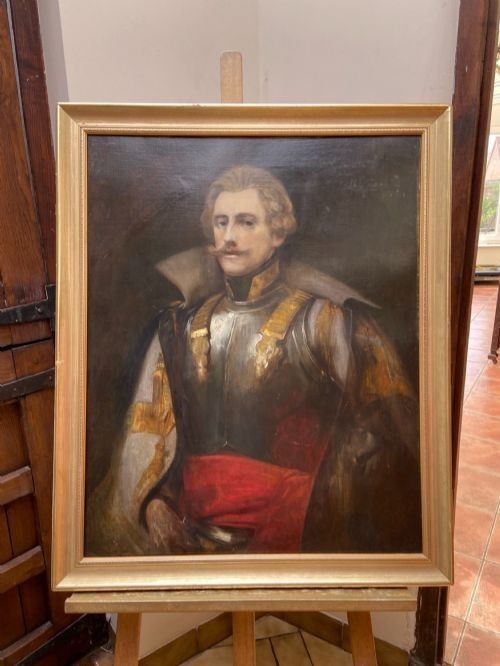
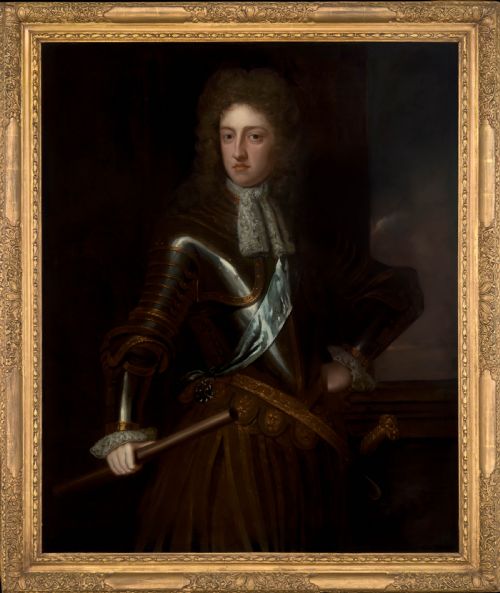
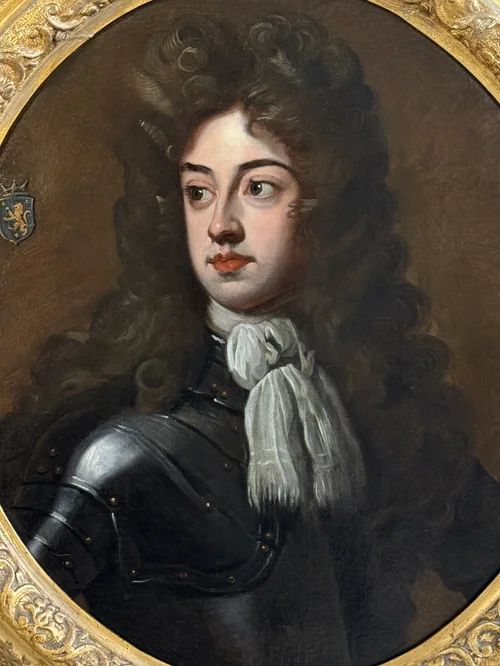
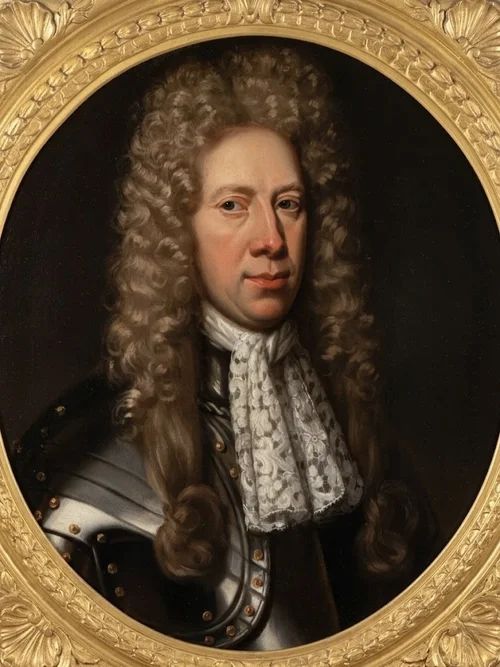
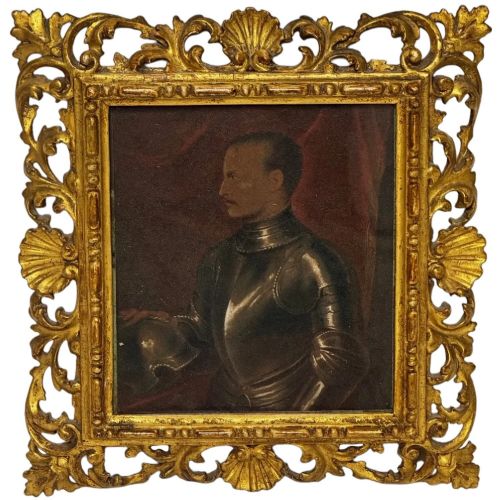
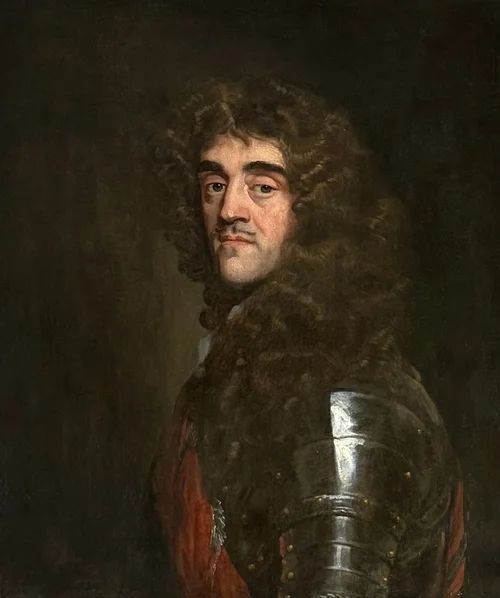
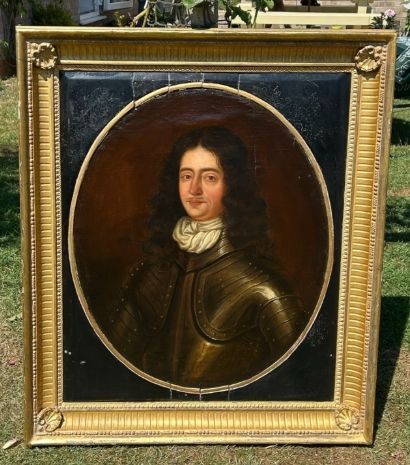
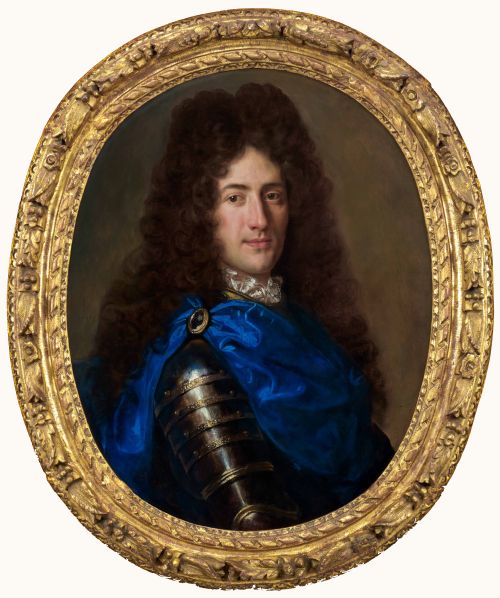
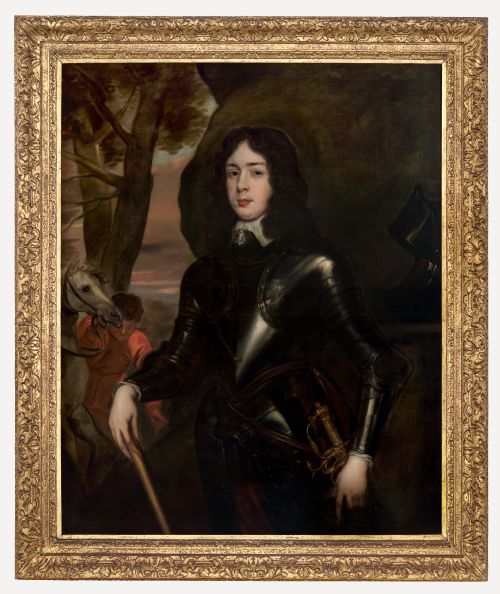
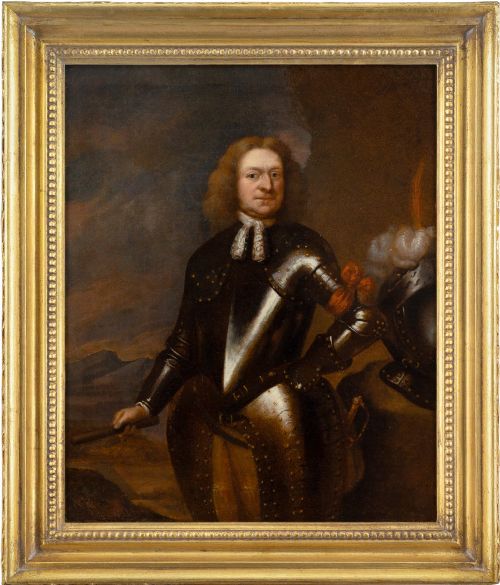
When searching for an antique armour painting, buyers encounter oil on canvas portraits depicting military officers, noblemen, and royals dressed in steel plates and period attire. These works span from the seventeenth century through the nineteenth century, including seventeenth-century baroque depictions and later revivals.
The most common examples on this page are seventeenth-century and eighteenth-century oil paintings showing half-length or full-length subjects in steel cuirasses, gorgets, and lace cravats. Alongside traditional portraiture, the selection includes related media such as hand-painted stained glass windows featuring knights.
Materials and technique
These works are executed in oil paint on woven canvas supports, often housed within period giltwood frames that complement the grand scale of the portraiture. The technique relies on layering oil pigments to render the reflective sheen of polished steel plates alongside the rich textures of velvet cloaks, red sashes, and lace collars.
Framing materials typically consist of carved wood finished with gold leaf, known as giltwood, which enhances the visual weight of the canvas. In specific decorative examples from later periods, hand-painted details are applied directly to leaded glass panels.
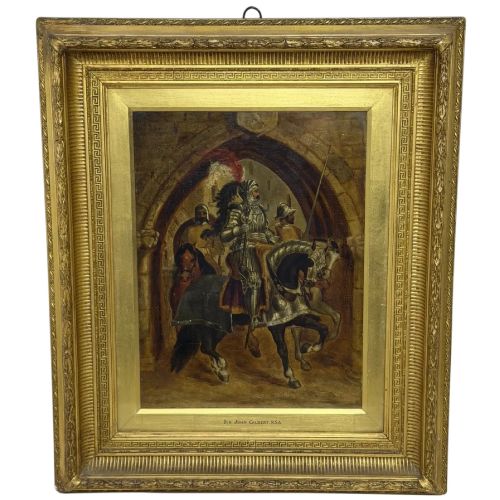
Several noble sitters share space on canvas with horses, grooms, and occasionally a small dog watching the battle from afar.
Assessing quality
Quality in these portraits rests upon the precision of the brushwork in rendering facial likenesses and the convincing reflection of light across metallic surfaces. Superior examples demonstrate a careful balance between the softer textures of skin and fabric and the hard gleam of the steel plate.
The distinction between primary studio execution and later follower work or revival pieces often dictates the depth of historical presence in the composition. Works originating closely to documented portraitists display superior anatomical handling and more sophisticated integration of background drapery and landscape.
Sir Godfrey Kneller·John Scougall·John Greenhill·Joseph Vivienne·Michael Dahl·Jean Baptiste Santerre·Pierre Mignard·Louis Tocque·William Aikman
The Antique Armour Painting Glossary
- Cuirass
- A piece of armour consisting of a breastplate and backplate fastened together. This metal defence forms the central element of military protection seen across seventeenth-century portraiture.
- Giltwood
- Wood that has been carved and covered with a thin layer of gold leaf. This material is standard for the ornate frames enclosing these historical canvases.
- Baroque
- An artistic style prevalent during the seventeenth and eighteenth centuries characterised by drama, deep shadow, and grand scale. Paintings from this movement often utilise theatrical lighting to emphasise the subject's armour.
- Gorget
- A piece of armour that protects the throat. It frequently appears in later military portraits as a smaller remnant of a full suit of steel.
- Oil on Canvas
- A painting medium where pigments are suspended in drying oils and applied to a stretched cloth surface. This combination provides the durability and tonal range characteristic of old master portraits.
Antique Armour Painting: Frequently Asked Questions
What is an antique armour painting?
An antique armour painting is a historical portrait depicting a sitter wearing steel military protection, typically produced during the seventeenth, eighteenth, or nineteenth centuries. These works serve as both fine art and historical documents recording military rank and nobility.
Subjects often include generals, dukes, and monarchs portrayed with symbols of authority, such as sashes or batons, alongside their steel cuirasses.
Who painted these portraits?
These canvases were created by portrait painters working within European court circles, established studios, or regional schools of art. Many surviving works originate from prominent seventeenth-century workshops or later nineteenth-century revival movements.
Artists frequently depicted sitters from life or produced studio copies after established masters like Sir Anthony van Dyck.
How do you date an armour painting?
Dating relies on analysing the style of the portrait, the cut of the sitter's clothing, and the specific design of the plate armour depicted. Armour styles evolved rapidly between the English Civil War and the eighteenth century, providing clear chronological markers.
Additionally, the canvas type, stretcher construction, and the style of the accompanying giltwood frame offer further clues to the period of creation.
Where should you hang these paintings?
These substantial works suit traditional reception rooms, libraries, or studies where their dark tones and gilt frames complement period interior architecture. Proper placement avoids direct sunlight to protect the oil pigments and canvas support.
Maintaining stable humidity levels is essential for preserving both the historical canvas and its original wooden frame.