





Carved Marble Portrait Head
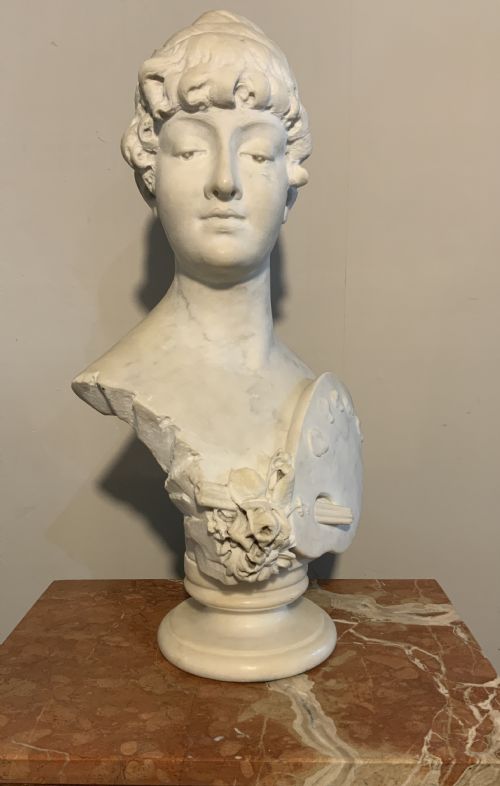
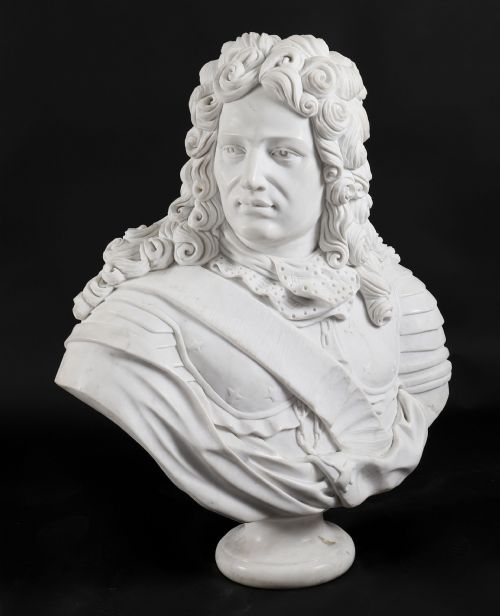
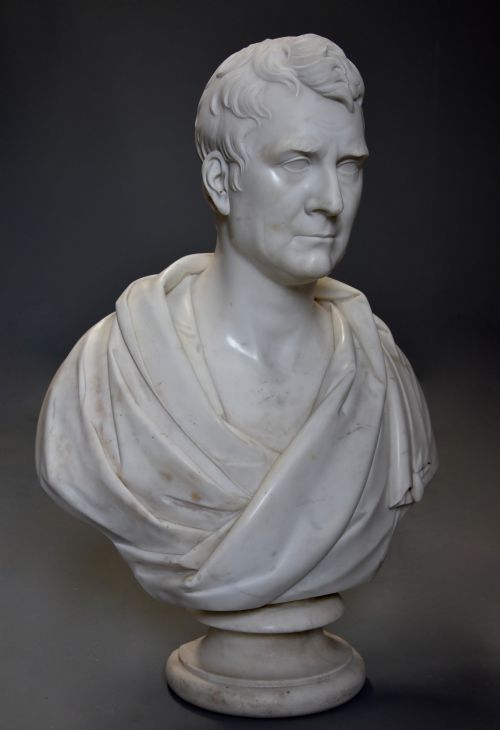
A carved marble portrait head brings the gravitas of classical sculpture into a room, capturing historical figures and classical muses with enduring presence.
Carved Marble Portrait Head
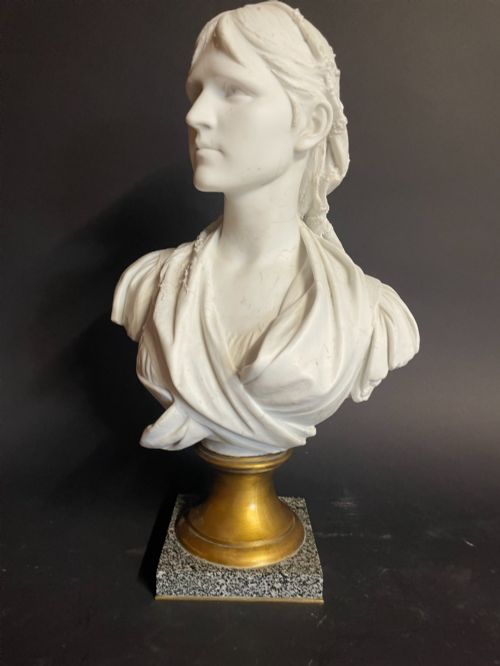
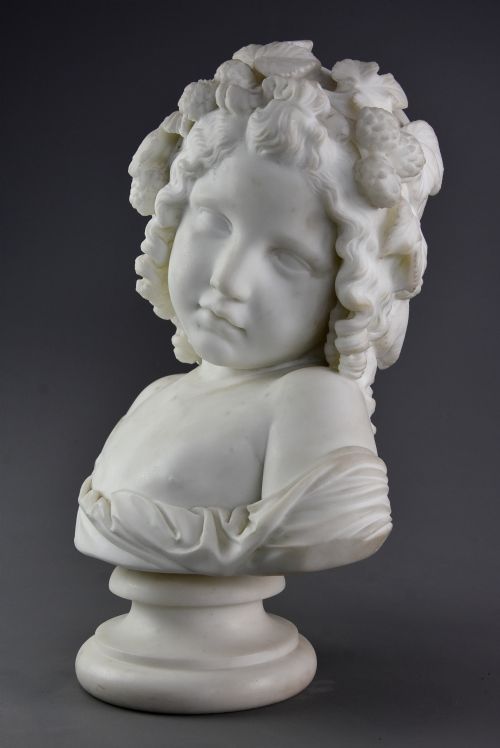
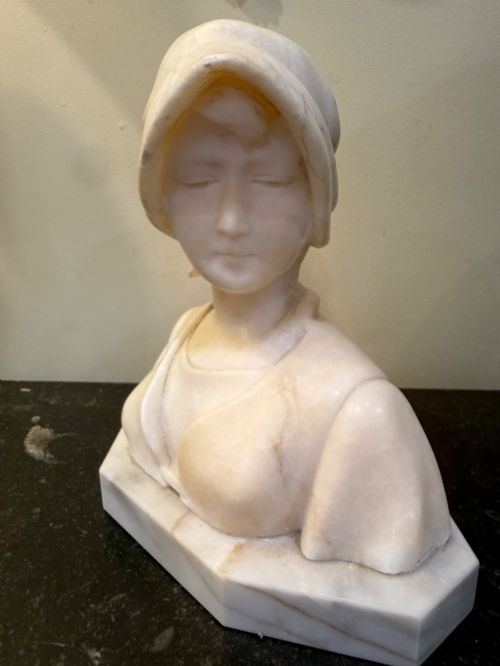
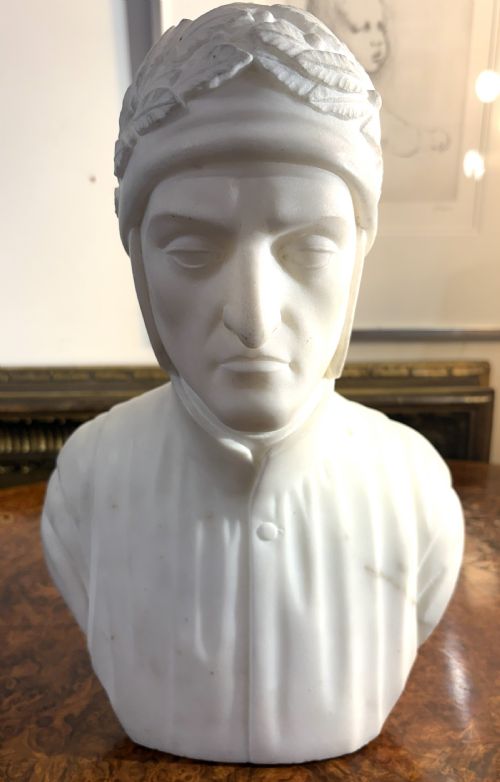
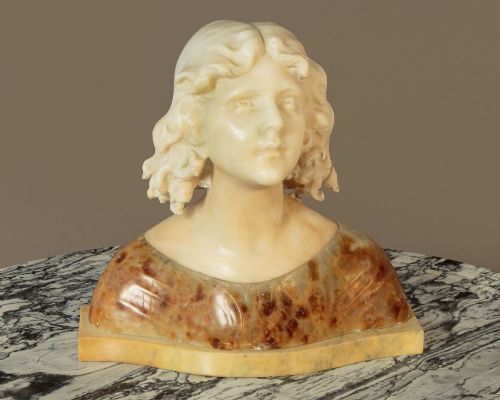
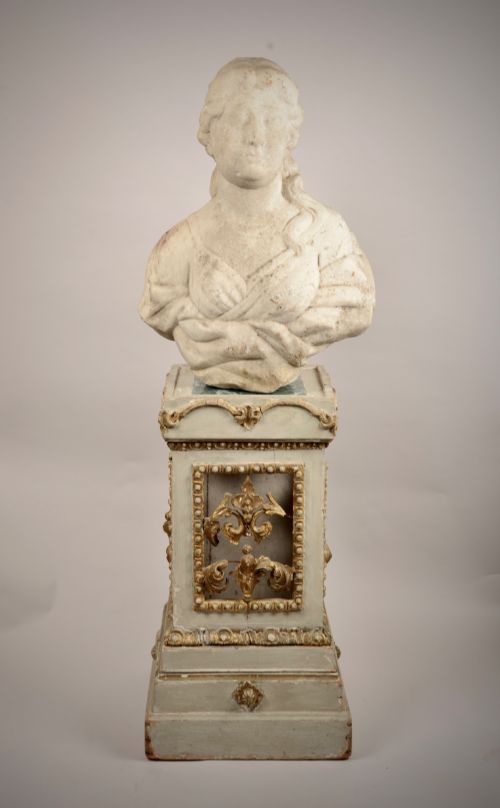
A carved marble portrait head represents human likeness carved from stone, spanning classical subjects, historical nobility, and literary figures. These works take the form of portrait busts and relief sculptures, depicting subjects from Roman emperors and Greek muses to Victorian gentlemen and young ladies.
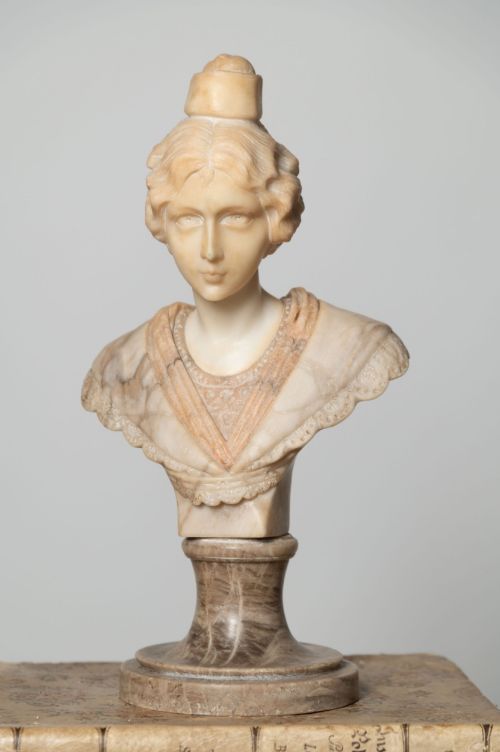
The pieces appearing most frequently on this page originate from the nineteenth century, though examples stretch from the seventeenth century into the twentieth century. Italian workshops and French studios supply a large proportion of these sculptures, alongside English and Polish pieces executed in stone, alabaster, and various marbles.
Makers carve these portrait heads to capture individual character, dignity, and classical ideals. Collectors encounter library busts of figures like Dante alongside monumental civic portraits of politicians and philosophers.
How they were made
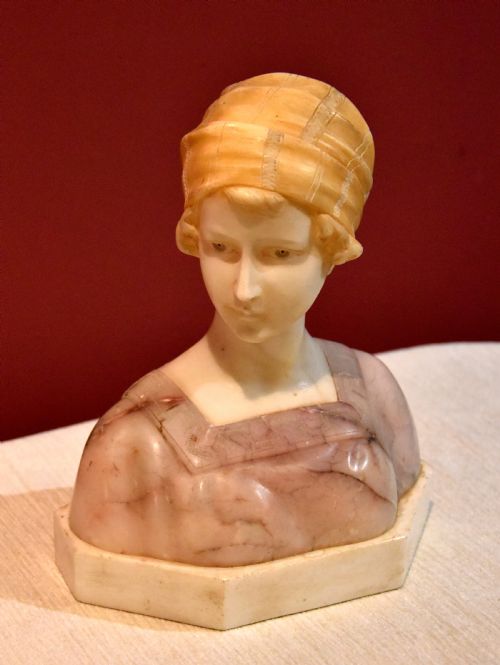
Scultpors work primarily in white marble, Carrara marble, and alabaster, sometimes mounting the finished heads on contrasting bases such as Vert de Mer marble, wood, or brass. These stones allow for fine detailing in hair, drapery, and facial expression.
Artists shape the material using chisels, rasps, and drills to carve the likeness from solid blocks of stone. Many pieces receive a smooth polish across the flesh tones while leaving hair or garments with more textured finishes.
Signatures, when present, are incised directly into the stone by the hand of the sculptor. Some works combine marble with ormolu mounts or mixed marbles to achieve decorative contrast.
Roman emperors share shelf space with Neoclassical muses and veiled ladies.
What varies in quality
The depth of carving and anatomical precision determine the visual strength of a portrait head. Master carvers capture subtle shifts in muscle structure, the texture of hair, and the fall of fabric with convincing realism.
The choice and purity of the stone affect the final presence of the sculpture. Uniform Carrara marble or translucent alabaster allows light to penetrate the surface in a way that common stone cannot match.
Signed works by documented sculptors carry greater historical weight than unsigned studio pieces. The sensitivity of the expression and the balance of the proportions distinguish standard decorative sculpture from exceptional portraiture.
Houdon·J Francis·Auguste Henri Carli·John Wenlock Rollins·Mieczyslaw Leon Zawiejski·G.V. Vaerenbergh·Auguste Moreau
The Carved Marble Portrait Head Glossary
- Carrara marble
- A type of white or blue-grey marble from the city of Carrara in Italy, prized by sculptors for its fine and uniform grain.
- Alabaster
- A fine-grained mineral often used for sculpture, softer than marble and possessing a distinctive semi-translucent quality.
- Relief sculpture
- Wall-mounted or architectural work where the sculpted figures project from a flat background rather than existing in the round.
- Ormolu
- Gilt bronze mounts applied to furniture or sculpture bases to provide decorative metallic contrast against stone.
- Library bust
- A smaller scale portrait head designed for interior display on bookshelves or desks rather than monumental public installation.
Carved Marble Portrait Head: Frequently Asked Questions
Where should I display a marble bust?
These sculptures suit strong architectural positions such as heavy mantelpieces, sturdy console tables, or dedicated pedestals. Their substantial weight requires stable placement on surfaces capable of supporting solid stone.
Positioning them away from direct heat sources and harsh sunlight protects the polished surface of the marble over time.
How do I clean carved marble?
Dusting with a soft, dry cloth removes everyday accumulation without disturbing the porous surface of the stone. Moisture should be kept to a minimum to prevent water marks from forming on unsealed alabaster or older marble.
Harsh chemical cleaners will strip the historic polish and damage the stone permanently.
How can I date a stone bust?
Stylistic clues within the clothing, hairstyle, and facial hair often point toward specific periods such as the Neoclassical era or the Victorian age. Inscribed dates, signatures, and the type of base provide further chronological markers.
The tool marks left on the underside or back of the sculpture can also indicate whether hand chisels or later mechanical aids were utilised.
What is the difference between marble and alabaster?
Marble is a metamorphic rock formed from limestone, offering high durability and a dense crystalline structure. Alabaster is a softer mineral that transmits light more readily due to its natural translucency.
Alabaster pieces generally feel lighter and show more susceptibility to surface scratching than their marble counterparts.