




19th Century Marble Portrait
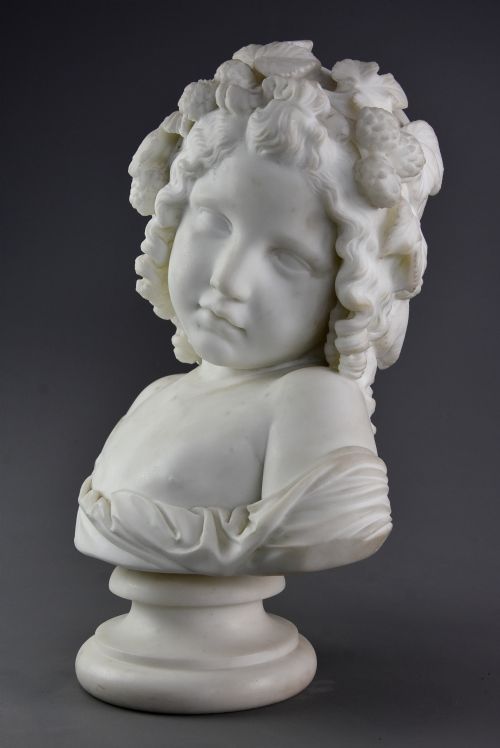
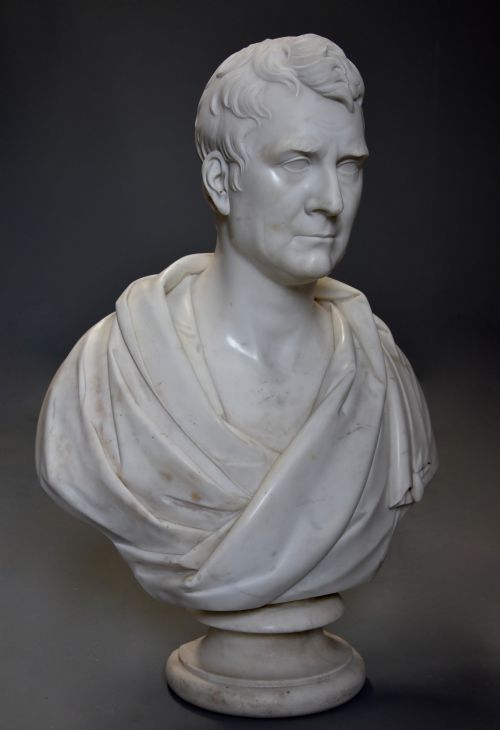
When you search for a 19th century marble portrait, you encounter carved likenesses of historical figures, classical poets, and private sitters that bring neoclassical dignity into domestic spaces.
19th Century Marble Portrait
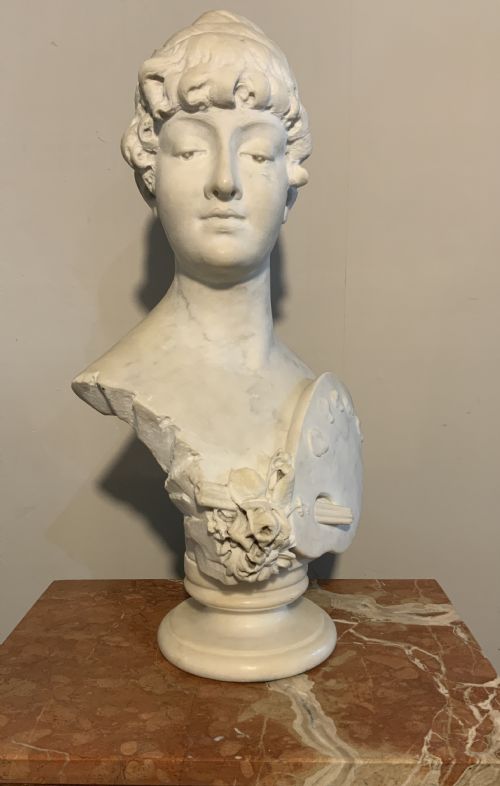
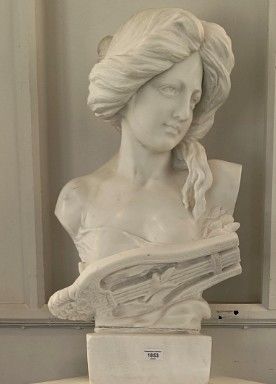
A 19th century marble portrait most frequently appears as a carved white or Carrara marble bust depicting classical deities, literary figures, historical emperors, or contemporary sitters. These pieces draw heavily on Neoclassical, Victorian, and Grand Tour traditions, translating historical prestige into domestic sculptural form.
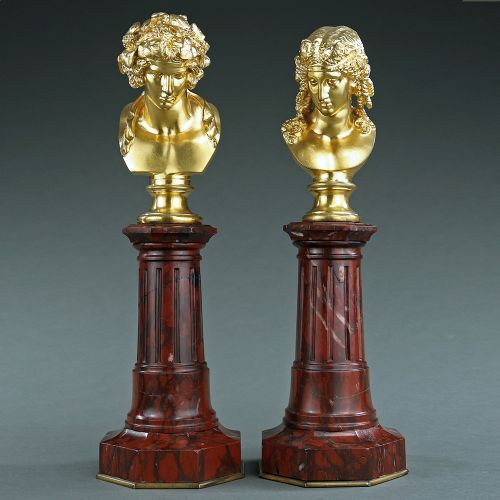
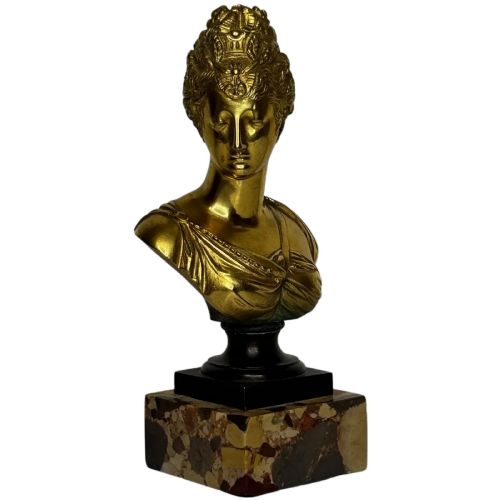
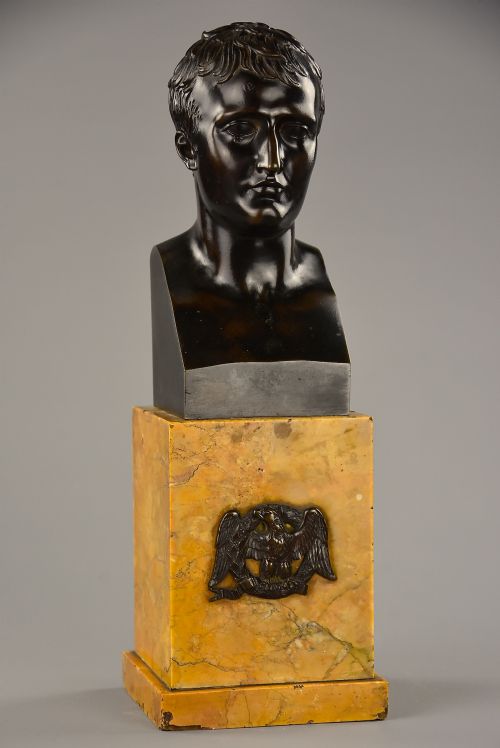
The inventory encompasses standalone busts on pedestals, profile wall plaques, and mixed-media compositions where carved stone intersects with bronze or ormolu mounts. Makers utilised white marble, alabaster, and tinted varieties such as prato verde, producing objects that range from intimate cabinet pieces to substantial interior sculptures.
Materials and Working Methods
Portraits often reflect workshop practices where assistants rough-hewed the stone before master sculptors finished the facial expressions and surface polish. Signatures and stamps incised directly into the marble or bronze elements distinguish signed studio pieces from unsigned Grand Tour souvenirs.
Several portraits immortalise philosophical figures, allowing nineteenth-century owners to host silent dinner parties with Seneca and Hippocrates.
Distinctions in Quality
Quality rests in the anatomical precision of the carving, particularly the subtlety with which eyelids, musculature, and hair strands emerge from the stone. Master carvers achieved realistic texture and lifelike depth, whereas tourist souvenirs made for the Grand Tour trade often display simpler, more generalised forms.
The choice of material and the integration of secondary elements dictate overall refinement. Pure, flawless Carrara marble and finely chased bronze or gilt-metal bases separate ambitious gallery commissions from standard decorative workshop output.
Houdon·J Francis·George Minne·Alajos Strobl·Kasper Hendrik Roskam·Emmanuel Villanis·E. Laurent·Eutrope Bouret·Auguste Moreau
The 19th Century Marble Portrait Glossary
- Carrara marble
- A type of white or blue-grey marble quarried in the city of Carrara in Tuscany, Italy. It served as the primary material for European sculptors throughout the period.
- Grand Tour
- A cultural trip through Europe undertaken by young upper-class men in the eighteenth and nineteenth centuries. Tourists frequently collected small marble and bronze busts as souvenirs.
- Ormolu
- Gilt bronze produced by applying a finely ground high-carat gold-mercury amalgam to a bronze object. The technique creates a rich golden finish seen on portrait bases and mounts.
- Neoclassical
- An artistic movement drawing inspiration from the classical art and culture of ancient Greece and Rome. Sculptors adopted this style to imbue portraits with austere dignity.
- Alabaster
- A fine-grained mineral stone softer than marble, used for translucent portrait sculptures and reliefs. Its softness allowed artisans to carve delicate details with relative ease.
19th Century Marble Portrait: Frequently Asked Questions
What is a Grand Tour portrait?
Grand Tour portraits are smaller sculpted busts or relief plaques acquired by travellers touring European cultural centres during the nineteenth century. They frequently depicted classical philosophers, Roman emperors, or mythological figures.
These pieces served as intellectual keepsakes for domestic display, reflecting the owner's classical education and travels.
How do I identify Carrara marble?
Carrara marble is characterised by its bright white appearance and subtle grey veining running through the stone. It takes a high polish while retaining a slight translucency under strong light.
Examining the unpolished underside or interior surfaces often reveals the crystalline structure unique to this Italian stone.
Are these portraits signed?
Many nineteenth-century marble and bronze portraits bear incised signatures, monograms, or foundry stamps near the base or on the truncation of the shoulder. Signed works typically indicate documented studio production rather than anonymous souvenirs.
Signatures help attribute pieces to specific European sculptors and workshops active during the period.
How should I display a marble bust?
Marble busts require a stable, level surface capable of supporting considerable weight, as solid stone and bronze compositions are exceptionally heavy. Positioning them on dedicated pedestals or sturdy tables ensures safety.
Keep stone sculptures away from direct heat sources and direct sunlight to protect the surface finish and any patinated metal mounts.