




Carved Marble Female Figure
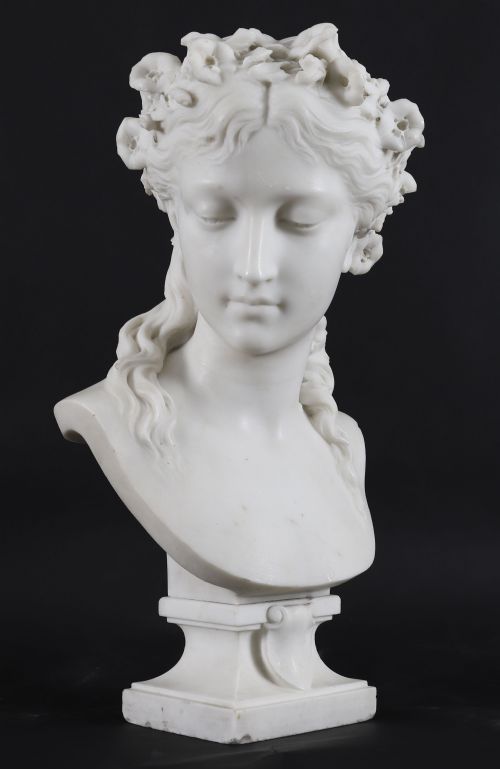
A carved marble female figure brings the presence of classical mythology, portraiture and allegorical grace directly into a room.
Carved Marble Female Figure
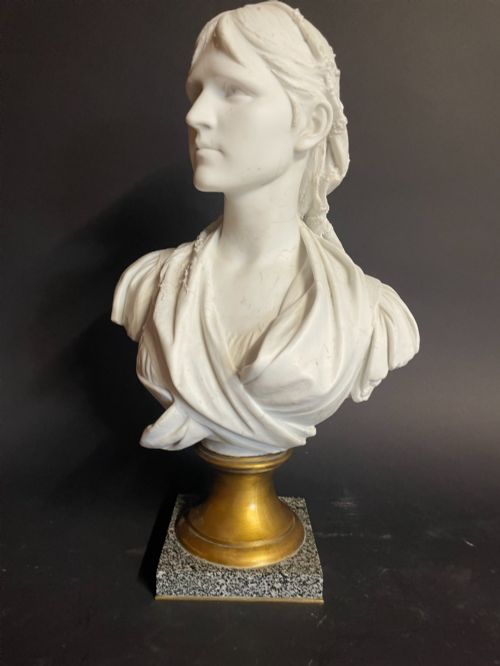
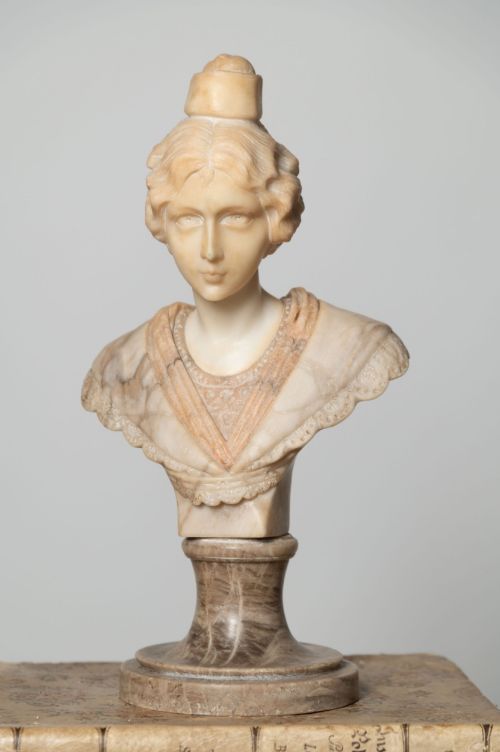
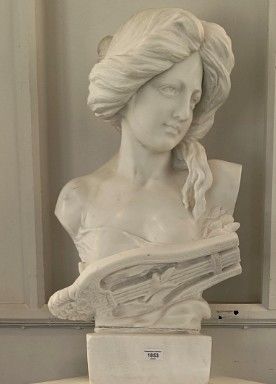
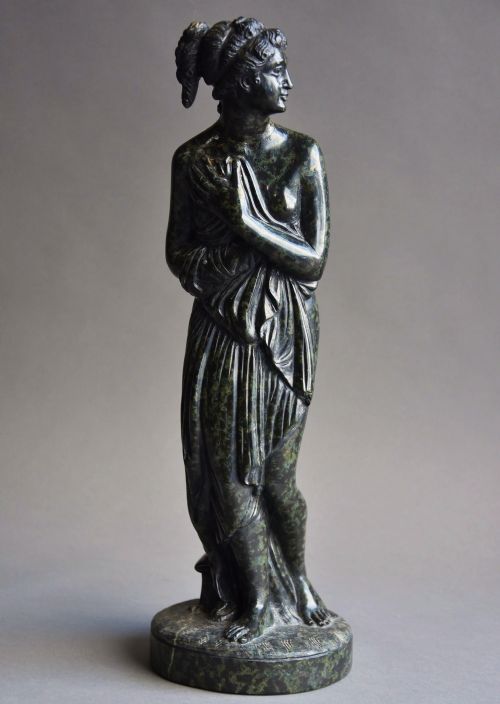
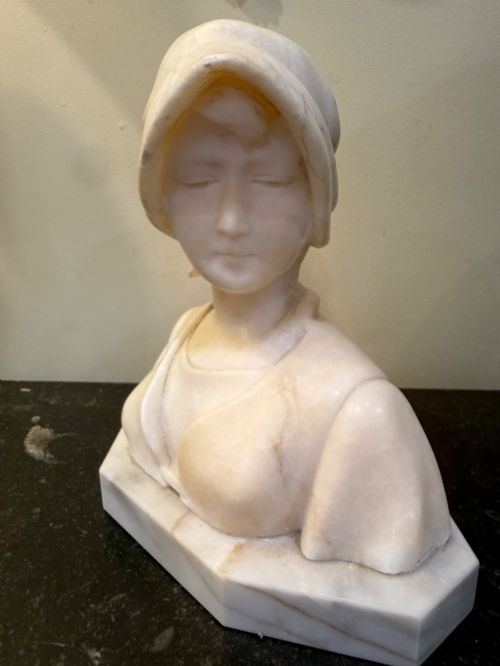
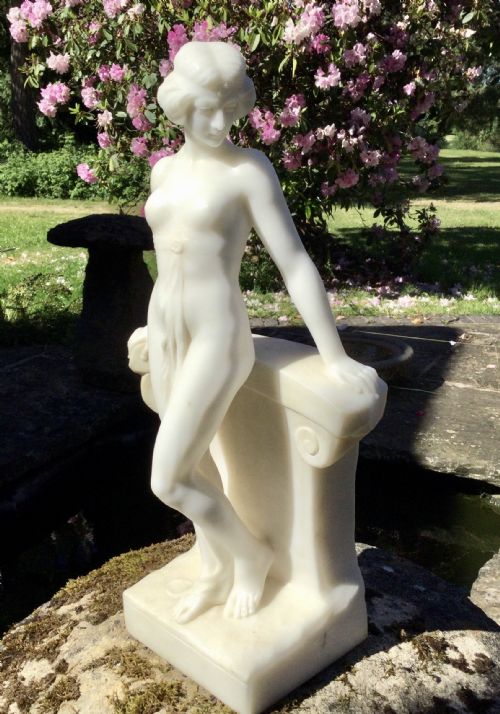
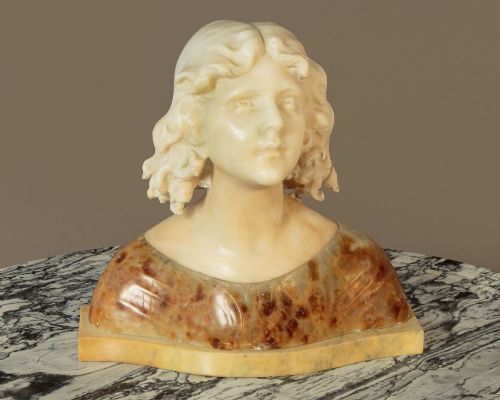
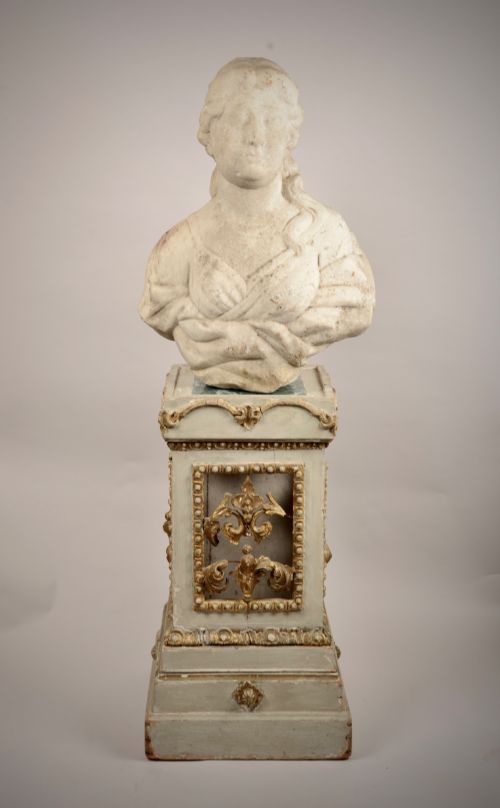
When you search for a carved marble female figure, you encounter works ranging from classical maidens and mythological muses to portraits of young women and allegorical figures. The version you are most likely to meet on this page is a nineteenth-century bust or full-length statue, originating from workshops in Italy and France.
Many of these pieces draw inspiration from classical antiquity, including Grand Tour reductions after ancient statuary or Neoclassical interpretations of goddesses and heroines. Others reflect later nineteenth-century tastes, capturing contemporary hair, drapery and expressions through the lens of Victorian, Art Nouveau or Arts and Crafts sensibilities.
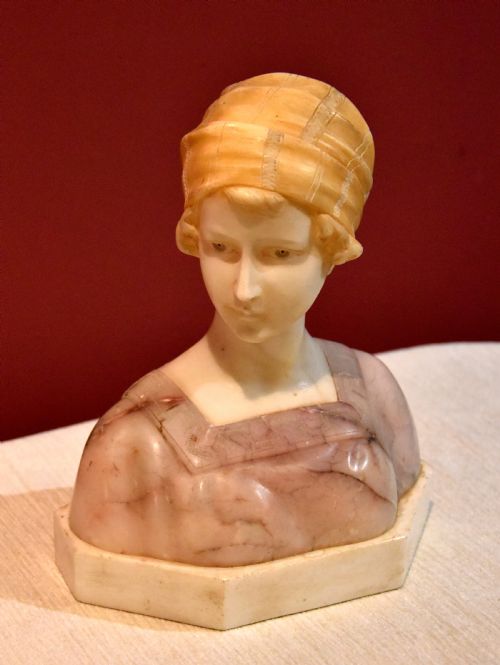
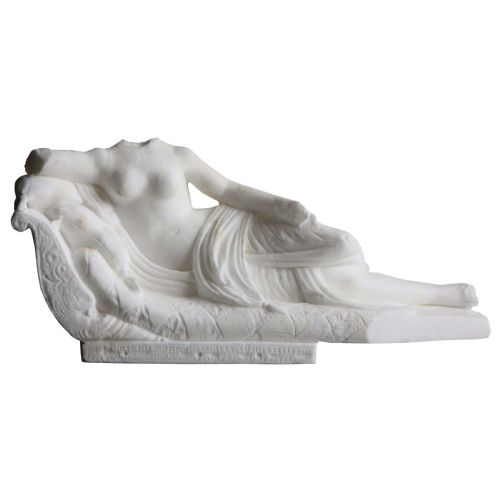
The subjects span from named figures such as Venus, Erato and Hestia to anonymous young girls, musicians and dancers. They appear as standalone sculptures, cabinet busts mounted on socles, or reclining nudes combined with contrasting base materials like bronze, ormolu or coloured marble.
Materials and Techniques
These works rely primarily on white marble, Carrara marble and alabaster, chosen for their fine grain and capacity to hold delicate detail. Sculptors shaped these stones using chisels, rasps and abrasive powders to achieve smooth skin tones and crisp folds of drapery.
Many pieces incorporate mixed media, pairing white carved stone with metal elements such as bronze and brass, or mounting the figures upon bases of vert de mer, portoro or rouge marble. Signed examples often show the signature carved directly into the stone or cast onto an attached metal plaque.
Several ladies in these listings hold musical instruments, wheat sheaves or are caught bathing, proving that even solid stone occasionally enjoys a day off.
Craftsmanship and Expression
Quality rests in the sensitivity of the carving, particularly in the rendering of facial expression, hair texture and the fall of fabric. The finest works display subtle gradations of plane across the cheeks and shoulders that give the stone a lifelike warmth.
The selection of the material itself dictates much of the character, with pure statuary marble and translucent alabaster offering depth that lesser, heavily veined or plain stone obscures. Signed works by recognised sculptors demonstrate superior command of proportion and anatomical balance.
Antonio Canova·Eugene Aizelin·Auguste Henri Carli·Carrier Belleuse·Fritz Kochendorfer·Gugielmo Pugi·Auguste Moreau·Gory Paris
The Carved Marble Female Figure Glossary
- Bust
- A sculpture representing a person from the chest or shoulders up. This format was especially popular in nineteenth-century portraiture and classical revivals.
- Grand Tour
- A term for souvenirs acquired by travellers exploring cultural sites in Italy and France during the eighteenth and nineteenth centuries. These smaller marble figures recreated famous ancient sculptures for private homes.
- Socle
- A short plinth or pedestal supporting a bust or statue. They are frequently made of a contrasting coloured marble to highlight the main figure.
- Alabaster
- A fine-grained stone used for carving, softer than marble and prized for its translucent quality. It allows light to penetrate slightly beneath the surface.
- Neoclassical
- A style reviving the forms and aesthetics of ancient Greece and Rome. It dominates much nineteenth-century sculpture through restrained emotion and classical drapery.
Carved Marble Female Figure: Frequently Asked Questions
What is a Grand Tour figure?
A Grand Tour figure is a reduced-scale copy of a celebrated classical sculpture, acquired by travellers exploring European cultural centres during the nineteenth century. These pieces allowed collectors to bring museum-scale antiquities into domestic interiors.
They are typically carved from white marble or alabaster, often mounted on distinct bases, and serve as tactile links to classical antiquity.
How do alabaster and marble differ?
Alabaster is a softer, finer-grained stone than marble, possessing a natural translucence that allows light to pass slightly beneath its surface. Marble is harder, denser and more durable, offering crisp detail retention over centuries.
Sculptors utilised alabaster for soft, glowing effects in indoor figures, while marble suited both interior portraits and exterior garden statues.
Where should I display a marble bust?
A marble bust requires a stable surface at or near eye level, such as a sturdy console table, pedestal or mantelpiece. Placing the piece where natural light catches the contours of the face will emphasise the depth of the carving.
Ensure the supporting furniture can bear the substantial weight of solid stone and keep the sculpture away from direct heat sources.
How do I identify the period of a sculpture?
Dating relies on stylistic clues such as the hairstyle, clothing, signature format and the choice of base materials. Neoclassical and Victorian pieces often lean towards severe classical drapery, while Art Nouveau examples introduce flowing lines and organic motifs.
Signatures, foundry marks and the type of marble used also provide direct evidence of nineteenth-century or early twentieth-century origins.