




Carved Mahogany Standing Clock
These carved mahogany standing clock pieces combine precision timekeeping with architectural presence, offering a focal point for any interior.
Carved Mahogany Standing Clock
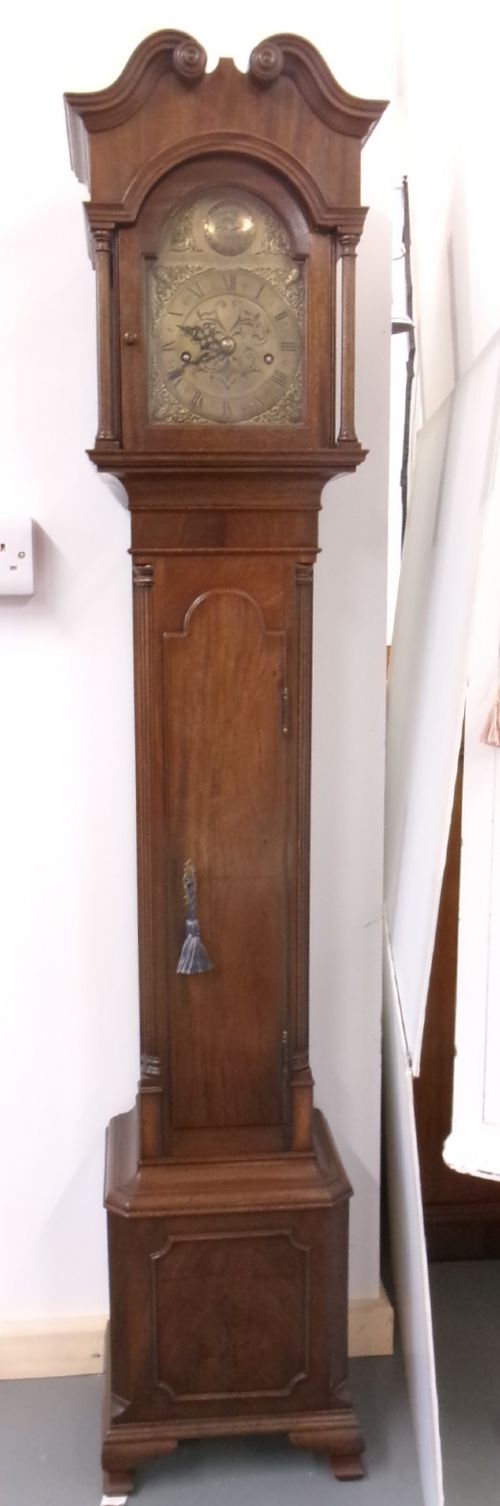
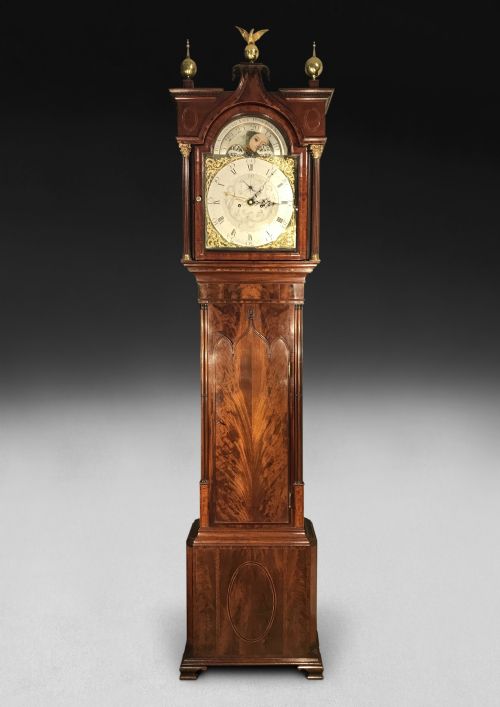
A carved mahogany standing clock stands tall in rooms, functioning as both a precision timepiece and a substantial cabinet piece. When you search for carved mahogany standing clock, you meet various forms including grandfathers, smaller grandmothers, and granddaughters from the 18th century, 19th century, and Edwardian periods.
The evidence shows these clocks appearing in styles ranging from early Georgian and George III to Chippendale Revival and Victorian. Maker signatures also emerge in the records, such as Henry Smith and Price Evans of Salop, alongside Welsh moonphase and Scottish examples.
Tall longcase proportions dominate the selection, whilst miniature longcases and narrower grandmothers offer similar architectural detail on a reduced scale. Dial arrangements frequently feature painted metal faces, penny moons, and musical or chiming mechanisms spanning eight-day and nine-tube configurations.
Distinctions in quality
Complexity of the movement, such as eight-day durations, musical chimes, and nine-tube arrangements, distinguishes higher tier clocks from simpler timepieces in the range.
Carved Mahogany Standing Clock Retail Price Guide 2026
Typical asking prices for carved mahogany standing clock among the pieces listed under this phrase on Sellingantiques today, from the lower quarter to the upper quarter. They describe what is for sale here now, not the wider market.
Materials recorded across the inventory include mahogany, oak, brass, glass, steel, and painted metal.
Henry Smith·Price Evans of Salop
The Carved Mahogany Standing Clock Glossary
- Longcase clock
- A tall, floor-standing pendulum clock enclosed in a wooden case. It is also commonly referred to as a grandfather clock.
- Penny moon
- A painted lunar calendar disc positioned on the dial to track the phases of the moon. This feature appeared frequently on 18th-century and 19th-century dials.
- Grandmother clock
- A smaller, more slender version of the traditional longcase clock, typically produced during the 20th century or late Victorian and Edwardian periods.
- Fusee movement
- A conical pulley mechanism that ensures even tension on the gear train as the mainspring unwinds. This system improves timekeeping accuracy across the duration of the wind.
- Chippendale style
- A decorative design inspired by the 18th-century cabinetmaker Thomas Chippendale, characterised by intricate carving and robust proportions. Revival versions appeared heavily in the late 19th and early 20th centuries.
Carved Mahogany Standing Clock: Frequently Asked Questions
What is a grandmother clock?
A grandmother clock is a smaller, more slender version of the traditional longcase clock. They generally measure shorter than standard grandfather clocks while retaining similar mechanical complexity.
These compact pieces suited smaller domestic spaces in the Edwardian period and the early 20th century without sacrificing the presence of a tall wooden case.
How do I spot a Chippendale style clock?
Chippendale style clocks display carved wooden ornamentation influenced by 18th-century cabinet design. You will notice rich mahogany surfaces and classical architectural details.
Many examples in this style date from later revival periods in the late 19th and early 20th centuries rather than the 1700s.
Where should I place a standing clock?
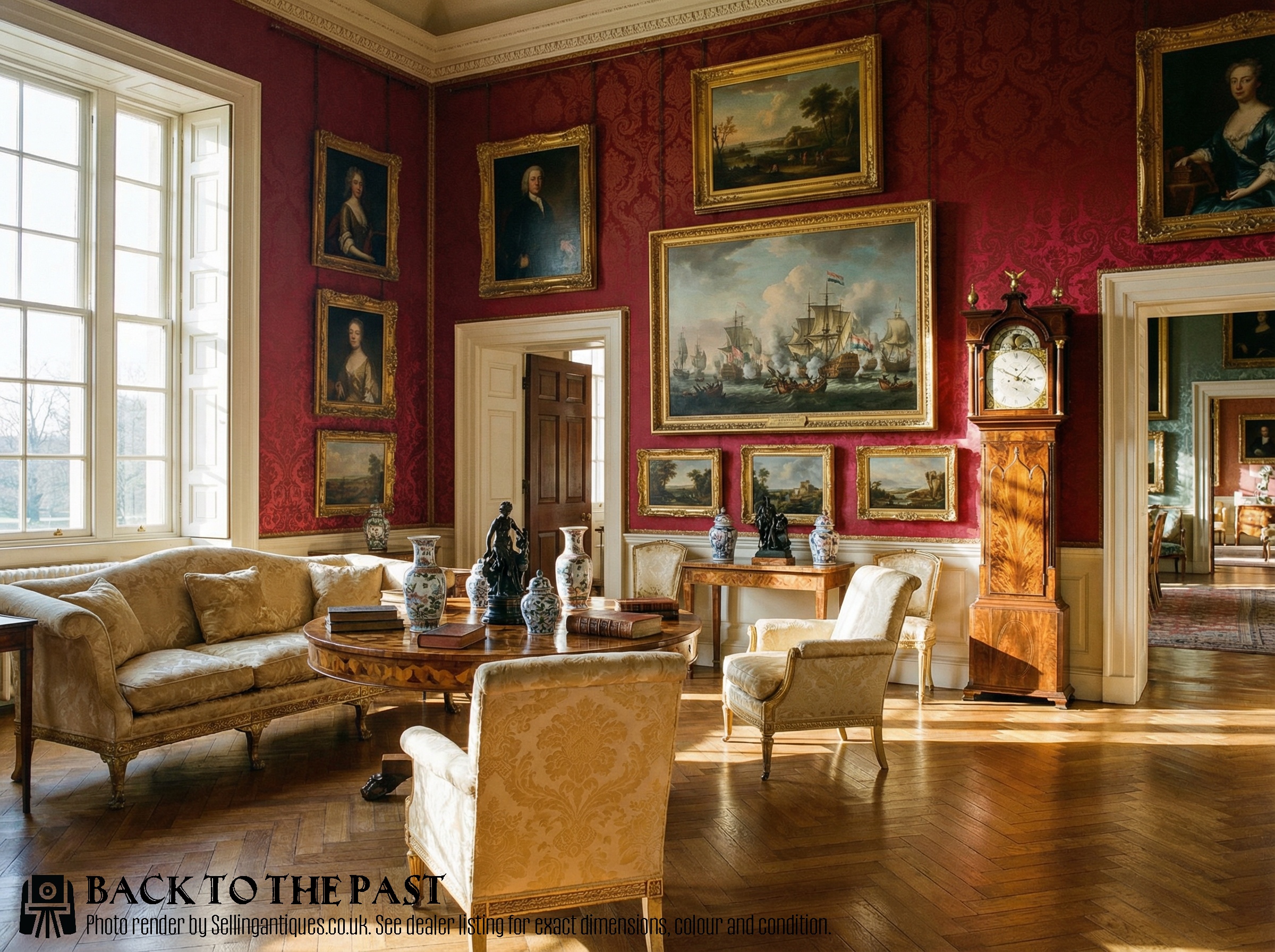
Standing clocks require stable, level flooring away from direct sunlight and heavy temperature fluctuations to keep the pendulum swinging truly. Hallways, landings, and principal reception rooms provide traditional settings where their height can be appreciated.
Ensure adequate clearance for the hood door to open safely when winding the weights or setting the hands.