

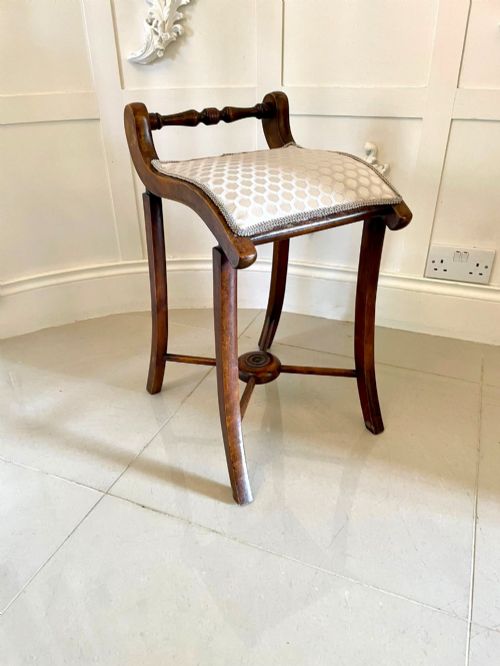
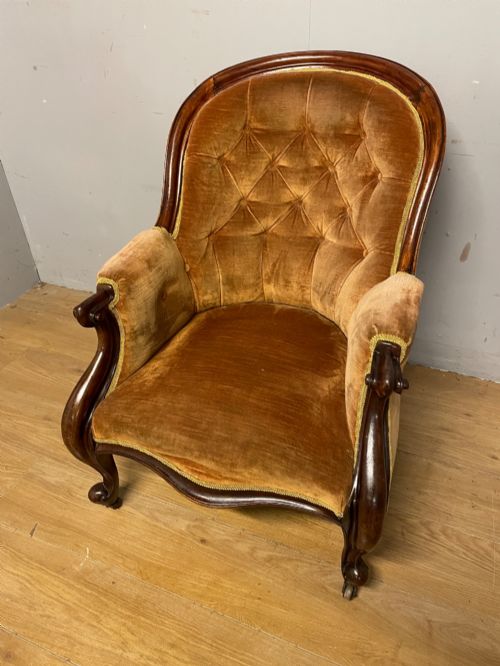
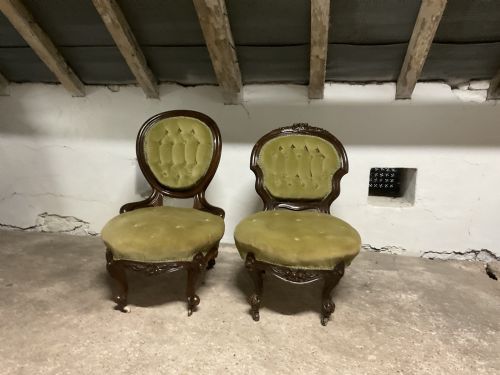
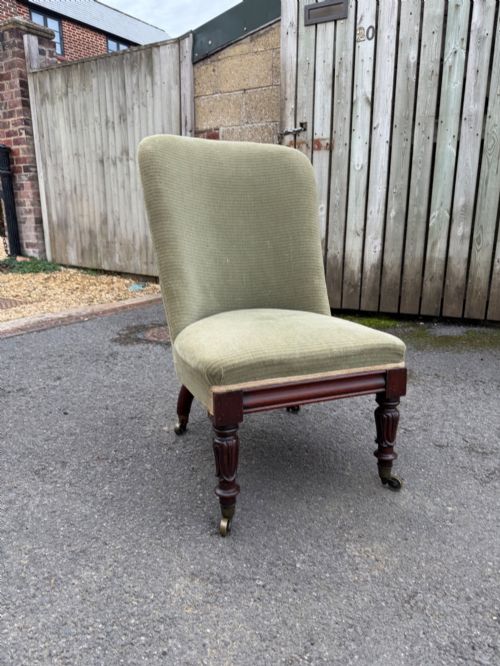
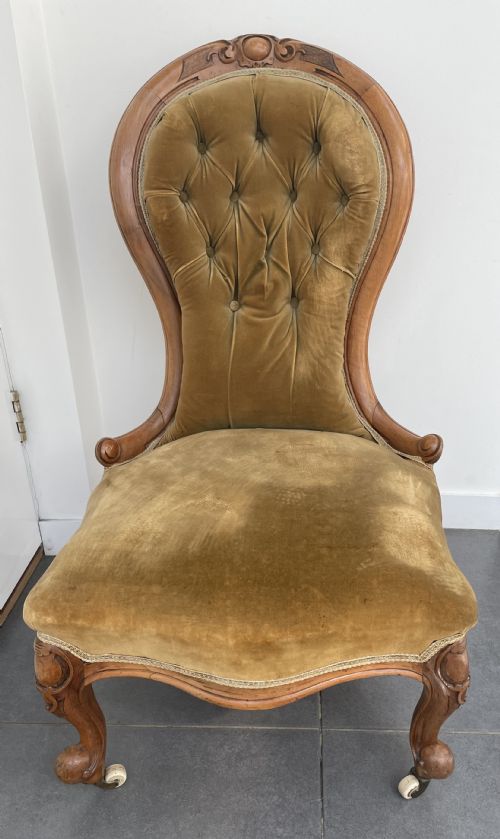
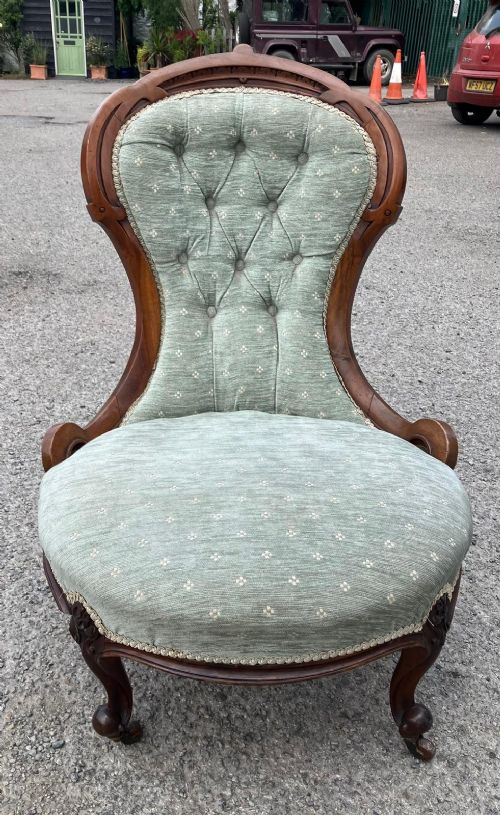
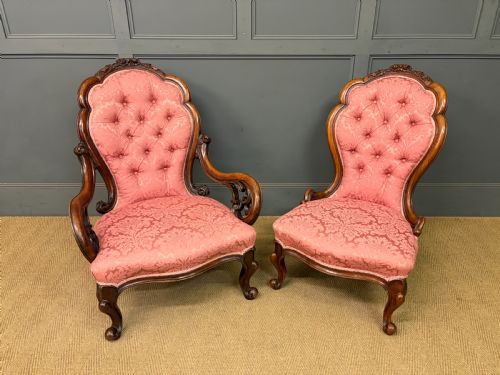
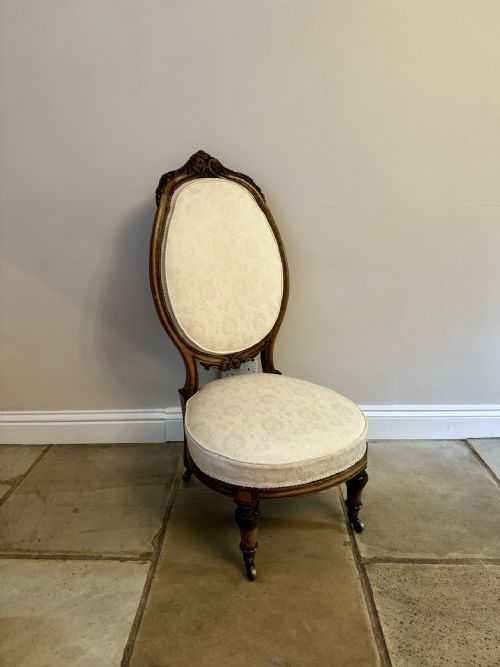
Carved Low Chair
These carved low chair examples bring intimate Victorian and Georgian seating to firesides and bedrooms, offering low profiles designed for comfort and ease.
Carved Low Chair
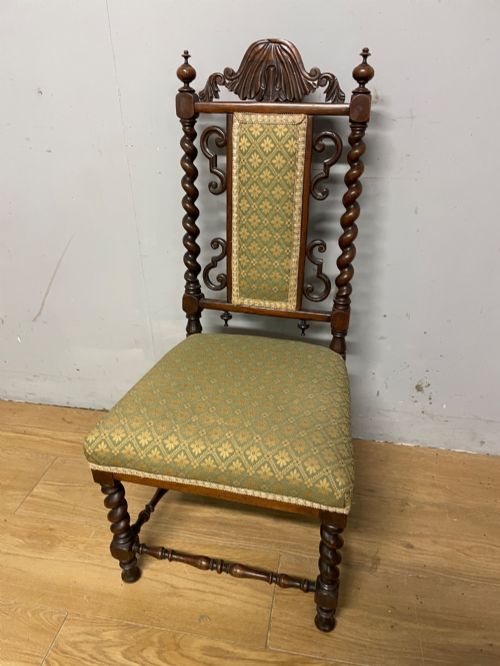
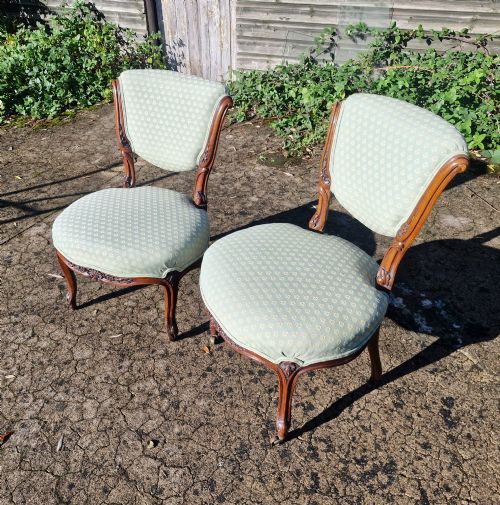
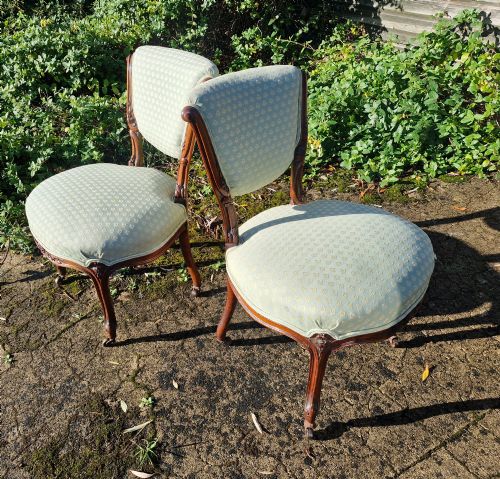
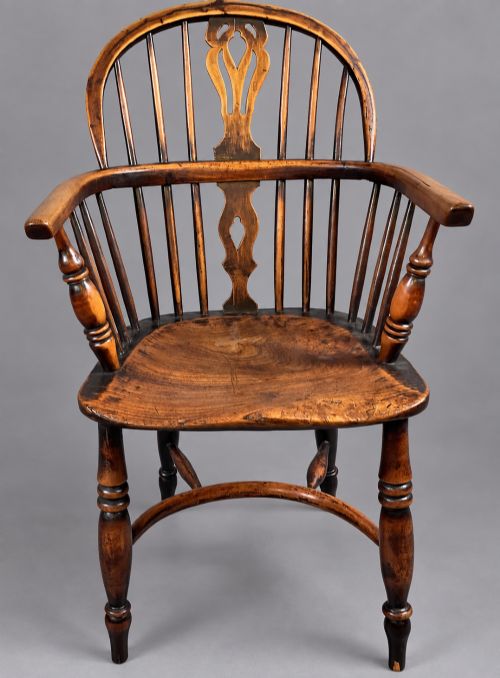
When you search for a carved low chair, you encounter a specialised form of seating designed for specific domestic spaces and lower postures across the nineteenth century. These items span Victorian ladies chairs, nursing chairs, slipper chairs, and prayer chairs alongside earlier Georgian and mid-nineteenth century Windsor variations.
The selection on this page centres heavily upon Victorian walnut and mahogany frames, often featuring low seats paired with carved backs and upholstered pads. You also find occasional pieces from the Edwardian period and regional country workshops executed in ash, elm, and yew wood.
Form follows function closely in these examples, from the enclosed tub and captain's chairs to open-framed salon and music seats. Each type serves a distinct nineteenth-century domestic requirement, whether for dressing, reading, or parlour entertaining.
How they were made
Cabinet makers utilised dense hardwoods such as mahogany, walnut, and ebony to support intricate hand-carved details on frames and legs. Regional makers relied on native timbers like ash, elm, and yew, turning spindles and shaping solid wooden seats for everyday strength.
Traditional joinery methods secured low profiles, employing mortise and tenon joints alongside steam-bent components for Windsor and tub backs. Frames were finished with traditional stuff-over upholstery techniques, padding seats and spoon-backs with textiles, velvet, and brass detailing.
Carved Low Chair Retail Price Guide 2026
Typical asking prices for carved low chair among the pieces listed under this phrase on Sellingantiques today, from the lower quarter to the upper quarter. They describe what is for sale here now, not the wider market.
Listings feature periods spanning from Georgian country workshops through Victorian walnut production to Edwardian mahogany styles.
What varies in quality
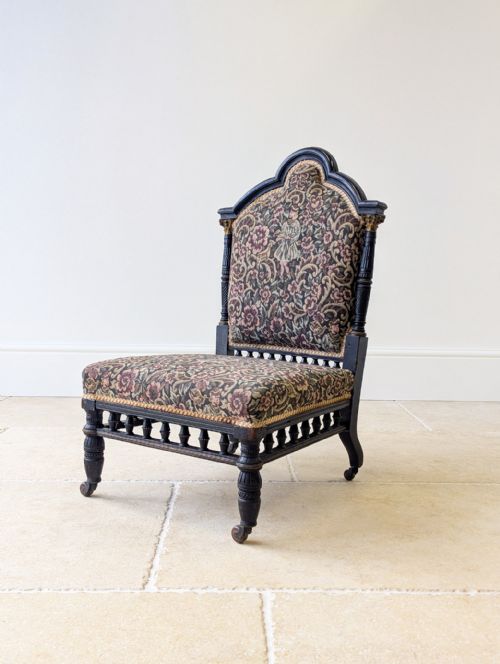
The distinction between standard domestic seating and superior pieces rests in the crispness and depth of the timber carving. Elaborate floral motifs, spoon-backs, and giltwood or ebonised surfaces executed with precision elevate certain walnut and mahogany examples above simpler regional types.
Proportion and structural integrity dictate the standing of a piece, particularly where low seating demands robust joinery despite reduced dimensions. Original timber patination, intact upholstery foundations, and sophisticated stylistic influences such as Aesthetic Movement or Gothic Revival shape the overall character.
The Carved Low Chair Glossary
- Nursing chair
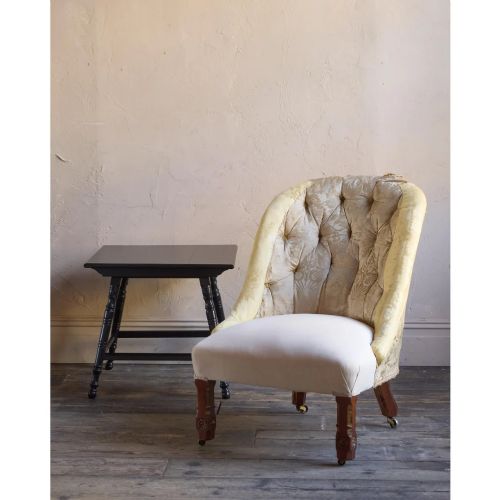
- A low-seated Victorian chair designed originally for feeding infants or personal grooming. These items typically feature padded spoon-backs and generous upholstery above short legs.
- Prie Dieu
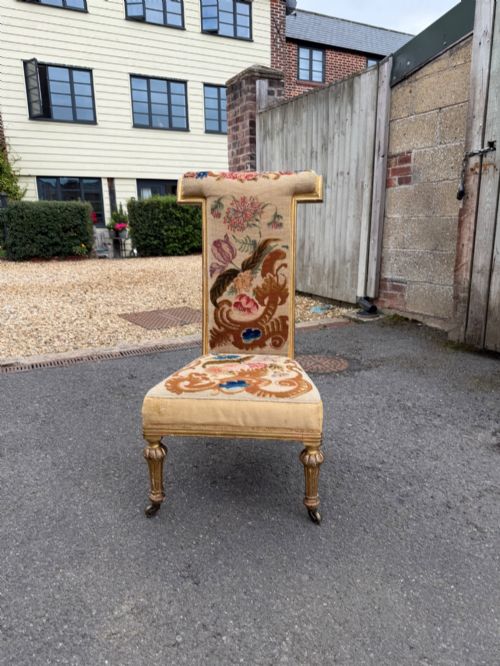
- A devotional prayer chair featuring a tall, narrow back often topped with a small ledge for kneeling or resting arms. These nineteenth-century pieces frequently utilise ebonised wood and velvet upholstery.
- Windsor chair
- A wooden seating form featuring spindles socketed into a solid carved seat. Regional variations include low-back armchairs fashioned from ash, elm, and yew.
- Slipper chair
- An upholstered bedroom chair characterised by its low seat height, designed originally to assist with putting on footwear. These examples often incorporate decorative fringe and patterned fabric.
- Spoon-back
- A curved, concave upholstered backrest shaped like the bowl of a spoon to fit the human form. This design appears frequently on Victorian walnut ladies chairs.
Carved Low Chair: Frequently Asked Questions
What is a low chair used for?
These seats were designed for domestic tasks requiring a lowered posture, such as nursing infants, dressing, or sitting near bedroom firesides.
Their reduced height placed the sitter in a relaxed position, making them popular additions to Victorian bedrooms, dressing rooms, and intimate parlours.
How do I identify a nursing chair?
Nursing chairs are characterised by exceptionally low seats paired with taller, shaped backs that often feature button upholstery or carved walnut frames.
Their compact proportions distinguish them from standard parlour or library seating of the nineteenth century.
What wood was used for these chairs?
Cabinet makers predominantly utilised walnut and mahogany for decorative Victorian and Georgian pieces, frequently applying ebonising or giltwood finishes.
Regional workshops and country makers selected native hardwoods including ash, elm, yew, and oak for Windsor and vernacular seating.
Are these chairs comfortable to use daily?
Many nineteenth-century low chairs offer surprisingly supportive seating due to their ergonomic spoon-backs and padded upholstered pads.
Depending on the internal webbing and padding condition, some examples may benefit from traditional re-upholstery to suit modern seating preferences.