
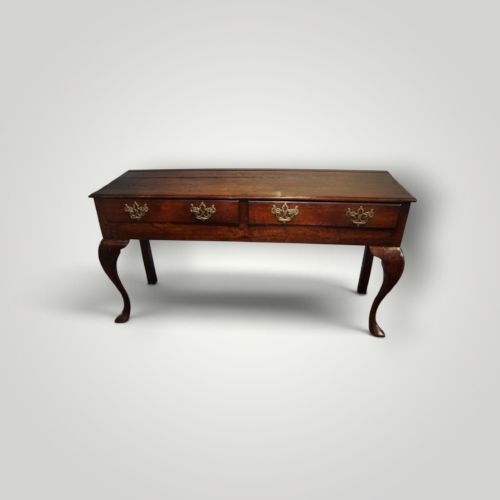
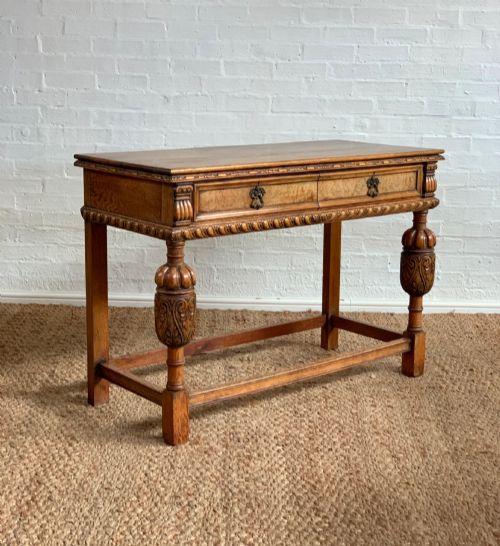
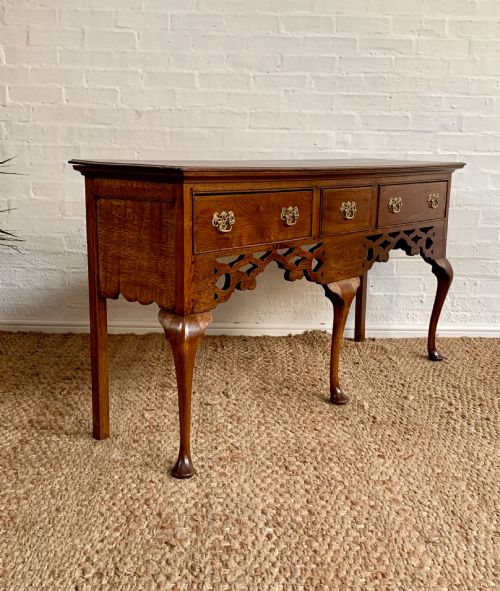
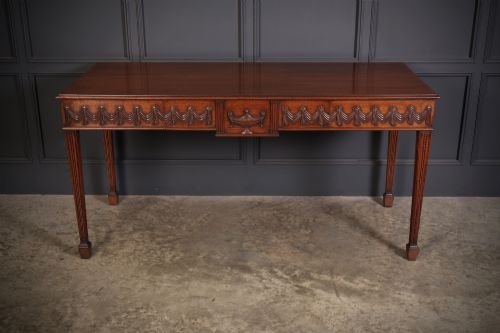
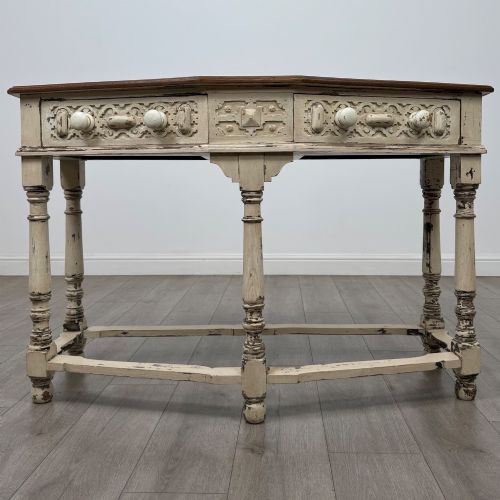
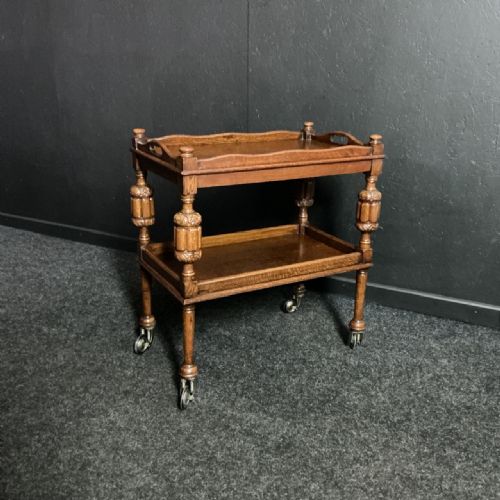
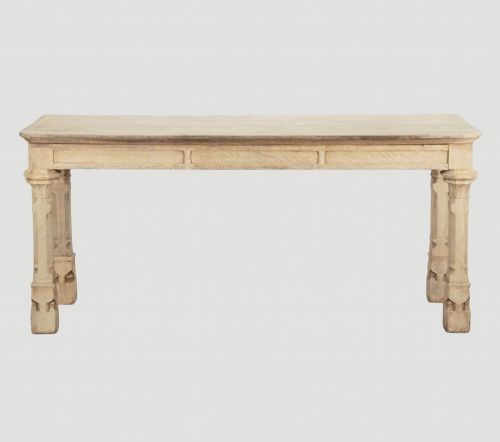
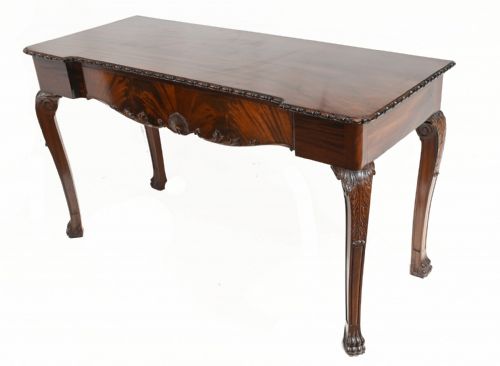
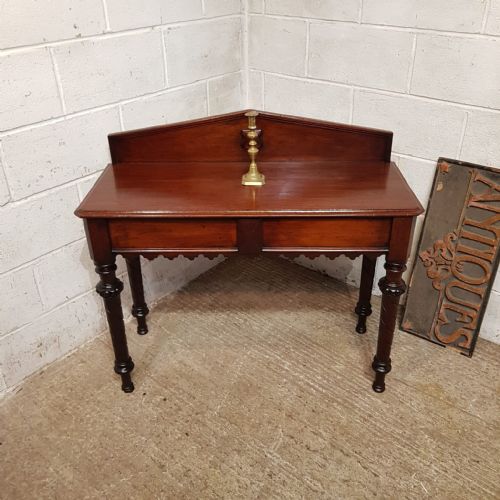


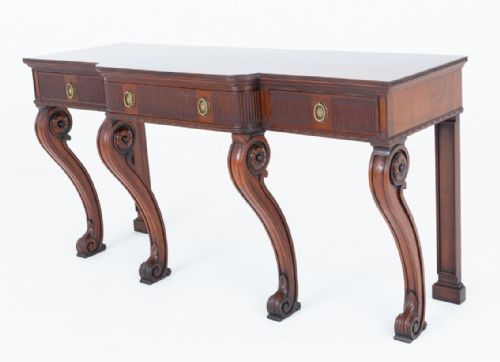
Carved Leg Serving Table
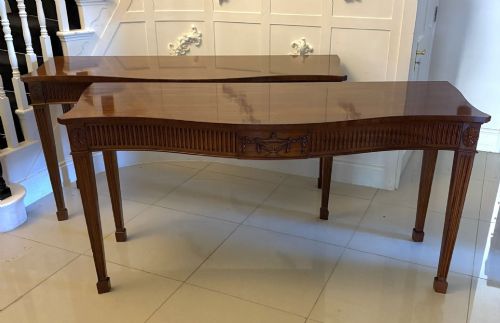
A carved leg serving table provides substantial surface and architectural presence, combining robust timber construction with decorative detail suited to dining spaces.
Carved Leg Serving Table
When searching for a carved leg serving table, buyers encounter a diverse selection of heavy timber furniture intended for display and domestic service. These pieces frequently overlap with console tables, side tables, and dresser bases across multiple historic periods.
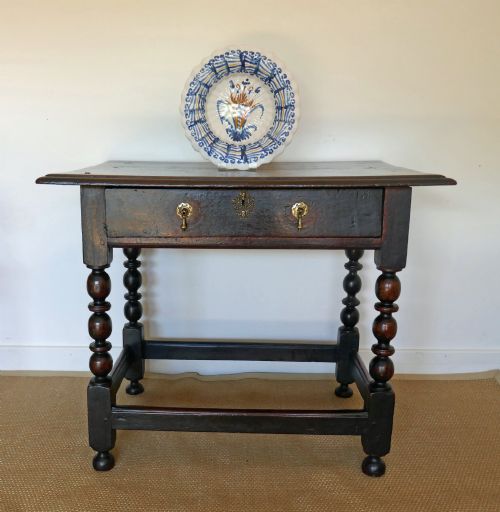
The material record spans centuries of cabinetmaking, featuring robust oak examples alongside refined mahogany and walnut iterations. Formats range from formal Georgian dining room servers to country house oak side tables and compact tray stands.
The selection includes specific regional interpretations such as Irish Regency and Welsh furniture alongside revival styles. Pieces appear from the seventeenth century through to the early twentieth century, reflecting shifting domestic requirements.
Materials and construction
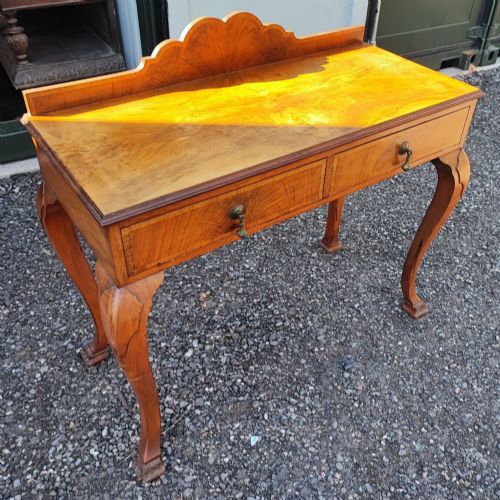
Makers utilised primary timbers including solid mahogany, oak, walnut, and cherrywood to build durable frames capable of supporting heavy service items. Flame mahogany veneers and burr walnut surfaces introduced distinctive grain patterns to formal pieces.
Structural embellishments relied on hand carving directly into the timber, complemented by brass fittings and painted finishes where appropriate. Joinery techniques varied from early pegged joints to later nineteenth and twentieth-century framing methods.
Listings feature oak, mahogany, and walnut timbers spanning from the seventeenth century to the twentieth century.
Assessments of quality
The standard of a carved leg serving table rests upon the crispness of its hand carving and the selection of timber figures. Superior examples display balanced proportions, integrated decorative elements, and substantial timber thickness.
Construction integrity distinguishes workshop production, with notable attribution to makers like Gillows or Mack Williams and Gibton elevating historical standing. Unrestored condition and original surface patination also determine the standing of individual tables.
Beresford & Hicks London·Gillows Buffet·Mack Williams And Gibton·Whytock & Reid
The Carved Leg Serving Table Glossary
- Serpentine
- A furniture front or edge shaped with a central convex curve flanked by concave sweeps. This undulating profile appears frequently on formal dining room servers.
- Dresser base
- A low wooden sideboard fitted with drawers and occasionally cupboards below a wide top board. These pieces frequently function as serving tables in dining spaces.
- Lowboy
- A small eighteenth-century table with drawers, raised on relatively tall legs. They share functional similarities with compact side and serving tables.
- Tray table
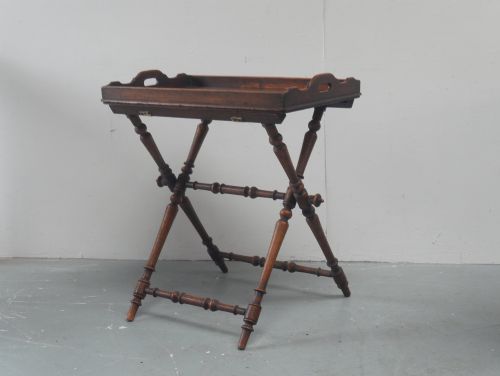
- A piece comprising a removable serving tray resting upon a folding or fixed support stand. This portable form bridges domestic service and display uses.
Carved Leg Serving Table: Frequently Asked Questions
How were serving tables used historically?
Serving tables stood against dining room walls to hold dishes, flagons, and serving vessels before footmen placed them on the main dining table. They functioned primarily as ancillary surfaces during large domestic meals.
Over time, these tables transitioned into general display furniture within hallways, drawing rooms, and studies, holding decorative objects rather than heavy food service.
How do I identify Georgian periods?
Georgian pieces display classical proportion, timber selection such as dense mahogany or oak, and characteristic leg forms like the cabriole. Carved ornamentation often references architectural motifs.
Examination of interior drawer construction, timber shrinkage, and hand-cut joinery helps confirm the eighteenth-century manufacture date against later revival copies.
Where should I place a serving table?
These tables suit long walls in dining rooms, entrance halls, or wide corridors where their depth does not obstruct movement. Their finished backs and substantial proportions anchor large interior spaces effectively.
Pairing a serving table with a mirror or hanging artwork creates a focal point, while the surface accommodates lamps, books, or decorative displays.
What is the difference between a side table and a serving table?
Serving tables typically offer greater length and heavier timber construction designed to bear the weight of heavy tableware and food service items. Side tables generally possess lighter proportions.
In historical listings, the terms often overlap because many side tables served dining functions depending on the size of the room and household.