
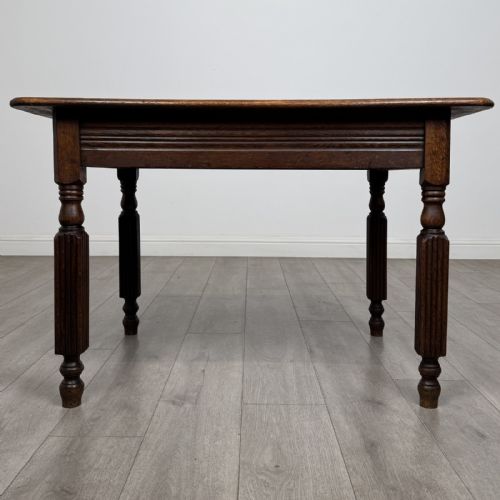
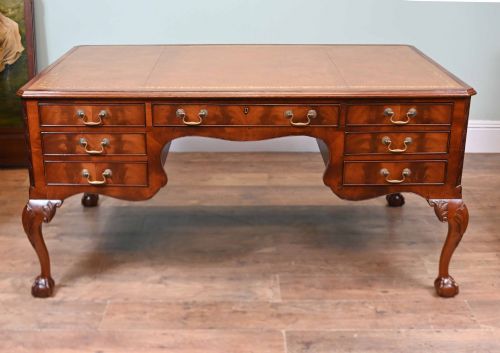
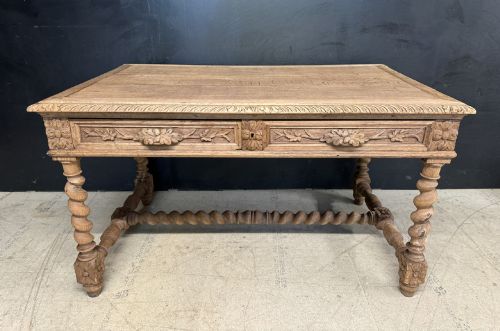
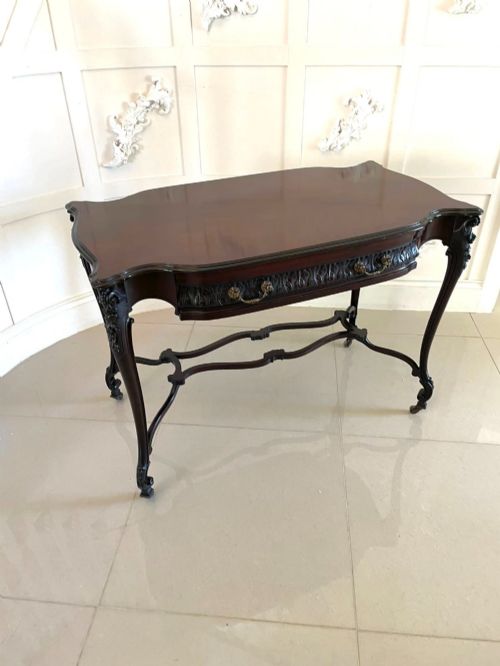
Carved Leg Library Desk
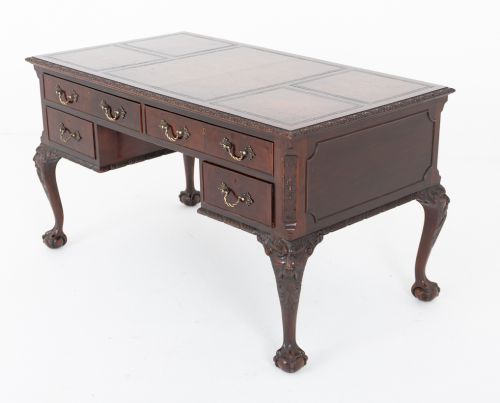
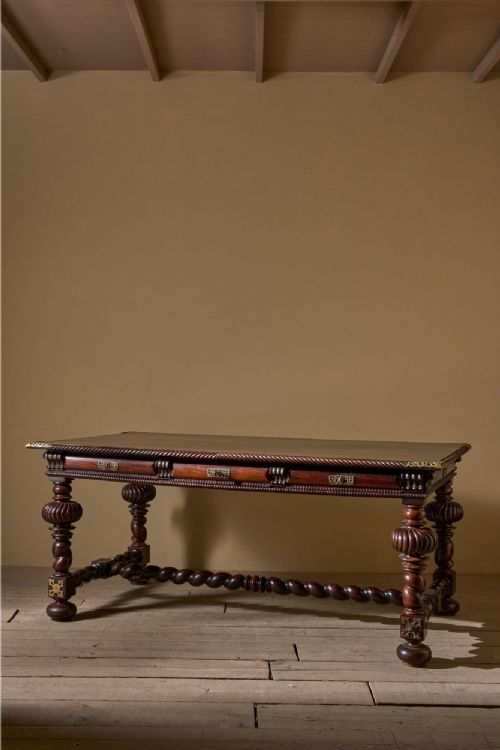
A carved leg library desk is a workspace built for the study, most often encountered here as a mahogany or walnut writing table from the Victorian and Georgian periods.
Carved Leg Library Desk
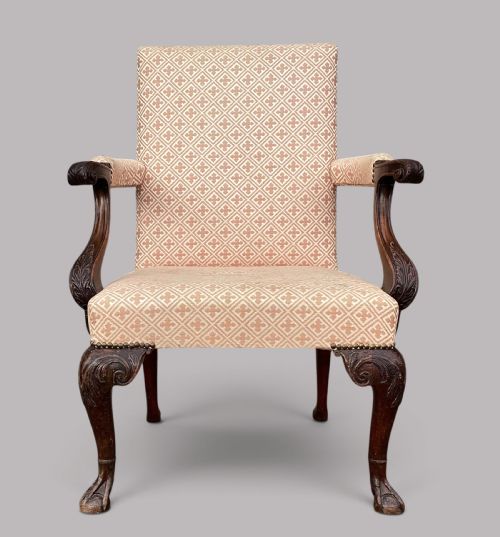
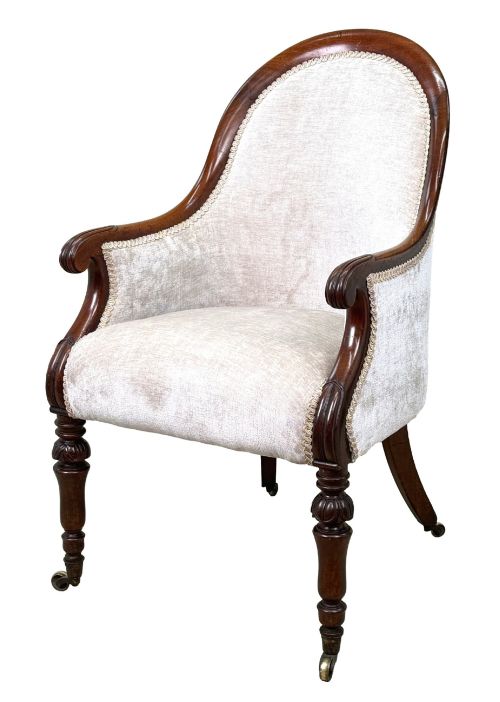
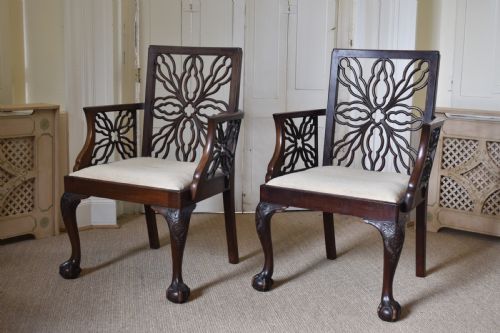
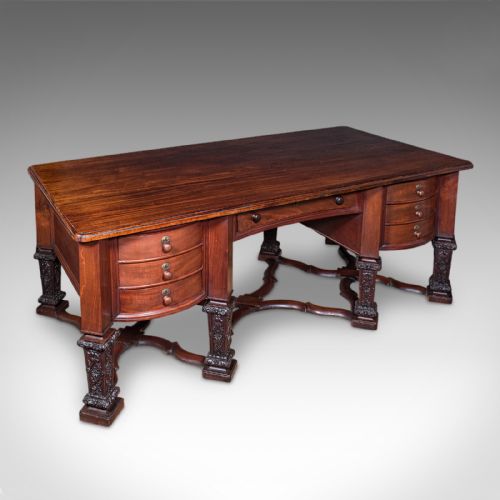
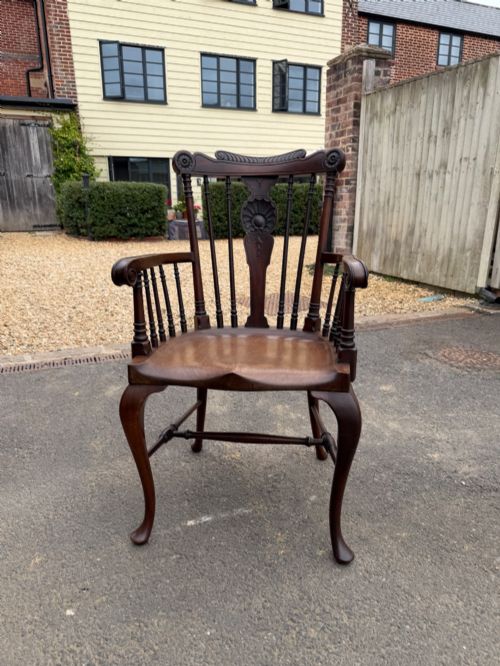
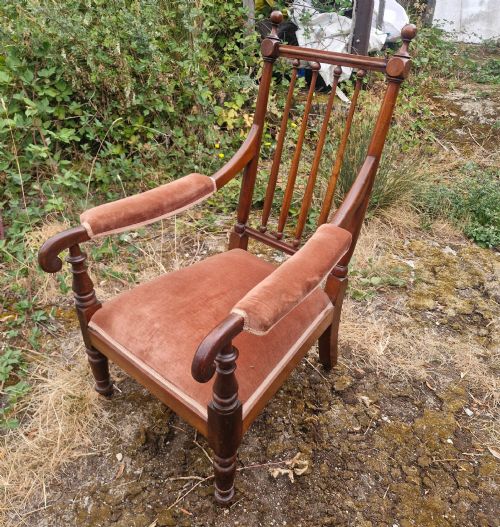
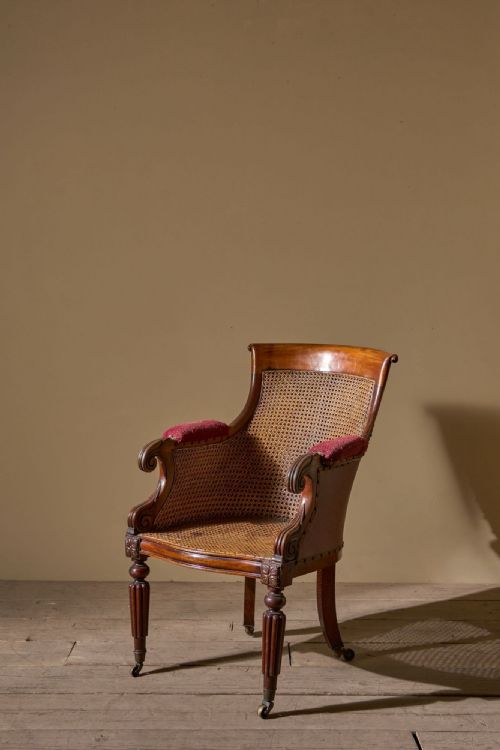
A carved leg library desk brings traditional workspace utility to the home study, appearing predominantly as nineteenth century writing tables, partners desks, and library tables. Buyers seeking this phrase also encounter associated seating including tub armchairs, desk chairs, and Gainsborough chairs designed for the study.
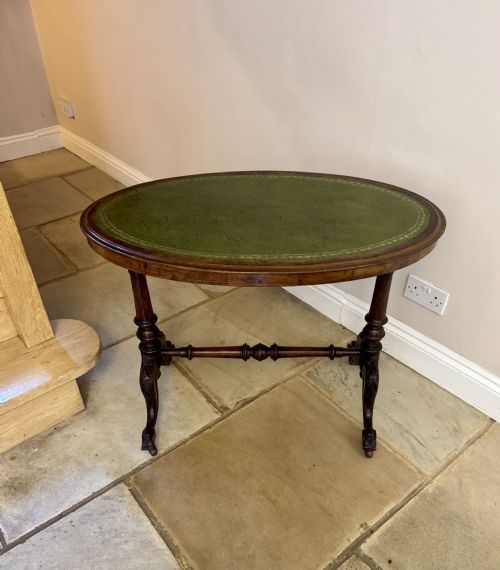
The selection ranges from early nineteenth century George IV and Regency examples to later Victorian, Edwardian, and revival pieces spanning Chippendale, Queen Anne, and Renaissance styles. Walnut, mahogany, and oak form the structural core of these desks and tables, frequently accompanied by inset leather writing surfaces.
How they were made
Cabinet makers utilised dense hardwoods including mahogany, walnut, rosewood, and oak for the frames, applying carved detail to legs, aprons, and edges. Inset surfaces incorporate leather, velvet, or fabric writing panels bordered by brass hardware and twin or multiple drawers.
Construction methods rely on traditional joinery paired with turned or carved wooden supports, occasionally featuring castors for mobility. Finishes depend on the natural grain of the timber, enhanced by polish that develops a deep patina over time.
Listings span multiple decades from the Georgian era through the Edwardian period, featuring mahogany, walnut, oak, and rosewood.
What varies in quality
Quality rests upon the crispness of the timber carving and the selection of figured veneers such as burr walnut or flame mahogany. Superior pieces display harmonious proportions, substantial secondary timbers, and well executed joinery across both visible surfaces and drawer linings.
The integration of original materials, such as stamped brass hardware, working locks, and patinated leather inserts, elevates an example above standard utility pieces. Attributions to notable makers or documented workshop styles further distinguish the finest items in the range.
Gillows·Gill and Reigate·George Smith·Jean-Joseph Chapuis
The Carved Leg Library Desk Glossary
- Partners desk
- A large double sided writing table designed for two people to work face to face, featuring drawers on both sides.
- Gainsborough chair
- A wide, upholstered armchair with an open wooden frame and low armrests, developed in the eighteenth century for writing desks.
- Bureau Mazarin
- An ornate cabinet desk featuring a central recessed cupboard flanked by banks of small drawers and supported on clustered legs.
- Sofa table
- A rectangular occasional table with drop leaves at either end, traditionally used in the centre of a room or beside seating.
Carved Leg Library Desk: Frequently Asked Questions
What is a partners desk?
A partners desk is a double sided writing table designed so two people can sit opposite each other with matching drawer storage.
These large tables were traditionally used in libraries and studies by business partners or professionals needing shared workspace.
How do I date a library table?
Dating relies on examining the timber species, construction methods, hardware, and stylistic revival periods present in the piece.
Earlier nineteenth century pieces often show dense mahogany and restrained carving, while later Victorian and Edwardian examples lean into revival styles and figured walnut veneers.
Where should I place a centre table?
A centre table is finished on all sides so it can float in the middle of a room rather than sitting flush against a wall.
In a library or study, it serves as a central surface for books, lamps, or writing materials.
Are desk chairs comfortable for daily use?
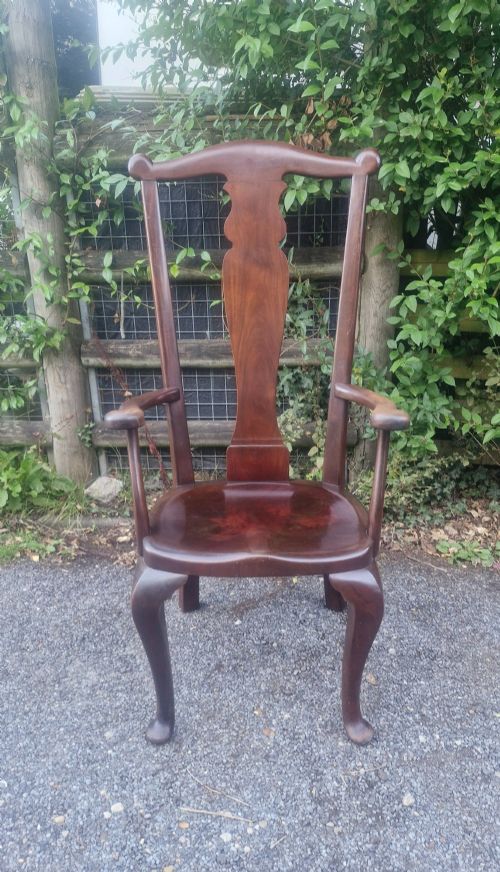
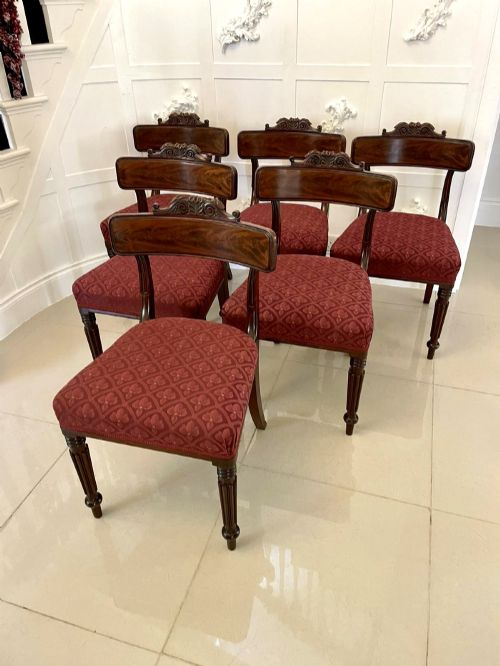
Desk chairs from the Victorian and Edwardian periods offer supportive high backs and upholstered seats designed for sustained study.
Many incorporate cane work or leather upholstery to balance firm structural framing with seating comfort.