
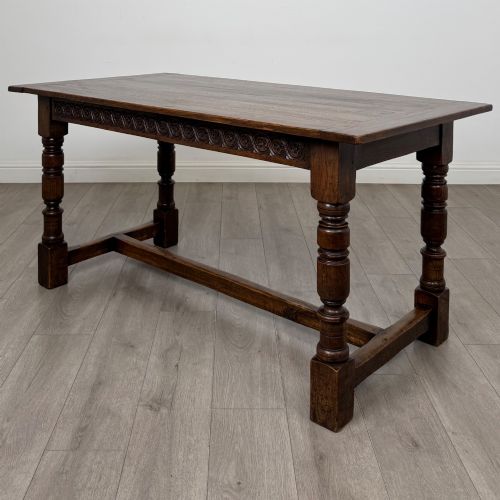
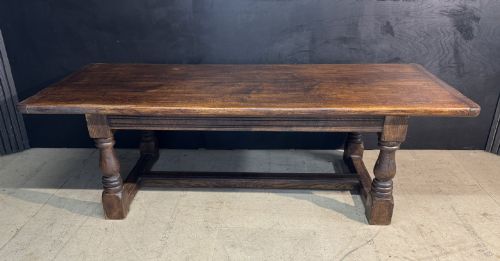
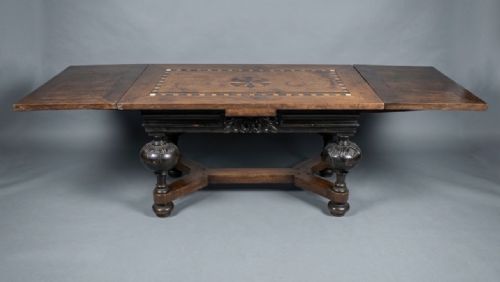
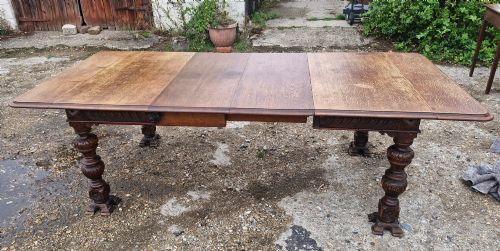
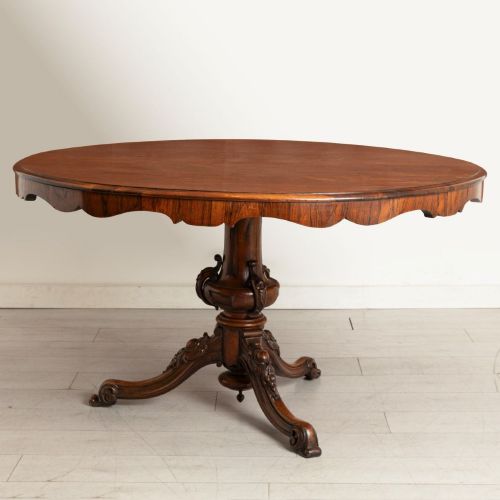
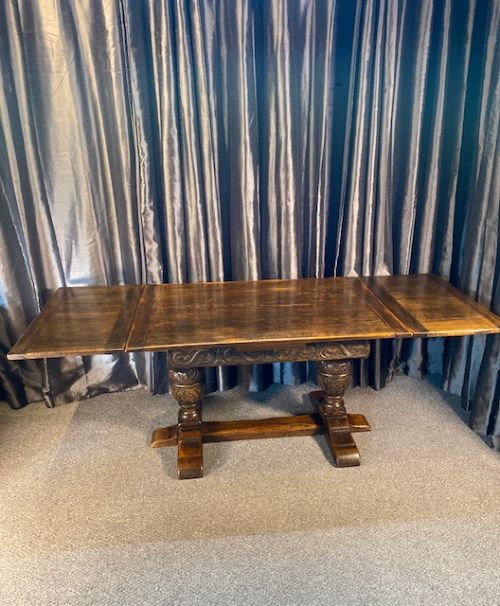
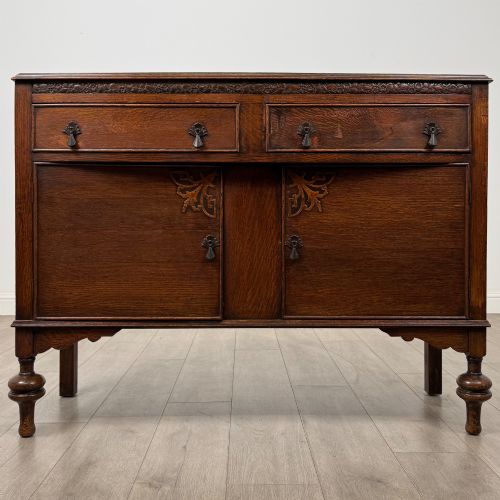
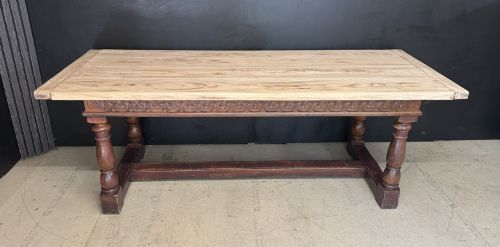
Carved Leg Dining Table
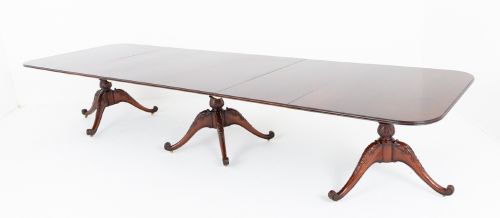
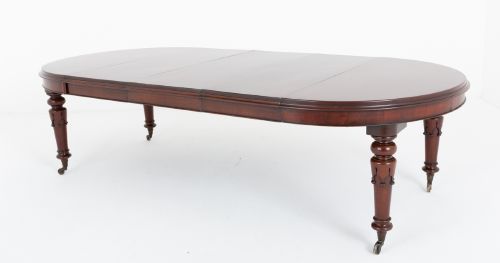
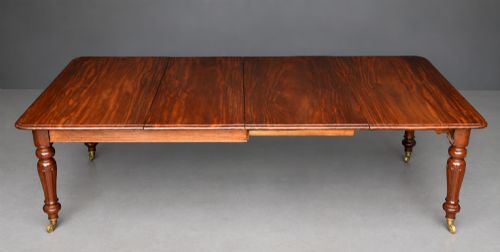
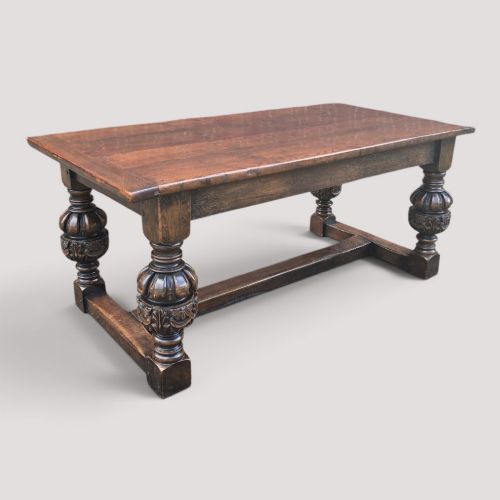
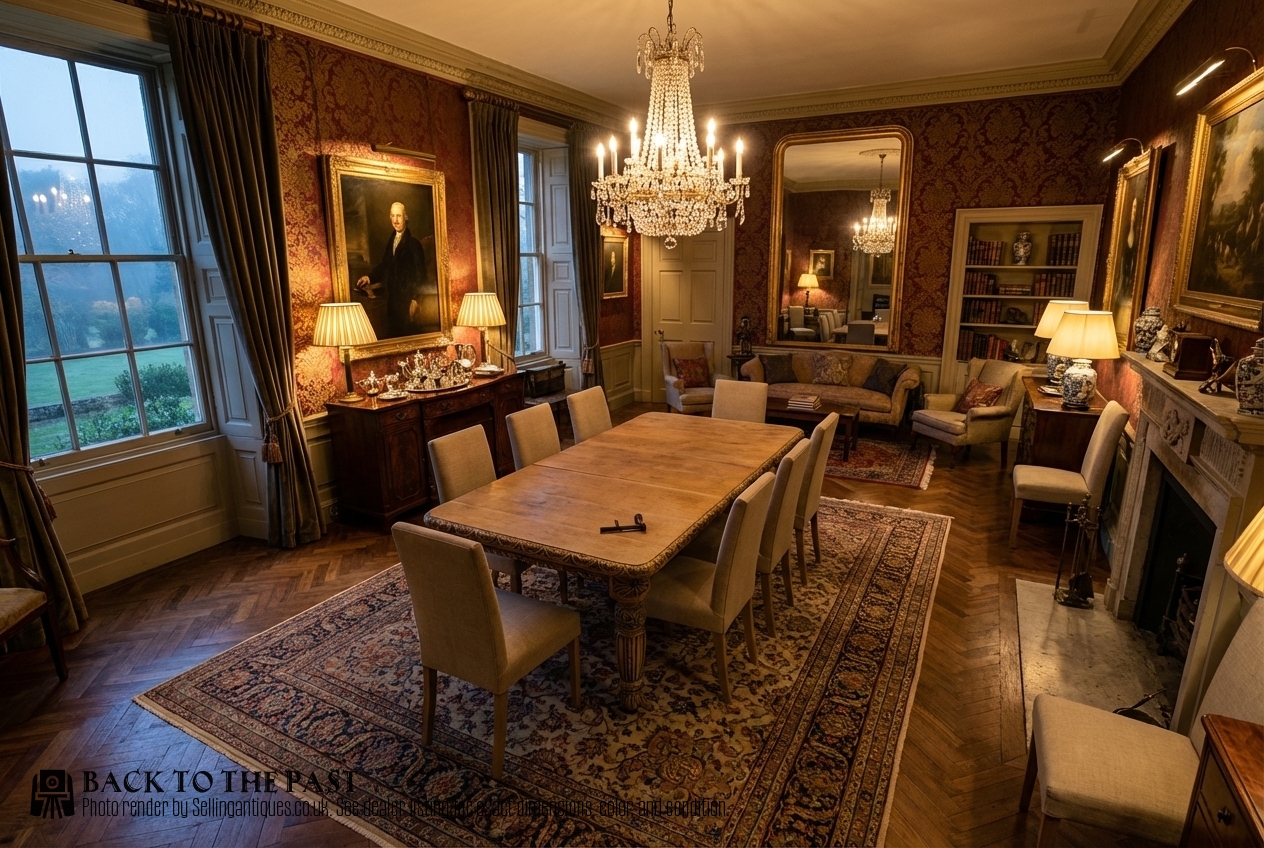
A carved leg dining table brings substantial presence and period character into a room, spanning rustic oak refectories to polished mahogany extensions.
Carved Leg Dining Table
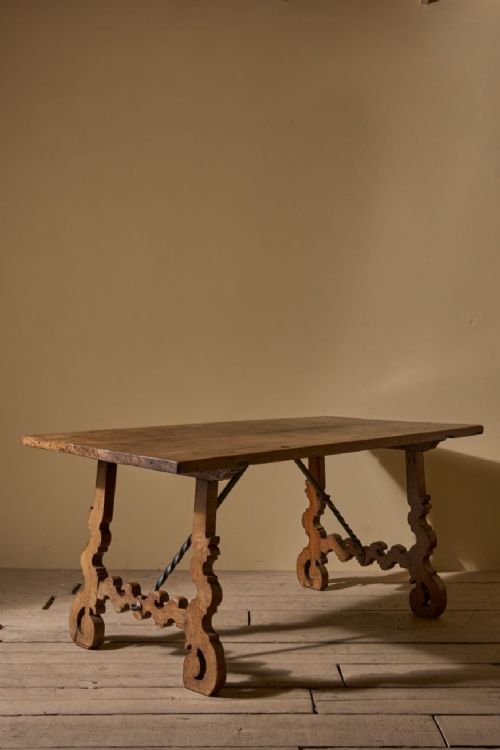
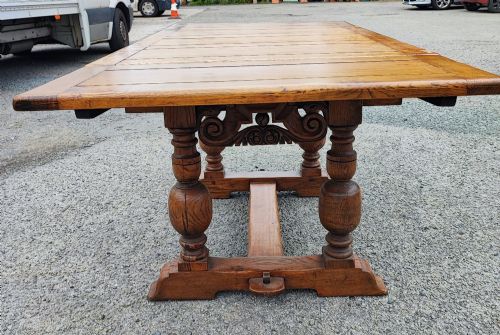
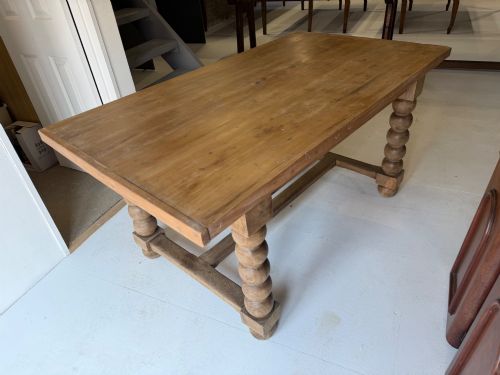
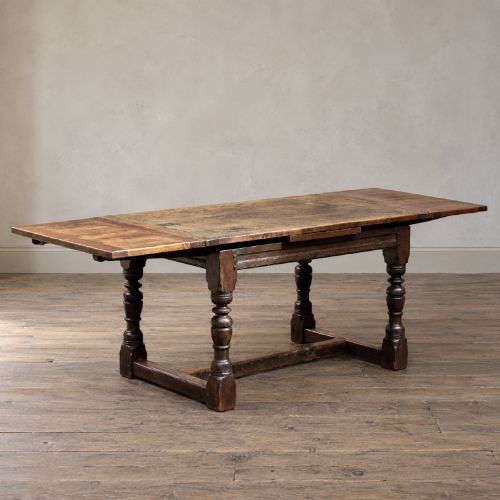
A carved leg dining table is a functional gathering piece defined by ornamented supports, ranging from heavy bulbous Jacobean legs to slender cabriole forms. These tables appear across multiple centuries, though the selections lean heavily toward sturdy oak refectory styles, gateleg formats, and Victorian or Edwardian extending versions.
Buyers encounter numerous regional and stylistic interpretations, including French Provincial, Spanish walnut pieces, and Jacobean Revival formats. The predominant materials stay faithful to traditional cabinetmaking, focusing on solid timbers designed to accommodate daily meals and large gatherings through clever draw-leaf or drop-leaf mechanisms.
The assortment bridges several distinct eras, stretching from early seventeenth-century oak examples to twentieth-century reproductions and adaptations. Whether selecting a long farmhouse board or a smaller walnut table with cabriole supports, the common thread is the sculptural treatment of the wooden underframe.
How they were made
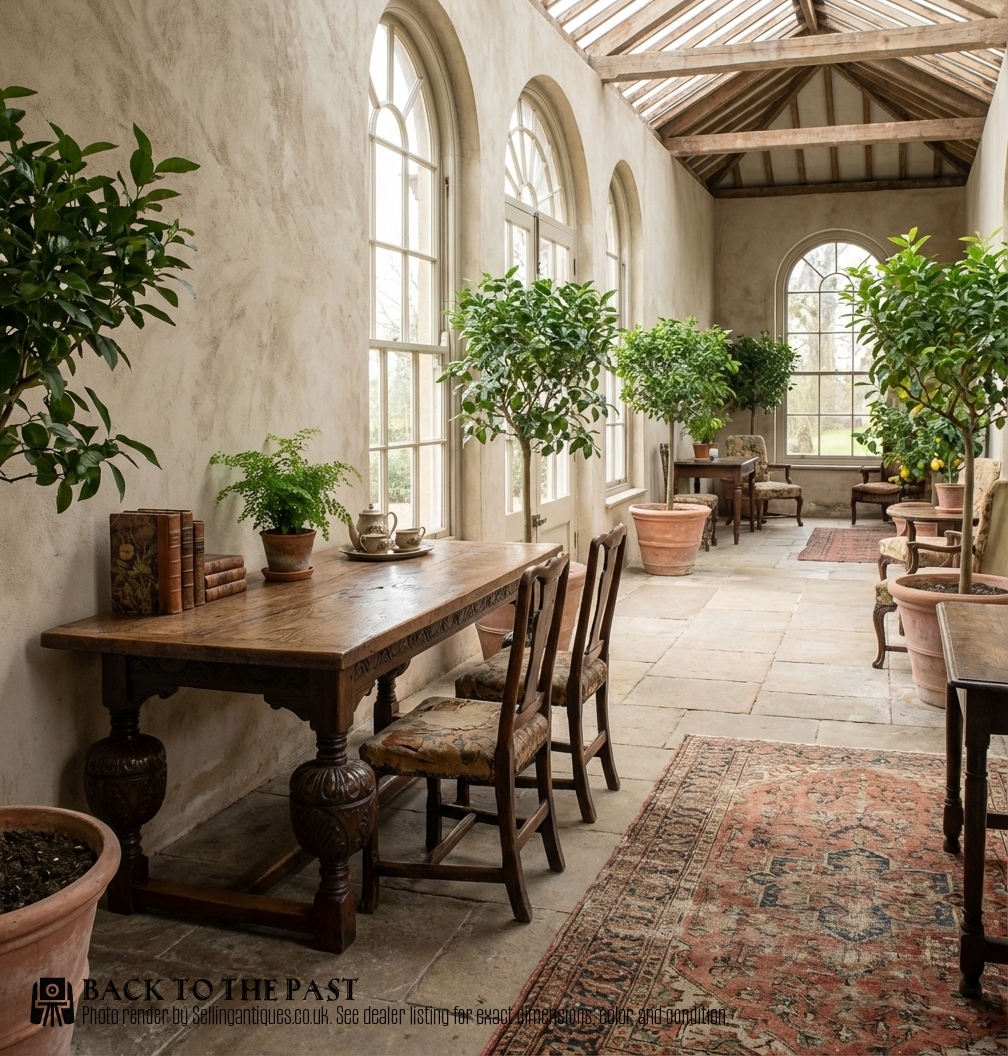
Joinery relied on traditional mortise and tenon construction to anchor heavy tops to substantial carved underframes, often utilising draw-leaf extensions or gateleg folding actions. Solid timbers like oak, walnut, and mahogany provided the structural integrity needed to support extending leaves and thick tabletops without warping.
Carving was executed by hand directly into the solid wood of the legs, pedestals, and friezes, producing relief patterns, bulbous turnings, or fluted details. Secondary materials such as brass fittings, iron fixings, and occasional parquetry veneers added functional strength and decorative contrast to the primary timber framework.
Carved Leg Dining Table Retail Price Guide 2026
Typical asking prices for carved leg dining table among the pieces listed under this phrase on Sellingantiques today, from the lower quarter to the upper quarter. They describe what is for sale here now, not the wider market.
Some seventeenth-century gatelegs survived centuries of family feasts simply because their folding leaves squeezed into surprisingly small cottages.
What varies in quality
Quality rests primarily in the crispness and depth of the hand-carving on the legs and supports, distinguishing finely sculpted relief work from softer, mechanical machine routing. The choice and selection of timber grain, particularly in figured walnut or quarter-sawn oak, dictates the visual richness of the top and base.
The integrity of the extending mechanism - whether draw-leaves, wind-out screws, or drop-leaf hinges - determines how smoothly the table operates and how well the leaves align under daily use. Original surface patination and the retention of structural stability without excessive modern timber replacement further separate utilitarian examples from superior specimens.
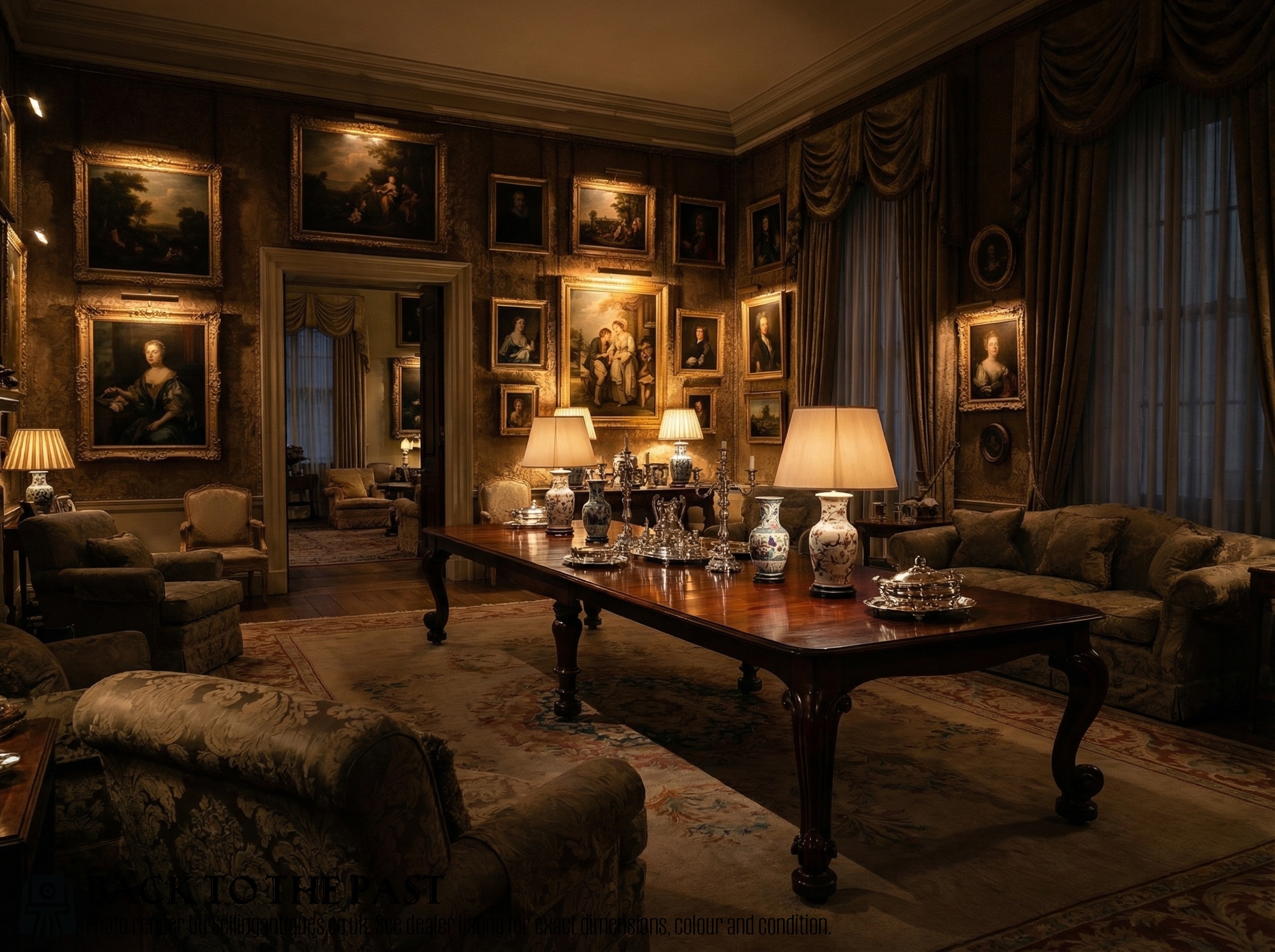
Maple And Co·William And Gibton
The Carved Leg Dining Table Glossary
- Refectory table
- A long, narrow dining table traditionally used in monasteries and large halls, usually featuring heavy legs connected by stretchers.
- Draw-leaf table
- An extending table with two pull-out leaves stored beneath the main top, which rise into place when pulled.
- Gateleg table
- A drop-leaf table with hinged flaps supported by hinged legs that swing out like a gate to hold the leaves.
- Cabriole leg
- A furniture leg that curves out at the knee and tapers inward to an ankle, often ending in a pad or claw foot.
- Patina
- The surface sheen and mellowing developed through age, handling, and waxing over many decades of use.
- Quarter-sawn oak
- Timber cut radially to the growth rings, producing a distinct and stable grain pattern often showing medullary rays.
Carved Leg Dining Table: Frequently Asked Questions
How do I care for a historic oak table?
Feed the timber regularly with traditional beeswax to maintain the moisture and preserve the natural patination built up over generations. Avoid placing wooden dining furniture near direct heat sources or damp areas to prevent splitting.
Use coasters and felt pads beneath serving dishes to protect the antique surface from moisture rings and thermal shock. Gentle dusting with a soft cloth keeps the carved details clear without abrading the finish.
Are these tables suitable for daily use?
Most solid timber tables from these periods were constructed specifically for heavy domestic service and withstand regular family meals easily. The robust joinery and thick wooden tops absorb everyday wear while continuing to age gracefully.
Care should be taken with extending mechanisms on older tables to ensure smooth operation without straining the runners. Using protective table pads during heavy use preserves the primary surface from accidental scratches.
What is the difference between oak and mahogany tables?
Oak tables generally belong to earlier stylistic periods like Jacobean, Elizabethan, or farmhouse traditions, displaying prominent grain and heavy carved frames. They project a robust, rustic aesthetic suited to traditional and country interiors.
Mahogany tables typically date from later Georgian, Regency, or Victorian eras, featuring finer grain, reddish-brown tones, and formal polished surfaces. These pieces often incorporate sophisticated extending mechanisms and refined classical pedestals or carved legs.