
Carved Leg Chair
When you search for a carved leg chair, you enter a tradition of seating where timber frames carry ornamental detail down to the support.
Carved Leg Chair
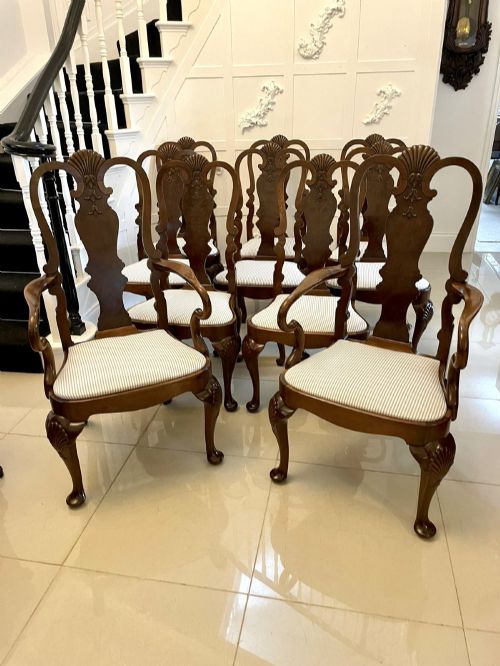
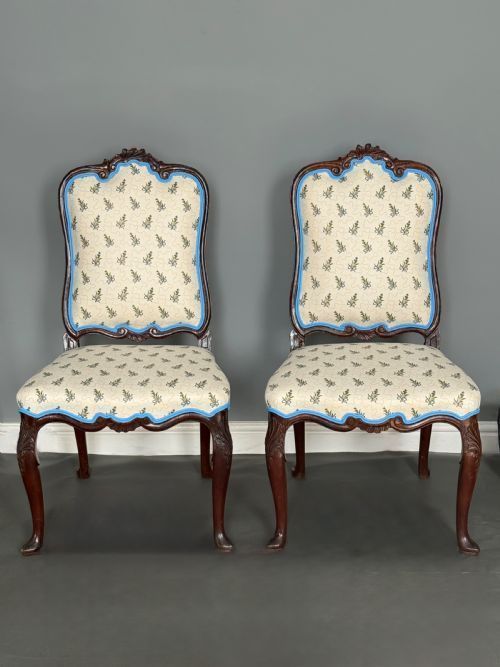
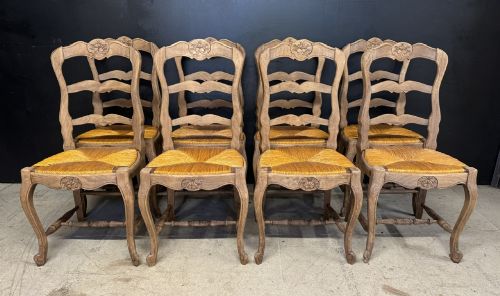
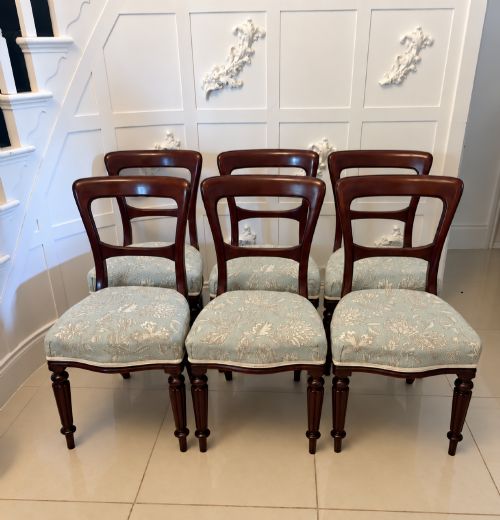
A carved leg chair brings together functional seating and decorative woodwork across multiple historical periods. Buyers seeking a carved leg chair encounter everything from eighteenth-century walnut designs to nineteenth-century mahogany dining sets.
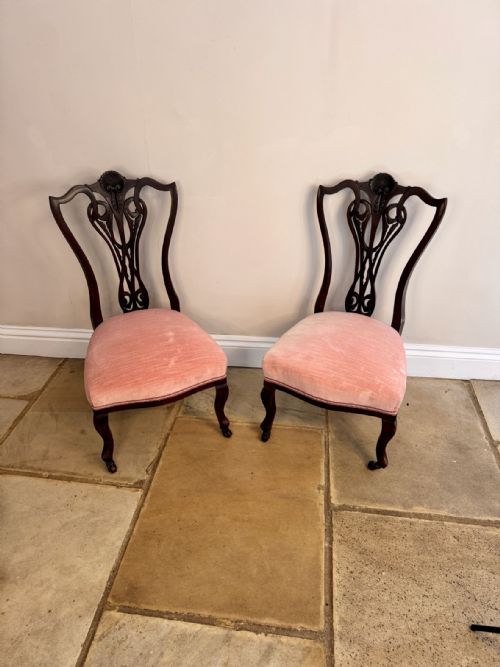
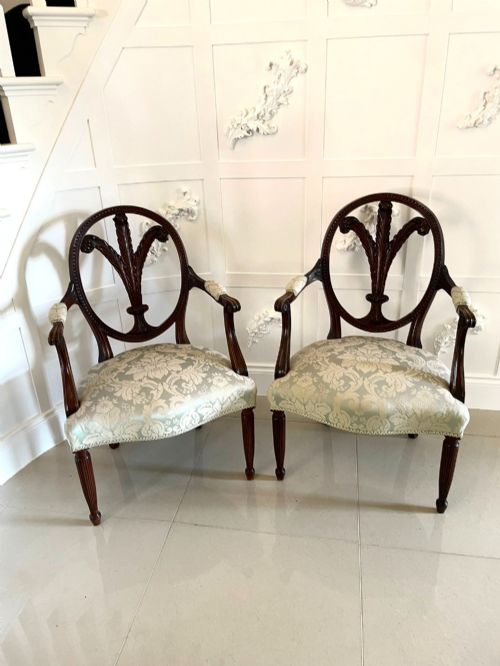
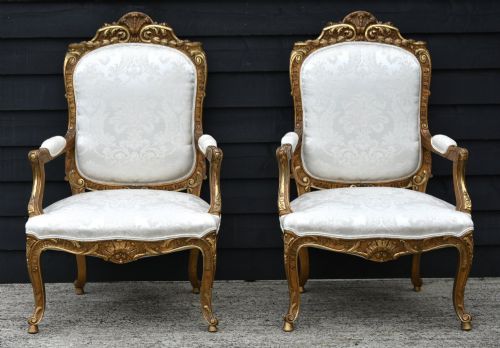
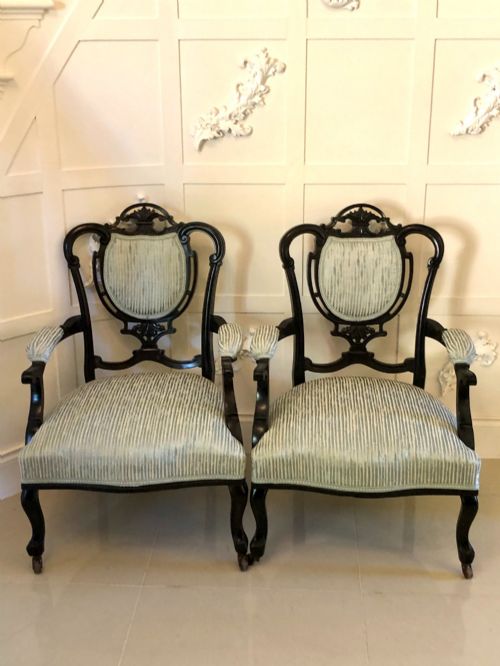
The selection ranges widely in form, encompassing dining chairs, library armchairs, and occasional side seats. Walnut and mahogany predominate, often shaped into cabriole or reeded supports.
Origin points stretch across English, Scottish, and continental workshops. Victorian and Edwardian revivals sit alongside earlier Georgian pieces, providing diverse options for domestic interiors.
Materials and Construction
Cabinetmakers built these frames primarily using dense hardwoods such as mahogany and walnut, which held intricate hand-chisel work without splitting. Elm and oak also appeared in regional kitchen and high-back seating.
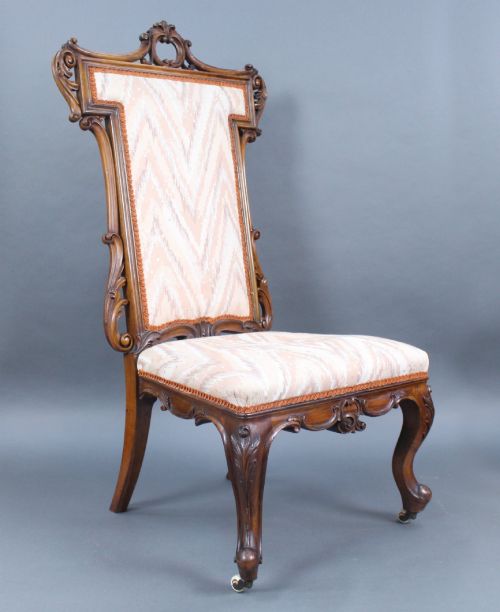
Legs were shaped from solid timber blanks or laminated sections before receiving vegetal, scroll, or claw motifs. Upholstered variants incorporated webbing, horsehair stuffing, and textile coverings secured with brass tacks.
Listings feature mahogany, walnut, oak, and rosewood framed seating from the eighteenth century to the twentieth century.
Assessing Quality
Depth and crispness of the hand-carving separate standard workshop output from exceptional examples. Sharp relief work along the knees and feet indicates superior artisan control.
Timber selection dictates overall longevity, with figured grain and tight growth rings showing greater stability. Frame integrity depends on tight joinery rather than reliance on exterior adhesives.
Charles Tozer
The Carved Leg Chair Glossary
- Cabriole leg
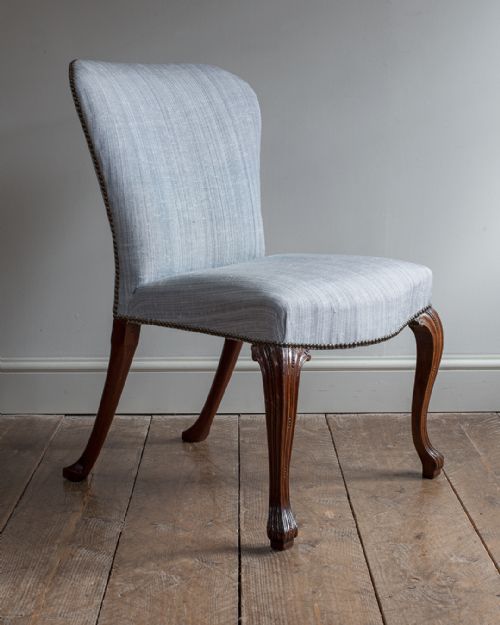
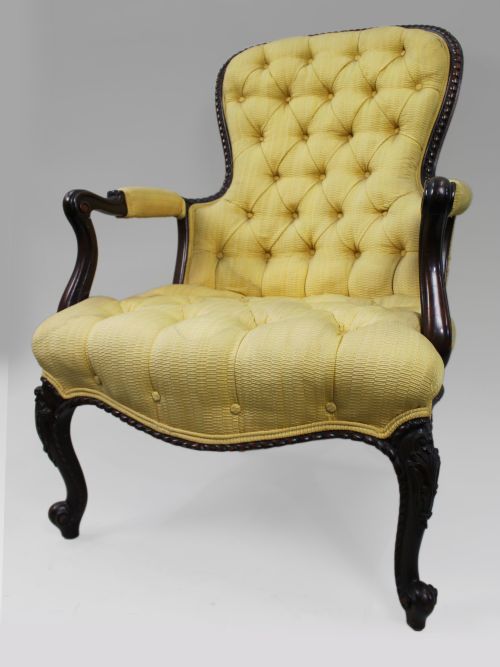
- A furniture support that curves out in a convex arc at the knee and tapers inward in a concave arc toward the foot. This form derives from animal limbs and frequently terminates in pad or claw-and-ball feet.
- Sabre leg
- A concave-curved support that tapers smoothly toward the floor, common in Regency and classical revival dining seats. The profile resembles a cavalry sword.
- Bar back
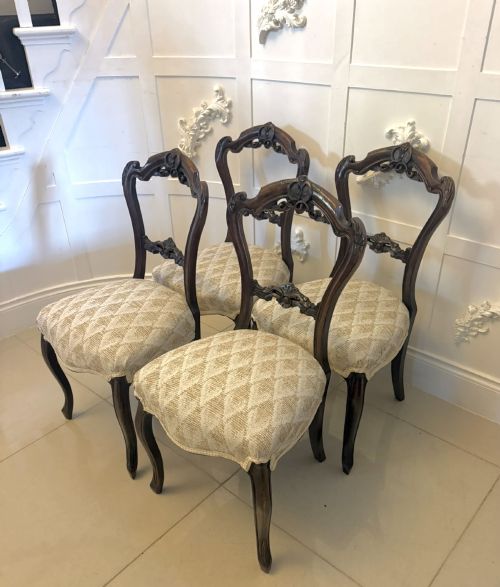
- A chair design featuring a horizontal wooden slat across the upper support, often enriched with carved central roundels or reeding. This style dominated nineteenth-century dining sets.
- Balloon back
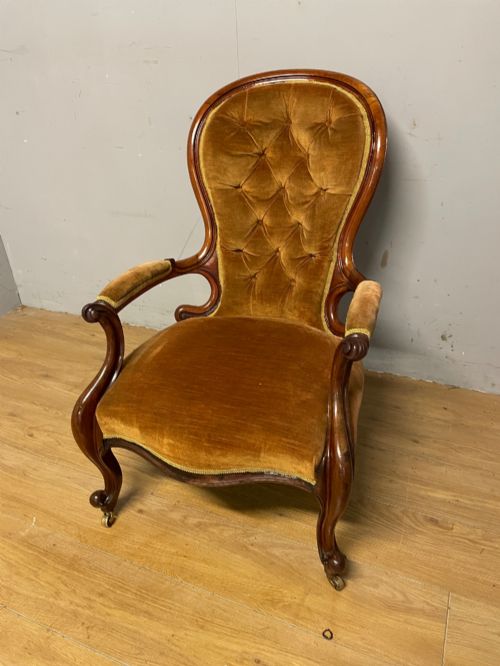
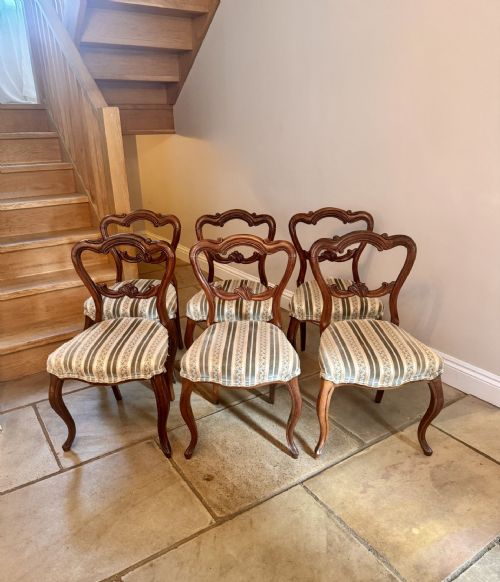
- An oval-shaped chair frame popular during the Victorian era that resembles a filled balloon. The crest rail flows continuously down into the seat rails.
- Giltwood
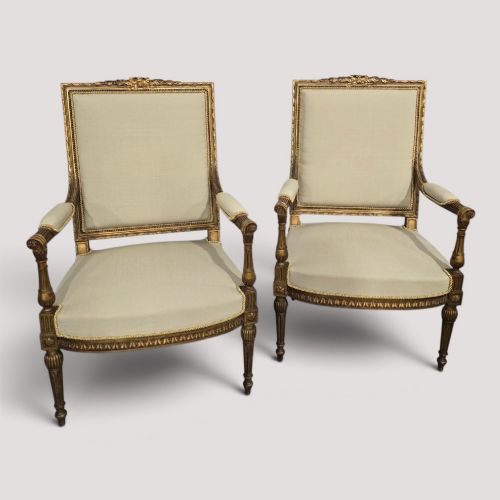
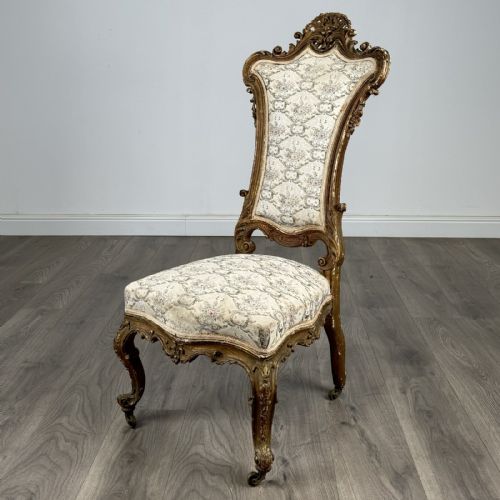
- Timber coated with a thin layer of gold leaf over a prepared gesso ground. This finish appears frequently on continental salon armchairs.
Carved Leg Chair: Frequently Asked Questions
What periods do these chairs cover?
The inventory spans from eighteenth-century Georgian and Dutch baroque pieces through Victorian revivals up to twentieth-century reproductions.
Earlier examples display hand-cut patination, while later revivals often emulate Queen Anne or Louis styles using contemporary machinery alongside manual detailing.
How were they used historically?
These pieces served multiple domestic functions, from formal dining rooms to private libraries and reception halls.
Armchairs provided comfort in studies, whereas side chairs and hall seats stood along drawing room walls until needed for gatherings.
How do I care for the timber?
Maintain the wood by avoiding direct sunlight and sudden temperature shifts that cause timber to dry out and split.
Apply occasional microcrystalline wax to nourish older finishes without building up heavy chemical layers over the carved areas.
How can I tell original period pieces apart from revivals?
Examine the tool marks and timber shrinkage patterns underneath the seat frame for signs of age. Original pieces often show hand-sawn surfaces and timber movement appropriate to their stated century.