
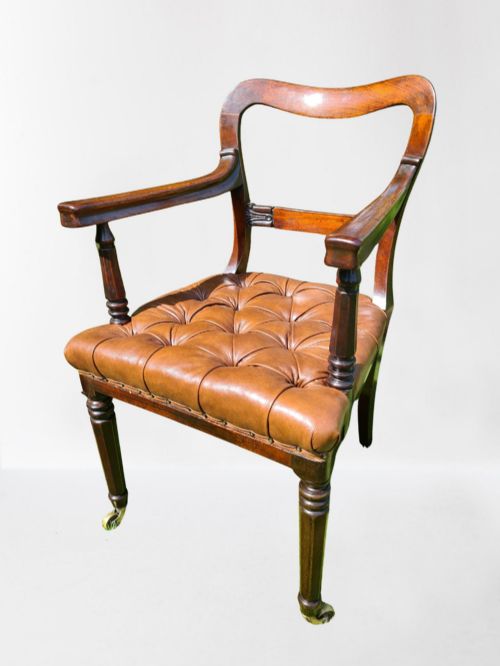
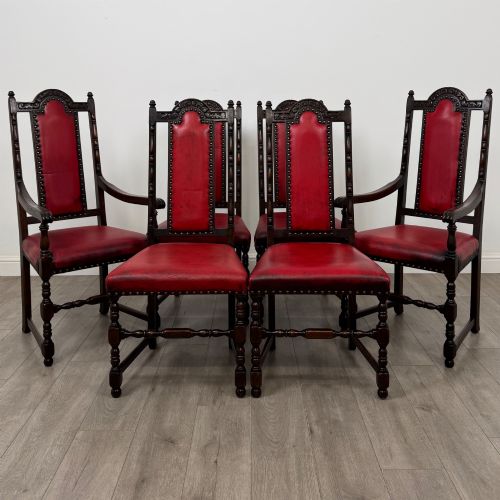
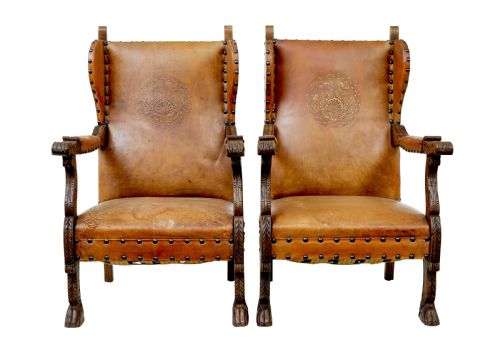
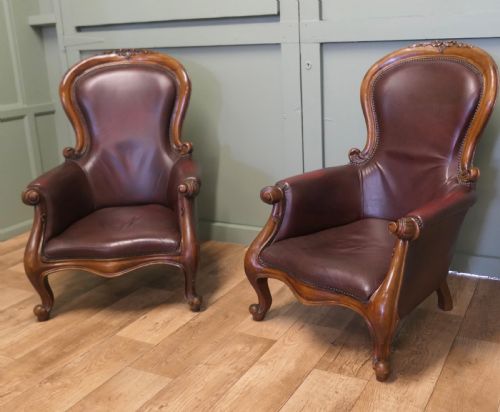
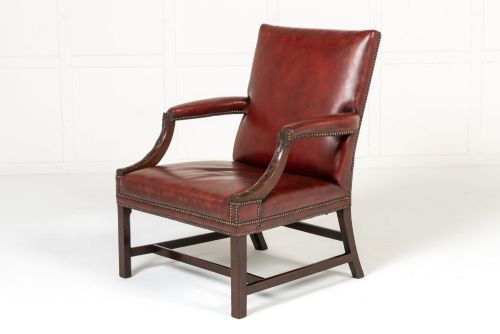
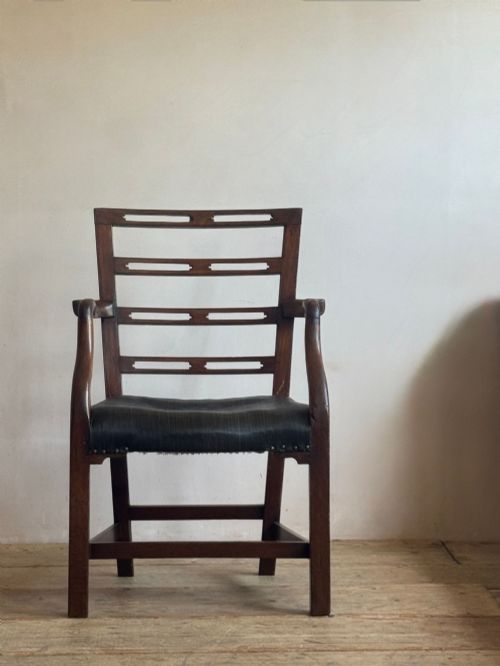
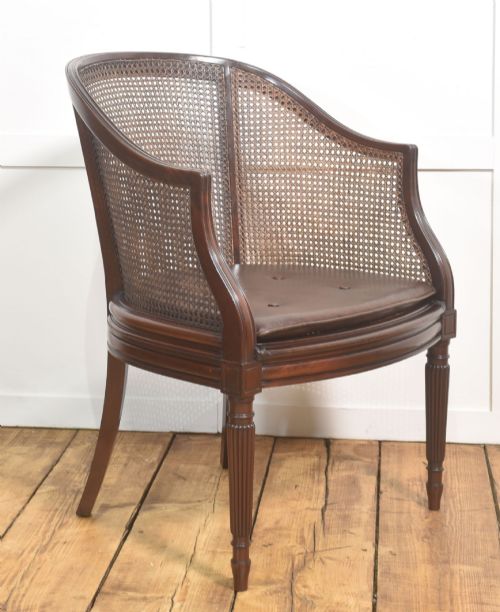
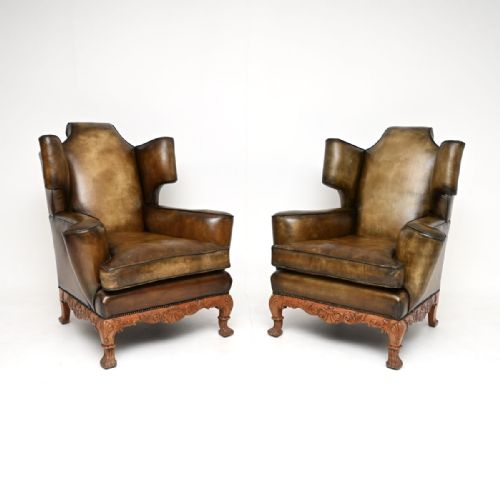
Carved Leather Armchair
When you examine a carved leather armchair, you are looking at centuries of woodworking combined with hard-wearing animal hide.
Carved Leather Armchair
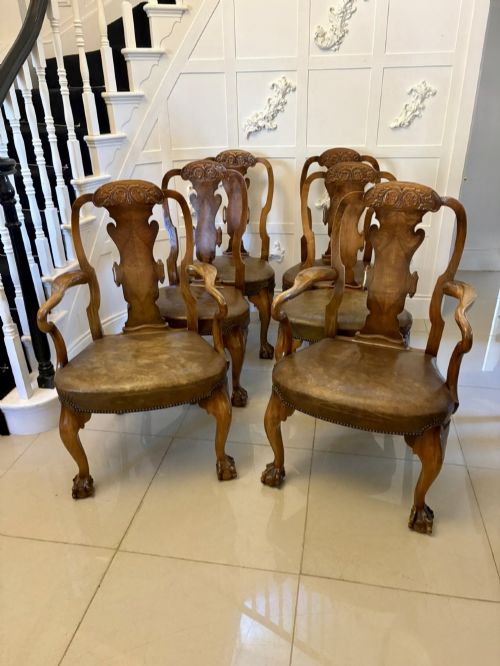
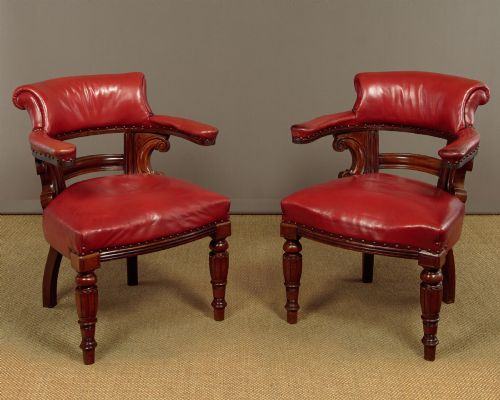
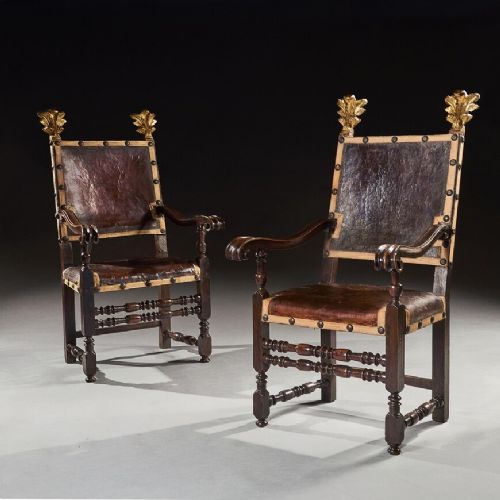
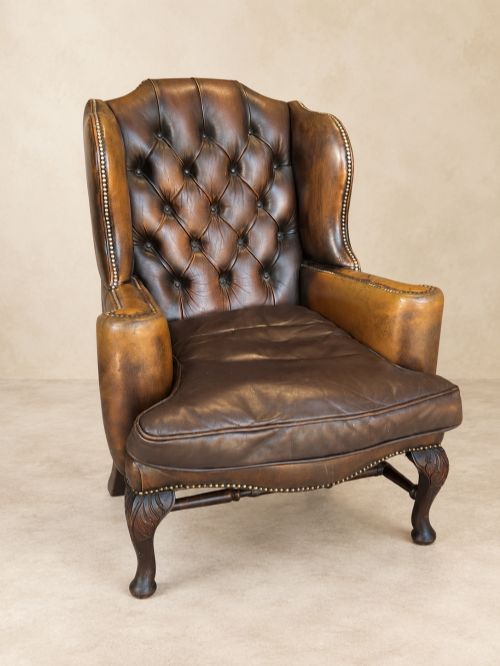
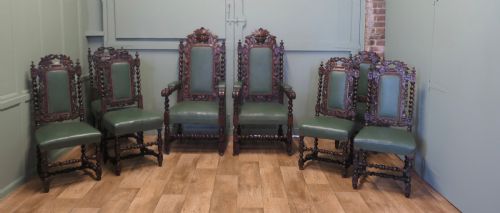
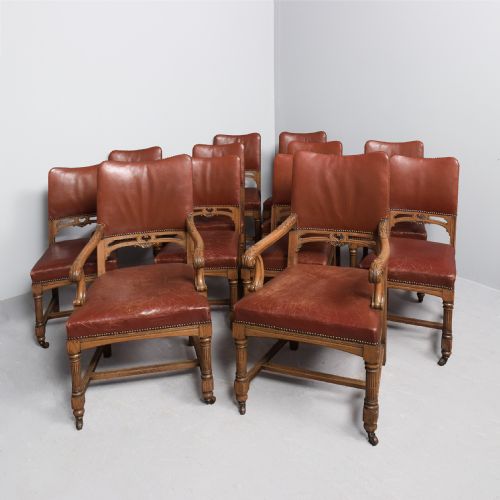
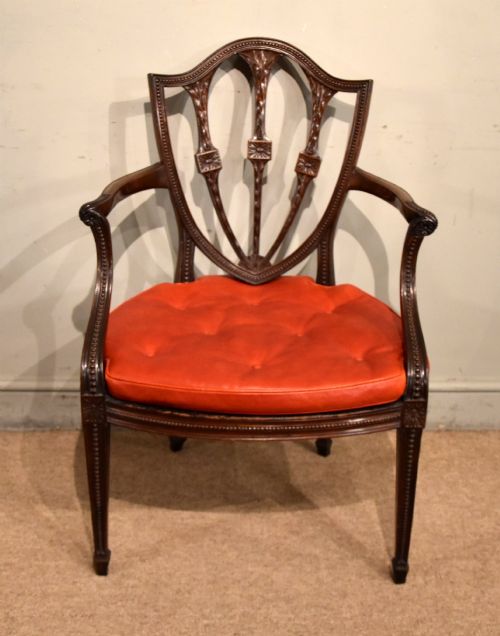
A carved leather armchair brings together solid timber frames and upholstered hide seats, spanning periods from the 17th century through the Georgian era and into the 19th and 20th centuries. Buyers searching for a carved leather armchair encounter everything from heavy oak library seating and walnut wing backs to mahogany desk chairs and occasional lounge suites.
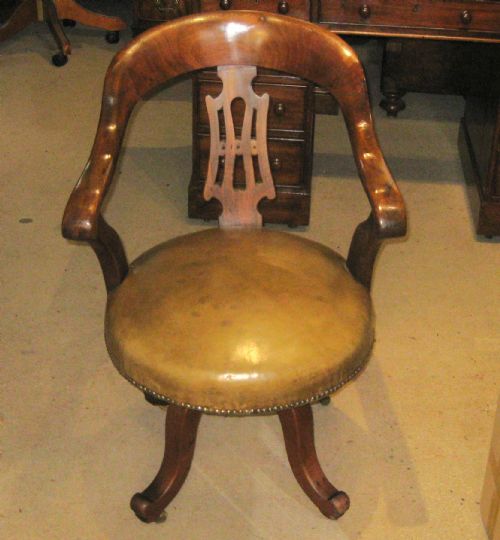
The selections on this page draw from diverse regional origins and revival styles, including Victorian Gothic, Jacobean, Chippendale, and Art Deco. Forms range widely from high-backed throne chairs and revolving desk seats to pairs of library armchairs and companion dining sets.
How they were made
Frames rely primarily on dense hardwoods such as mahogany, oak, and walnut, shaped by hand with chisels and gouges to form intricate relief work, cabriole legs, and lion or eagle head motifs. Joinery techniques utilise traditional mortise and tenon construction to support the heavy loads placed upon structural joints.
Upholstery involves stretching cattle hide across padded seat foundations, frequently secured with decorative brass studs and sometimes finished with hand-embossing or hand-dyeing processes. Cane work and painted or parcel-gilt details occasionally supplement the timber and leather construction.
Periods represented span from the 17th century through Georgian, Victorian, Edwardian, and Art Deco eras.
What varies in quality
The distinction between ordinary seating and exceptional examples rests upon the crispness and depth of the timber carving, alongside the selection of timber grain. Master carvers produced spirited foliage, scrollwork, and figurative elements with sharp undercutting, whereas lesser examples display flat or mechanical execution.
Leather quality and upholstery integrity set tiers of craftsmanship apart, with thick, hand-dyed English hides and traditional buttoning outlasting thin or modern replacement skins. The harmony between the original frame proportions and the patination accumulated on the wood surface dictates the standing of each piece.
The Carved Leather Armchair Glossary
- Gainsborough chair
- A wide, open-armed easy chair with a padded seat and back, typically standing on four legs and dating from the mid-18th century onwards. This form often served as a desk chair or a comfortable fireside seat.
- Cabriole leg
- A furniture leg that curves outward at the knee and tapers inward toward the ankle, frequently ending in a claw-and-ball or pad foot. It derives from the shape of animal legs and appeared extensively on walnut and mahogany seating.
- Wing back
- An armchair featuring side panels attached to the arms and framing the back to shield the sitter from drafts. Early versions utilised heavy oak or walnut frames before transitioning to mahogany.
- Embossed leather
- Hide stamped or pressed with raised patterns using metal dies, often seen on Spanish and Portuguese inspired chairs. This technique adds texture and ornate detail to the seating surface.
- Gothic Revival
- A 19th-century design movement drawing inspiration from medieval architecture, featuring pointed arches, tracery, and heavy carved oak frames. Pieces from this era display ecclesiastical motifs and sturdy construction.
Carved Leather Armchair: Frequently Asked Questions
How do I date a carved leather armchair?
Dating relies on examining the timber species, joinery methods, and the style of the carving. Oak and walnut dominate earlier centuries, while mahogany and exotic hardwoods become common later.
Changes in stretcher placement, leg design, and upholstery techniques provide further clues to the manufacturing period.
Where were these armchairs placed originally?
These chairs served multiple domestic and institutional roles, primarily in libraries, studies, and formal drawing rooms. Large oak and mahogany versions anchored reading spaces, while lighter desk chairs accompanied writing tables.
Pairs often flanked fireplaces or stood along the panelled walls of large country houses.
How should I care for antique leather?
Leather requires maintenance to prevent drying and cracking over time. Regular dusting and the application of appropriate conservation waxes help preserve the suppleness of the hide.
Keeping pieces away from direct sunlight and extreme temperature fluctuations protects both the leather and the underlying timber frame.
What is the difference between a desk chair and a library chair?
Desk chairs often feature swivel mechanisms, revolving bases, or height adjustments to suit working at a table. Library chairs prioritise deep padding, arm rests, and stationary frames designed for extended reading.
Both types utilise sturdy hardwood construction and leather upholstery to withstand daily use.