


Carved Jade Ornament
A carved jade ornament is a sculpted piece of hardstone reflecting centuries of Chinese lapidary tradition, prized for its tactile warmth and intricate detail.
Carved Jade Ornament
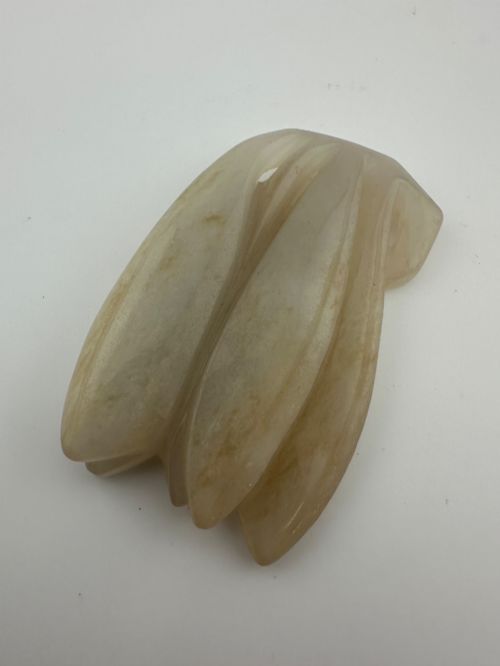
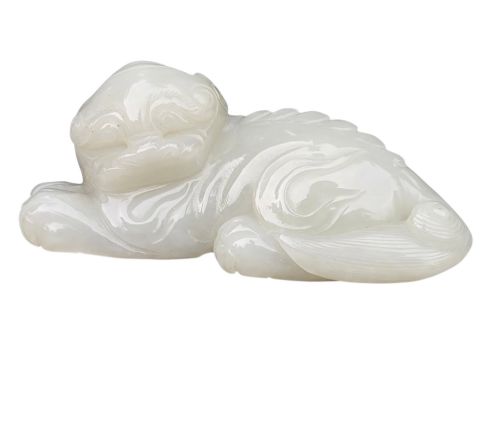
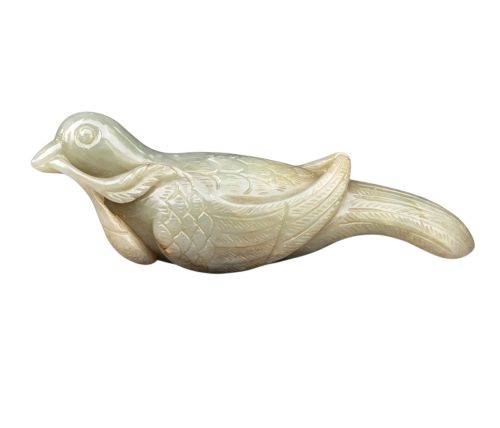
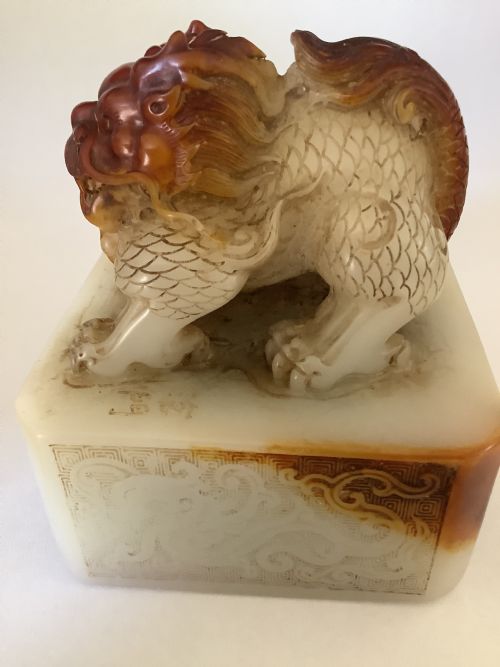
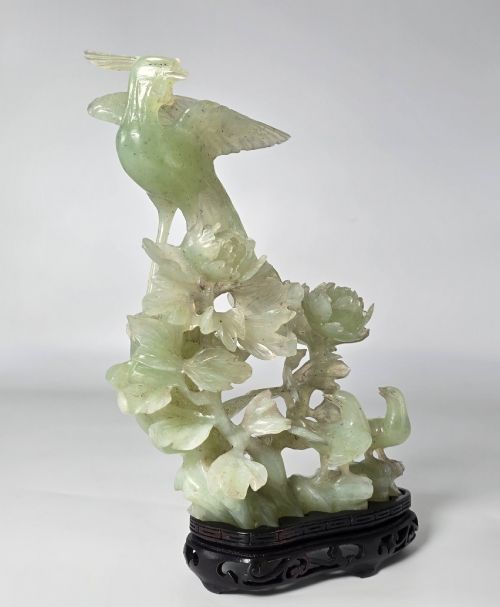
A carved jade ornament encompasses a diverse group of objects, ranging from scholarly brush washers and water birds to mythical beasts, pendants, and desk seals. When searching this phrase, you encounter pieces shaped primarily during the Qing Dynasty, the subsequent Republic Period, and the early twentieth century.
The forms vary widely in scale and function, from miniature fish sculptures and belt buckles to substantial mountain landscape carvings resting on hardwood stands. Many pieces incorporate traditional motifs such as dragons, pixiu, lotus blossoms, and cicadas, reflecting specific cultural symbolism.
Pale celadon, white, and russet jade predominate amongst the material selections, alongside nephrite and jadeite variants. Most items originate from Chinese traditions, spanning imperial commissions and decorative Asian art made for domestic and export markets.
What varies in quality
The standard of a carving rests upon the depth, sharpness, and discipline of the relief work, where fluid lines and confident undercut details distinguish superior pieces from stiffer, shallower work. The natural quality and translucency of the stone itself play a central role, with uniform white or pale celadon jade commanding greater appreciation than heavily flawed or muddy material.
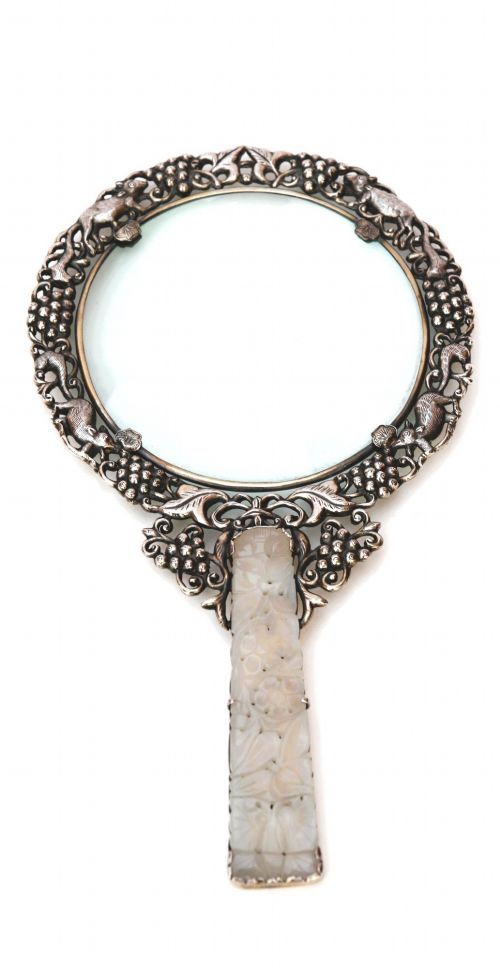
Proportion and harmony between the subject and the natural shape of the pebble or boulder guide the maker's hand in higher-grade examples. Integrated elements, such as bespoke hardwood stands or fine silver mounts, contribute further to the distinction between standard decorative items and exceptional scholar's objects.
Listings span the eighteenth century to the 1930s, featuring materials from white and celadon jade to hardstone, nephrite, and silver.
The Carved Jade Ornament Glossary
- Celadon jade
- A pale green or grey-green variety of nephrite prized for its subtle tone and smooth lustre. It serves as a traditional medium for scholar's objects and animal carvings.
- Nephrite
- A tough, fibrous amphibole mineral that forms one of the two distinct materials known as jade. It resists breakage, making it suitable for intricate, deep-relief sculptures.
- Jadeite
- A pyroxene mineral representing the harder, brighter form of jade, frequently displaying vibrant emerald greens or icy white translucency. It appears prominently in later pendants and ornaments.
- Pixiu
- A mythical winged celestial creature of ancient Chinese origin, often depicted with a dragon head and horse body. Carvings of this beast are traditionally associated with attracting wealth.
- Qianlong Period
- The era of the Qing Dynasty spanning the eighteenth century, marked by imperial patronage and exceptional refinement in lapidary arts. Pieces from this time show rigorous technical control.
Carved Jade Ornament: Frequently Asked Questions
What is the difference between nephrite and jadeite?
Nephrite and jadeite are two distinct mineral species that share the same visual designation. Nephrite is an amphibole with a dense, fibrous structure that yields a slightly softer, greasier lustre.
Jadeite is a pyroxene mineral that tends to display greater translucency and brighter colour variations. Both materials appear across different periods in these listings.
How can I tell the period of an ornament?
Dating relies upon stylistic cues, tool marks, and the specific iconography associated with imperial reigns or republican transitions. Eighteenth-century pieces often display restrained scholarly forms, while later nineteenth- and twentieth-century items introduce varied mounting techniques and distinct surface treatments.
The context of the hardwood stand or accompanying silver elements also provides chronological guidance.
Were these items meant to be displayed or handled?
Scholar's objects and small sculptures were designed for tactile engagement as well as visual contemplation on desks and tables. Items like brush washers, belt buckles, and pendants were created for practical use or personal wear.
Larger landscape carvings and jardiniere pieces functioned primarily as stationary display decorations.
Why do some carvings feature russet patches?
The russet coloration results from natural iron staining in the outer skin of the jade boulder, known to lapidaries as the skin or cortex. Skilled carvers incorporate these coloured areas into the design to represent fur, earth, or autumn foliage.
This integration demonstrates the artisan's skill in working with the raw material's natural characteristics.