


Carved Irish Table
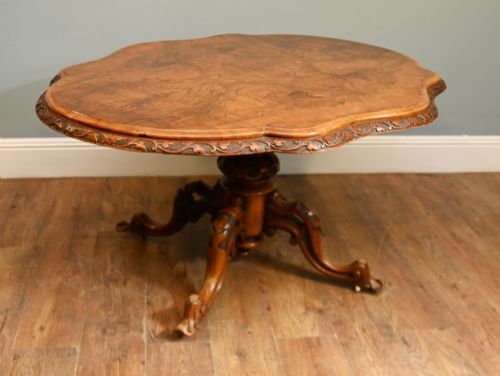
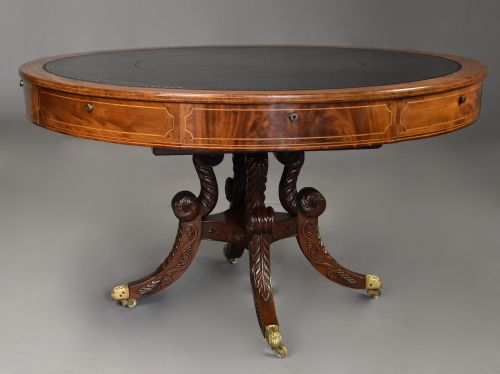
When you search for a carved irish table, you encounter substantial mahogany, walnut, and rosewood forms spanning the eighteenth and nineteenth centuries.
Carved Irish Table
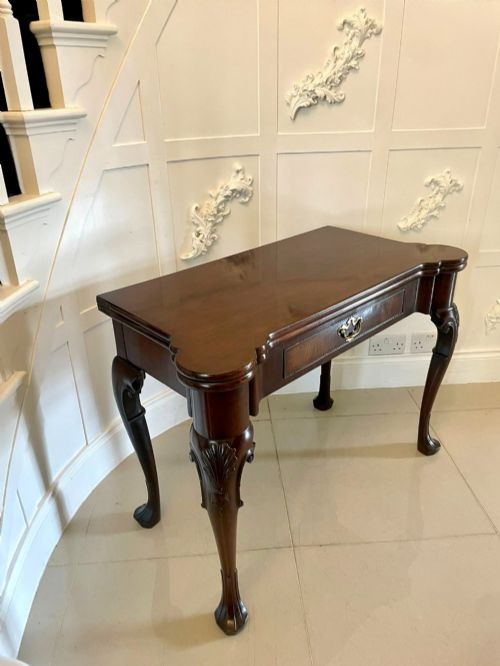
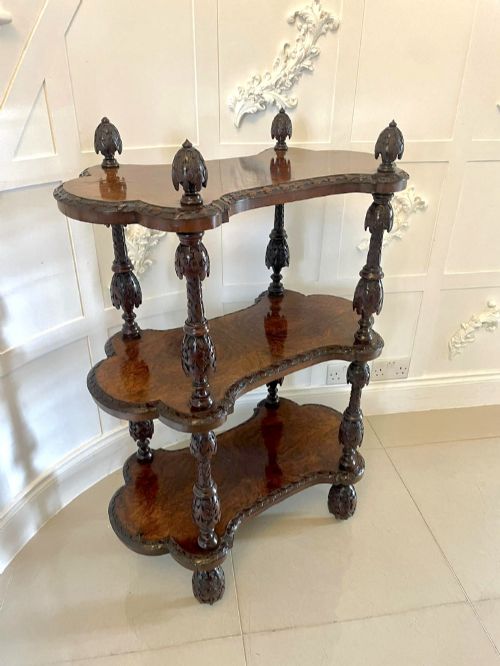
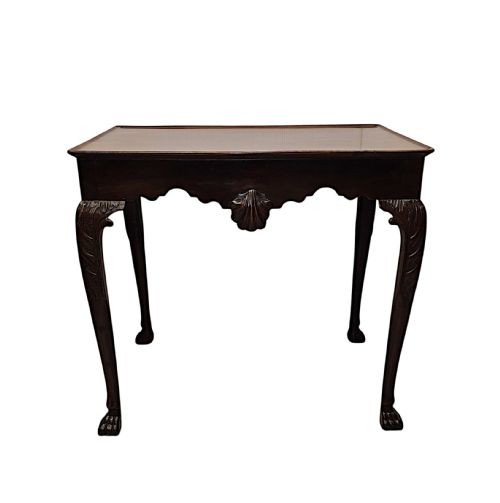
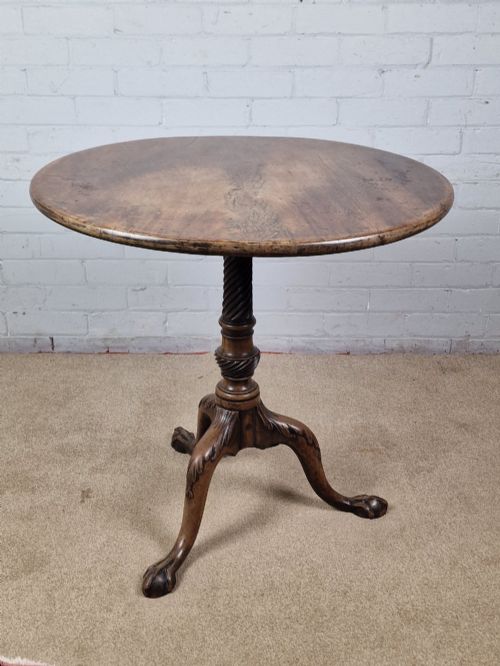
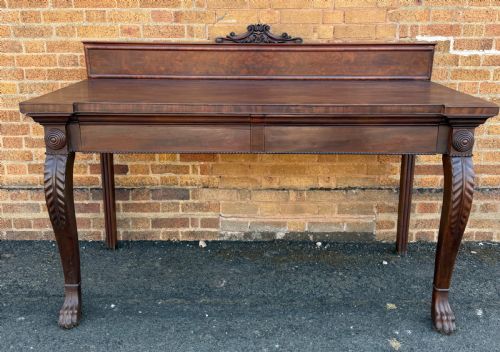
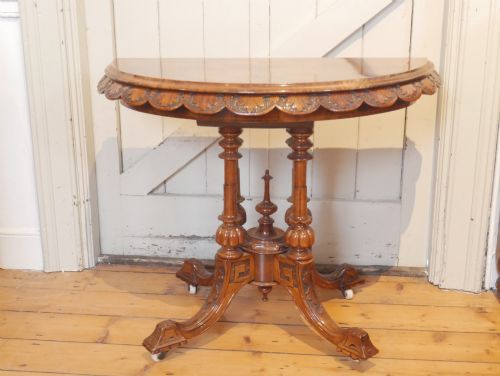
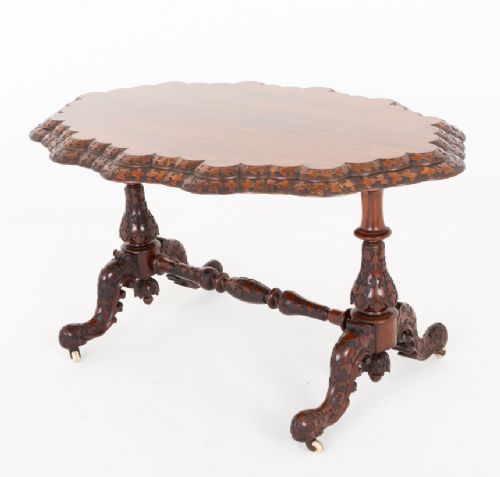
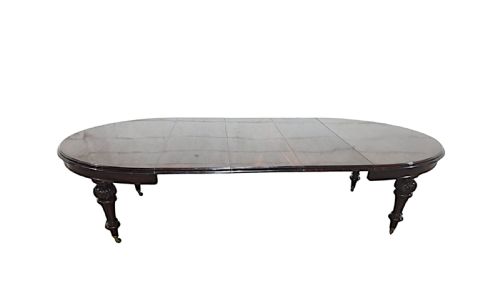
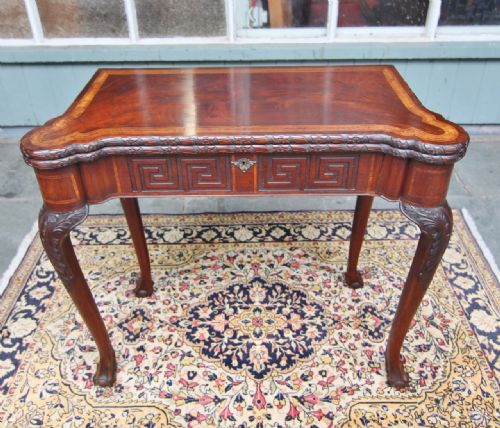
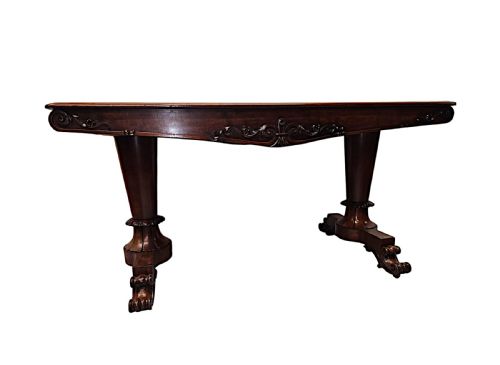
A carved irish table encompasses diverse domestic forms including console tables, card tables, serving tables, and centre tables originating across the eighteenth and nineteenth centuries.
The selections on this page demonstrate the heavy influence of Georgian, George II, and Victorian design traditions, often executed in rich native or imported timbers.
Buyers seeking a carved irish table most frequently encounter nineteenth-century walnut and mahogany examples, alongside earlier eighteenth-century card and serving tables.
How they were made
Cabinetmakers utilised dense timbers such as mahogany, walnut, burr walnut, rosewood, and oak, frequently pairing solid primary woods with complementary veneers.
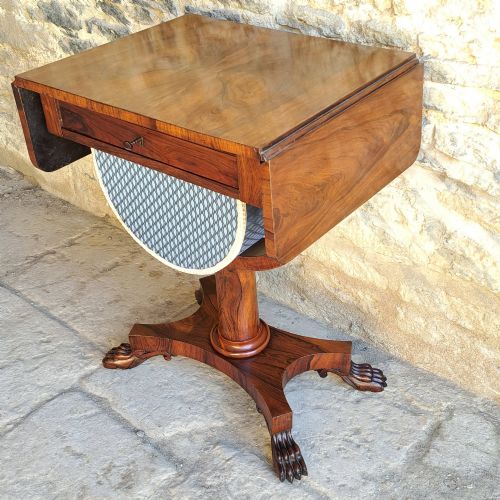
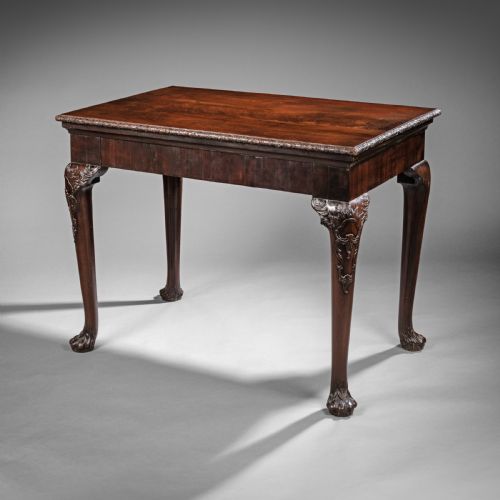
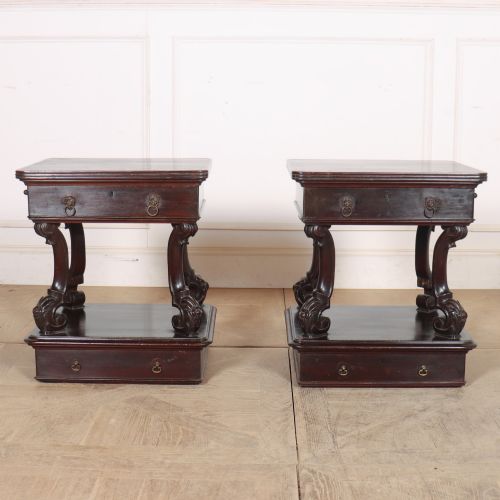
Carving technique defines these pieces, displaying deep relief work on cabriole legs, lion masks, and paw feet using traditional hand tools.
Construction methods range from concertina actions on card tables to tilt-top mechanisms and drop-leaf joints designed for versatility.
Carved Irish Table Retail Price Guide 2026
Typical asking prices for carved irish table among the pieces listed under this phrase on Sellingantiques today, from the lower quarter to the upper quarter. They describe what is for sale here now, not the wider market.
Listings feature woods spanning mahogany, walnut, burr walnut, rosewood, oak, and pollard oak across the eighteenth and nineteenth centuries.
What varies in quality
The depth and crispness of the timber carving set superior examples apart, where details like foliage and animal motifs retain sharp relief.
Quality rests heavily on the choice of wood and the preservation of its natural patina, with burr walnut and figured mahogany showing superior grain patterns.
Proportion and structural ambition separate standard domestic items from exhibition pieces attributed to prominent Dublin workshops.
Williams and Gibton·Robert Strahan·Gillingtons
The Carved Irish Table Glossary
- Concertina action
- An expanding frame mechanism used on card tables that doubles the supporting surface when opened. This allows the table to function as a compact side piece before extending for games.
- Cabriole leg
- A furniture leg that curves outward at the knee and tapers inward toward the ankle, often terminating in a foot. It draws inspiration from animal forms.
- Hoof foot
- A carved furniture foot shaped to resemble the hoof of a beast, frequently seen on eighteenth-century Irish furniture.
- Killarney ware
- Decorative woodenware produced in County Kerry during the nineteenth century, characterised by intricate inlaid marquetry of native timbers such as arbutus.
- Tea poy
- A small stand or table fitted with compartments for storing tea caddies, popular during the Regency and William IV periods.
Carved Irish Table: Frequently Asked Questions
How do I identify an Irish table?
Irish tables often display distinctive carving styles, such as heavier proportions, lion masks, and prominent shell motifs executed in rich mahogany or walnut.
Examining the secondary woods and construction methods further helps confirm regional origin.
Where were these tables used?
Serving tables and console pieces typically stood in grand dining rooms or halls, while card and centre tables occupied formal drawing rooms.
Smaller work tables and bedside variants served private living spaces and bedrooms.
How should I care for a walnut table?
Keep wooden tables away from direct heat sources and strong sunlight to prevent the timber and veneer from drying out or splitting.
Regular dusting with a dry cloth maintains the finish without harming the historic patina.