




Carved Indian Plaque
These carved Indian plaques span centuries of skilled handwork, offering intricate relief panels and decorative shields that bring historic artistry into a modern room.
Carved Indian Plaque
When you search for a carved indian plaque, you encounter a diverse array of wall panels, decorative shields, and trays originating from various periods including the 18th Century and the Edwardian era. These pieces reflect rich regional traditions such as Kashmiri, Anglo-Indian, and Indo-Persian styles, often showcasing elaborate craftsmanship.
The objects on this page range from deep relief hardwood wall panels and specimen wood plaques to engraved brass dhal shields and copper chargers. Architectural treen elements and wall masks also appear alongside erotic Kama Sutra panels from Orissa, demonstrating the broad scope of historic forms available.
Buyers are most likely to meet 19th Century hardwood and brass examples on this page, alongside specific regional specialities in walnut and copper. Each format serves primarily as wall decoration, whether through carved woodwork or hand pierced metalwork.
Materials and construction methods
Woodworking relies heavily on dense timbers such as walnut, teak, ebony, and assorted hardwoods, shaped through deep relief carving and specialised joinery. Specimen wood assemblies and architectural fragments demonstrate traditional carpentry skills passed down through generations.
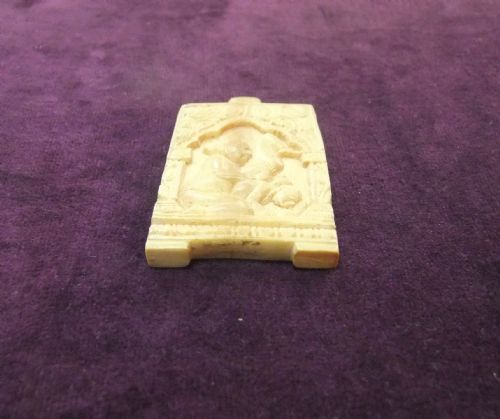
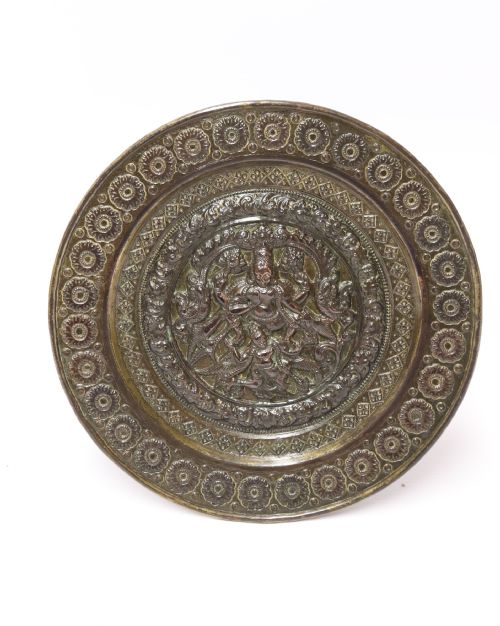
Metalwork utilises brass and copper sheet, decorated through hand engraving, piercing, and repoussé techniques to create large chargers and defensive shields with intricate foliate motifs. Bone and ivory elements occasionally supplement these assemblies for textural contrast.
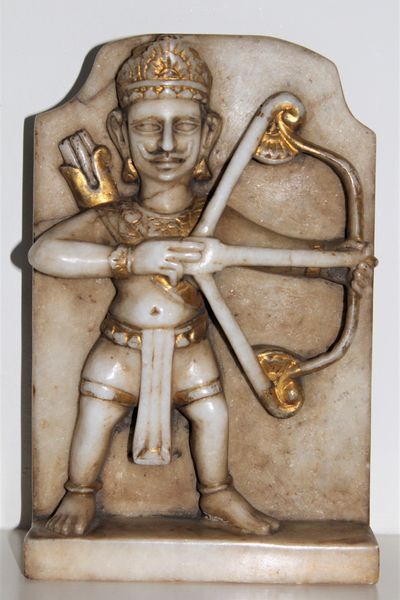
Stone carving appears in select instances, employing marble to render figural subjects like Arjuna with precise chiselling and polished surface detailing.
Listings feature materials spanning hardwood, teak, ebony, brass, copper, marble, and bone across various 18th, 19th, and Edwardian periods.
Distinctions in quality
The depth and clarity of the chisel work define the visual standard of a carved panel, separating sharply articulated motifs from softer, more generalized scoring. Superior examples display crisp undercutting and well-defined figurative or foliate details.
In metalwork, the precision of the hand piercing and the weight of the brass or copper gauge determine the structural integrity of a charger or shield. Finely engraved foliate decoration maintains consistent depth and symmetry across the entire surface.
The Carved Indian Plaque Glossary
- Treen
- Small handmade wooden household objects and architectural fragments. These items showcase historic turning and carving skills.
- Charger
- A large decorative plate or wall dish. They are frequently made of brass or copper and feature engraved patterns.
- Repoussé
- A metalworking technique where the metal is hammered from the reverse side to form a raised design in relief. This creates dimensional surface decoration on shields and plaques.
- Anglo-Indian
- A style describing decorative arts produced during the British Raj period combining British forms with traditional Indian craftsmanship. These pieces often utilise exotic hardwoods.
- Foliate
- Ornamentation or decoration using leaf motifs. This style appears frequently across both metal engravings and wood carvings.
Carved Indian Plaque: Frequently Asked Questions
What is the difference between brass and copper chargers?
Brass chargers present a bright golden alloy appearance, whereas copper items display a distinct reddish-brown metallic tone. Both metals were shaped by hand and decorated through piercing or engraving.
Maintenance involves gentle dusting rather than harsh polishing to preserve the historic patina. Each metal reacts differently to environmental humidity depending on its alloy composition.
Where were these carved panels originally placed?
Many panels functioned as architectural elements within homes, palaces, or official buildings during the Raj period. Wall masks and architectural treen often originated from structural woodwork.
Decorative shields and chargers served both ceremonial purposes and interior ornamentation. Their relocation to domestic interiors has a long history among collectors.
How can I identify Kashmiri walnut items?
Kashmiri walnut pieces typically feature dense, finely detailed carving executed in rich brown timber. The regional style often incorporates intricate floral and foliate motifs specific to northern workshops.
Examining the grain and the crispness of the relief work helps distinguish Kashmiri walnut from other regional hardwoods. The wood darkens naturally with age.