



Indian Architectural Carving
These Indian architectural carving pieces bring heavy timber, weathered stone, and centuries of structural craft straight into your rooms.
Indian Architectural Carving
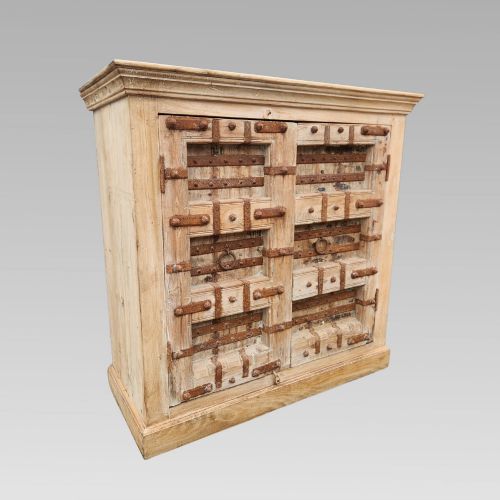
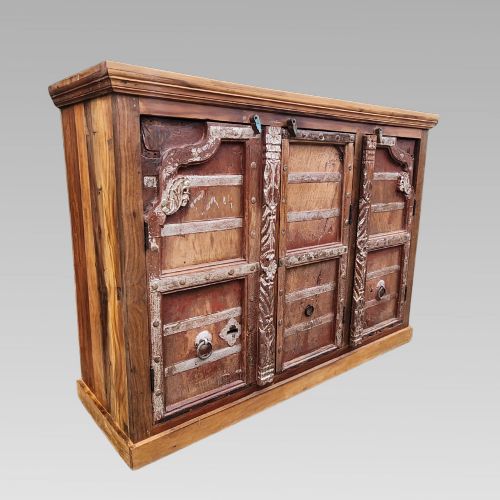
Indian architectural carving encompasses structural fragments, panels, and columns salvaged from buildings, temples, and domestic homes across the subcontinent. Buyers seeking these items will find large timber storage units built from reclaimed teak, alongside stone fragments mounted for display.
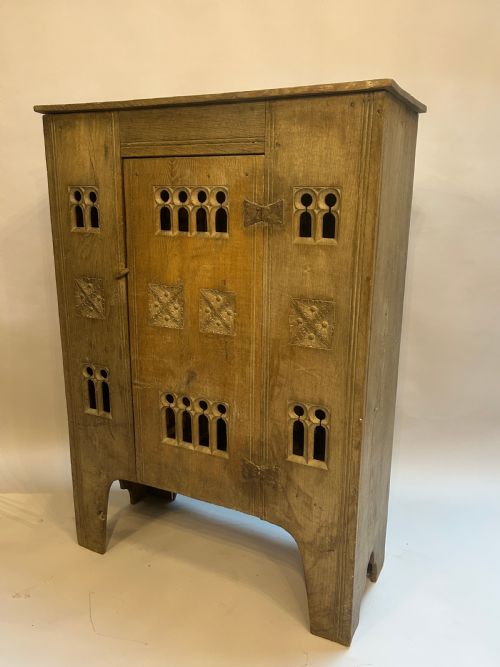
The objects span multiple centuries, ranging from pre-sixteenth century sandstone reliefs to nineteenth-century columns and twentieth-century cupboards. Forms vary widely from architectural salvage doors and roof decorations to wall masks and relief panels.
Traditional Indian and Indo-Saracenic styles dominate the selection, accompanied by occasional provincial and colonial variations. Pieces such as cupboards and sideboards repurpose ancient woodwork into functional modern furniture.
Materials and Construction
Sandstone and red stone served as primary mediums for sculptural columns and heavy relief carvings, shaped by regional masons. Surface finishes include original paint schemes and stained treatments on aged wood.
A cast iron stand holds up an ancient stone torso, giving an old deity a remarkably modern footing.
Assessing Quality
Depth and crispness of the chisel work separate ordinary architectural salvage from superior sculptural panels, particularly in figurative subjects like deities and erotic scenes. The integrity of the original material, whether dense teak or hard sandstone, determines durability.
The survival of original surface treatments, such as historic paint and structural frames, adds depth to a piece. Skill in repurposing elements like cupboard doors into functional furniture maintains the architectural dignity of the salvaged timber.
The Indian Architectural Carving Glossary
- Architectural salvage
- Building components rescued from demolition for decorative reuse. These items include columns, doors, and roof elements.
- Pilaster
- A rectangular architectural support projecting from a wall. They mimic structural columns in flat relief.
- Relief carving
- Sculpture where figures project from a flat background. This technique decorates stone panels and wooden friezes.
- Treen
- Small handmade wooden objects and household wares. The term covers carved wooden masks and small decorative items.
- Indo-Saracenic
- An architectural style blending Indian and Islamic forms with Gothic revival elements. It appears in nineteenth-century structures.
Indian Architectural Carving: Frequently Asked Questions
How do I hang a heavy wooden panel?
Heavy carved panels require secure wall fixings tied directly into masonry or internal wall studs. Professional installation ensures the substantial weight of aged hardwood is safely supported.
Weight distribution matters greatly with older timber and stone. Use appropriate brackets rather than relying on standard picture wire.
Are these items suitable for outdoor use?
Most historic timbers and painted surfaces suffer degradation when exposed to damp weather and frost. Sandstone and red stone columns tolerate outdoor placement better than dried hardwoods.
Sheltered garden rooms or courtyards offer safer display environments than open lawns. Check material types carefully before exposing pieces to the elements.
How do I clean antique carved wood?
Dust dry wood gently with a soft brush to protect fragile carved details and historic finishes. Avoid liquid polishes and abrasive cleaners that strip original patination.
Wax can nourish dry teak over time if applied sparingly. Consult a conservator for pieces retaining original paint.
How can I date stone carvings?
Dating relies on stylistic markers, iconography, and the tool marks left by regional masons. Eleventh-century northern Indian pieces show distinct sculptural conventions compared to later nineteenth-century work.
Material composition and weathering patterns also provide clues to age. Expert appraisal helps confirm the specific era and region of origin.