




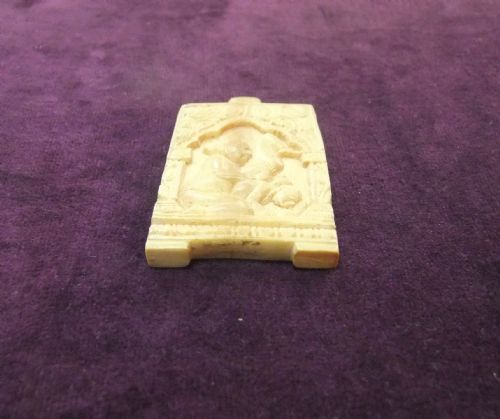

Cream Relief Plaque
A cream relief plaque brings classical texture and sculptural depth to an interior, offering tactile historical ornament for the wall.
Cream Relief Plaque
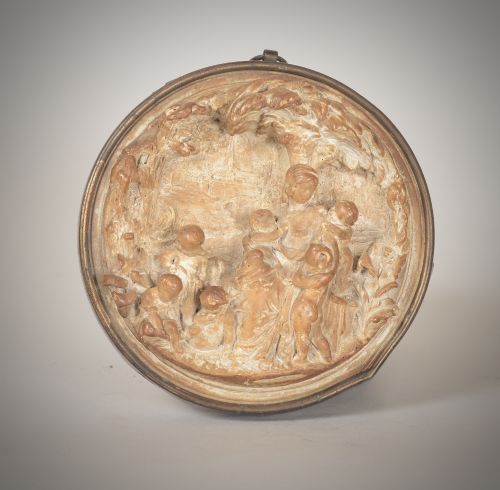
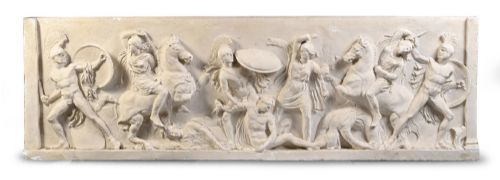
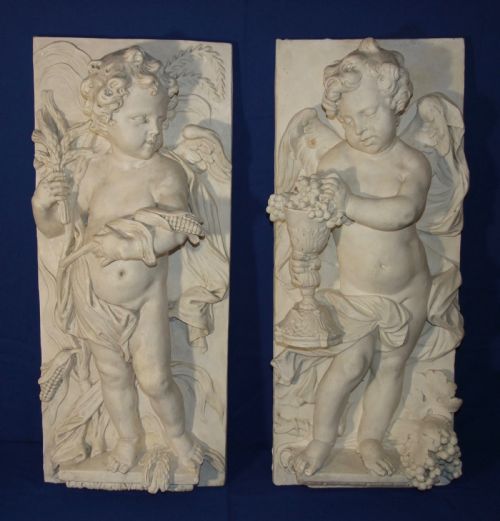
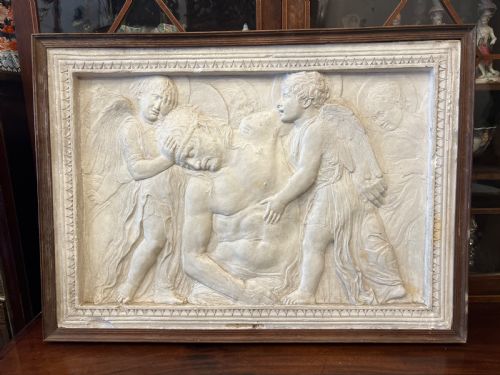
A cream relief plaque encompasses carved panels, plaster casts, and sculpted wall reliefs from the eighteenth and nineteenth centuries. These decorative works showcase classical mythology, religious subjects, and intricate figurative scenes designed for prominent interior display.
The pieces on this page appear in materials like plaster, gypsum, earthenware, ivory, and marble, spanning neoclassical, Victorian, and French chateau styles. They take the form of wall plaques, friezes, and carved panels originating from Britain, France, Italy, and India.
Buyers are most likely to encounter nineteenth-century plaster casts and eighteenth-century carved panels among these selections. Each object provides a distinct sculptural narrative, whether through grand tour subjects or traditional regional craftsmanship.
How they were made
Plaster and gypsum pieces rely on skilled casting techniques, often capturing the detail of classical sculptures and Renaissance works. Makers poured or pressed the material into moulds to achieve crisp, three-dimensional surfaces with a smooth, pale finish.
Carved panels and plaques utilise traditional hand-working methods on materials such as wood, ivory, marble, and mother of pearl. Artisans employed chisels and fine tools to carve complex figurative reliefs, including neoclassical motifs and intricate narrative scenes.
A Scottish Portobello plaque immortalises Auld Lang Syne in earthenware, proving that even romantic poetry needs a wall to call home.
What varies in quality
The sharpness of the sculptural detail and the precision of the modelling separate finer examples from simpler workshop copies. Superior pieces retain crisp edges in the plaster or deeply articulated lines in the carved panels, ensuring the narrative remains distinct.
The choice of material and the sophistication of the composition dictate the distinction between standard and exceptional works. Masterful handling of form, whether depicting classical deities or regional folklore, elevates the decorative impact of the plaque.
The Cream Relief Plaque Glossary
- Relief sculpture
- A sculptural technique where the figures project from a background plane, creating a three-dimensional effect on a flat surface.
- Neoclassical
- A style spanning the eighteenth and nineteenth centuries inspired by the art and culture of ancient Greece and Rome.
- Grand tour
- A cultural excursion undertaken by wealthy young Europeans in the eighteenth and nineteenth centuries, collecting art and plaster casts as mementos.
- Plaster cast
- A copy of a sculpture or architectural element made by pouring plaster into a mould, popular for study and interior decoration.
- Frieze
- A long, narrow band of sculpture or decoration adorning a wall, often depicting figurative or narrative scenes.
Cream Relief Plaque: Frequently Asked Questions
How do I hang a heavy plaster plaque safely?
Plaster and marble wall reliefs require secure fixings anchored directly into structural wall supports rather than standard plasterboard. Utilising appropriate brackets or weight-bearing mounts ensures the plaque remains stable without putting stress on the composition.
Because these materials are dense and rigid, professional installation is often advisable for larger pairs or friezes. Ensuring the weight is distributed evenly prevents accidental slipping or damage to the edge of the relief.
What is a grand tour plaque?
A grand tour plaque is a souvenir or study piece acquired during travels through Europe, particularly Italy and France, during the eighteenth and nineteenth centuries. These items typically replicate classical sculptures or ancient architectural details in plaster or gypsum.
Collectors valued them for bringing classical antiquity into domestic spaces as decorative wall art. They serve as historical records of nineteenth-century taste and the appreciation of Renaissance and classical heritage.
How should I clean carved ivory or mother of pearl?
Organic materials such as ivory and mother of pearl require gentle maintenance using a soft, dry brush to remove dust from the crevices. Moisture and chemical cleaners should be avoided entirely to prevent staining, warping, or deterioration of the delicate carved surface.
Keeping these pieces away from direct sunlight and fluctuating humidity protects the natural material from splitting. Regular, light dusting is sufficient to preserve the intricate details of nineteenth-century shell carvings and panels.
How do I distinguish nineteenth-century plaster from modern resin?
Nineteenth-century plaster possesses a natural weight, a chalky texture under close inspection, and often shows subtle signs of age such as minor surface wear or historic repairs. Modern resin copies tend to feel smoother, lack the porous nature of historic gypsum, and have a uniform synthetic density.
Examining the reverse of the plaque often reveals mounting marks, patination, or materials characteristic of the period. Historic pieces display the tactile qualities of traditional casting methods rather than modern industrial moulding.