




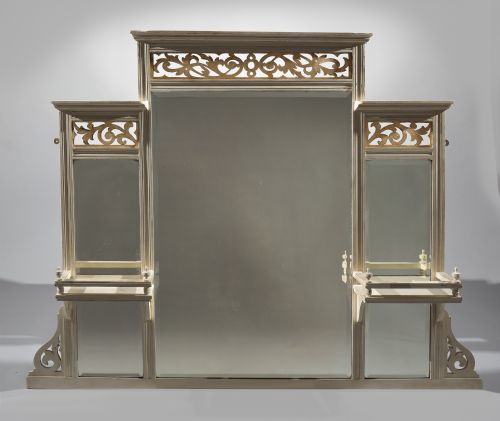


Cream Carved Panel
These cream carved panel pieces combine historic woodcraft with painted surfaces, offering collectors rich decorative textures for period interiors.
Cream Carved Panel
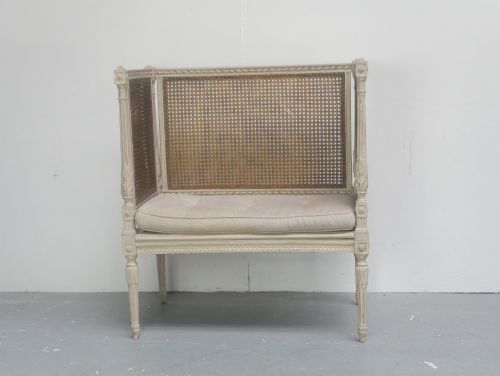
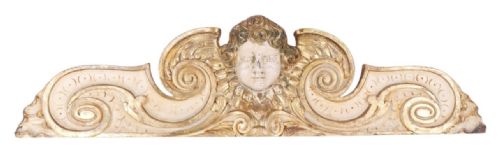
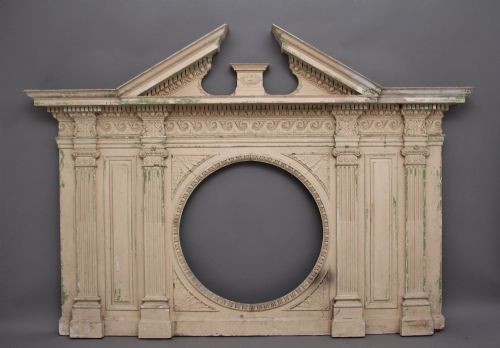
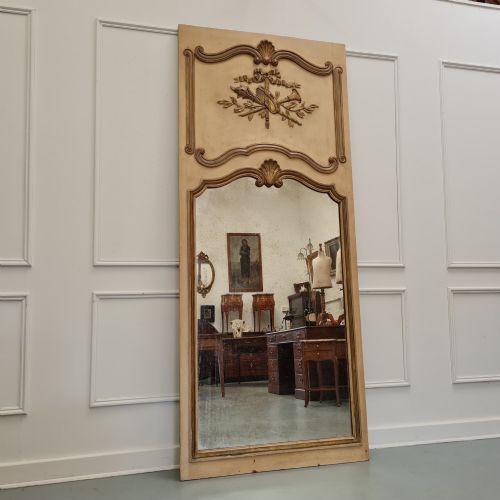
A cream carved panel selection brings together architectural salvage, decorative wall panels, trumeau mirrors, and painted furniture from various European and international origins. Buyers seeking a cream carved panel will encounter pieces ranging from eighteenth-century French boiserie and overmantels to nineteenth-century carousel items and Indian architectural elements.
The objects span multiple centuries, incorporating nineteenth-century French designs, eighteenth-century woodwork, and twentieth-century interpretations. Formats vary widely between structural wall elements, over door carvings, oil paintings on panel, and large decorative screens.
French styles dominate the selection, including French Rococo Revival, Louis XVI Revival, and French Chateau aesthetics alongside English, Italian, and Swedish pieces. Each item utilises carved woodwork finished with paint, gesso, or gilt highlights to achieve its decorative impact.
Evaluating the standard of workmanship
Quality rests primarily upon the depth, sharpness, and fluidity of the hand-carved relief work rather than simple surface decoration. Finer pieces demonstrate superior control in chisel work, where motifs retain crisp anatomical or botanical proportions.
The integrity of the painted and gilt surfaces also distinguishes better examples, particularly where original layered gesso and historic paint remain intact beneath later patination. Structural soundness in the underlying timber joints determines the longevity and authenticity of each piece.
The inventory encompasses periods ranging from the 18th century through to the 1920s, featuring wood, paint, gesso, glass, and gold leaf.
Paul Sormani·Paul-Élie Gernez
The Cream Carved Panel Glossary
- Boiserie
- French wood panelling used to decorate interior walls, often incorporating carved reliefs and painted finishes. These panels define the architectural grandeur of historic European rooms.
- Trumeau
- A decorative wall mirror or panel featuring an oil painting or carved artwork set into the upper section. This form typically sits above a mantelpiece or between windows in period salons.
- Gesso
- A plaster-like material applied to wood surfaces as a smooth base for painting and gilding. Historic pieces rely on this compound to build up fine decorative mouldings.
- Overmantel
- A decorative mirror, painting, or carved panel designed to hang specifically above a fireplace mantel. These items anchor the visual focus of a principal reception room.
- Giltwood
- Timber that has been coated with a thin layer of gold leaf or metallic powder over a prepared ground. This treatment creates a luminous, reflective surface under ambient light.
Cream Carved Panel: Frequently Asked Questions
What is a trumeau mirror?
A trumeau mirror is a traditional French wall fixture that combines a looking glass with an integrated painting or carved wooden panel above. These pieces were designed to occupy the pier wall between windows or sit directly above a fireplace.
The integration of art and mirror glass makes them distinct architectural elements that brighten period rooms while serving as decorative focal points.
How do I care for painted wooden panels?
Painted wooden panels require stable indoor humidity and protection from direct sunlight to preserve the delicate gesso and historic paint layers. Dusting should be performed gently with a dry, soft cloth without applying liquid cleaning solutions.
Avoiding abrupt temperature changes prevents the underlying timber from expanding and contracting, which can cause the painted surface to crack or flake over time.
How can I distinguish eighteenth-century work from later revivals?
Eighteenth-century woodwork typically reveals hand-cut joinery, older tool marks, and organic wear patterns accumulated through centuries of use. Revival pieces from the nineteenth and twentieth centuries often employ more standardised manufacturing techniques and different underlying hardware.
Examining the composition of the paint layers and the natural oxidation of the timber helps determine the true age of the carving.