
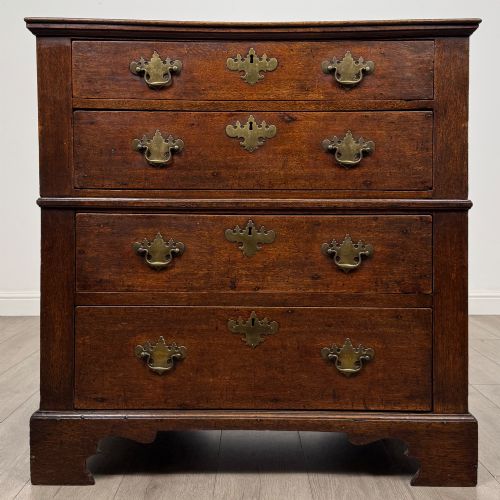
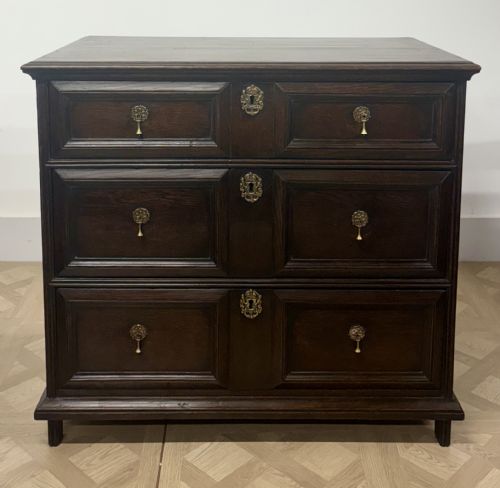
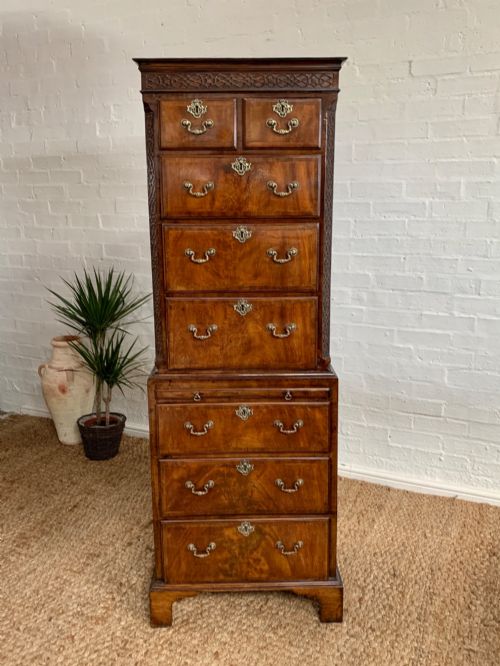
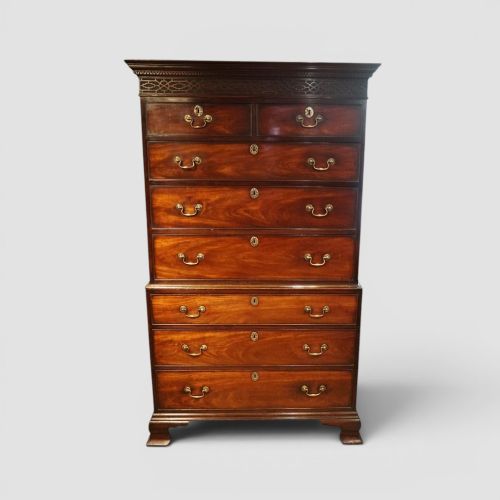
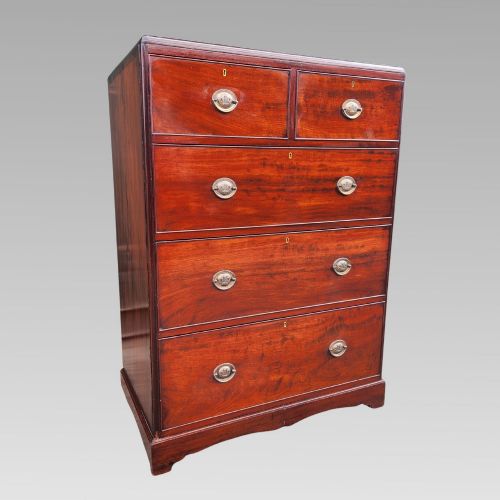
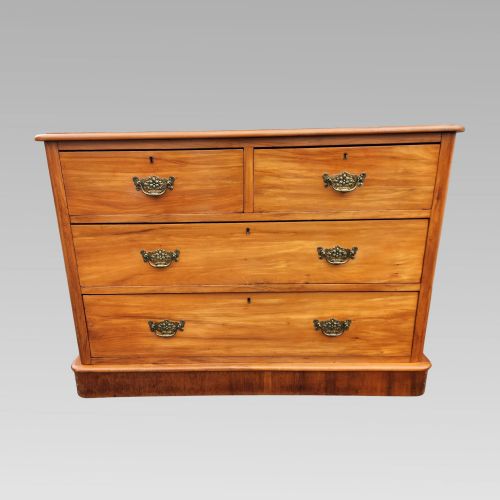
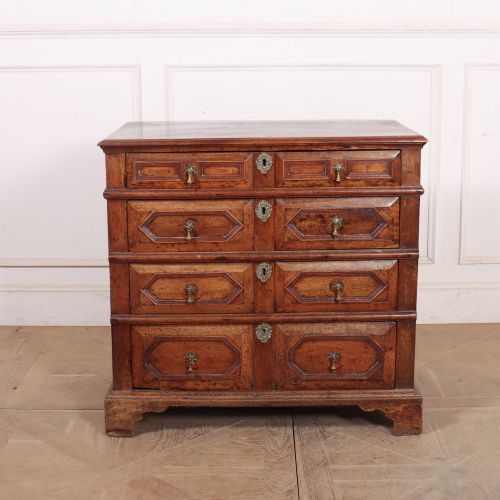

Carved Handle Tallboy
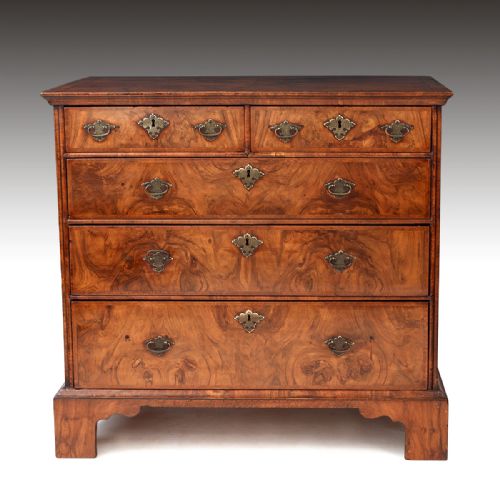
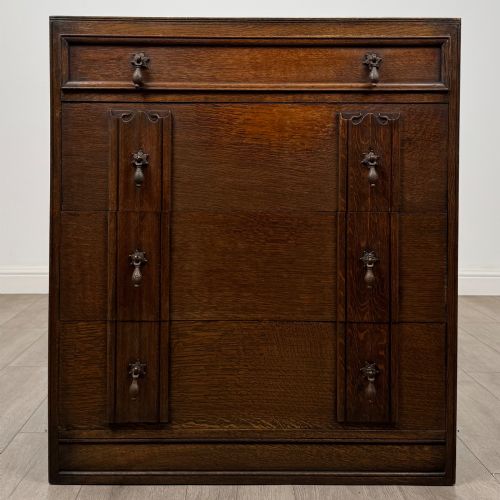
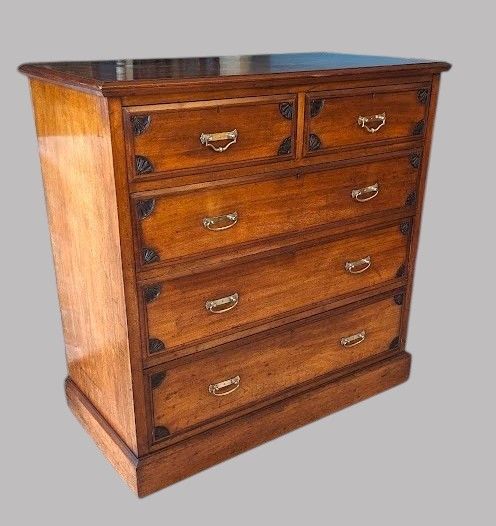
A carved handle tallboy provides commanding vertical storage, combining generous drawer space with the warmth of aged timber.
Carved Handle Tallboy
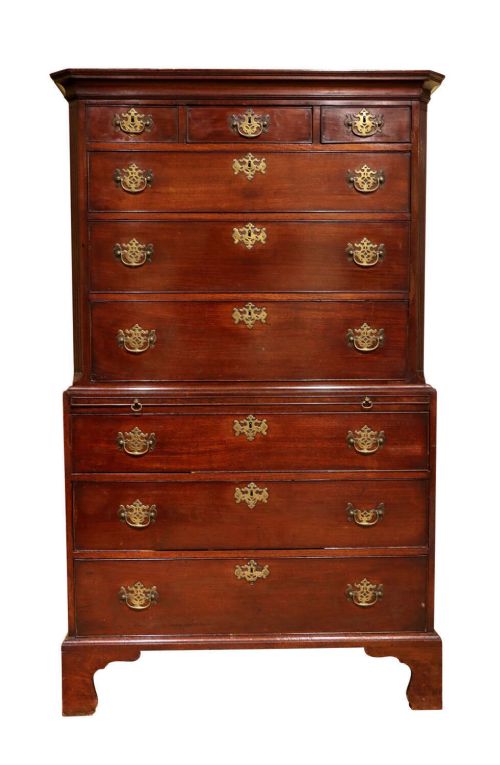
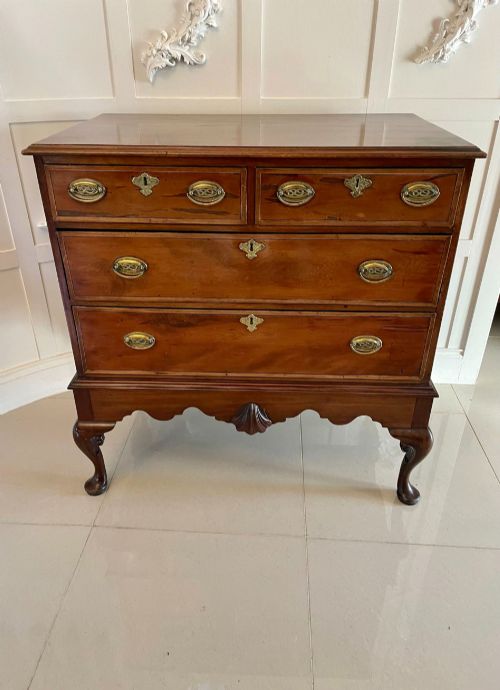
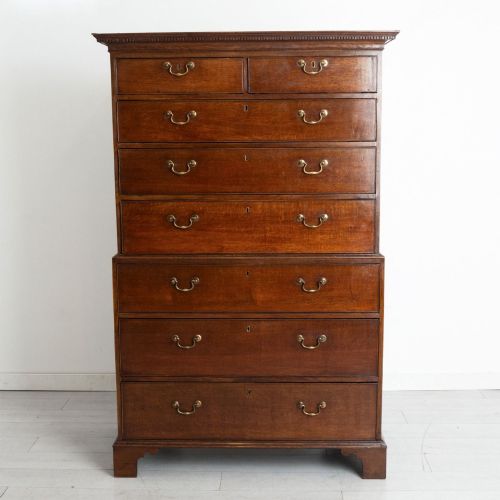
A carved handle tallboy represents a significant storage form, typically seen as a chest on chest or a chest on stand. These pieces rise taller than standard drawer units, designed to maximise floor space while offering multiple tiers of storage.
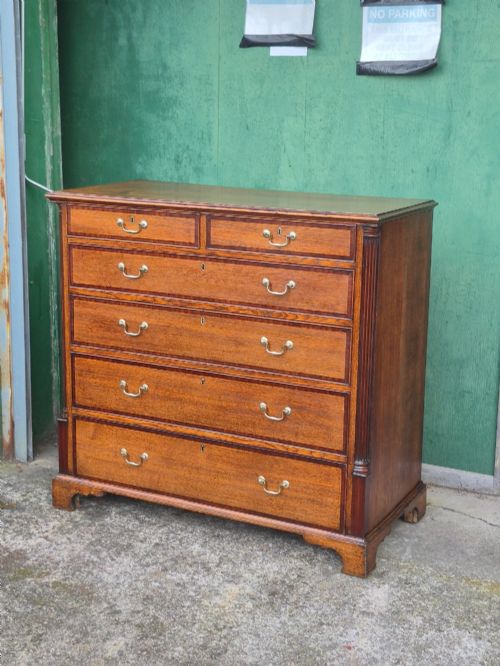
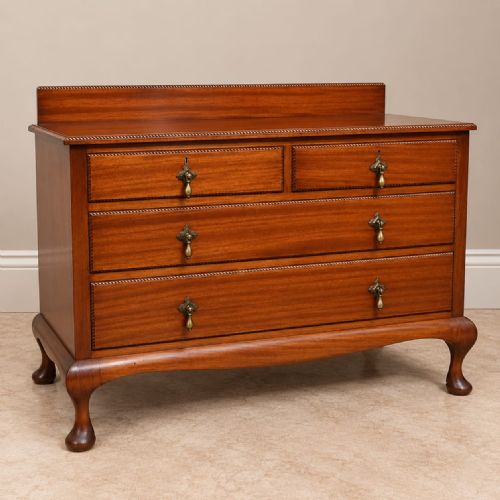
The selections span distinct historical periods, featuring robust examples from the 17th century through to Edwardian and Victorian times. Oak, mahogany, and walnut dominate the offerings, often taking the form of chests of drawers and gentlemans chests.
Makers utilised various regional traditions, resulting in pieces ranging from simple country house oak items to sophisticated Georgian and Regency designs. The presence of carved elements and original brass handles frequently defines the character of each tallboy.
Materials and Construction
Cabinet makers built these tall drawers primarily using solid hardwoods such as oak, walnut, and mahogany, frequently applying burr walnut veneers for decorative contrast. Pine and maple also appear in internal carcases or specific regional variations.
Construction techniques involve traditional dovetail joints for the drawers and sturdy frame-and-panel assemblies for the main bodies. Craftsmen integrated brass hardware, blind fret cornices, and geometric mouldings to elevate the visual appeal of the timber.
Listings feature oak, mahogany, and walnut as the primary woods, spanning periods from the 17th century through the Edwardian era.
Assessing Quality and Finish
The grade of timber and the preservation of original surfaces dictate the standing of an individual piece. Finer examples retain their original brass handles, pierced brasses, and untouched patination built up over centuries of polish and handling.
Structural integrity and the subtlety of carved details distinguish superior workshops from standard output. Clean drawer operation, crisp geometric or blind fret moulding, and intact feet or stands demonstrate adherence to high period standards.
Maple and Co
The Carved Handle Tallboy Glossary
- Tallboy
- A tall chest of drawers, often constructed as one chest stacked upon another or raised on a stand. This form developed to provide maximum storage capacity within a compact footprint.
- Chest on Chest
- A two-part tall chest where a slightly smaller upper section sits directly on top of a wider lower section. This configuration allows for substantial linen and clothing storage.
- Blind Fret Cornice
- A carved ornamental band applied to the upper moulding of a piece that appears pierced through but is actually solid behind. This technique adds texture without weakening the main cornice.
- Geometric Moulding
- Raised wooden mouldings applied to drawer fronts in repeating geometric patterns, common on 17th-century pieces. These decorative elements create depth through light and shadow.
- Original Brasses
- The historic metal handles and backplates attached to the drawers when the piece was first made. Surviving original brasses significantly contribute to the authenticity of period furniture.
Carved Handle Tallboy: Frequently Asked Questions
Where should I place a tallboy?
A tallboy suits bedrooms or large hallways where vertical wall space allows the piece to stand without dominating the room. Ensure the floor is level so the multiple drawers run smoothly within the tall carcase.
Because these units reach significant heights, check ceiling clearance and consider securing the upper section to the wall for safety if the design warrants extra stability.
How do I care for antique wood?
Maintain the timber by applying traditional beeswax periodically and buffing it gently with a soft cloth. Avoid placing the tallboy near direct heat sources or in strong sunlight to prevent the wood from drying out or warping.
Keep humidity levels in the room stable to protect delicate veneers like burr walnut and mahogany from cracking over time.
What is the difference between a tallboy and a chest on chest?
A chest on chest specifically refers to two distinct cabinet sections stacked vertically, where the top chest matches the width of the upper half of the lower base. The term tallboy sometimes covers this form alongside other tall single-carcase drawer units.
Both types share the primary goal of offering extensive vertical storage while occupying minimal floor area in period interiors.
How do I identify a 17th-century tallboy?
Seventeenth-century pieces typically feature heavy oak construction, hand-split panels, and distinct geometric mouldings across the drawer fronts. Joinery methods from this era rely heavily on pegged tenons and hand-cut dovetails rather than modern fasteners.
Surface patination on these early examples shows deep, dark tones developed through centuries of wax application and natural wear.