

Carved Green Stone
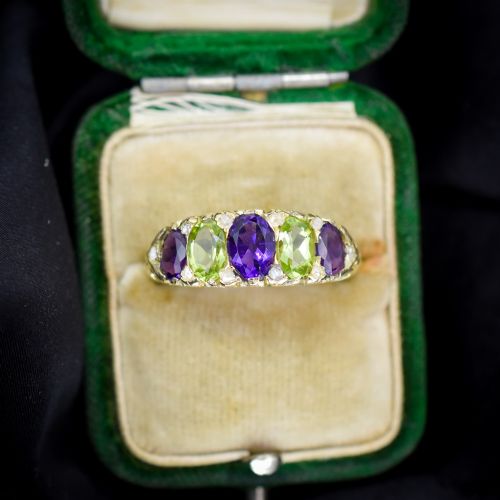
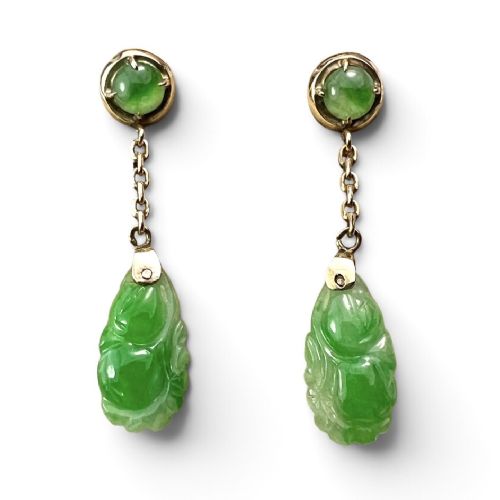
When you search for carved green stone, you encounter objects shaped from jade, serpentine, marble, and soapstone across centuries of craftsmanship.
Carved Green Stone
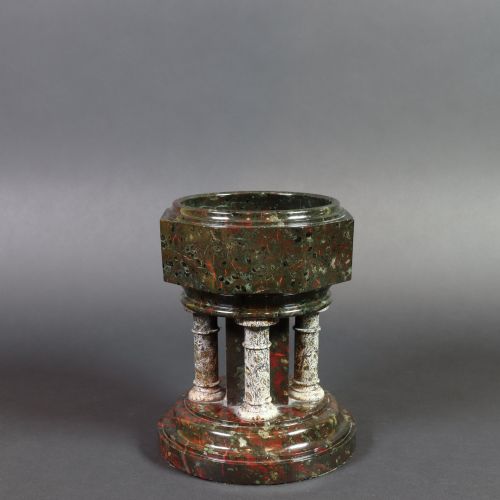
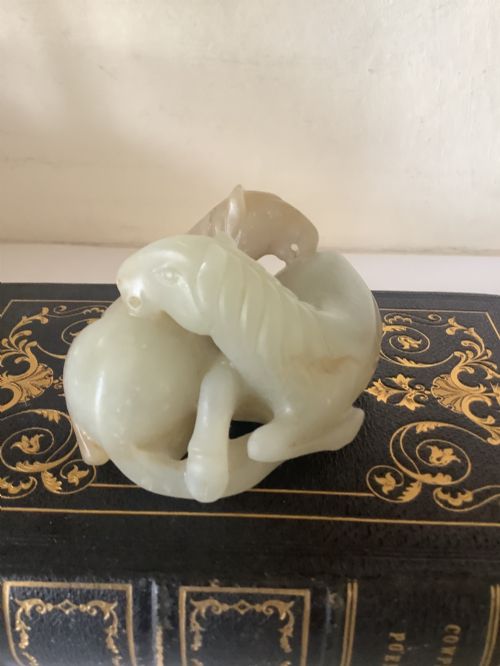
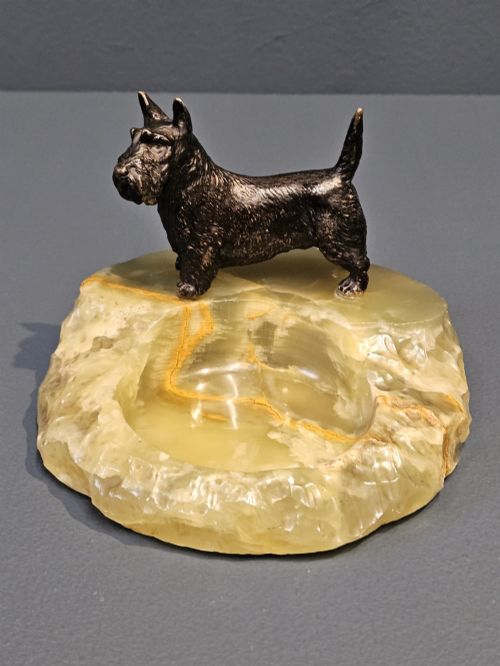
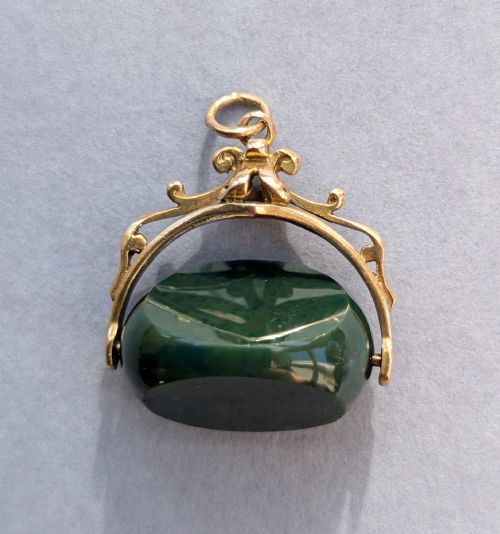
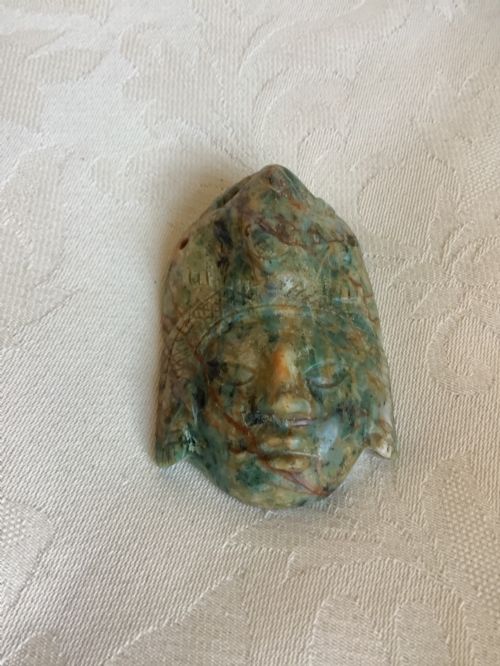
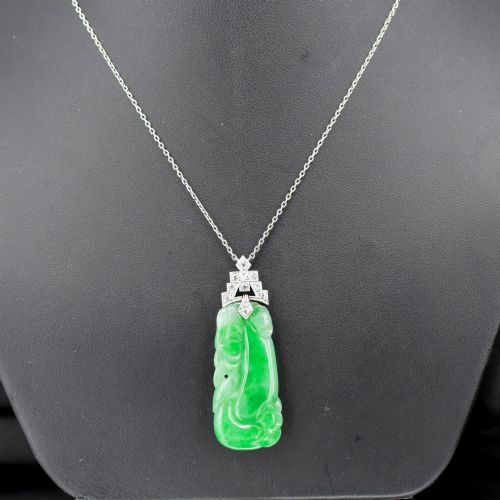
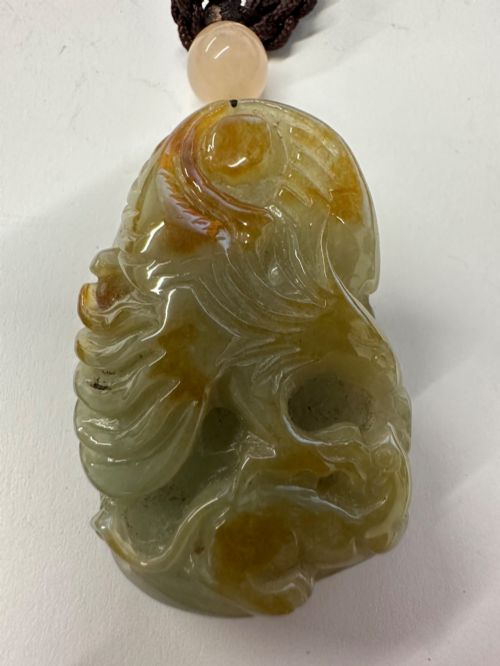
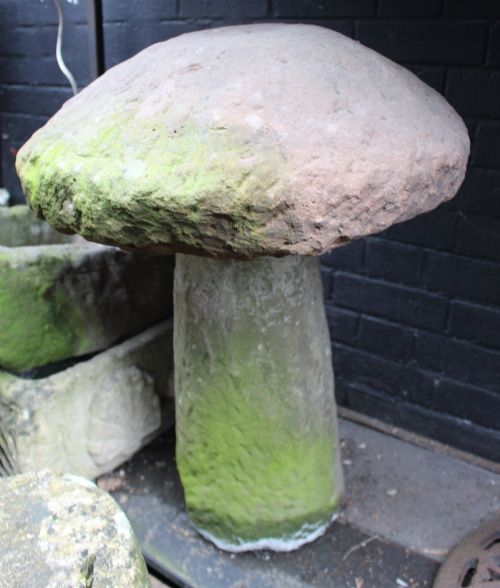
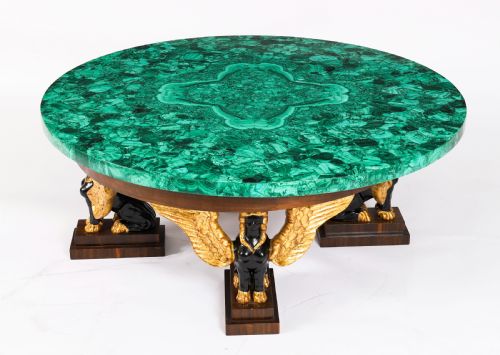
Carved green stone encompasses a diverse range of objects, spanning decorative animal figures, scholarly desk accessories, pendants, and substantial architectural elements such as columns and pedestals.
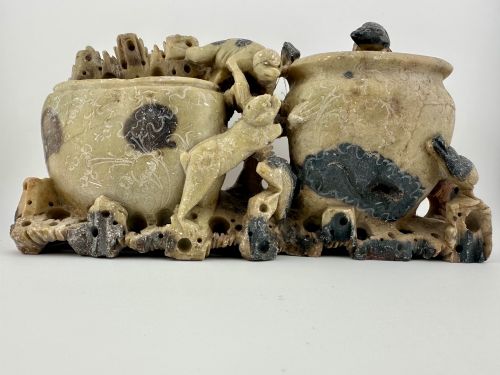
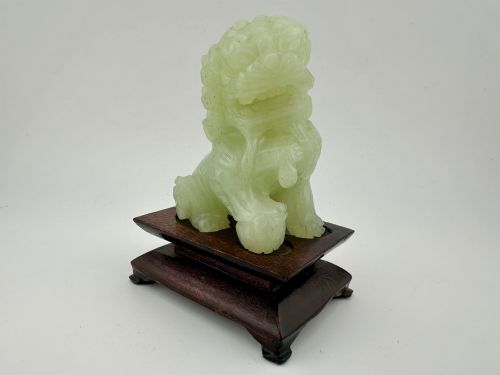
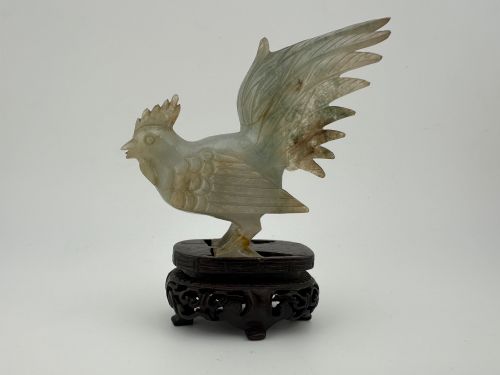
The selections on this page draw heavily from traditional Chinese craftsmanship, featuring jade and soapstone subjects like cockerels, guardian lions, and brush washers.
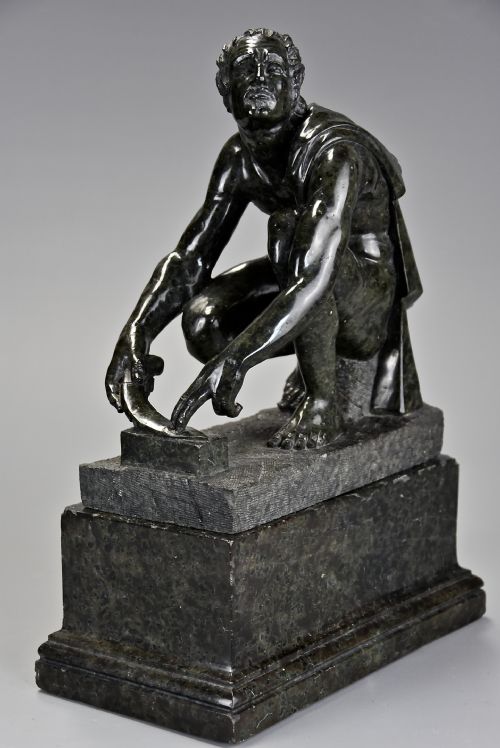
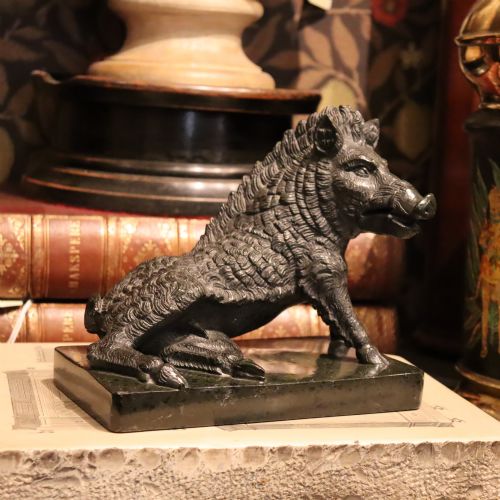
European examples are also prominent, particularly Italian Grand Tour models of classical sculptures and animals fashioned from green marble, serpentine, and verdo prato.
How they were made
Artisans worked dense natural minerals including jadeite, Bowenite serpentine, soapstone, and various marbles, often mounting Asian carvings onto fitted hardwood stands.
The production methods rely on painstaking abrasive cutting, hand carving, and polishing to bring out the varied tones and russet inclusions within the raw stone.
Carved Green Stone Retail Price Guide 2026
Typical asking prices for carved green stone among the pieces listed under this phrase on Sellingantiques today, from the lower quarter to the upper quarter. They describe what is for sale here now, not the wider market.
Listings feature items spanning the eighteenth century through to the mid-twentieth century, encompassing jade, marble, soapstone, and serpentine.
What varies in quality
Quality rests in the precision of the carving, where deep undercutting and fluid anatomical definition distinguish masterwork figures from routine decorative items.
The natural character of the material dictates the visual appeal, rewarding pieces that exhibit desirable translucency, balanced colour distribution, and harmonious integration with any original base.
The Carved Green Stone Glossary
- Jadeite
- A pyroxene mineral and one of the primary materials used in high-value Chinese carvings. It displays a crystalline structure and ranges from pale green to vivid emerald hues.
- Serpentine
- A group of hydrous magnesium silicate minerals often utilised for Grand Tour carvings. It typically presents a mottled green appearance that mimics more expensive jade.
- Soapstone
- A talc-schist stone prized for its softness and suitability for intricate sculptural groups. Chinese workshops frequently employed this material for scholarly desk items and monkey groups.
- Grand Tour
- A cultural phenomenon of the eighteenth and nineteenth centuries where travellers collected miniature marble and serpentine copies of classical antiquities in Italy.
Carved Green Stone: Frequently Asked Questions
What is carved green stone?
It is a category of decorative and functional items shaped from various green minerals such as jade, soapstone, marble, and serpentine.
These pieces originate from different traditions, including Chinese scholarly carvings and European Grand Tour sculptures.
How do I date a stone carving?
Dating relies on stylistic clues, tool marks, and the specific material characteristics associated with periods like the Qing Dynasty or the Art Deco era.
Accompanying elements, such as fitted hardwood stands, also offer reliable indicators of age and origin.
Where were these pieces made?
The listings show items originating primarily from Chinese imperial and republican workshops as well as Italian studios catering to nineteenth-century travellers.
Each region utilised local stone varieties suited to their specific sculptural traditions.
How should I display them?
These sculptures and decorative objects suit tabletops, desks, and dedicated pedestals where adequate lighting can highlight the stone's translucency.
Many Asian carvings include custom wooden bases designed to stabilise and showcase the piece securely.