


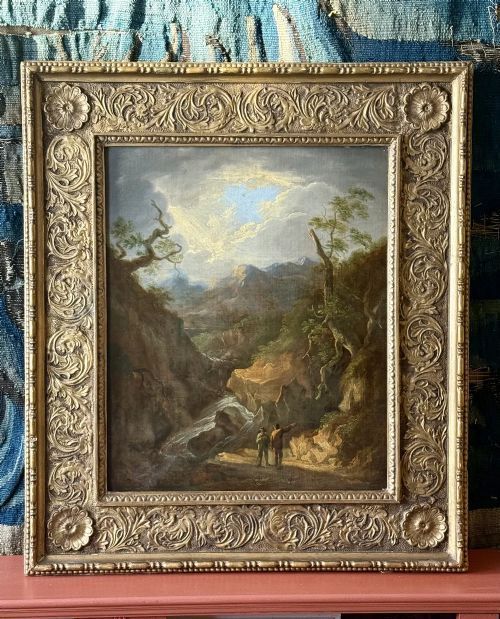

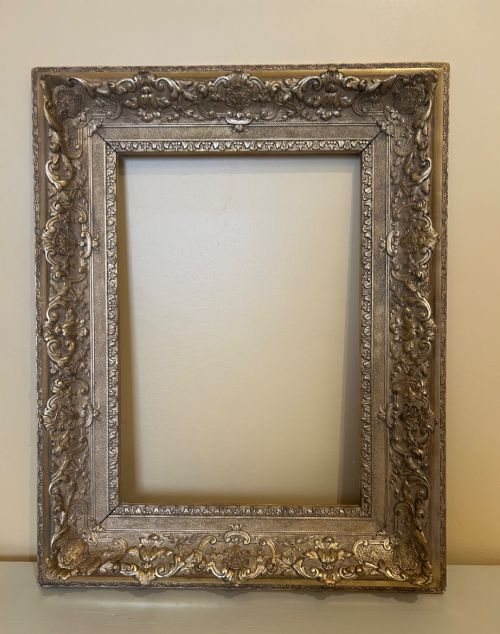
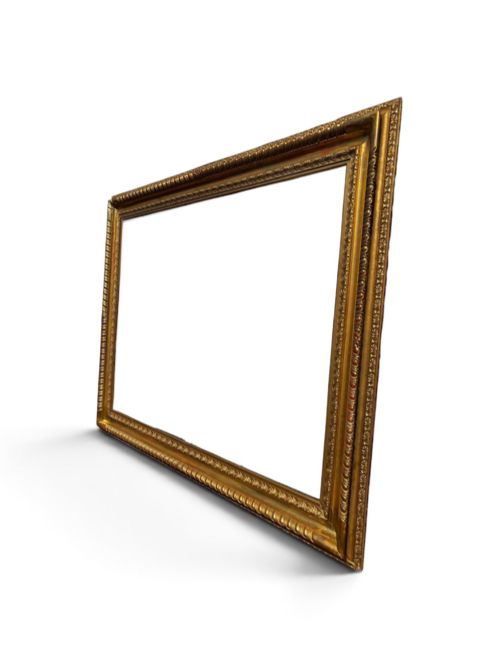
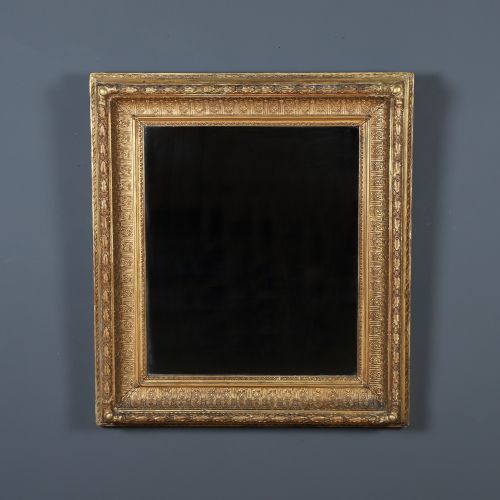
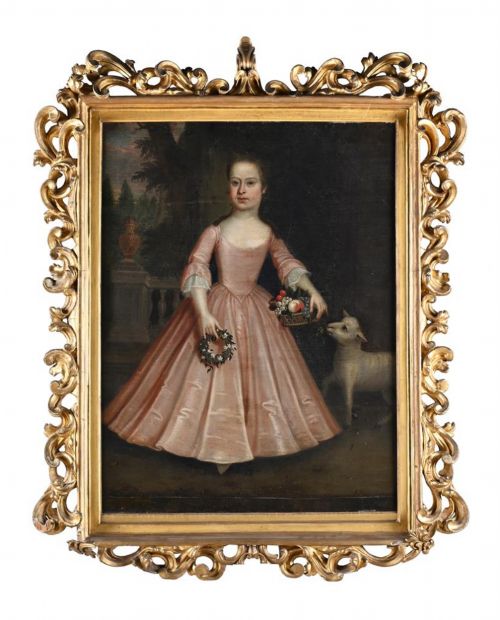
Carved Gold Picture Frame
A carved gold picture frame brings warmth and deep texture to fine oil paintings and portraits.
Carved Gold Picture Frame
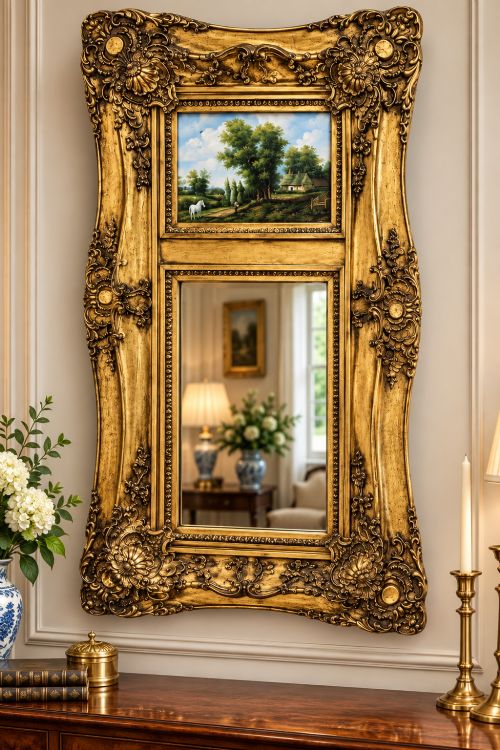
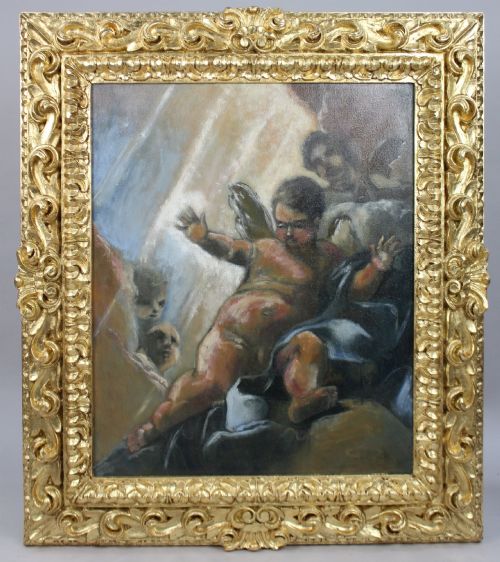
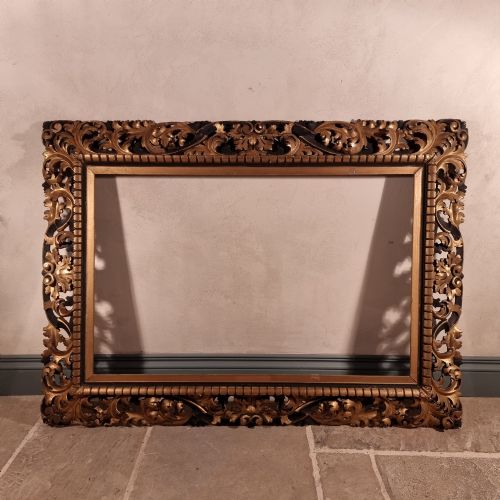
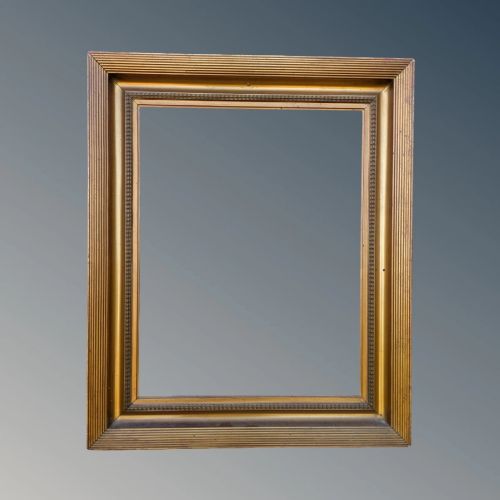
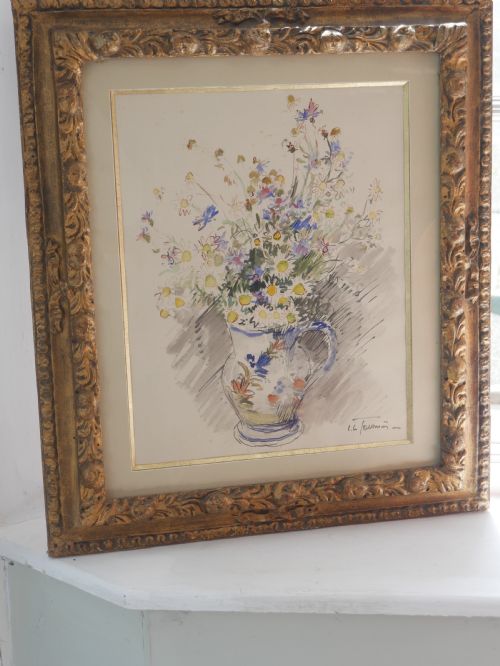
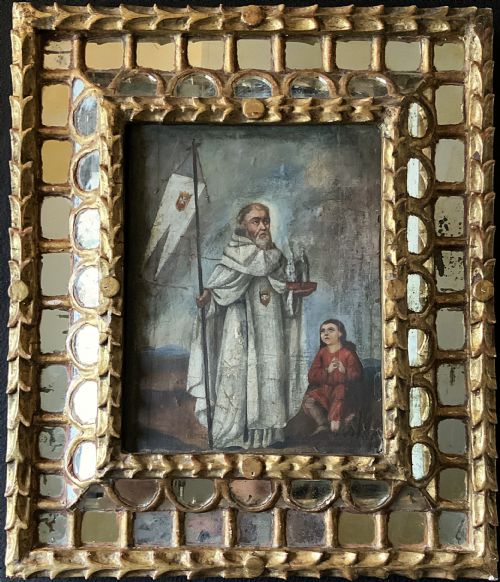
A carved gold picture frame provides an ornamental boundary for fine art, canvas paintings, and wall mirrors. These pieces span multiple centuries, originating from English, Italian, and Spanish workshops.
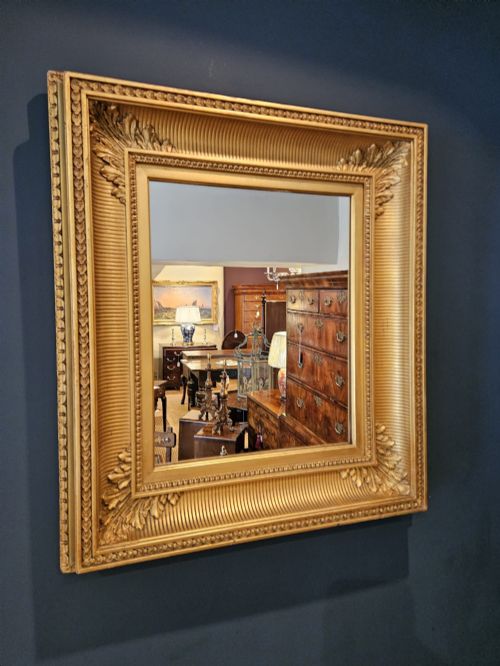
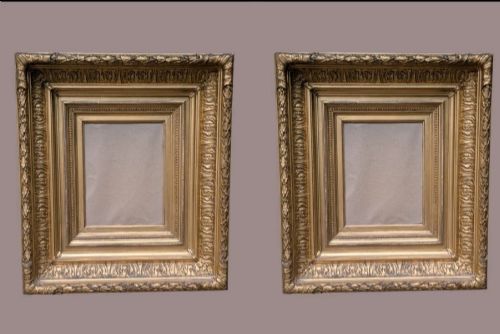
The most common examples on this page date from the nineteenth century, often displaying Victorian or Rococo Revival styling. Such items range from deep swept profiles to wall mirrors with acanthus leaf decoration.
Earlier centuries appear too, including seventeenth-century Spanish and eighteenth-century English school works. Buyers also encounter Renaissance style Italian cassetta frames and decorative Florentine mouldings.
How they were made
Craftsmen carved wooden foundations from timber before applying layers of gesso to build up sculptural relief. This gesso layer provided a smooth, responsive surface for intricate detailing and ornamentation.
Gold leaf was then laid over the prepared wooden base, adhering to the surface to create a metallic sheen. Giltwood and gold leaf techniques allowed makers to achieve the brilliant finishes seen across these periods.
Listings feature items spanning the seventeenth through to the twentieth century, with nineteenth-century pieces dominating the selection.
What varies in quality
Depth of carving and precision of detail separate the finest examples from standard production. Crisp acanthus leaves and well-defined rococo corners demonstrate superior handwork by skilled carvers.
The integrity of the underlying gesso and the warmth of the original gold leaf finish dictate the visual impact. Frames retaining their early gilding without heavy modern intervention hold greater decorative presence.
The Carved Gold Picture Frame Glossary
- Giltwood
- Wood that has been coated with gold leaf or gold paint. This technique protects the timber beneath while offering a luminous surface.
- Gesso
- A plaster-like mixture applied to wood frames before gilding. It provides a smooth base that can be carved or moulded into relief details.
- Cassetta
- A flat-profile framing style resembling a small box, popular during the Italian Renaissance. These often feature painted or carved mouldings along the borders.
- Swept frame
- A frame moulding with an undulating, flowing profile shaped with deep curves. This style gained favour during the Victorian period for heavy oil paintings.
- Acanthus
- A decorative leaf motif carved into wood and gesso, modelled on the Mediterranean plant. It appears frequently on classical and revival mouldings.
Carved Gold Picture Frame: Frequently Asked Questions
How do I choose the right frame for my art?
Match the visual weight and period of the artwork to the moulding style. Deep Victorian profiles suit substantial oil paintings, while simpler cassetta frames complement Renaissance panels.
Consider the scale of the canvas relative to the width of the timber. A heavier carved profile provides balance to large portraits and landscape scenes.
Are these frames suitable for mirrors?
Many historical frames house glass to serve as wall mirrors or overmantles. Workshops frequently adapted large picture mouldings for reflective glass during the nineteenth century.
When housing a mirror, ensure the rebate depth accommodates the mirror glass safely. Original timber constructions support replacement glass securely.
How do I date an antique frame?
Examine the underlying timber, gesso consistency, and joining techniques at the corners. Eighteenth-century examples often display hand-carved details directly in the wood beneath thinner gesso layers.
Revival styles from the Victorian era frequently utilise heavier moulded gesso compositions. Tool marks and fastener types offer further clues to the period of manufacture.
How should I care for giltwood surfaces?
Dust the carved ornament gently with a dry, soft brush to prevent particle accumulation. Avoid chemical cleaners or moisture, which can damage delicate gold leaf and gesso.
Keep the timber away from direct heat sources and strong sunlight. Stable indoor humidity prevents the wooden substrate from shifting and cracking the gesso.