

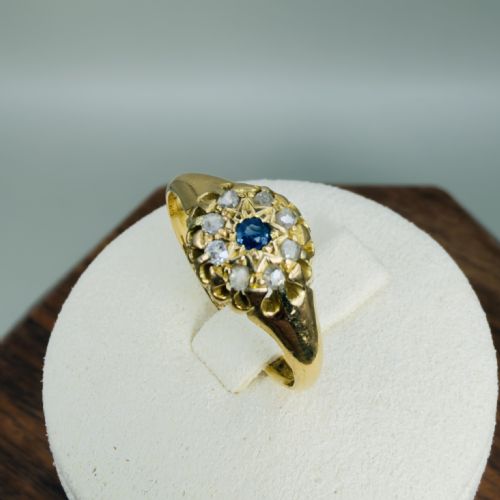
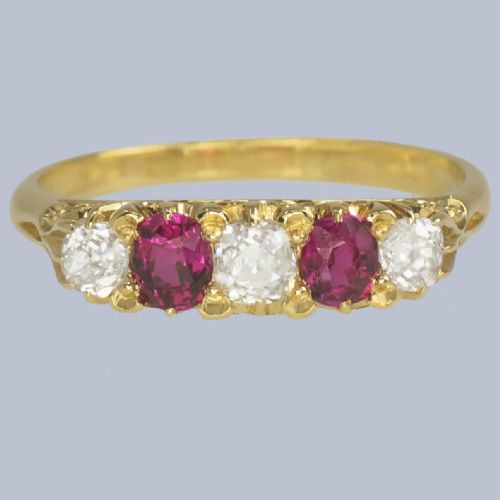
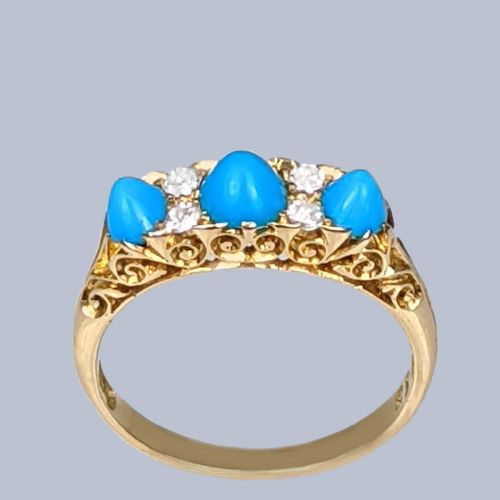
Carved Gold Dress Ring
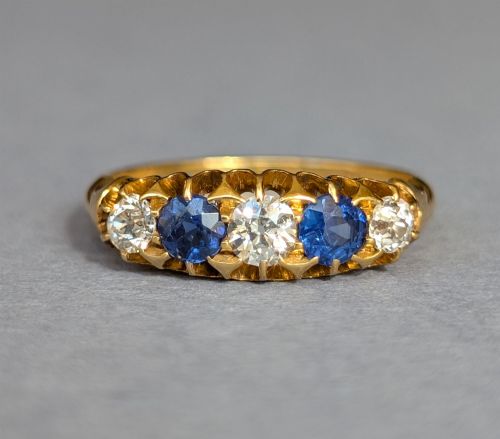
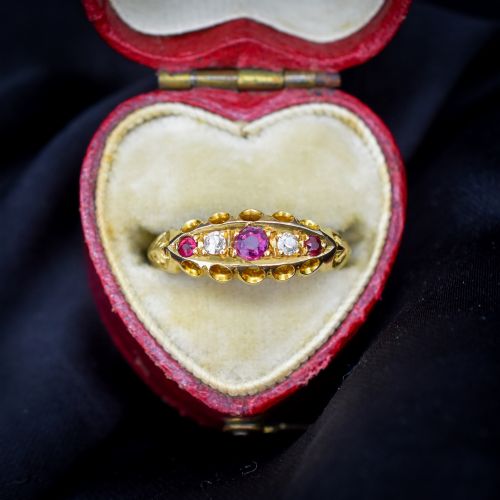
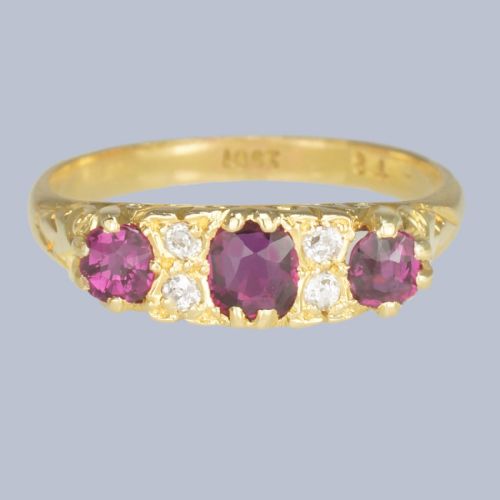
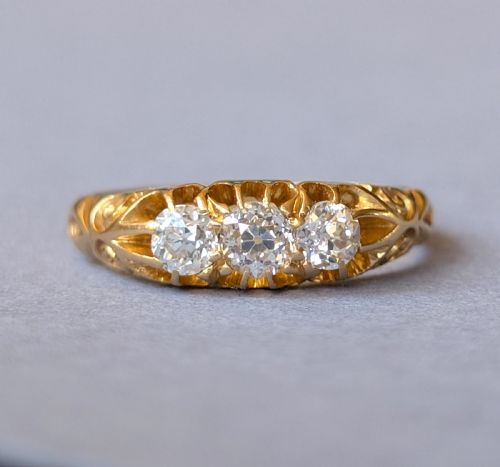
A carved gold dress ring brings together rich metalwork and colourful gems from the Victorian, Edwardian, and mid-century periods.
Carved Gold Dress Ring
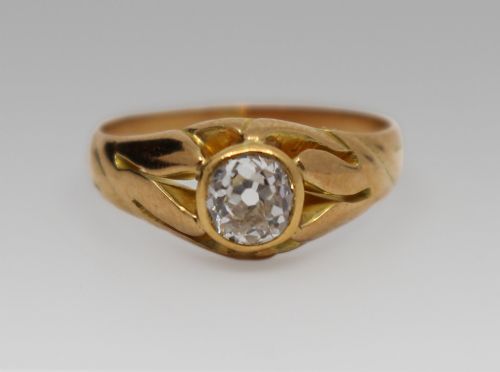
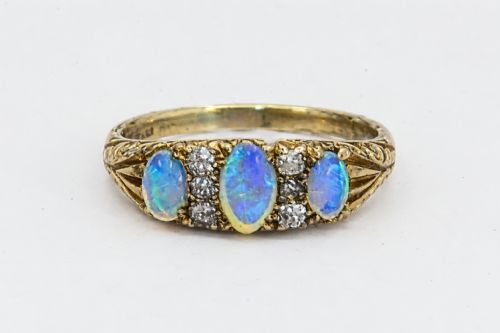
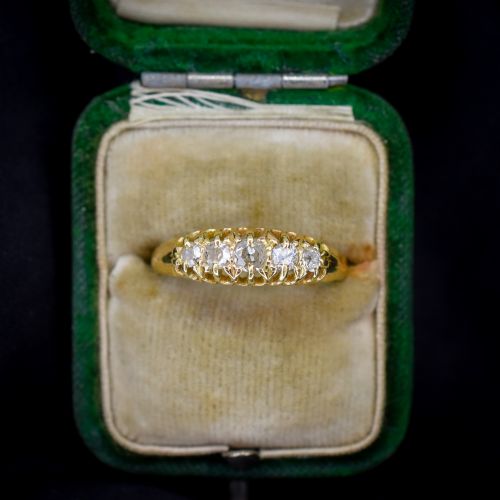
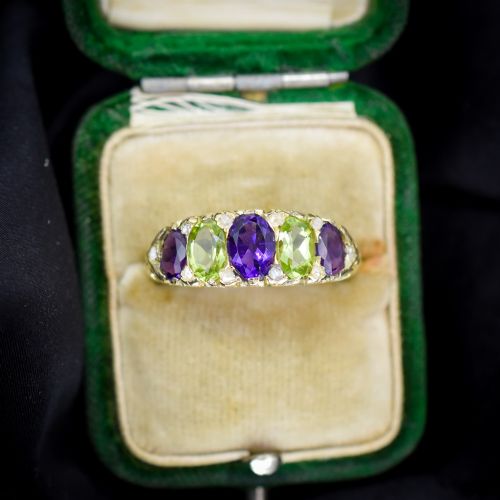
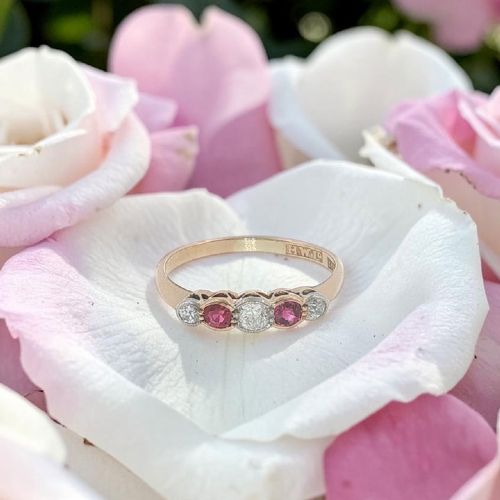
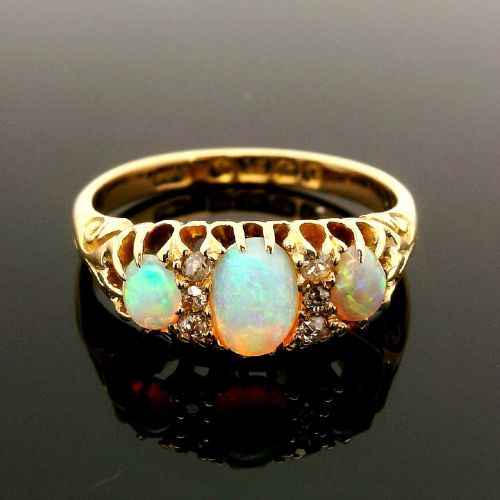
A carved gold dress ring comprises finger ornaments shaped from gold bands, frequently featuring decorative shoulders or engraved patterns. The pieces gathered here span from the late nineteenth century through to the mid-twentieth century, capturing shifts in design from Victorian sentimentality to Edwardian elegance and later vintage aesthetics.
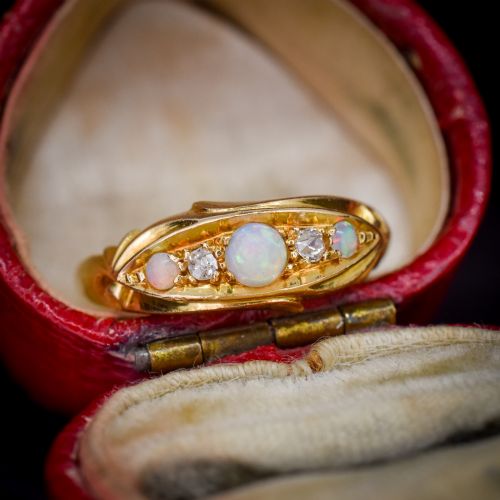
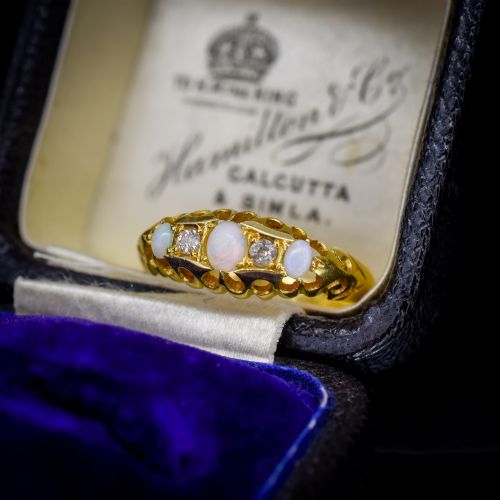
The most common formats found in these listings are boat rings, five-stone arrangements, and cluster settings. These configurations typically combine gold with diamonds alongside coloured stones such as opals, rubies, sapphires, and turquoise.
How they were made
Goldsmiths utilised eighteen-carat gold and fifteen-carat gold to cast and hand-shape the foundational bands and settings. Metalsmiths integrated carved details directly into the gold shank or built raised galleries to secure the stones.
Jewellers set old-cut and old-mine diamonds alongside natural opals, rubies, and sapphires using traditional claw and gypsy settings. Assay office hallmarks stamped into the metal often record the specific town and year of manufacture.
Carved Gold Dress Ring Retail Price Guide 2026
Typical asking prices for carved gold dress ring among the pieces listed under this phrase on Sellingantiques today, from the lower quarter to the upper quarter. They describe what is for sale here now, not the wider market.
What varies in quality
Quality rests upon the crispness of the carved metalwork and the integration of the stones within the gold setting. Finer examples display deep, deliberate chasing and secure gemstone placement that withstands daily wear.
The selection of materials dictates the standing of each piece, particularly the play of colour in natural opals and the cut of the diamonds. Heavier gauge gold bands and well-preserved hallmarks further distinguish superior items.
The Carved Gold Dress Ring Glossary
- Boat ring
- A ring setting shaped like the hull of a boat, curving upward toward the centre to display a row of gems.
- Gypsy ring
- A style where stones are flush-set directly into a thick, tapered gold band.
- Old-cut diamond
- A hand-faceted diamond cut before modern machine precision, characterised by a smaller table and larger culet.
- Trilogy ring
- A ring featuring three prominent stones set in a row, often symbolising the past, present, and future.
- Hallmark
- Official stamps pressed into the gold to denote metal purity, the assay office, and the date of creation.
Carved Gold Dress Ring: Frequently Asked Questions
How do I wear a antique gold ring safely?
Remove your ring during manual labour, gardening, or heavy lifting to protect the gold settings and softer gems like opals and turquoise. Store each piece separately in a fabric-lined box to prevent scratching.
Clean the metal and stones gently using warm soapy water and a soft brush. Avoid harsh chemical dips, particularly with porous gems that absorb liquids.
What is the difference between Victorian and Edwardian rings?
Victorian rings often feature heavier gold work, gypsy settings, and sentimental gemstone combinations like turquoise, garnet, and ruby. They lean toward robust, organic forms and patterned bands.
Edwardian designs shift toward lighter, lacy aesthetics, frequently utilising yellow gold alongside boat settings and cluster arrangements that highlight diamonds and sapphires.
Are opals durable enough for daily wear?
Opals contain water within their silica structure and rank lower on the hardness scale than diamonds or sapphires. They require gentle treatment to avoid chipping or crazing.
Many historic opal rings survive in good condition because owners reserve them for occasional wear rather than continuous daily use.