
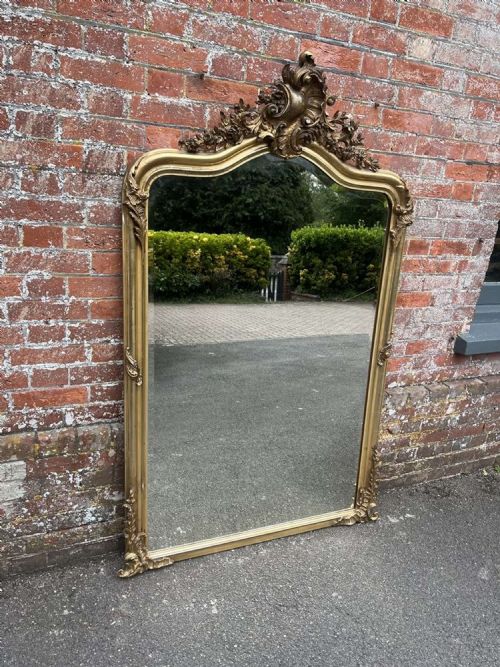
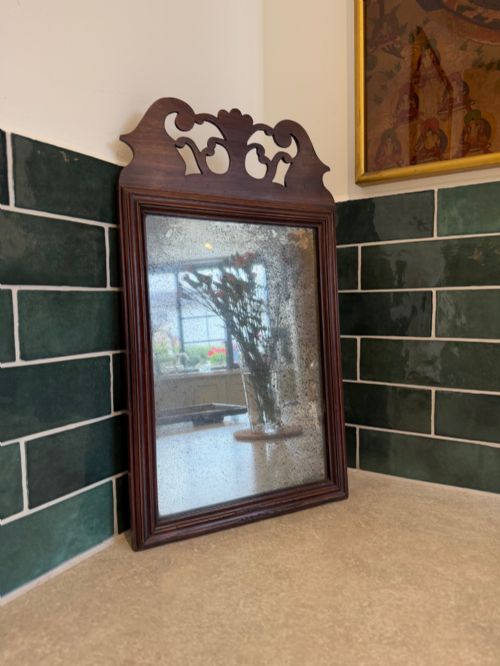
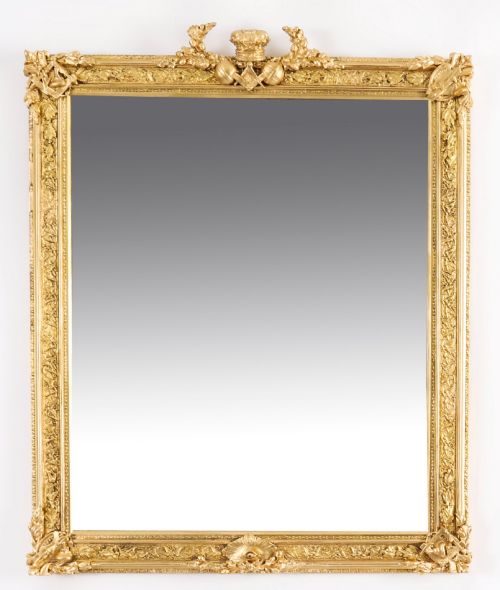
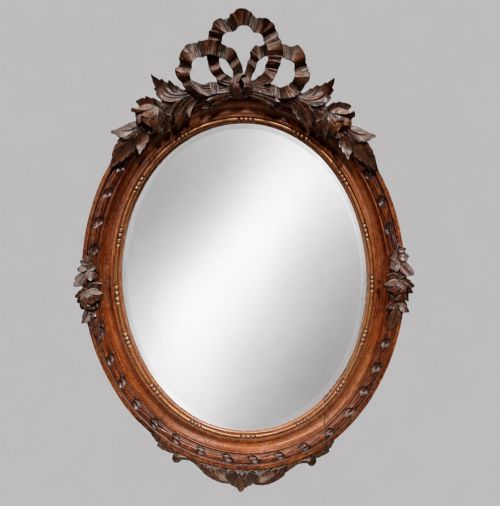
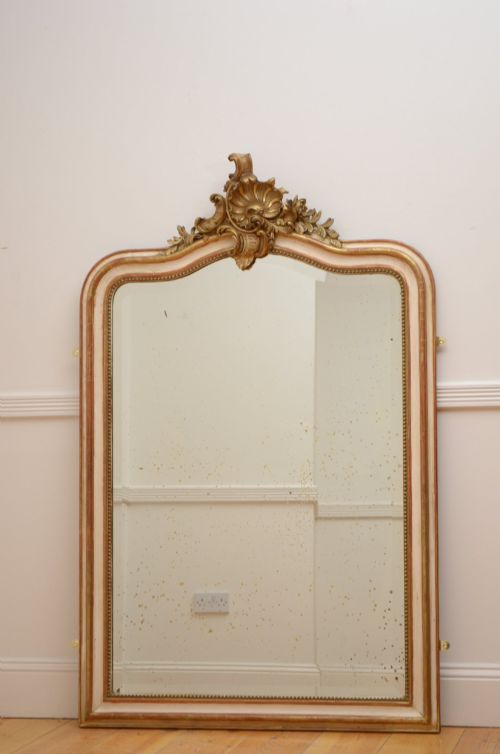
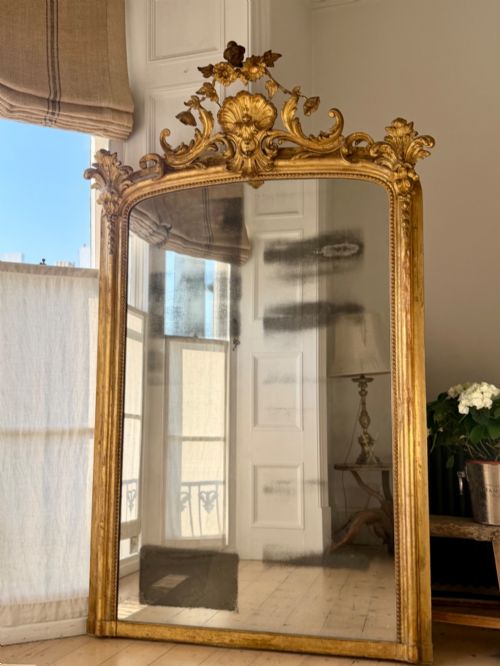
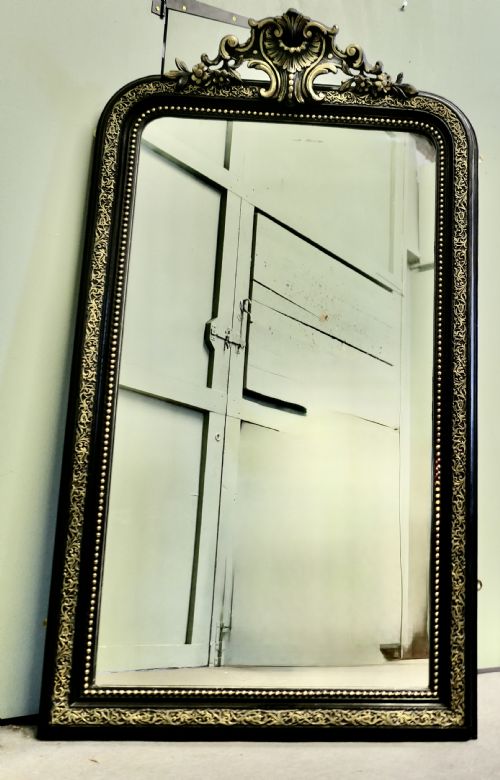
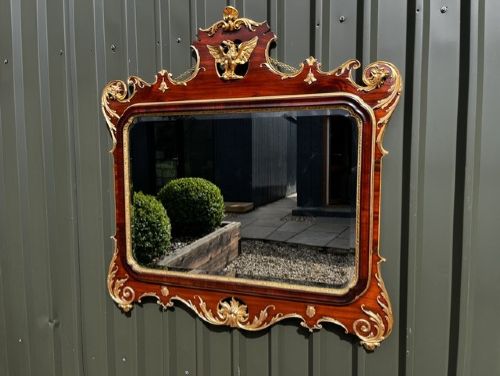
Carved Glass Crest Mirror
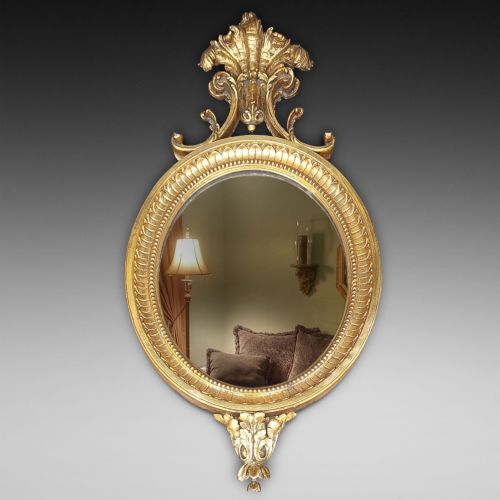
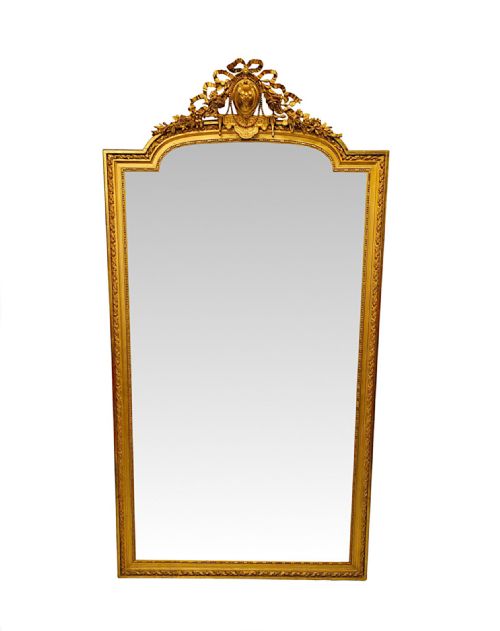
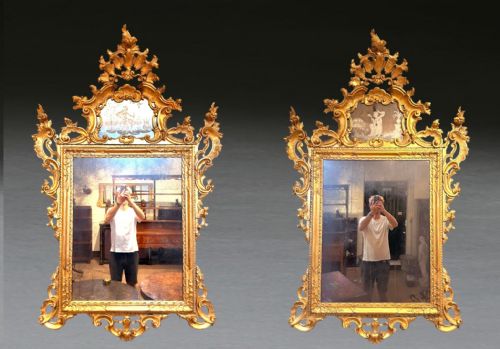
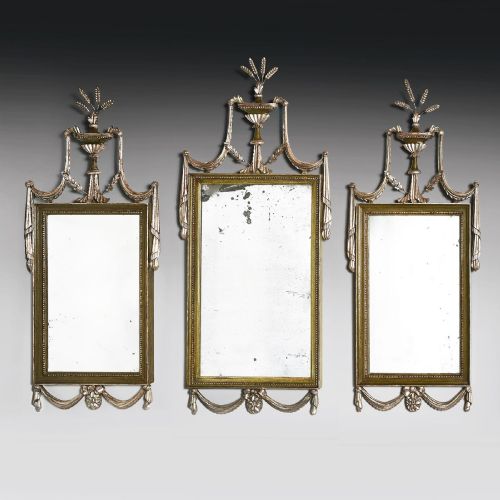
These carved glass crest mirror pieces bring architectural presence and historic charm to any room through ornate frames and shaped plates.
Carved Glass Crest Mirror
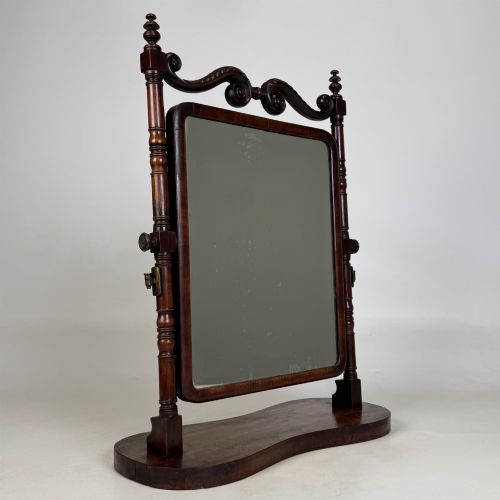
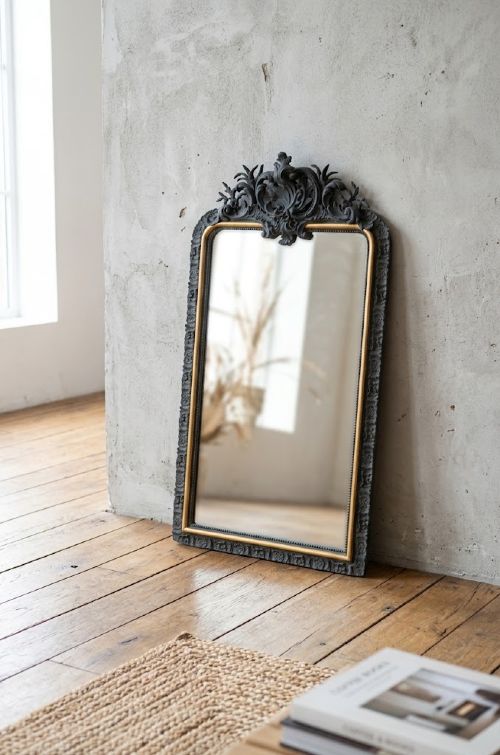
A carved glass crest mirror sits at the intersection of practical reflection and decorative carving, often taking the form of wall mirrors, overmantels, pier glasses, and cheval mirrors. When searching this phrase, buyers encounter examples spanning the eighteenth, nineteenth, and early twentieth centuries.
The nineteenth century dominates the selection, bringing Victorian, Napoleon III, and various revival styles into view. Alongside these sit Georgian and eighteenth-century pieces, showing how makers across different eras handled carved wooden frames and glass plates.
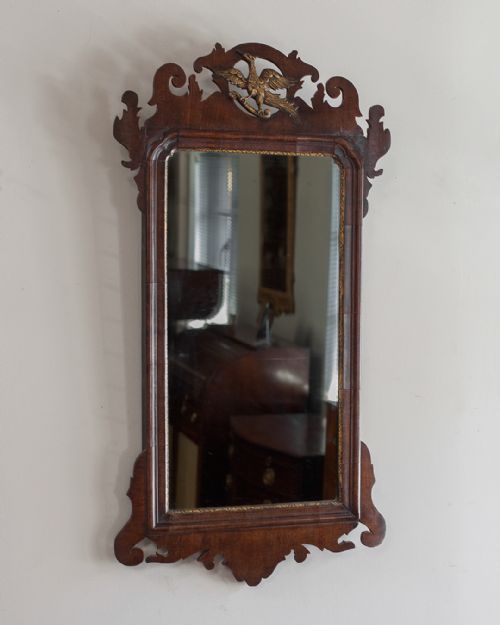
Forms range from large gilt overmantels designed for nineteenth-century reception rooms to compact mahogany fretwork wall mirrors. Many items reflect French, Italian, and English traditions, offering varied silhouettes from arched tops to shaped profiles.
Materials and construction methods
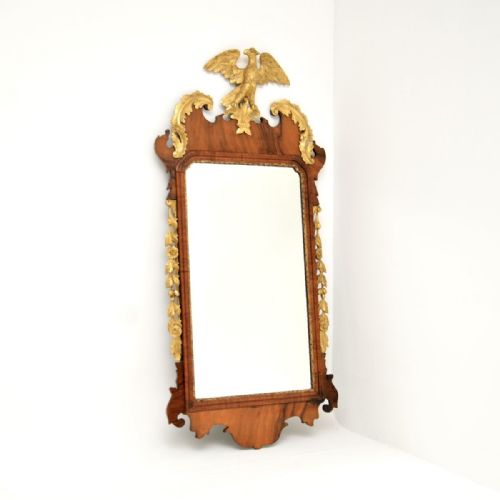
Makers built the foundational frames of these mirrors using timber such as mahogany, walnut, and plain wood, often applying gesso layers to prepare surfaces for gilding. Gold leaf and paint completed the decorative scheme on many nineteenth-century and earlier frames.
Glass production relied on traditional techniques, resulting in mercury plates and original bevelled glass that display the characteristic age of older mirrors. Carved wood and moulded gesso formed the crests and borders, uniting structure and ornamentation.
Some nineteenth-century mirrors secretly double as Masonic meeting records through their symbolic gilded emblems.
Distinctions in quality and execution
The definition of the carving work sets examples apart, distinguishing pieces with sharp, deep relief from those with softer or more utilitarian detailing. The handling of the gesso and the application of gold leaf dictate how light catches the frame.
Originality of components also shapes the standing of a piece, particularly the retention of historic mirror plates such as foxed mercury glass alongside the primary frame structure. The cohesion between the carved wooden crest and the main mirror body demonstrates the maker's skill.
Gillows Of Lancaster·William Kent·John Belchier
The Carved Glass Crest Mirror Glossary
- Gesso
- A plaster-like mixture applied to wooden frames as a base for gilding or painting. This material allowed makers to model intricate relief details before applying gold leaf.
- Pier mirror
- A tall mirror specifically designed to hang on the wall space between windows. These pieces frequently match console tables and reflect light into darker interior corners.
- Overmantel mirror
- A wide mirror intended to be positioned directly above a fireplace mantelpiece. Their proportions usually correspond to the width of the hearth below.
- Cheval mirror
- A freestanding full-length mirror hung on a pivoting frame within vertical supports. This format emerged to assist with dressing and grooming.
- Mercury plate
- An older type of mirror glass created using a tin-amalgam backing process. It often produces a characteristic speckled appearance known as foxing.
Carved Glass Crest Mirror: Frequently Asked Questions
What rooms suit a large overmantel mirror?
These wide mirrors work naturally above fireplaces in reception rooms, where their scale balances the hearth and reflects ambient light across the space.
They also function effectively on principal walls in dining rooms or hallways, creating an illusion of greater depth and openness.
How do I care for antique giltwood frames?
Giltwood surfaces require gentle dusting with a dry, soft brush to remove particles without disturbing delicate gesso or leaf. Moisture and harsh cleaning agents must be avoided entirely to preserve the historic finish.
Positioning the mirror away from direct sunlight and damp environments helps protect both the wooden structure and the original glass plate.
What is a pier mirror used for?
Historically, pier mirrors hung on the narrow wall between two windows to amplify natural daylight entering a room. They often paired with matching console tables beneath.
In modern settings, they serve a similar purpose in hallways or compact rooms where vertical wall space benefits from reflection.
How do I distinguish eighteenth-century styles?
Georgian and George II designs typically feature rich mahogany timbers, architectural lines, and precise fretwork detailing. Later revivals often incorporate heavier gesso ornamentation and gilded finishes.
Examining the construction methods at the back of the frame helps reveal the period of manufacture and assembly techniques used by the maker.