



Carved Giltwood Furniture
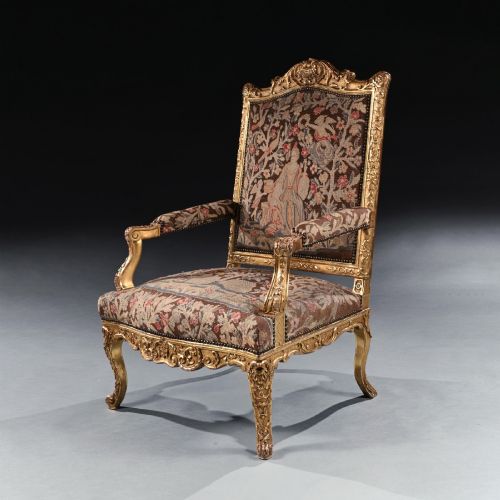
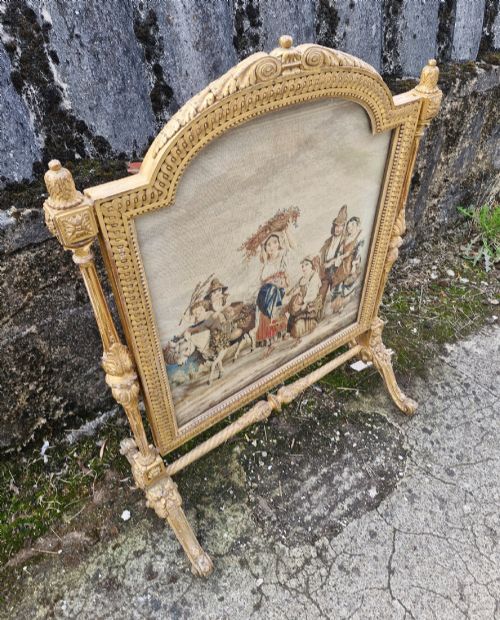
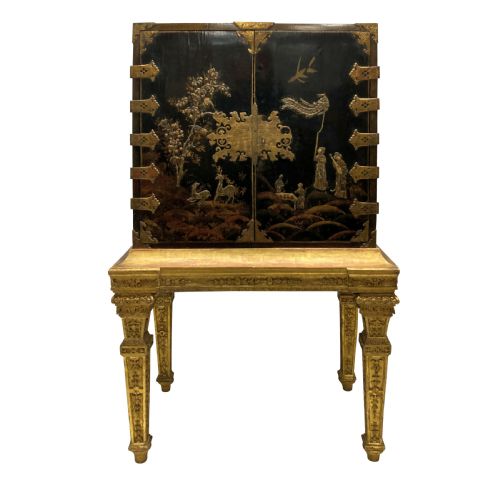
Carved giltwood furniture brings shimmering architectural presence into a room through gold leaf laid over carved timber and gesso.
Carved Giltwood Furniture
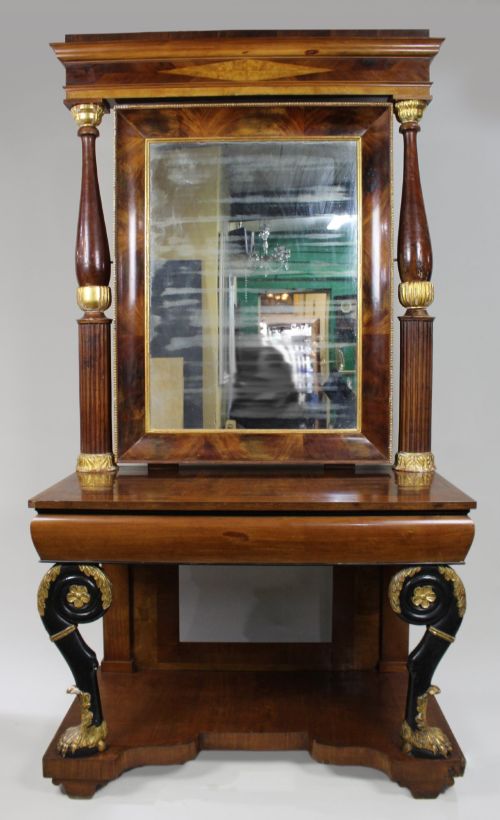
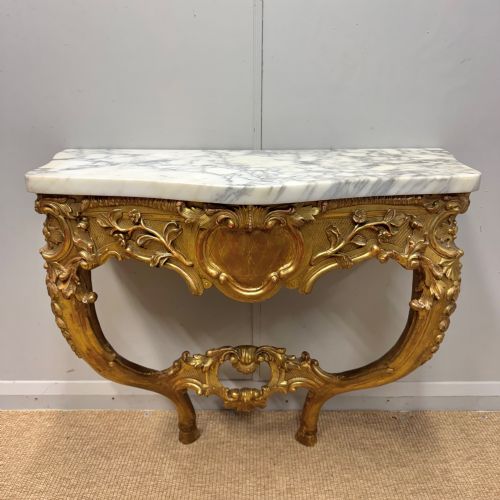
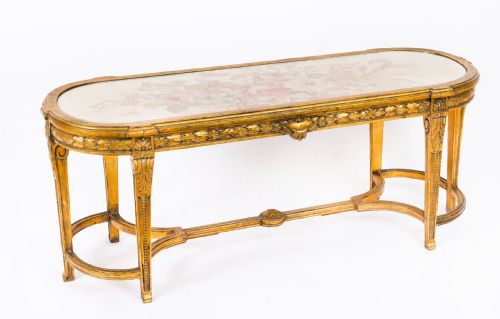
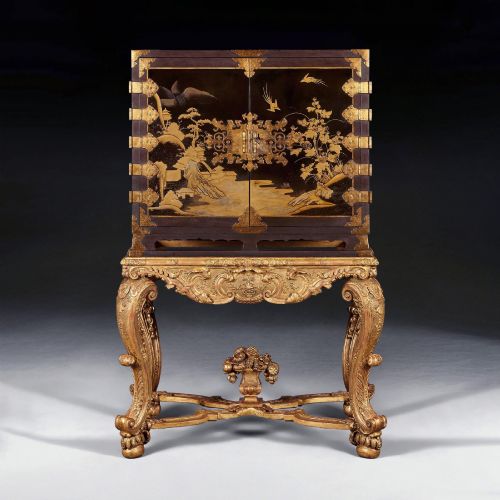
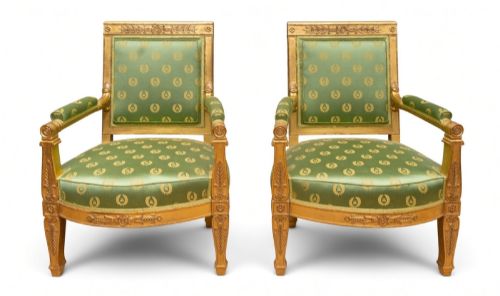
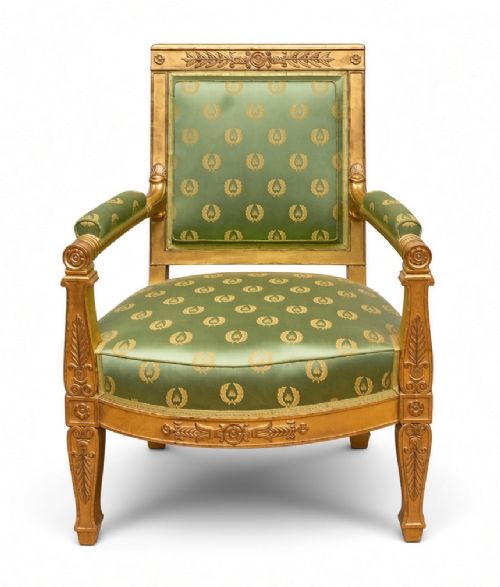
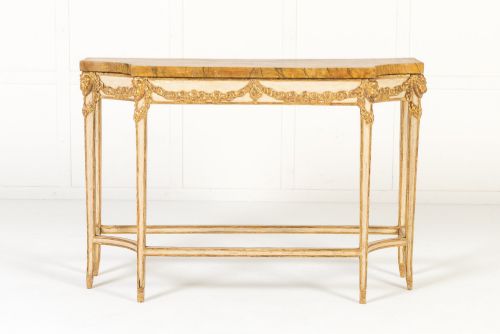
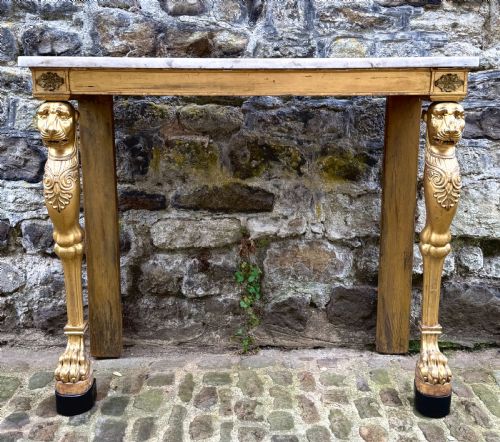
When you search for carved giltwood furniture, you encounter ornate console tables, armchairs, and mirrors dating from the eighteenth century onwards. Italian and French regional interpretations dominate, alongside Regency pieces and later revivals spanning the nineteenth and early twentieth centuries.
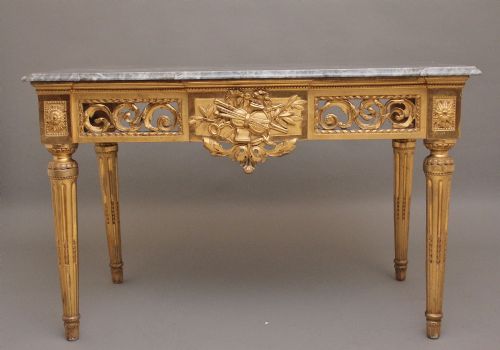
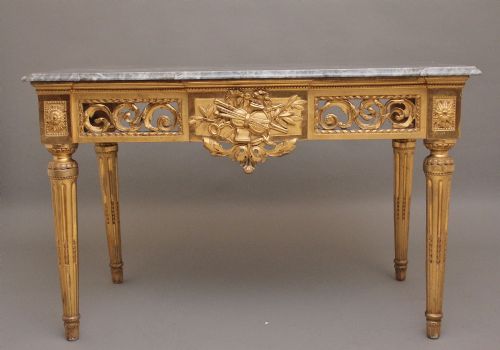
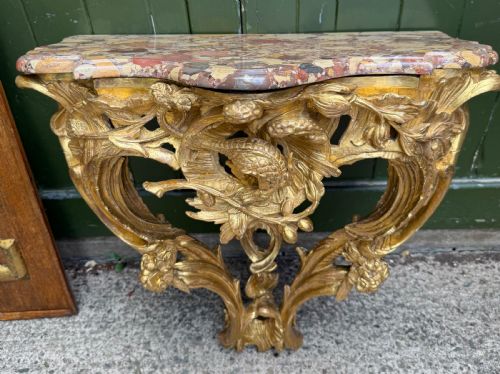
Console tables featuring marble tops and pier mirrors appear frequently among these listings, alongside seating ranging from fauteuils to side chairs and beds. These objects were originally commissioned for grand reception rooms and state chambers across Europe.
The selection ranges from Italian Rococo and Neoclassical forms to French Louis styles and British Regency designs. Each piece reflects the aesthetic priorities of its period, whether through restrained classical lines or exuberant carved ornamentation.
How they were made
The construction relies on timber frames built from woods such as mahogany, pine, or beech, which are then coated with layers of gesso to provide a smooth ground for carving. Artisans carved intricate motifs directly into this gesso layer before applying gold leaf.
Water gilding or oil gilding techniques affixed the thin sheets of gold leaf to the prepared surface, allowing craftsmen to burnish specific areas to a bright metallic shine while leaving other sections matte for textural contrast.
Carved Giltwood Furniture Retail Price Guide 2026
Typical asking prices for carved giltwood furniture among the pieces listed under this phrase on Sellingantiques today, from the lower quarter to the upper quarter. They describe what is for sale here now, not the wider market.
Listings feature Italian and French items spanning the seventeenth through the early twentieth centuries, alongside British Regency examples.
What varies in quality
Depth and crispness of the carving distinguish exceptional pieces from ordinary workshop production, as skilled carvers undercut the wood to create deep, three-dimensional relief rather than relying on heavy gesso build-up. The handling of foliage, scrollwork, and figurative elements demonstrates the hand of a master.
The preservation of the original gold leaf and the subtlety of the burnishing dictate the visual impact of the piece. Surfaces that retain their early gilding without excessive modern intervention possess a softer, warmer light than heavy-handed later regilding.
Jacob-Desmalter·Strahan of Dublin·Pauly et Cie
The Carved Giltwood Furniture Glossary
- Giltwood
- Timber that has been coated with gold leaf applied over a prepared gesso ground. This finish provides the characteristic metallic sheen seen on formal European furnishings.
- Gesso
- A mixture of plaster of Paris or chalk bound with glue, used to coat wooden frames. It creates a smooth, absorbent surface suitable for fine carving and gilding.
- Console table
- A table designed to stand against a wall, frequently supported by two front legs and secured to the wall structure. These tables often feature figured marble tops.
- Fauteuil
- An open-framed armchair with upholstered back and seat, featuring exposed wooden arms. These chairs originated in France and appeared in various revival styles.
- Pier mirror
- A large looking glass designed to hang on the wall space between windows, often paired with a matching console table placed directly beneath it.
- Parcel gilt
- Woodwork or furniture decoration where only specific carved details or highlights are gilded with gold leaf, leaving the underlying wood grain visible elsewhere.
Carved Giltwood Furniture: Frequently Asked Questions
Where should I place a giltwood console table?
These tables suit hallways, drawing rooms, or entrance spaces where their reflective surfaces and decorative frames can catch natural light.
Pairing them with a matching pier mirror creates a cohesive focal point against a prominent wall.
How do I clean carved giltwood surfaces?
Dust the intricate carvings gently with a soft, dry brush to prevent dirt accumulation in the recessed areas.
Avoid liquid cleaners, polishes, or damp cloths, as moisture damages fragile gold leaf and the underlying gesso.
How do I identify a Regency giltwood piece?
Regency items typically display classical restraint, incorporating motifs like reeding, anthemion, and parcel gilt highlights on dark woods.
Proportions are generally more architectural and linear compared to the flowing curves of earlier Rococo designs.
Are marble tops original to these console tables?
Breccia and figured marble slabs were standard additions to formal console tables, providing a durable and decorative surface for display.
Inspect the seating of the marble within the wooden frame to verify its period relationship to the base.