

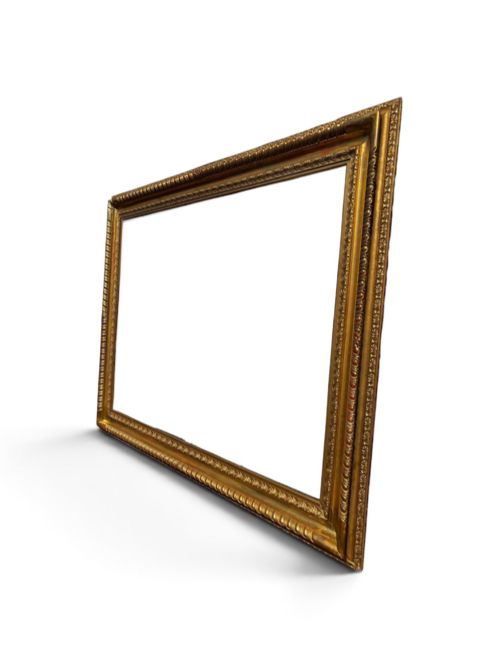
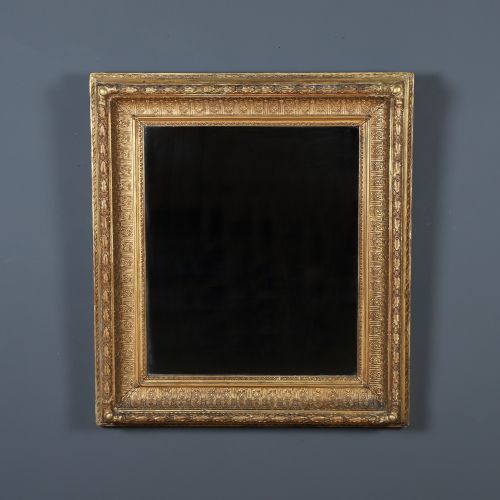
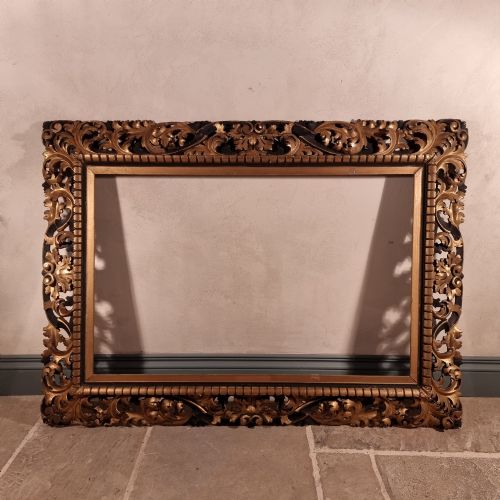
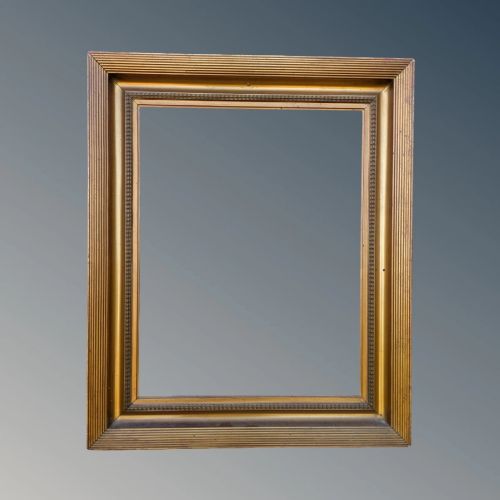


Carved Gilt Picture Frame
A carved gilt picture frame brings warmth and deep metallic reflection to a wall, holding portraits, mirrors, and tapestries alike.
What these pieces are
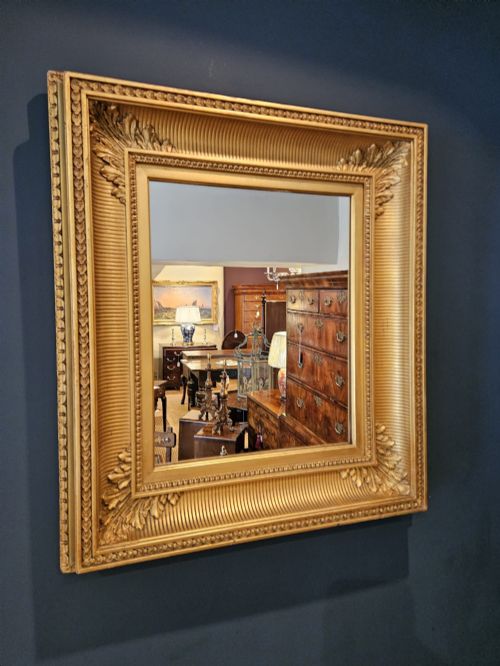
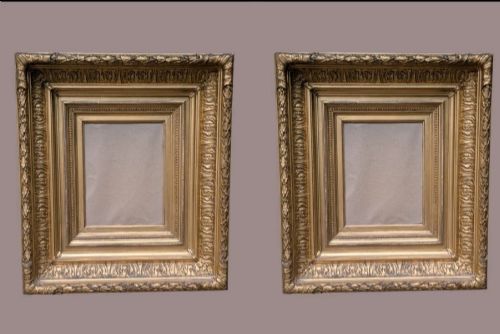
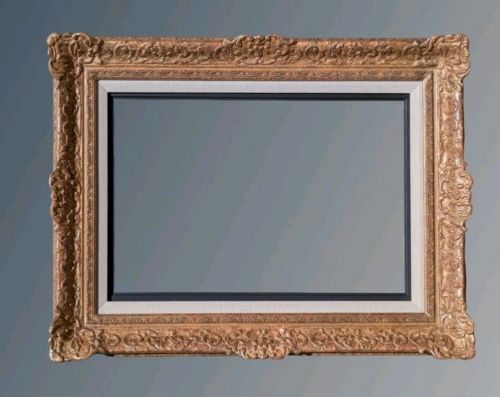
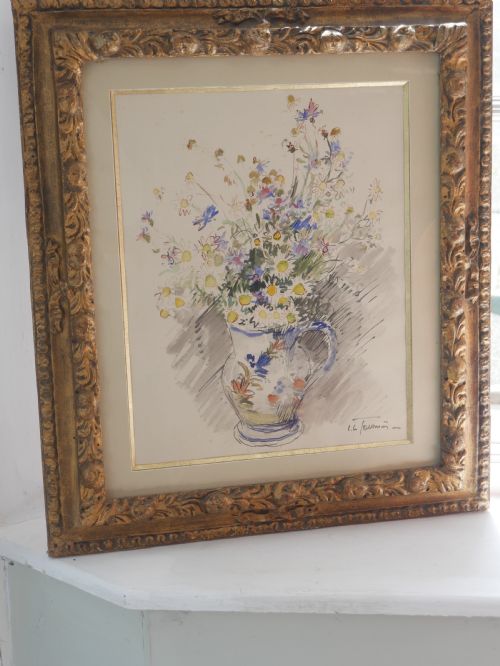
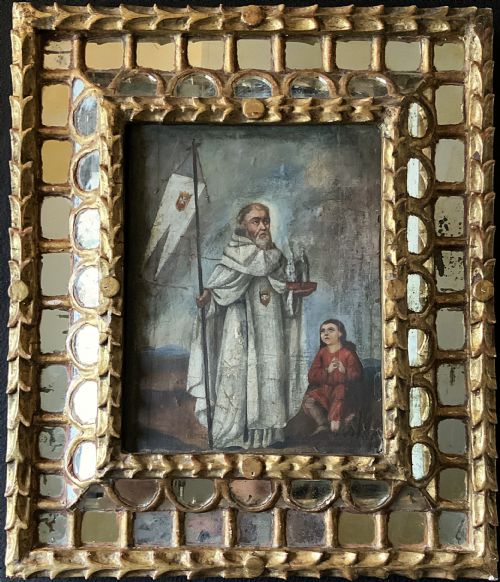
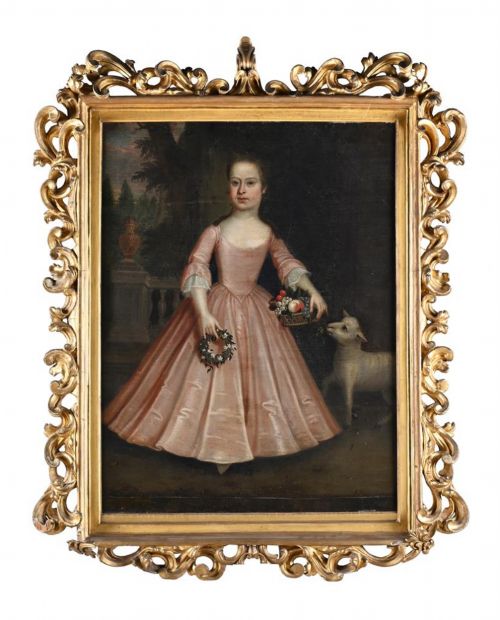
A carved gilt picture frame brings architectural presence and rich metallic reflection to a wall. When you search for a carved gilt picture frame, you encounter formats designed to hold oils, watercolours, mirrors, or tapestries.
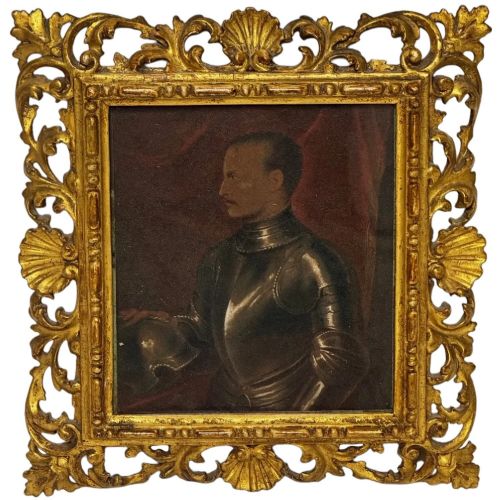
The evidence shows examples spanning the seventeenth century through to the nineteen-twenties. You will find Victorian Rococo Revival pieces alongside French Montparnasse and Florentine styles.
How they were made
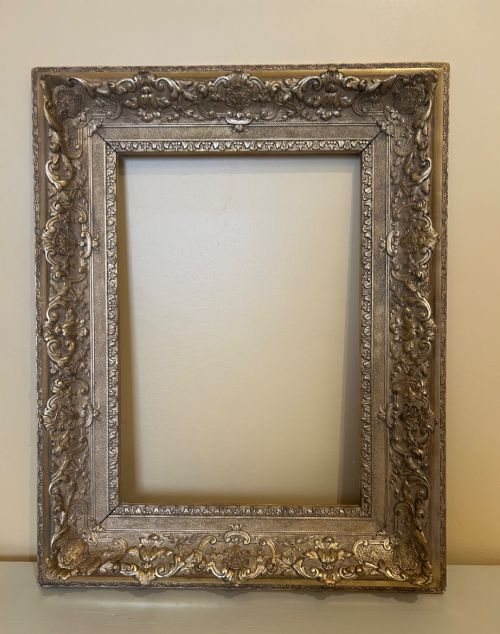
Makers shaped these objects primarily from wood, often applying gesso to smooth surfaces before gilding. Carvers utilised timber to build intricate floral motifs, ornate corners, and stepped profiles.
Surfaces received layers of gold leaf or gilt finish over the carved wooden foundation. Some pieces incorporated canvas, glass, and oil paint within the assembly.
Retail Price Guide 2026
Typical UK retail prices for carved gilt picture frame, calculated from the Sellingantiques database of over a million retail prices indexed since 2003. This retail price guide relies exclusively on Sellingantiques data; no external sources or auction records are used, so the figures do not describe the wider market.
Materials recorded include carved wood, gesso, giltwood, and gilt bronze.
What varies in quality
Depth and precision in the carving dictate the visual rhythm across the moulding. Crisp floral details and well-defined rococo corners separate finer work from simpler production.
The integrity of the gilt surface and the weight of the timber ground determine the lasting presence of the piece. Subtle burnishing and intact leaf layers elevate the finish.
The Carved Gilt Picture Frame Glossary
- Giltwood
- Wood that has been coated with gold leaf. This material forms the primary structure of the more substantial frames.
- Gesso
- A plaster mixture applied to wood as a base for gilding. It allows carvers to achieve smooth contours beneath the metal leaf.
- Rococo Revival
- A nineteenth-century design style marked by asymmetric scrollwork and organic motifs. It appears frequently in Victorian examples.
- Montparnasse
- A twentieth-century French framing style associated with modernist painting. These frames typically show simpler geometric profiles.
Frequently Asked Questions
How do I hang a heavy frame safely?
Substantial wooden frames require robust fixings secured directly into wall studs or masonry. Heavy gilt pieces exert significant downward pull.
Use professional picture wire rated well above the weight of the frame and glass. Check that the hanging rings on the reverse remain firmly anchored in the timber.
Can these frames hold modern mirrors?
Many of these pieces adapt easily to house custom mirror glass instead of canvas. The rebate depth within the moulding determines glass thickness.
Verify the internal dimensions carefully before commissioning a glass cutter. Ensure the backing secures the mirror without pressing too hard against the carved rabbet.
What period does a rococo corner indicate?
Ornate corners with shell and scroll motifs often point toward nineteenth-century revival work. Earlier seventeenth and eighteenth-century pieces display different carving rhythms.
Examine the back of the wood and the joinery for clues to age. Tool marks and timber shrinkage help distinguish Victorian revivals from earlier originals.