


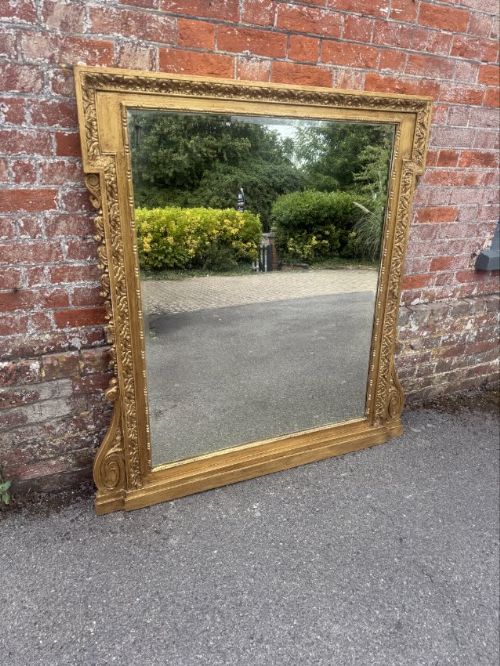
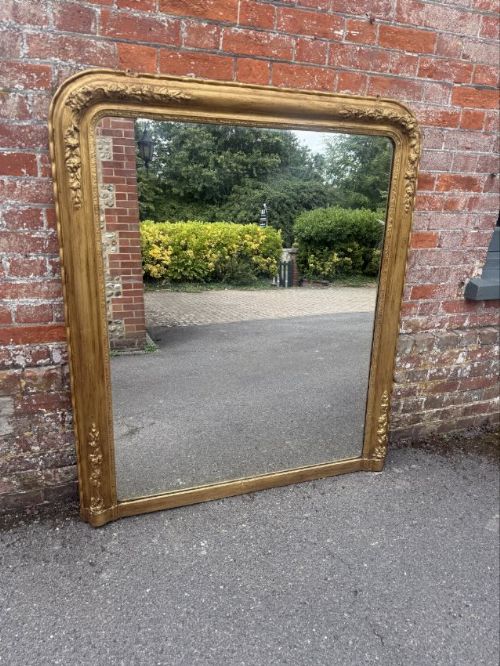
Carved Gilt Overmantel
A carved gilt overmantel brings historical presence to a chimney breast, reflecting light and anchoring a room with grand scale.
Carved Gilt Overmantel
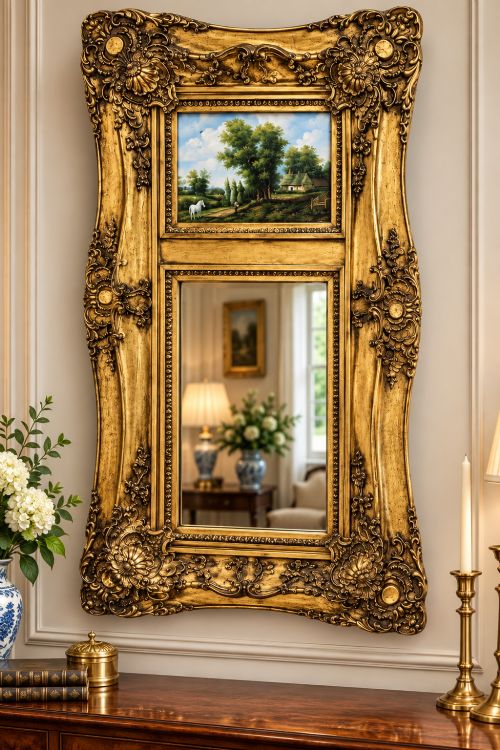
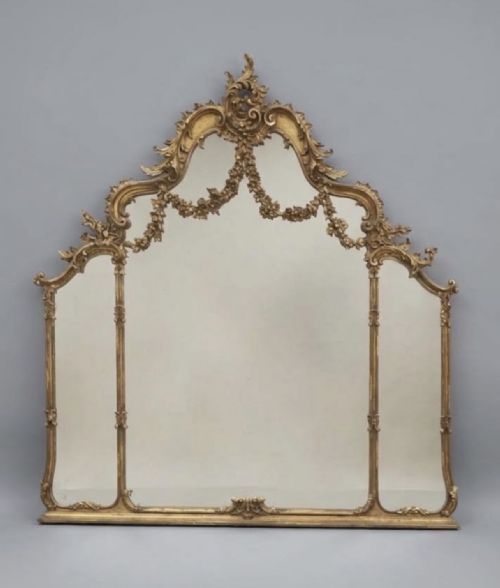
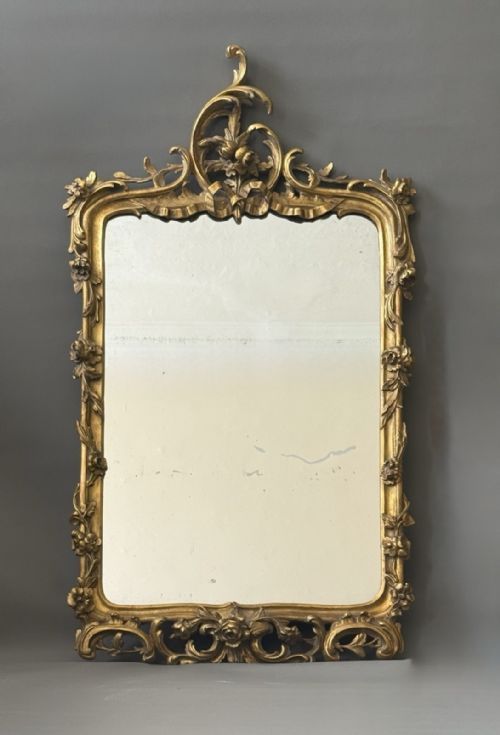
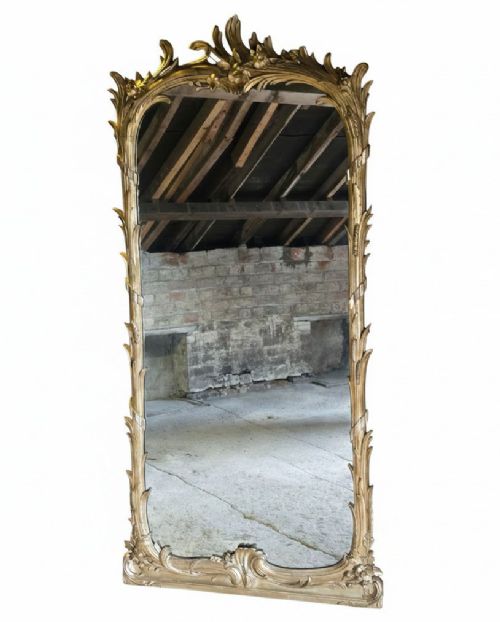
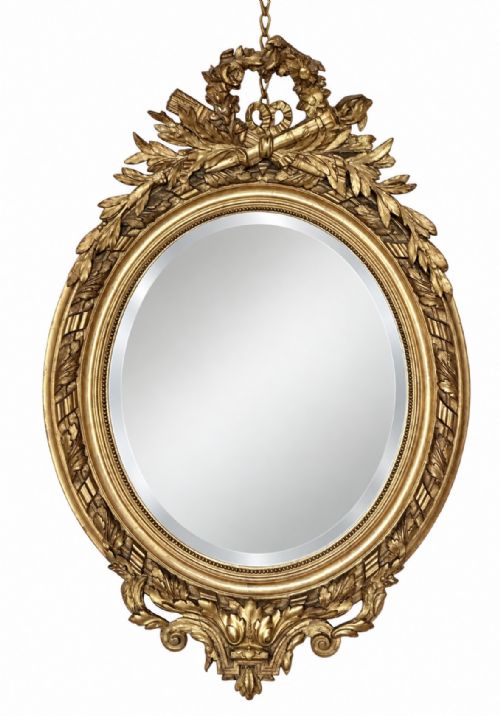
A carved gilt overmantel is a large mirror designed to hang above a fireplace mantel, originating predominantly from the 18th and 19th centuries. These pieces incorporate English and French decorative traditions, spanning styles from Regency and Victorian to Rococo Revival and Louis Philippe.
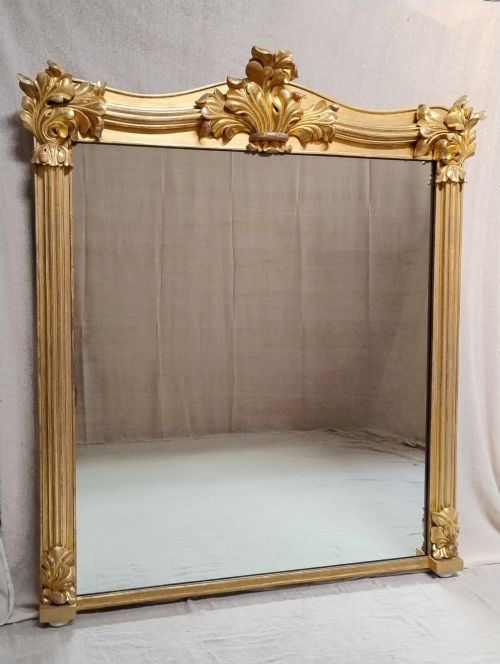
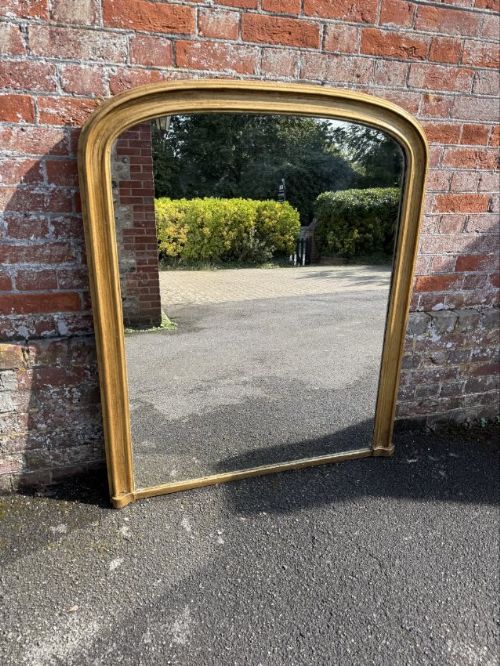
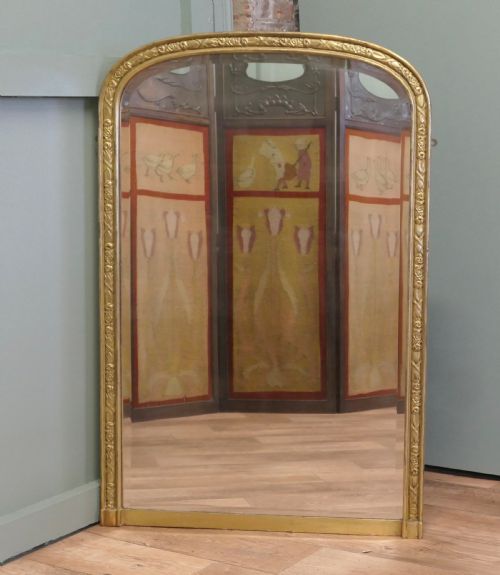
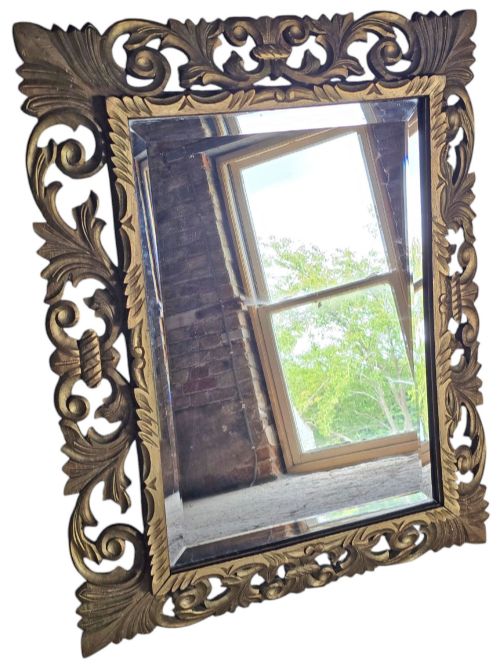
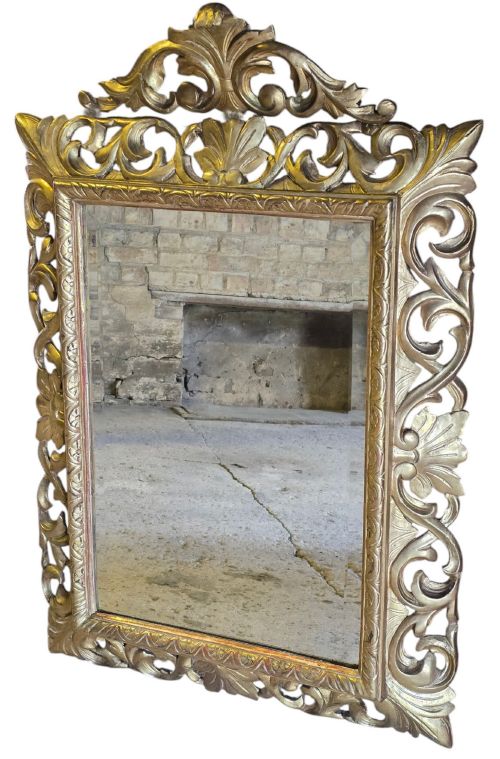
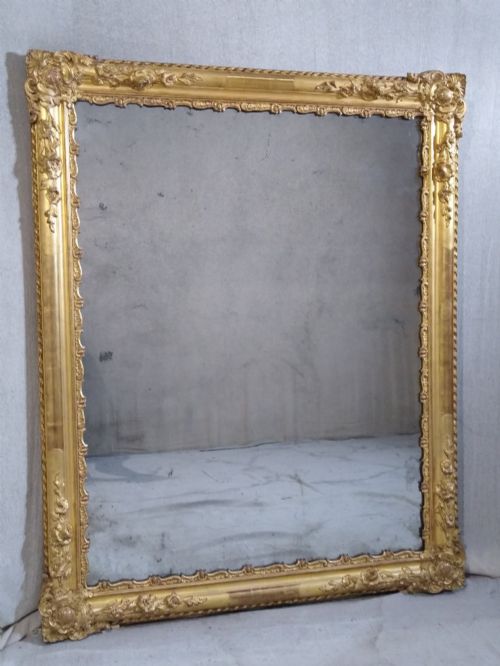
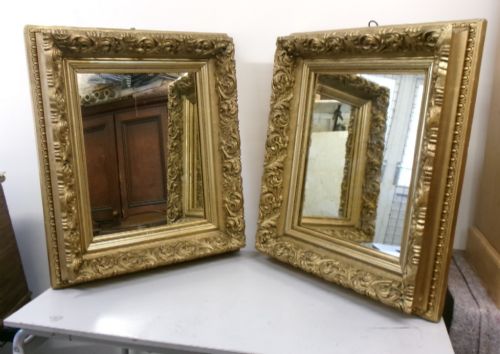
The versions most commonly met on this page are 19th-century examples featuring carved wooden frames coated in gesso and gold leaf. They often present arched, shaped or rectangular tops designed to draw the eye upward in a domestic interior.
How They Were Made
Makers constructed the structural frames from solid wood, applying layers of gesso to build up intricate surface details before gilding. Gold leaf or composition leaf was then laid over the prepared ground to achieve a bright metallic finish.
Mirrors utilised heavy glass plates, occasionally retaining period mercury silvering or antique plate characteristics. Carved ornamentation included floral motifs, rope twists, acanthus leaves, and ribbon crests executed by hand.
Listings feature 19th-century English and French overmantels constructed from gessoed wood, giltwood, and original mirror glass.
What Varies in Quality
Quality rests upon the crispness of the hand-carved wooden details beneath the gesso and the depth of the gilding layers. Superior pieces retain their original gilding surfaces and well-proportioned architectural framing without heavy past restoration.
The integrity of the mirror plate and the weight of the timber frame indicate the standard of manufacture. Exceptional examples display refined proportions, sophisticated decorative styles such as Chinese Chippendale, and robust original construction.
E James Bruton Road London
The Carved Gilt Overmantel Glossary
- Gesso
- A plaster-like mixture applied to wood frames to create a smooth surface for carving and gilding. This material allows artisans to achieve sharp relief details.
- Giltwood
- Timber coated with gold leaf or metal leaf. It provides a rich reflective surface characteristic of formal period mirrors.
- Overmantel
- A large mirror or painting specifically scaled to hang above a fireplace mantelpiece. These fixtures were central to interior design schemes in period homes.
- Pier Glass
- A tall mirror designed to hang on the wall space between windows. They share similar decorative framing techniques with overmantel mirrors.
- Mercury Glass
- Mirror glass produced using a tin and mercury amalgam before the invention of modern silvering. It exhibits a characteristic dark, mottled appearance known as foxing.
Carved Gilt Overmantel: Frequently Asked Questions
How do I hang a heavy overmantel mirror safely?
These wooden frames carry substantial weight due to their dense timber and glass construction. Secure the mirror directly into wall studs using heavy-duty brackets suited to the load.
Professional installation is recommended to distribute the weight evenly across the structure of the wall above the fireplace.
What is the difference between a pier mirror and an overmantel?
Pier mirrors were originally built to occupy the narrow wall space between two windows. Overmantels are specifically proportioned horizontally or vertically to sit above a fireplace mantel.
While construction materials overlap, their original architectural placements dictated their dimensions and framing shapes.
How do I clean an antique giltwood frame?
Dust the carved surfaces gently with a dry, soft-bristled brush to remove accumulation. Avoid using liquids, chemical sprays, or modern cleaning cloths which can strip delicate gold leaf.
Conserving the original gesso and gilt surface requires minimal intervention and careful handling.
How can I tell a 19th-century mirror from a modern reproduction?
Examine the backboards, fixings, and the composition of the gesso layer under magnification. Period pieces show hand-cut timber joinery, oxidised mirror plates, and signs of age within the gold leaf layers.
Reproductions often lack the nuanced hand-carved depth found in Victorian and Regency examples.