




Carved Gilt Frame Portrait
A carved gilt frame portrait brings together oil on canvas and gilded timberwork to frame centuries of sitters.
Carved Gilt Frame Portrait
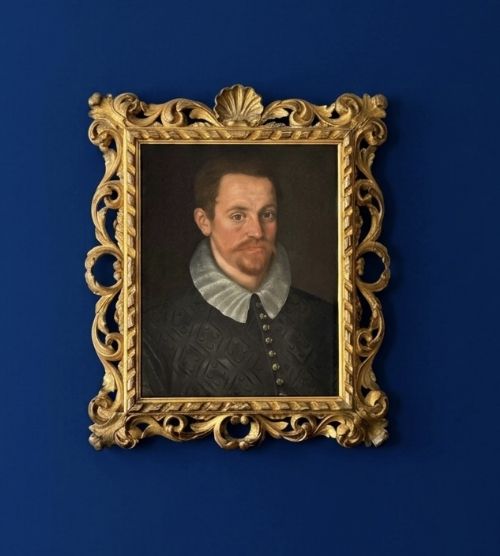
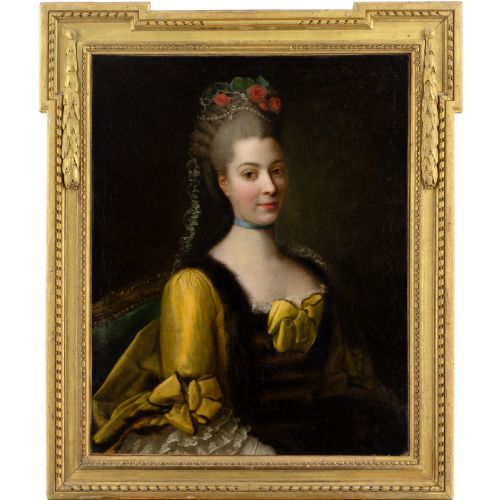
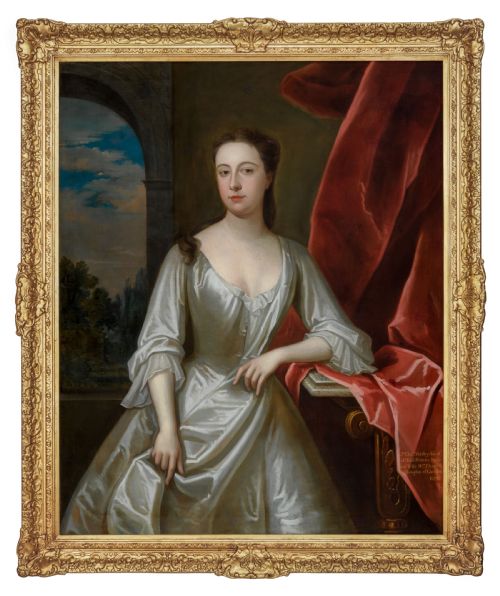
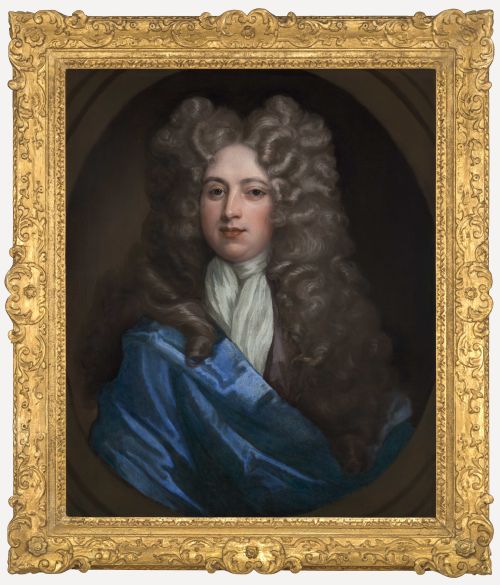
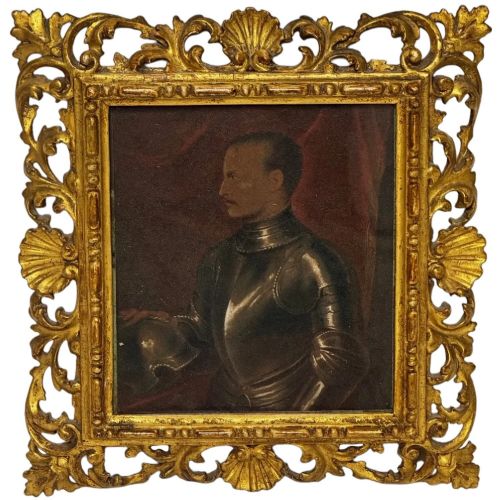
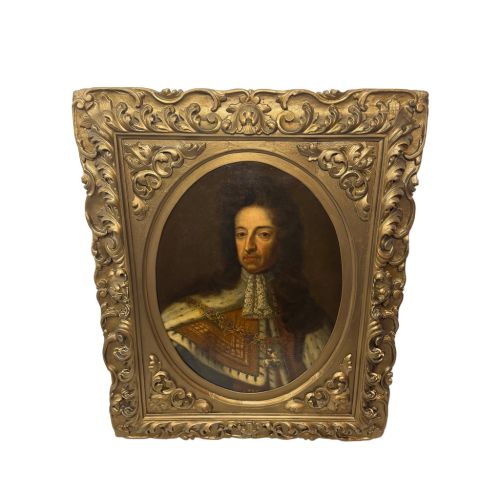
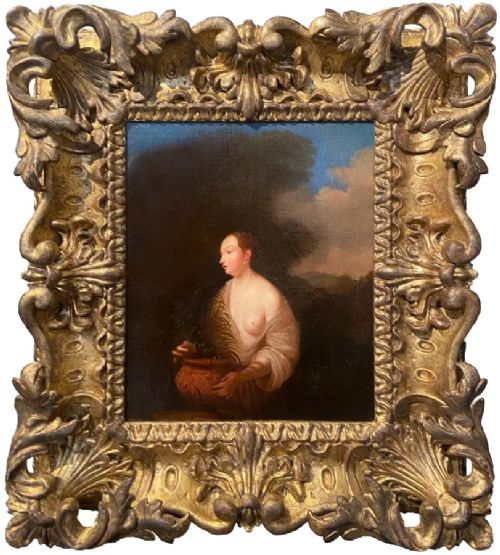
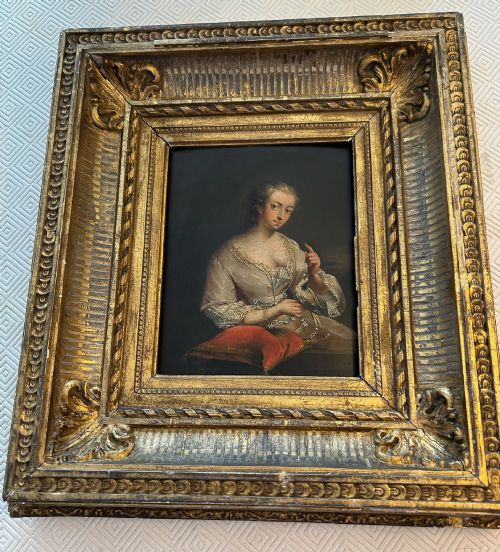
A carved gilt frame portrait pairs historic oil paintings on canvas with ornate wooden surrounds covered in gold leaf or gesso. These pieces span from the seventeenth century through to the Victorian era and beyond, capturing sitters ranging from English gentlemen and noble ladies to Italian school figures.
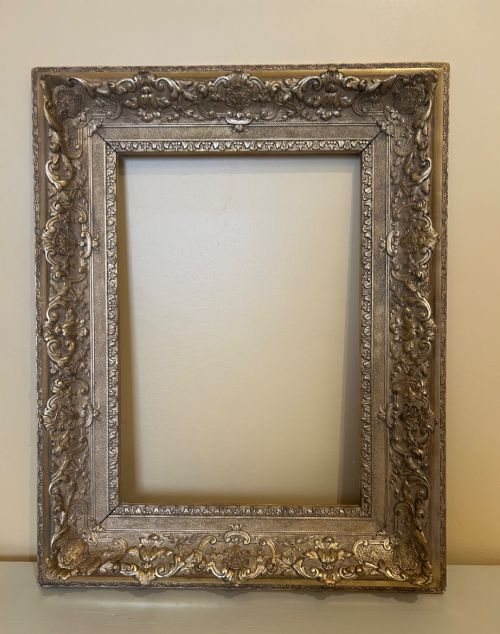
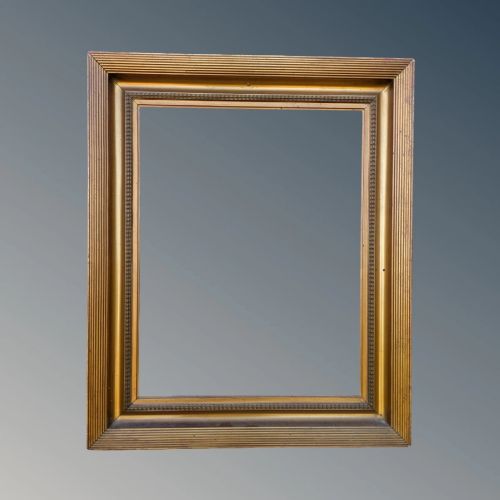
The selections on this page include oil paintings housed in their original or period-matched frames alongside standalone picture frames designed to hold fine art. Works emerge from various regional schools, including English, French, Dutch, Flemish, and Italian traditions, reflecting diverse stylistic influences from Baroque to Rococo Revival.
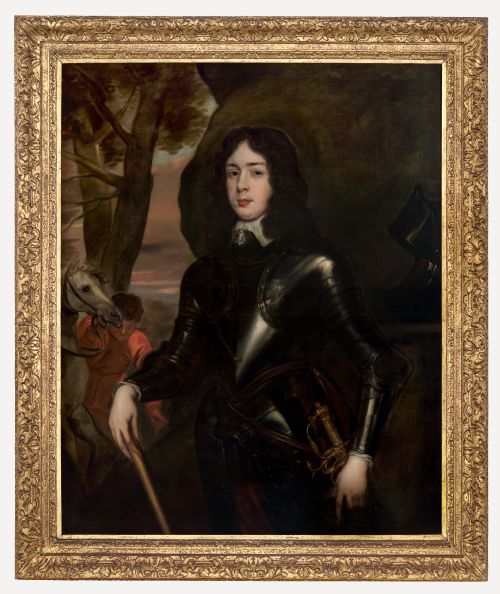
Buyers encounter subjects depicted in ruffs, periwigs, and armour, as well as pastoral settings and intimate bust-length poses. The integration of canvas, wood, and metal leaf creates a unified object where the decorative boundary complements the painted surface within.
How they were made
Makers constructed the primary support using wooden panels or stretched canvas primed for oil paint application. Artists built up layers of pigment to render figures, garments, and backgrounds, often working within established European school conventions.
Surrounding timber frames were carved by hand from wood before receiving layers of gesso, a plaster-like preparation mixture that created a smooth ground for ornamentation. Artisans then applied gold leaf or silver gilt to the prepared surface, sometimes burnishing portions to contrast matte and reflective areas.
Carved Gilt Frame Portrait Retail Price Guide 2026
Typical asking prices for carved gilt frame portrait among the pieces listed under this phrase on Sellingantiques today, from the lower quarter to the upper quarter. They describe what is for sale here now, not the wider market.
Listings feature oil on canvas paintings set within hand-carved gesso and giltwood frames spanning the seventeenth to the twentieth centuries.
What varies in quality
The depth and intricacy of the wooden carving dictate the visual weight and sophistication of the border, ranging from simple moulded profiles to deeply undercut foliage and scrollwork. Original pairings where the painting and its carved gilt frame share a contemporaneous origin command distinct interest compared to later marital arrangements.
The preservation of the original gold leaf and the underlying gesso layers determines the tactile presence of the object over centuries of handling and display. Finer portraiture exhibits confident brushwork, expressive anatomical rendering, and sophisticated handling of light by notable school followers or named artists.
Sir Godfrey Kneller·Sir Anthony van Dyck·Thomas Murray·Henry Pickering·Thomas Hudson·Nicolaes Maes·Jan Cossiers·Juan Ruiz Soriano
The Carved Gilt Frame Portrait Glossary
- Giltwood
- Wood that has been coated with a thin layer of gold leaf or gold dust. This finish gives the timber a luminous metallic appearance that catches ambient light.
- Gesso
- A plaster mixture consisting of a binder mixed with chalk, gypsum, or pigment. It was applied to wooden frames to provide a smooth surface for subsequent gilding.
- Oil on Canvas
- A painting medium where pigments are suspended in a drying oil applied to a woven fabric support. This technique allowed artists to achieve rich tonal gradations and subtle blending.
- Baroque
- An artistic style prevalent from the seventeenth into the eighteenth century characterised by dynamic movement and exuberant ornamentation. Frames and paintings from this period often display theatrical drama and rich surface textures.
Carved Gilt Frame Portrait: Frequently Asked Questions
What periods do these portraits come from?
The available pieces predominantly date from the seventeenth, eighteenth, and nineteenth centuries. Examples stretch from early seventeenth-century English school works to Victorian and later interpretations.
Specific decades represented include the seventeen-twenties, eighteen-eighties, and nineteen-fifties, capturing shifting aesthetic preferences across generations.
Are the frames original to the paintings?
Many listings feature works housed in their original or period-correct carved giltwood frames. Some pieces maintain matched pairings dating back to the creation of the artwork.
Other items present antique picture frames combined with paintings or plaques from corresponding eras to recreate historical display aesthetics.
What subjects appear in these works?
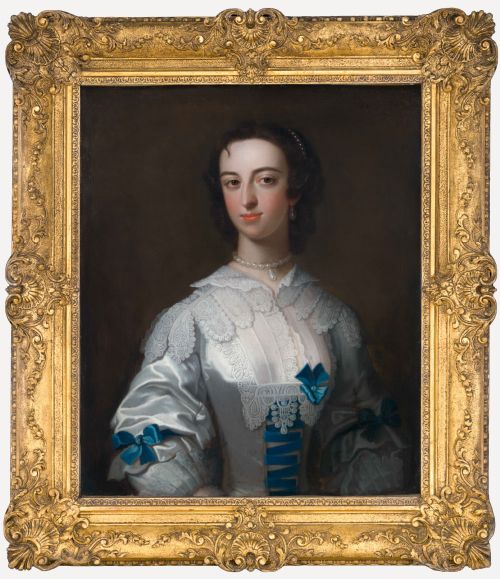
Portraits depict a wide array of individuals, including English gentlemen in doublets, noblewomen in silk dresses, children, and ecclesiastical figures. Sitters often wear period attire such as ruffs, periwigs, lace jabots, or military armour.
Additional compositions include pastoral scenes, dogs after Landseer, and allegorical figures rendered by regional European schools.
How should I display a gilt frame portrait?
These works suit prominent placement on panelled or painted walls where adequate lighting can illuminate the oil pigments and the reflective gold leaf. Positioning them away from direct sunlight protects both the canvas and the delicate gesso ground.
Allowing sufficient surrounding wall space lets the carved wooden borders define their own architectural presence within a room.