

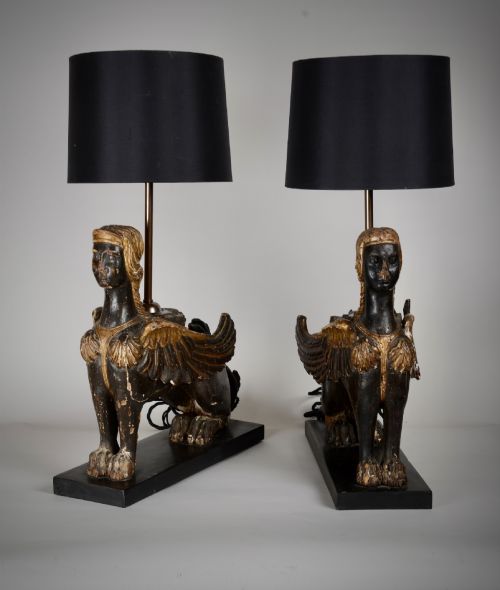


Carved Gilt Desk Lamps
Carved gilt desk lamps bring warm illumination and period character to a workspace, drawing on centuries of European craftsmanship in wood, brass, and bronze.
Carved Gilt Desk Lamps
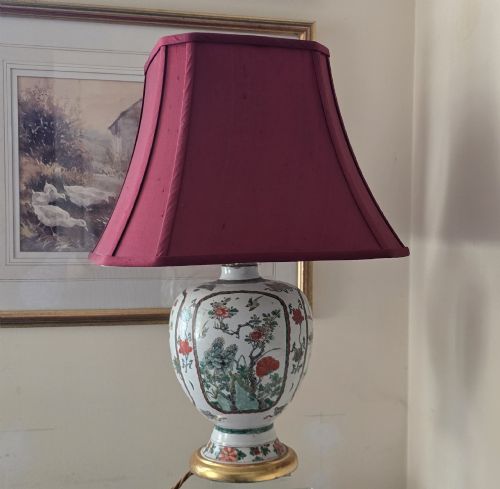
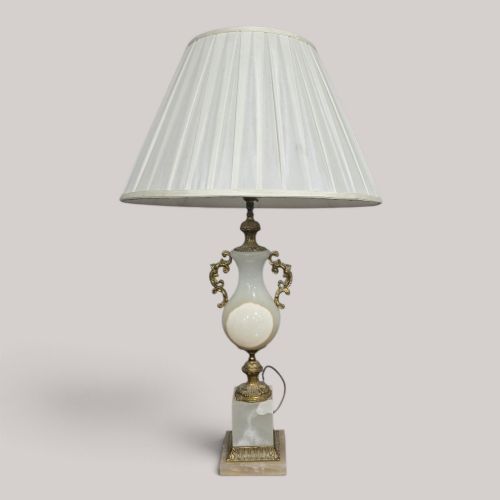
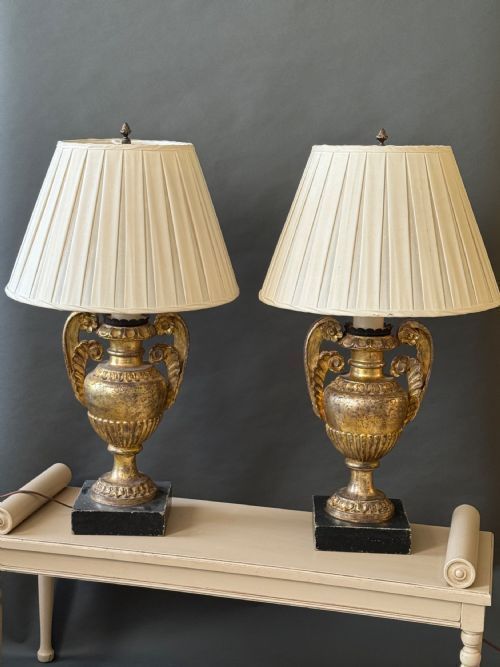
Carved gilt desk lamps encompass a variety of lighting forms and adapted fixtures, including converted altar candlesticks and oil lamp stands from the eighteenth and nineteenth centuries. These pieces reflect historical European aesthetics ranging from Spanish Baroque to Louis XVI Revival and Italian Neoclassical designs.
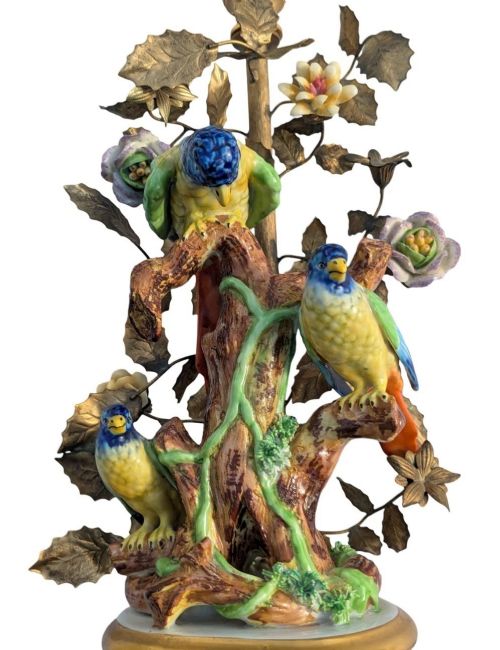
Buyers will encounter both dedicated desk lamps and versatile table lighting suitable for workspaces, alongside occasional side table pieces that complement the lighting scheme. The materials combine structural wood, marble, or metal with rich surface gilding.
How they were made
Construction relies on traditional joinery and carving techniques applied to timbers such as walnut and specialist woods, which are then prepared for gilding. Metal components are cast in brass, bronze, or ormolu, often integrating marble, onyx, or painted elements into the overall assembly.
Gilding processes involve the meticulous application of gold leaf or metallic paint over prepared grounds on wood or metal surfaces to achieve a luminous finish. Many examples incorporate fabric shades, frosted glass, or historical conversions from earlier lighting formats like oil lamps and candlesticks.
Carved Gilt Desk Lamps Retail Price Guide 2026
Typical asking prices for carved gilt desk lamps among the pieces listed under this phrase on Sellingantiques today, from the lower quarter to the upper quarter. They describe what is for sale here now, not the wider market.
Listings span periods from the eighteenth century through the 1930s, featuring materials such as giltwood, brass, marble, and fabric.
What varies in quality
The standard of carving and metalcasting defines the primary tier of quality, distinguishing crisp, deeply articulated foliage and figures from softer, summary execution. Original surface treatments and the preservation of historic gilding hold significant weight over later repainting or heavy restoration.
Material selection also dictates overall merit, separating substantial giltwood, white marble, and gilt bronze assemblies from lighter composite constructions. The sophistication of the design style, whether elaborate Rococo Revival or restrained Neoclassical, further influences the character of each piece.
The Carved Gilt Desk Lamps Glossary
- Giltwood
- Wood that has been coated with gold leaf or powder. This finish provides a reflective, ornate surface typical of classical European furniture and lighting.
- Ormolu
- Finely ground high-carat gold-mercury amalgam applied to bronze objects. The technique produces a rich, durable golden finish seen on decorative mounts and lamp bases.
- Neoclassical
- A style originating in the mid-eighteenth century inspired by classical antiquity. It emphasises symmetry, straight lines, and motifs such as urns and fluting.
- Altar candlestick
- A tall, heavy candleholder originally used on church altars. These items are frequently converted into functional lamps while retaining their architectural proportions.
- Gilt bronze
- An alloy of copper and zinc or tin finished with a gold surface layer. It offers weight and durability for intricate decorative castings.
Carved Gilt Desk Lamps: Frequently Asked Questions
How do I identify a converted lamp?
Converted lamps often show evidence of former use, such as plugged fuel wells on oil lamp stands or prickets and drip pans on altar candlesticks. These structural adaptations reveal the original purpose of the object before electrification.
Wiring is typically added through existing channels or discreetly routed to preserve the historic silhouette. Examining the base and stem helps distinguish purpose-built desk lighting from repurposed ecclesiastical or domestic artefacts.
Where do these lamps originate?
The majority of pieces originate from continental Europe, with strong representation from French and Italian workshops. Styles reflect regional preferences, from Spanish Baroque altar pieces to French Louis XVI Revival designs.
Craftsmen in these centres utilised local materials like marble, walnut, and cast metals. This European provenance accounts for the distinct aesthetic vocabulary found across the collection.
What materials are used?
Construction primarily involves giltwood, brass, gilt bronze, and carved wood, frequently combined with white marble or onyx bases. Fabric shades and frosted glass components are also utilised for the lighting elements.
Some pieces incorporate painted wood or metal finishes alongside traditional gilding. The interplay of these materials contributes to the decorative weight and visual texture of each lamp.
How do I date a piece?
Dating relies on stylistic markers such as Neoclassical symmetry or Rococo Revival asymmetry, alongside manufacturing techniques visible in the carving and metal casting. Reference to specific periods like the Victorian era or the early twentieth century provides a broad chronological frame.
Material composition and the nature of any gilding or paint layers further assist in placing the object within a historical timeframe. Documentation or retailer descriptions offer additional guidance on age.