
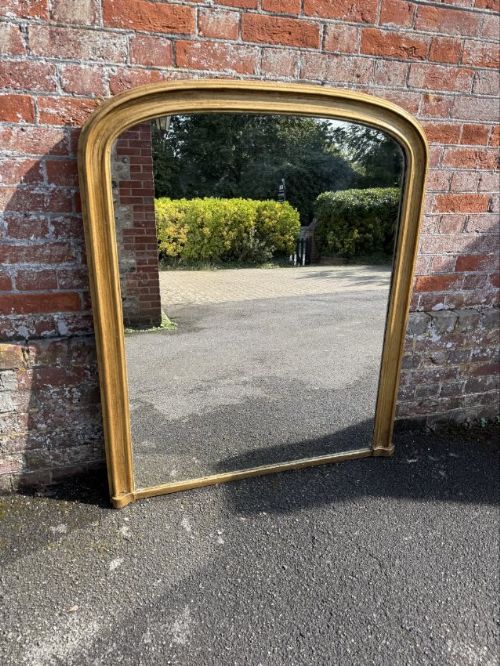
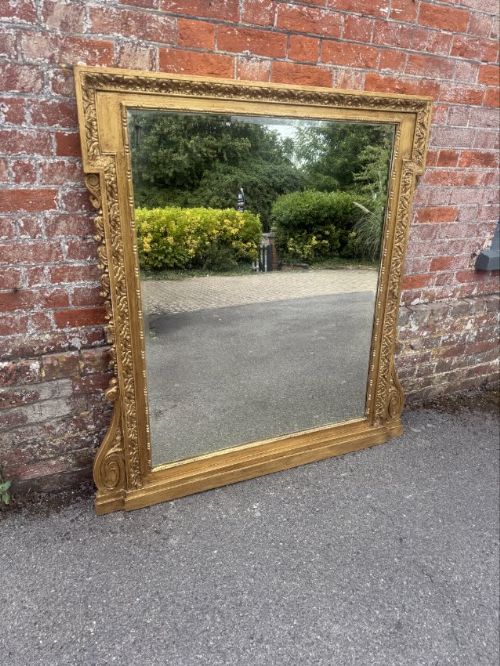
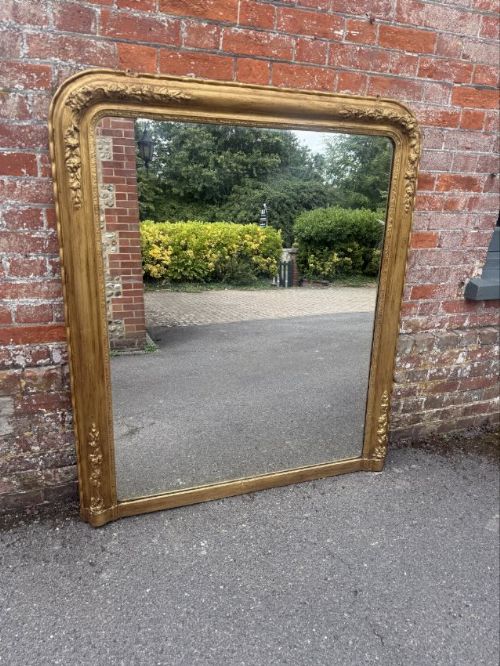
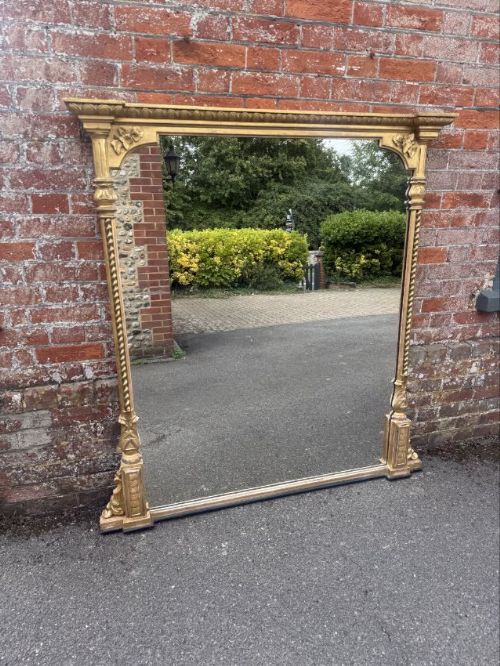


Carved Gesso Overmantel
A carved gesso overmantel brings grand nineteenth-century presence to a room, offering reflective depth and ornate framing built for traditional chimney breasts.
Carved Gesso Overmantel
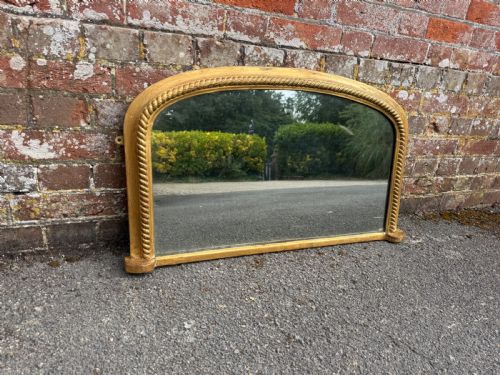
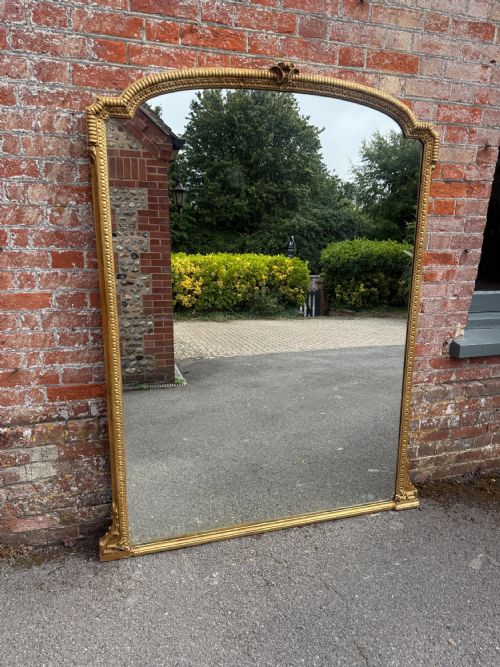
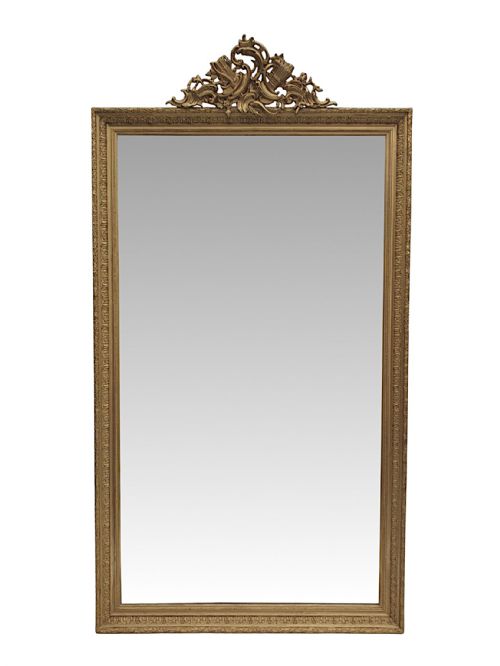
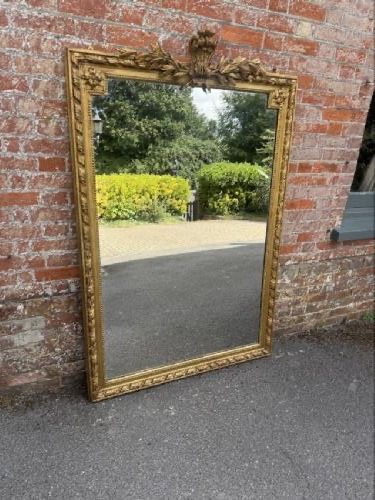
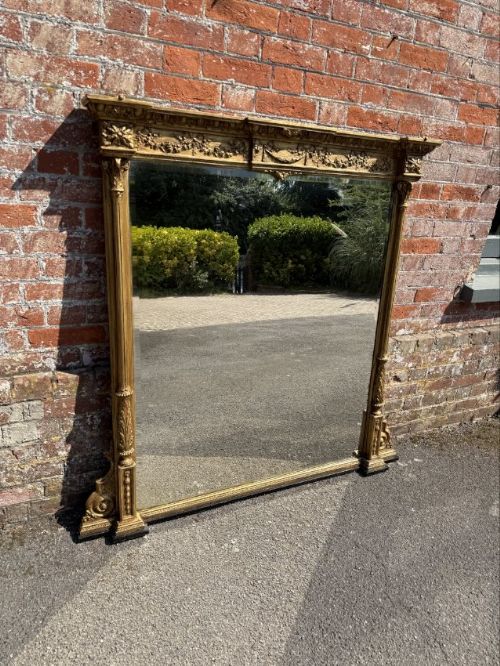
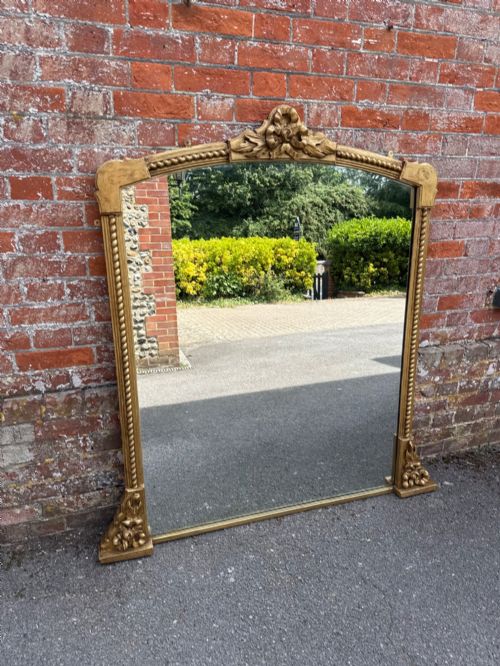
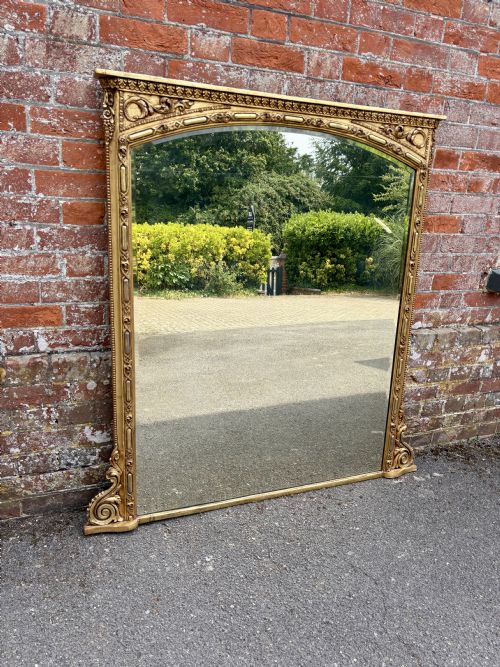
A carved gesso overmantel is a large decorative mirror designed to hang above a fireplace mantelpiece, serving as a focal point in nineteenth-century interiors. These pieces typically take the form of substantial wall mirrors featuring arched, shaped, or rectangular tops.
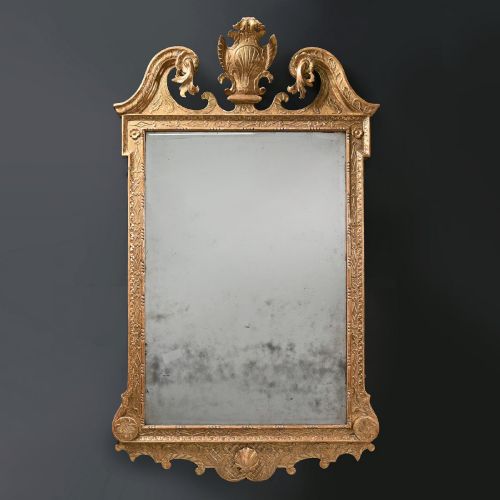
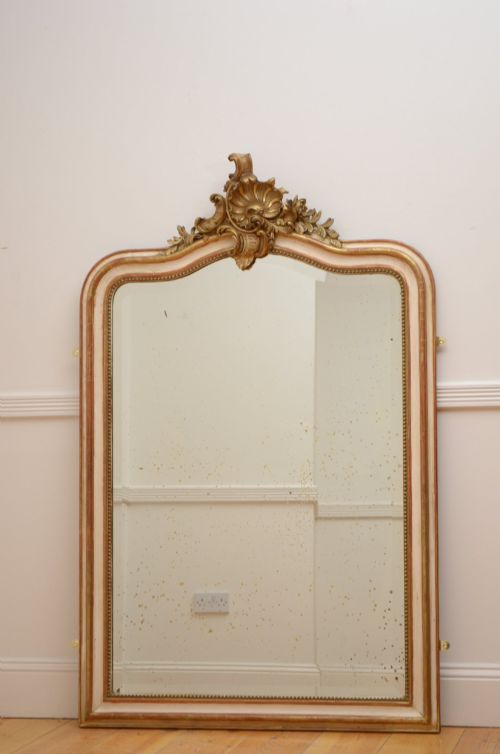
English and French workshops produced the majority of these large mirrors during the Victorian period, alongside earlier eighteenth-century George II and Louis-style examples. Common variations include rope twist frames, ribbed columns, and tulip motifs framing the mirror glass.
Buyers encounter both overmantel mirrors and leaner mirrors designed for domestic reception rooms. The selection spans wide architectural formats intended to sit securely above a hearth.
How they were made
Artisans built the structural framework from carved wood, typically soft or hardwoods shaped into architectural mouldings and decorative motifs. Over this wooden base, they applied layers of gesso - a mixture of plaster of Paris or chalk with glue - which accepted intricate low-relief carving and crisp detailing.
Once dry and carved, the gesso surface received finishes of gold leaf, giltwood, or paint, often layered over the wood to create metallic brilliance or painted decorative schemes. Mirror glass was then fitted into the rebate, secured at the rear to complete the heavy wall hanging.
Some nineteenth-century makers snuck triple plates into overmantels so families could check three angles of their Sunday best at once.
What varies in quality
The depth and crispness of the gesso relief distinguish finer examples from simpler production, as skilled modellers achieved sharper lines and more intricate floral or rope-twist details. The integrity of the underlying carved wood frame also dictates structural longevity under the considerable weight of the glass.
The survival of original gilding, gold leaf, or historic painted surfaces heavily influences the character of the piece. Superior specimens retain their original reflective mirror plates and cohesive surface patination without excessive modern restoration.
The Carved Gesso Overmantel Glossary
- Gesso
- A plaster-based mixture applied to wood frames to allow fine, smooth carving and a base for gilding. This material provides the raised decorative relief seen around the mirror border.
- Giltwood
- Wood that has been coated with gold leaf or metallic gilding powder. It creates a brilliant reflective surface popular in formal nineteenth-century interior schemes.
- Overmantel
- A large mirror specifically proportioned to hang on the wall directly above a fireplace mantel. These pieces anchor the visual weight of a chimney breast.
- Pier mirror
- A tall mirror designed to hang on the narrow pier of wall between two windows. They share similar decorative gesso framing techniques with overmantels.
- Rope twist
- A carved wooden and gesso moulding shaped to resemble a twisted rope. This popular decorative motif adds texture to the inner or outer frame.
Carved Gesso Overmantel: Frequently Asked Questions
How do I hang a heavy overmantel safely?
Because these pieces combine dense carved wood, thick gesso, and heavy mirror glass, secure wall anchoring is essential. They require heavy-duty fixings attached directly into solid masonry or substantial wall studs rather than standard plasterboard.
Professional installation is often recommended to distribute the substantial weight safely across the chimney breast or reinforced wall space.
Were these mirrors always meant for fireplaces?
While the overmantel format was specifically proportioned for placement above a fireplace hearth, many nineteenth-century examples functioned equally well as large wall or leaner mirrors in grand reception rooms.
Their generous scale allowed them to bounce light around formal spaces regardless of whether a fireplace sat directly beneath them.
How do I clean a gilded gesso frame?
Gilded and gesso surfaces require gentle maintenance to preserve the historic metallic leaf and delicate plaster mouldings. Dusting should be done lightly with a dry, soft brush without applying moisture or modern chemical cleaning agents.
Water and harsh solvents can soften historic gesso and lift fragile gold leaf from the carved wooden substrate.
How do I distinguish French and English styles?
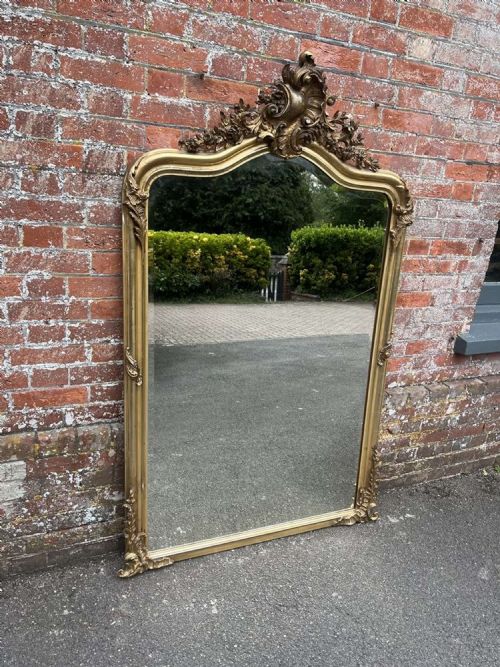
English nineteenth-century overmantels frequently feature architectural elements like ribbed columns and disciplined arched tops suited to Victorian interiors. French examples often lean towards ornate Rococo Revival or Louis-style curves with whimsical painted finishes and asymmetric gesso details.
Examining the underlying framing style and decorative motifs helps identify the regional aesthetic of the workshop.