
Carved French Fauteuil
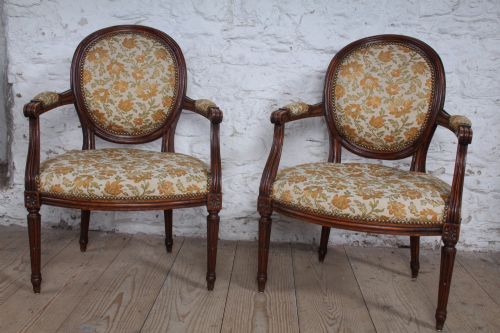
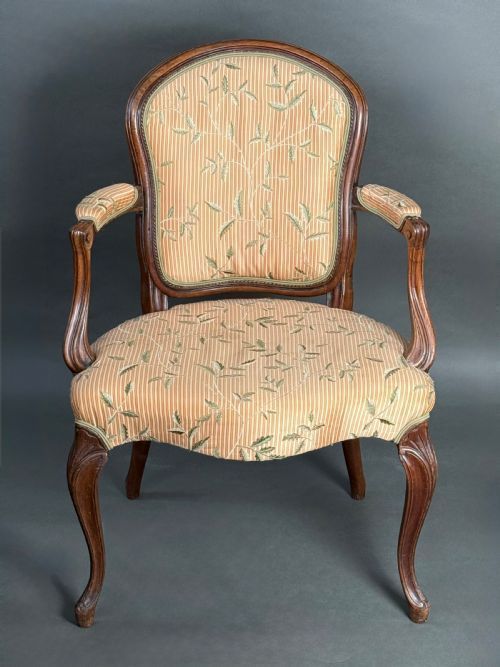
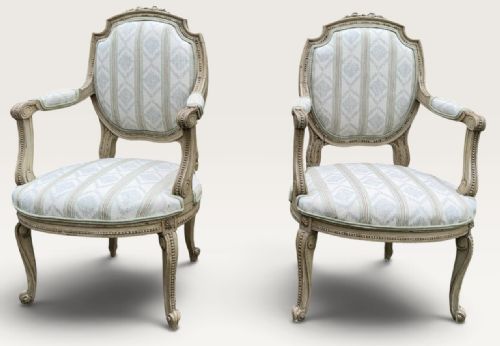
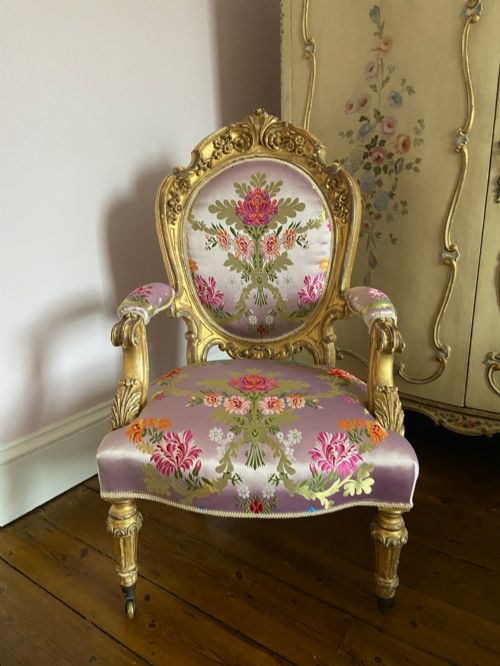
When you search for a carved french fauteuil, you uncover an open armchair designed with exposed timber frames and upholstered elements.
Carved French Fauteuil
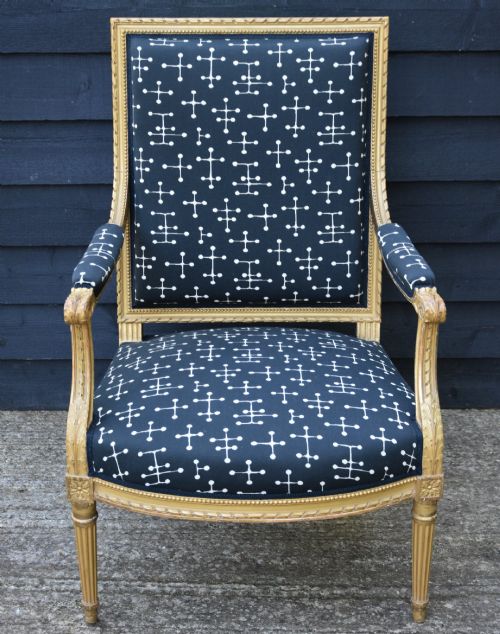
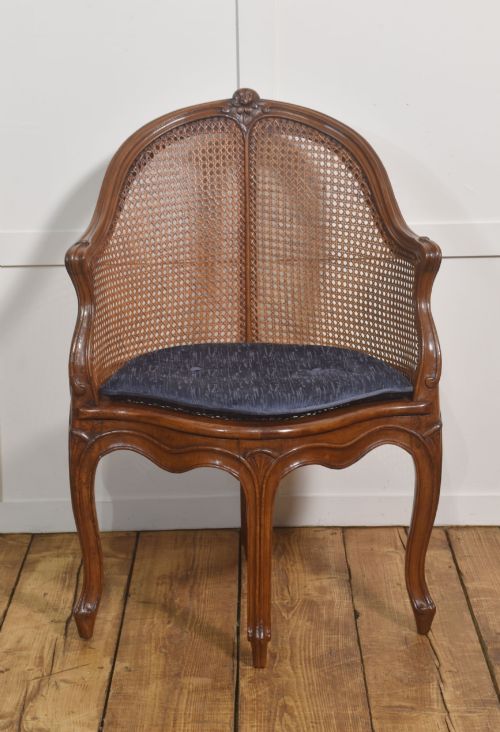
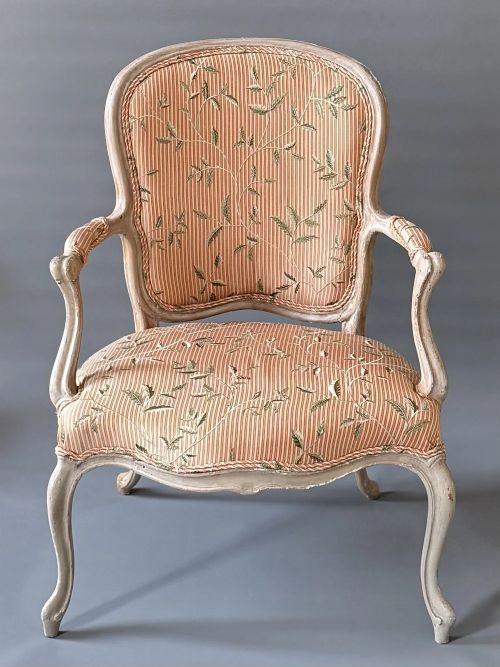
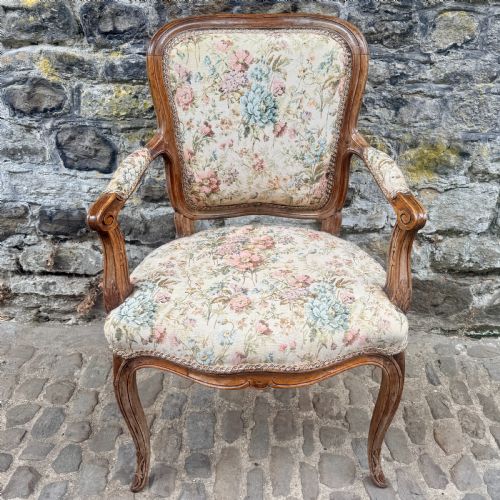
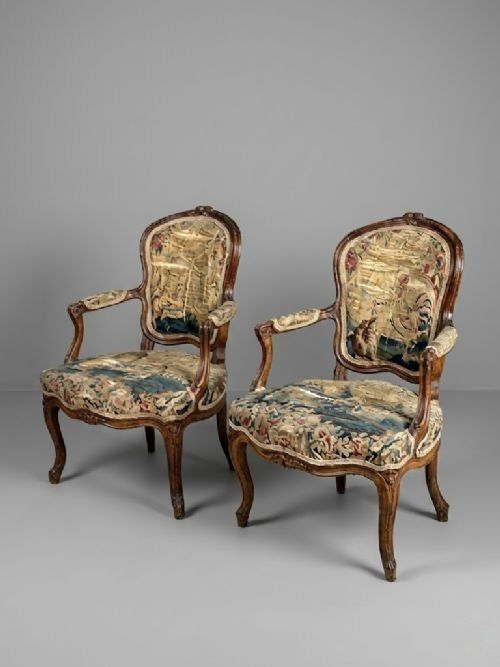
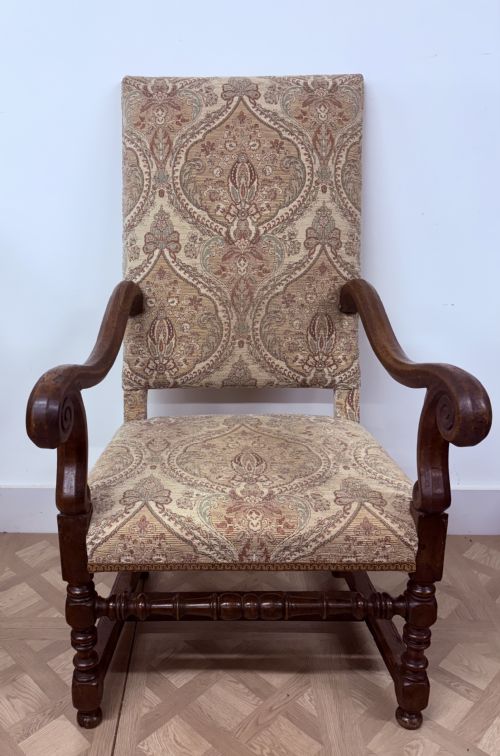
A carved french fauteuil represents a traditional open-armed seat originating from historic domestic spaces, characterised by upholstered backrests and armrests flanked by exposed wooden frames. Buyers exploring this category encounter pieces dating from the seventeenth century through to the early twentieth century, spanning periods such as the reign of Louis XV, the Louis XVI revival, and provincial adaptations.
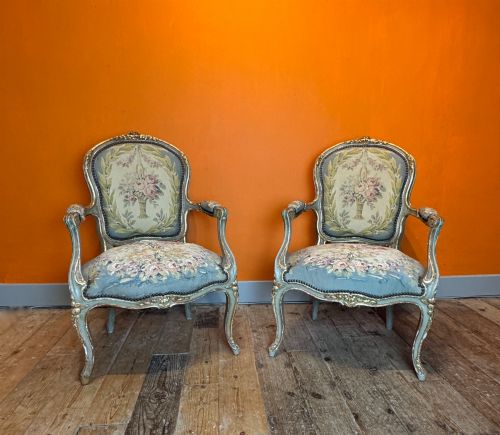
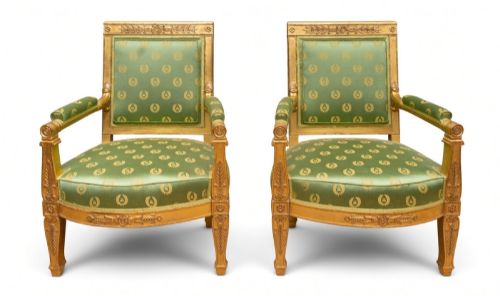
The form primarily functions as a parlour or salon chair, frequently appearing in pairs or alongside matching settees and footstools. Walnut, beech, and giltwood form the structural foundations of these seating options, often paired with traditional textile coverings like tapestry, silk, velvet, or needlework.
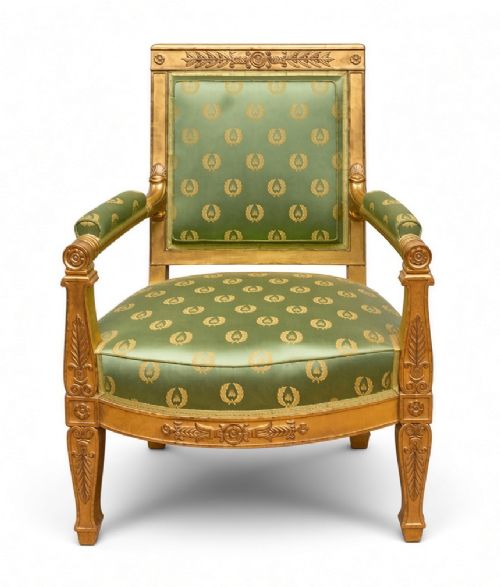
Regional and revival pieces dominate the selection, reflecting shifts from the flowing curves of Rococo and Regence aesthetics to the straighter lines of Directoire and neoclassical styles. These chairs bridge decorative woodcarving with functional domestic comfort, displaying craftsmanship ranging from provincial workshops to court commissions.
Materials and construction methods
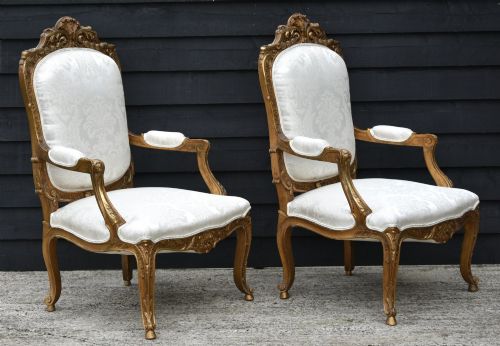
Cabinetmakers constructed the frames of these chairs using solid hardwoods, predominantly walnut and beech, alongside oak in certain provincial pieces, while luxury examples received layers of gesso and gold leaf to create giltwood surfaces. Skilled artisans carved floral motifs, scrollwork, and structural elements directly into the timber before assembling the components with traditional joinery.
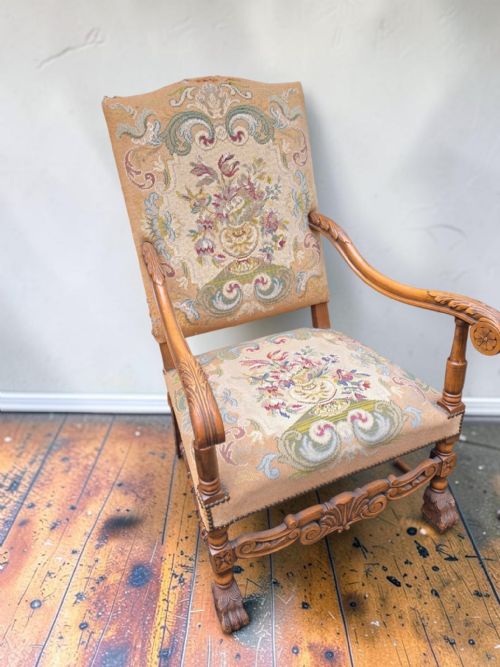
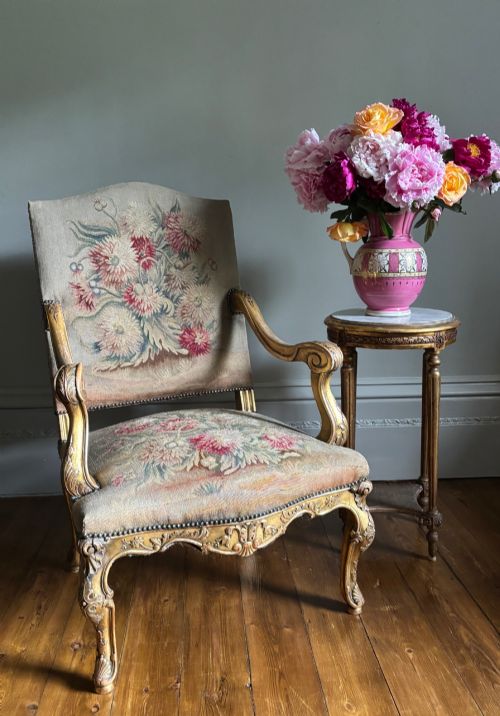
Upholstery techniques involved securing horsehair or natural stuffing over webbing, covered with textiles such as hand-woven Aubusson tapestry, silk damask, or needlework secured with decorative brass tacks. Painted and parcel-gilt finishes provided alternative surface treatments, utilising original paint or layered gilding to accentuate the carved details of the frame.
Some nineteenth-century makers built chairs so generously proportioned they earned the contemporary label of throne chairs.
Markers of distinction in execution
The depth, crispness, and hand-carved detail of the wooden frame separate standard production from exceptional examples, where floral and asymmetrical motifs show deliberate relief rather than mechanical uniformity. Frames executed in solid walnut or expertly applied giltwood demonstrate greater material integrity than secondary timbers treated with later finishes.
The integration of the upholstery with the frame, particularly the use of period-appropriate textiles like Aubusson tapestry or historic silk rather than modern replacement fabric, influences the overall coherence of the piece. Proportion and structural balance also dictate quality, as larger throne-like armchairs and documented royal commissions exhibit superior spatial presence.
Jacob-Desmalter·Thomas Chippendale·Blaise Maucuy
The Carved French Fauteuil Glossary
- Fauteuil
- An open-armed upholstered armchair originating in France, featuring exposed wooden sides and structural framing. These chairs typically served in formal reception rooms.
- Giltwood
- Timber coated with gold leaf applied over a prepared gesso ground. This finish defines high-status seating across multiple decorative periods.
- Aubusson
- Tapestry woven in the French town of Aubusson, frequently utilised for historic chair and fauteuil upholstery. These textiles display pictorial or floral designs.
- Rococo
- An ornate artistic style prevalent during the eighteenth century, characterised by asymmetrical scrollwork, C-scrolls, and naturalistic plant motifs. It heavily influenced Louis XV furniture design.
Carved French Fauteuil: Frequently Asked Questions
What is a fauteuil?
A fauteuil is a traditional French open-armed armchair featuring an exposed wooden frame and upholstered back and seat. These chairs were designed for formal domestic interiors.
Unlike enclosed armchairs, fauteuils leave the wooden arm supports uncovered to display carved details and finishing techniques.
How do I identify Louis XV style?
Louis XV style furniture is marked by flowing curves, asymmetrical scrollwork, and naturalistic floral carvings. The woodwork often exhibits cabriole legs and serpentine seat rails.
This aesthetic prioritises organic movement over rigid symmetry, distinguishing it from later neoclassical revivals.
Where were these chairs used?
Historic fauteuils populated the salons, drawing rooms, and bedchambers of French chateaux and townhouses. They provided movable seating for conversation and entertaining.
Today, they function as accent chairs in living spaces, libraries, and hallways.
How are original frames dated?
Dating relies on timber characteristics, tool marks left by hand carving, and stylistic shifts in the frame's silhouette. Joinery methods and wear patterns also indicate the period of manufacture.
Reference points include documented regional variations and documented revival movements from the nineteenth century.