



Walnut Fauteuil Pair
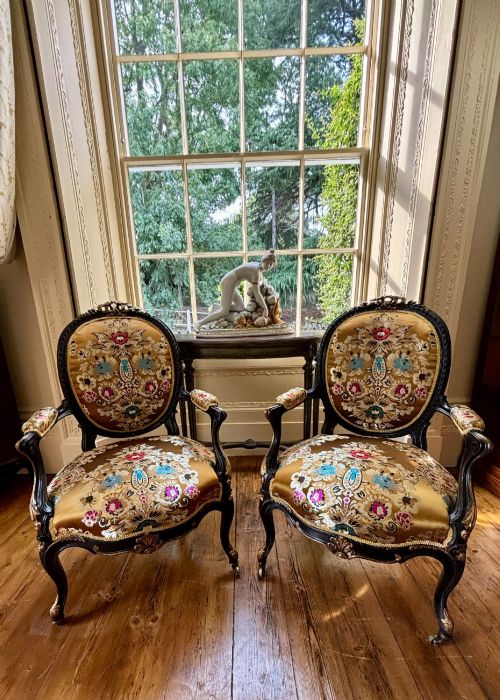
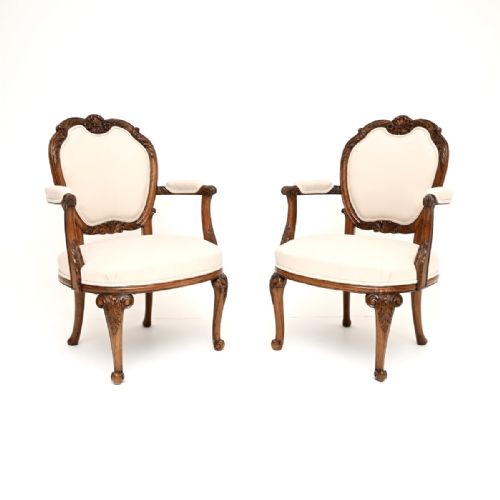
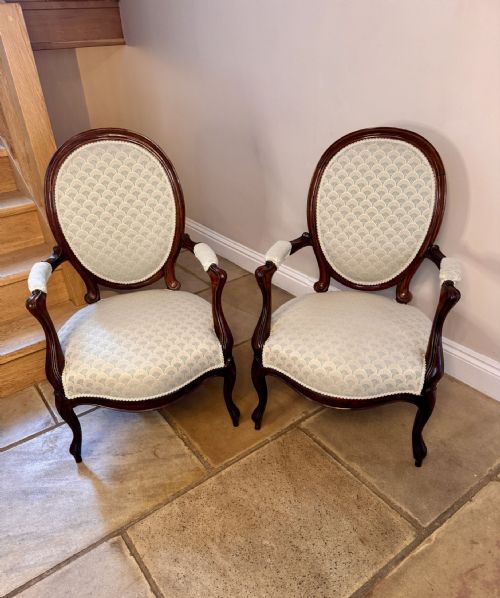
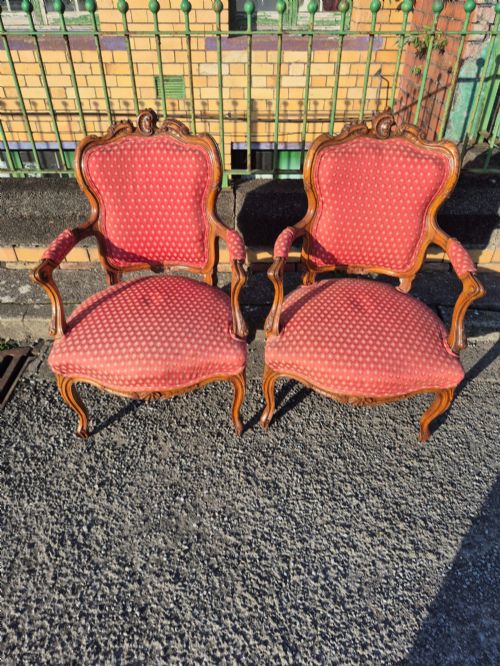
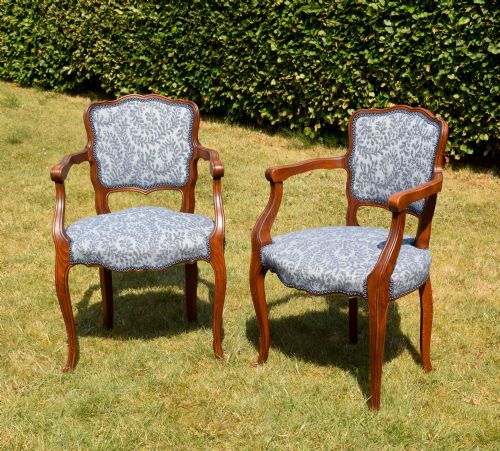
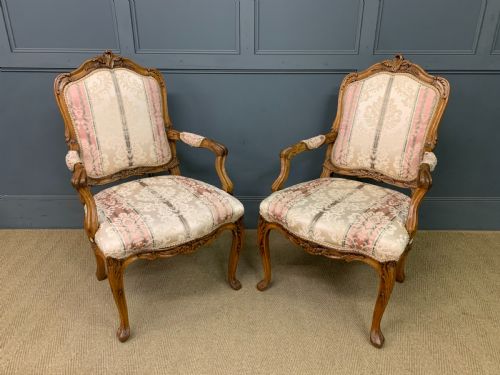
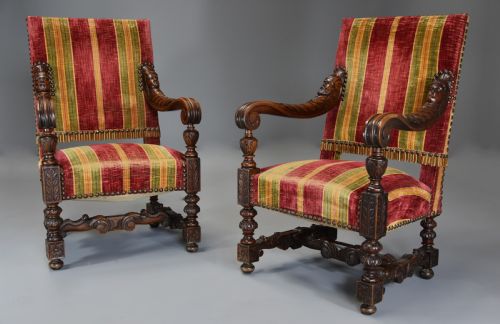
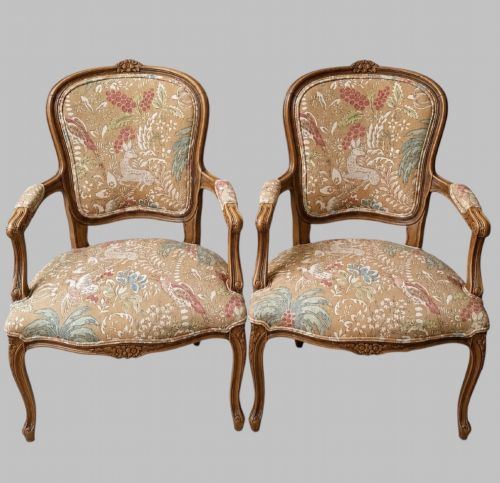
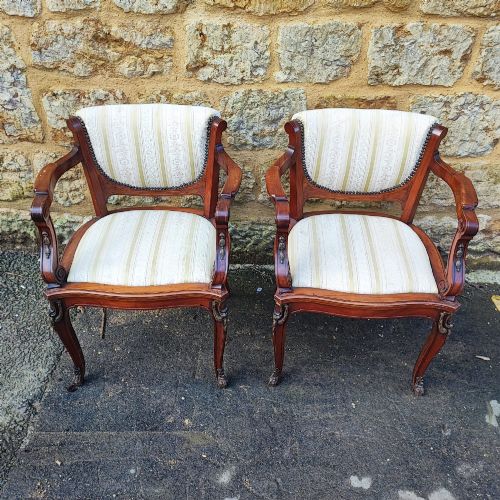
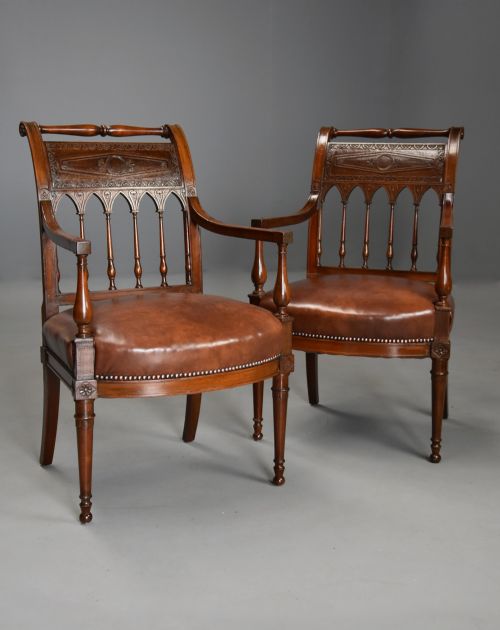
A walnut fauteuil pair offers matched French seating, bringing period elegance and carved wooden frames into a room.
Walnut Fauteuil Pair
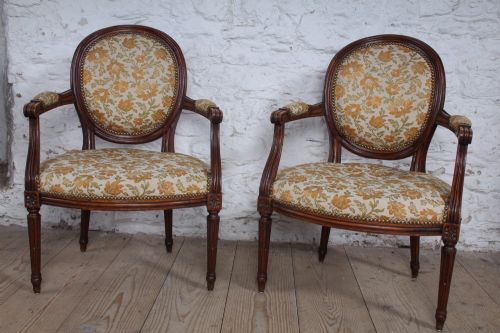
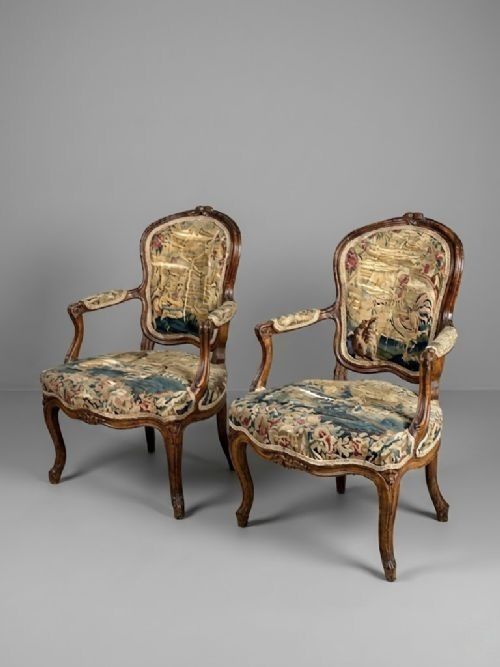
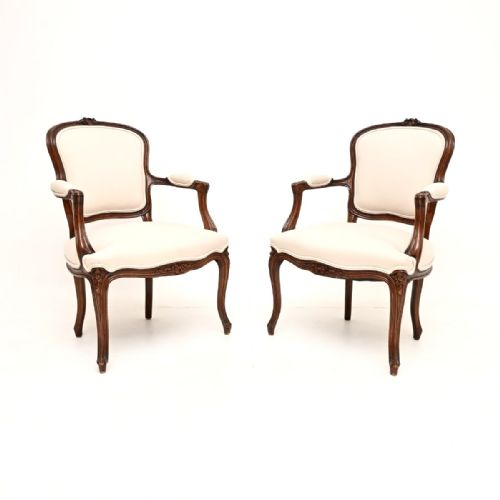
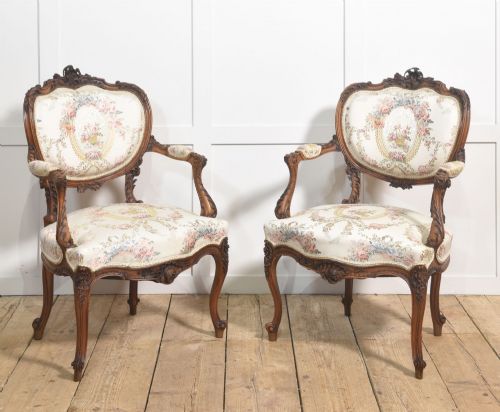
A walnut fauteuil pair consists of matching open-armed French seats constructed primarily from walnut timber. Buyers examining this page encounter pieces originating from the eighteenth century through to the early twentieth century.
The selections span distinct design vocabularies including Louis XV, Louis XVI, Baroque, and Empire styles. Many examples present carved wooden frames paired with textile coverings such as tapestry, needlepoint, damask, and velvet.
Armchairs dominate the available forms, ranging from salon seating to bedroom chairs and large French armchairs. These matched duos provide symmetrical seating arrangements for traditional interiors.
Materials and construction methods
Makers utilised solid walnut for the structural frames, often carving intricate details directly into the dense timber. Certain examples incorporate applied gilding alongside the exposed wood grain.
Upholstery techniques involve traditional stuffing secured beneath diverse fabrics including wool tapestries, needlepoint panels, and patterned damask. Brass elements occasionally appear within the construction or decorative detailing.
Walnut Fauteuil Pair Retail Price Guide 2026
Typical asking prices for walnut fauteuil pair among the pieces listed under this phrase on Sellingantiques today, from the lower quarter to the upper quarter. They describe what is for sale here now, not the wider market.
Listings span multiple eras from the eighteenth century to the 1930s, uniting walnut frames with tapestry, velvet, and damask.
Distinguishing quality across examples
Depth and crispness of the wood carving separate standard framing from exceptional craftsmanship. Sculpted floral motifs, scrollwork, and moulded lines reflect the skill invested by the original maker.
The preservation of original textile covers, such as period needlepoint or Aubusson tapestry, influences the character of an armchair. Substantial timber frames with solid joinery provide structural integrity across the centuries.
The Walnut Fauteuil Pair Glossary
- Fauteuil
- An open-armed upholstered armchair originating in France, typically featuring an exposed wooden frame. These seats combine decorative carving with padded armrests.
- Louis XV style
- A design movement characterised by asymmetric curves, naturalistic plant motifs, and cabriole legs. This aesthetic dominated French decorative arts during the eighteenth century and inspired later revivals.
- Aubusson
- A type of hand-woven tapestry traditionally produced in the French town of the same name. These textiles frequently serve as upholstery for period seating.
- Needlepoint
- Embroidery stitched onto a stiff canvas mesh to create a dense, durable pattern. It appears on antique chair seats and backrests.
- Damask
- A reversible figured fabric featuring patterns woven into the ground. It provides a formal textile surface for traditional upholstery.
Walnut Fauteuil Pair: Frequently Asked Questions
How do I identify a true period fauteuil?
Examine the construction methods visible on the underside and frame joints. Hand-carved walnut details and traditional joinery indicate older manufacture.
Compare the stylistic motifs against documented design periods such as Louis XV or Louis XVI. Wood patina and wear patterns on the frame offer further clues to age.
Are these chairs comfortable for daily use?
These armchairs feature padded backs, seats, and armrests designed for relaxed sitting. The open arms provide generous space for formal attire.
Seat firmness depends on the internal stuffing materials used during past upholstery work. Modern users often find nineteenth-century salon chairs well-suited for occasional sitting.
Where should I place a pair in my home?
Position the matching chairs opposite a fireplace or flanking a central console table to create visual balance. Their symmetrical design suits drawing rooms and large bedrooms.
Ensure adequate clearance around the open wooden arms to protect the carved walnut frames from knocks. Placing them away from direct sunlight preserves fragile textile coverings.
What is the difference between revival styles and originals?
Original eighteenth-century pieces were built during the reigns of French monarchs and reflect contemporary craftsmanship. Revival items date to the nineteenth or twentieth centuries and imitate those earlier aesthetic forms.
Both categories utilise carved walnut and traditional upholstery, though revival pieces often display nineteenth-century manufacturing techniques.