

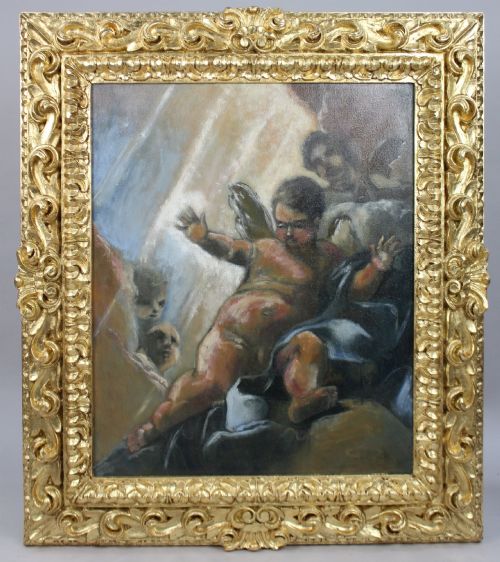
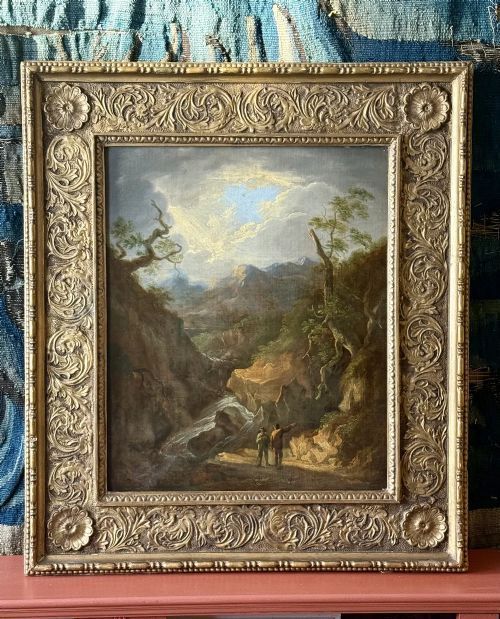
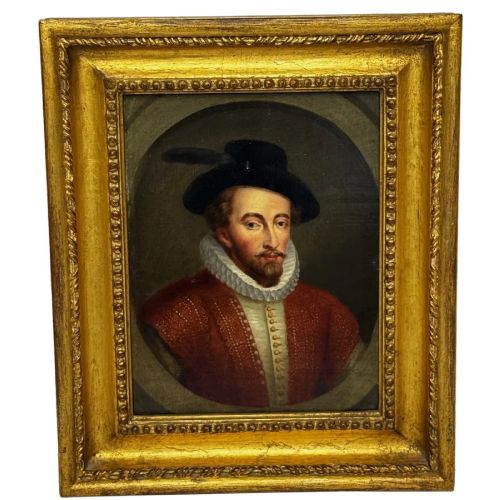
Carved Framed Painting
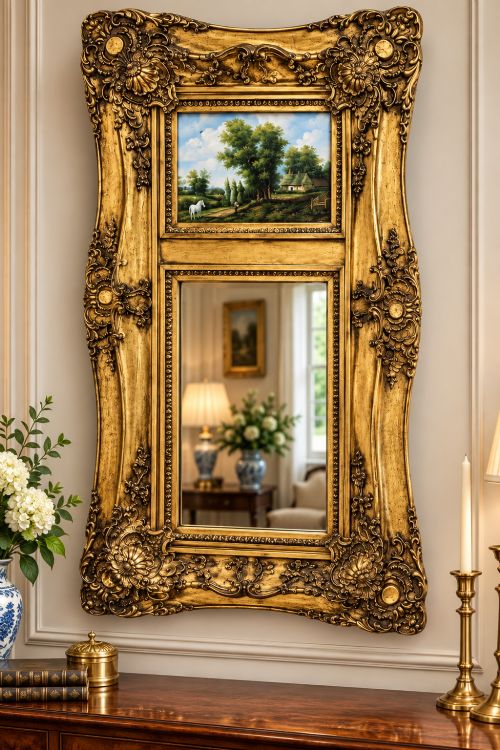
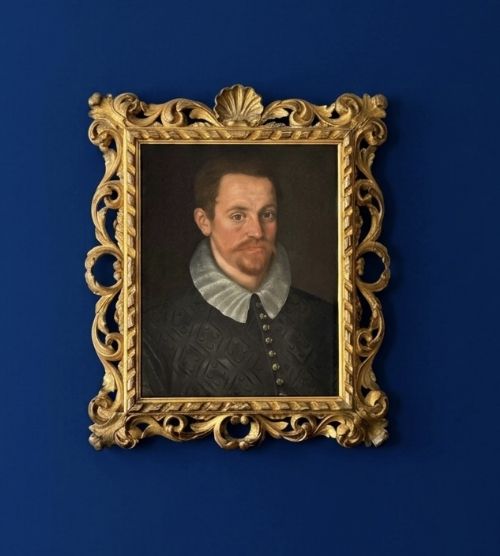
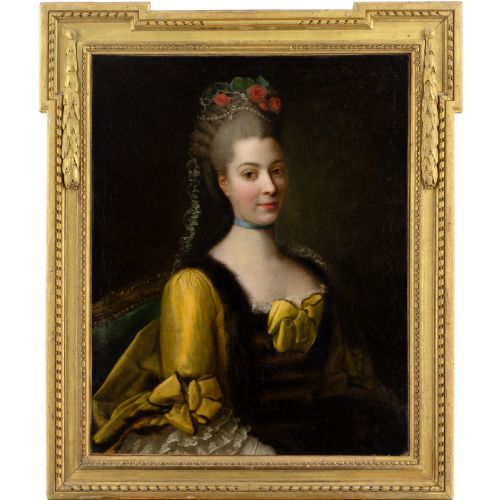
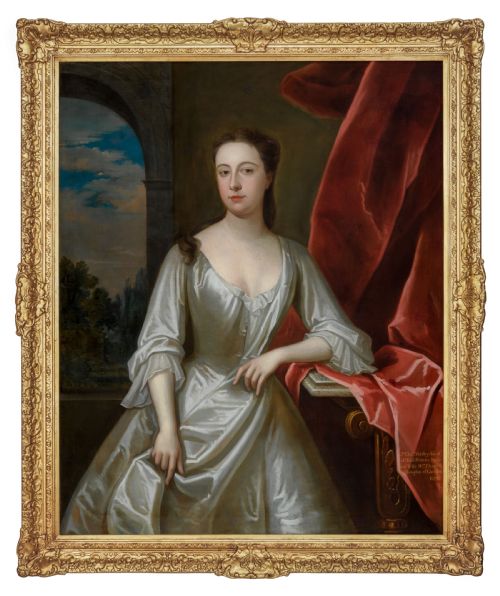
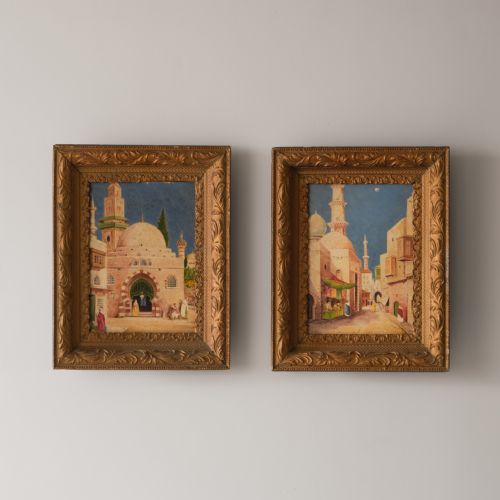
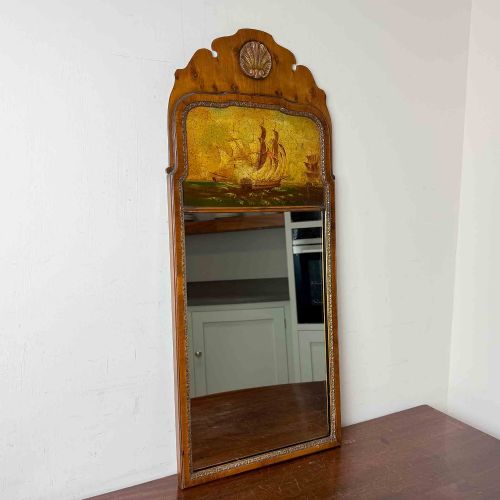
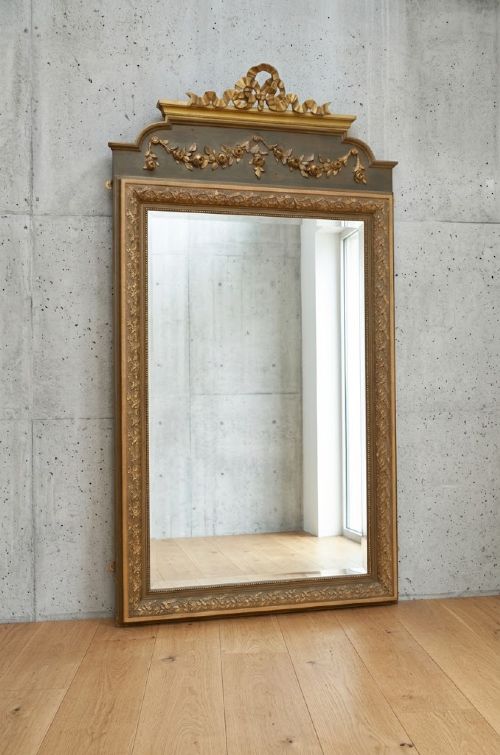
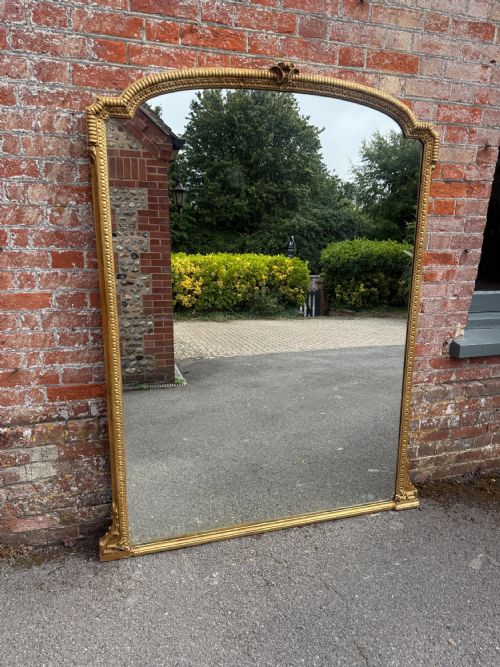
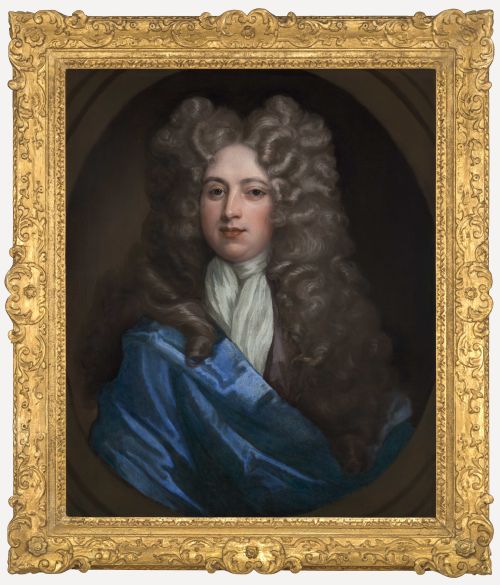
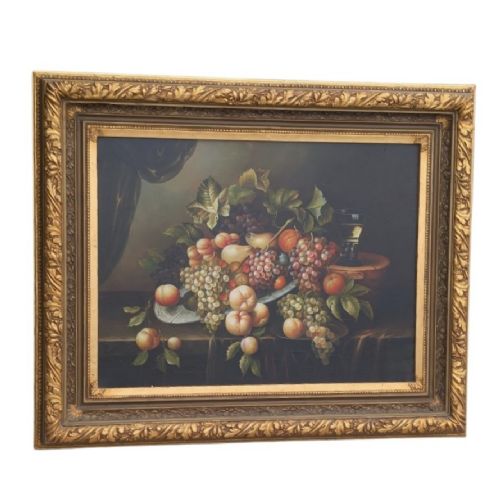
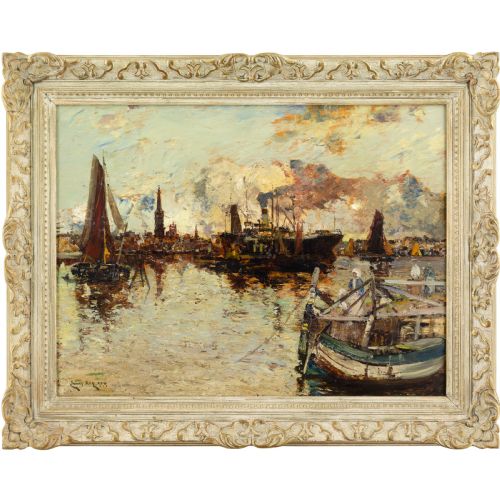
These pieces combine oil paintings or mirrors with carved frames, bringing depth and traditional texture to a wall.
Carved Framed Painting
A carved framed painting brings together historical oil on canvas works and ornate carved wooden surrounds, uniting pictorial art and decorative carpentry. Buyers seeking this category encounter portraits, landscapes, and maritime scenes spanning several centuries from the seventeenth to the twentieth.
The selections on this page frequently pair oil paintings with giltwood, gesso, or painted wood frames designed to complement the artwork. Examples range from eighteenth-century oil portraits in heavy wooden borders to nineteenth-century French trumeau mirrors incorporating seascapes directly into carved panels.
Objects under this description also include revival pieces such as Queen Anne yew wood mirrors alongside naive works and classical Italian styles. The common thread uniting these listings is the physical integration of a carved frame with a painted surface or reflective glass.
How they were made
Makers utilised solid timbers such as oak, pine, and yew for structural bases, applying gesso layers to build up intricate relief patterns before gilding with gold leaf or applying paint. Carvers worked wood by hand to create ribbed profiles, ribbon crests, and baroque scrolls.
Paintings within these frames consist primarily of oil on canvas, utilising traditional pigments laid down by artists belonging to various European and British schools. Artisans joined frame corners using traditional joinery methods, ensuring the heavy carved mouldings could support the weight of the panel or canvas safely.
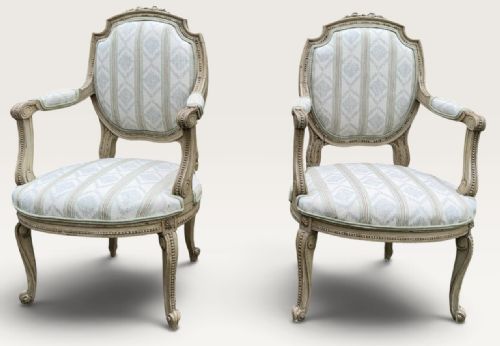
Object forms span wall mirrors, oil paintings, armchairs, and beds, reflecting diverse domestic applications in historic interiors.
What varies in quality
Quality rests in the crispness of the hand-carved detail and the preservation of the original giltwood or paint surface. Superior examples display deep, sharp relief work on the wooden frame without excessive restoration or later re-gilding that obscures the original tool marks.
The skill of the painting itself creates a clear distinction across the range, separating competent studio works from finely executed portraits and landscapes by named circles or schools. Harmony between the frame and the artwork further defines the better pieces, where the proportions of the carved mouldings enhance rather than overpower the canvas.
Sir Godfrey Kneller·Sir Anthony van Dyck·Thomas Murray·Benjamin Barker of Bath·John Michael Wright·Henry Pickering
The Carved Framed Painting Glossary
- Giltwood
- Wood that has been coated with a thin layer of gold leaf or gold paint. This technique was widely applied to frames and architectural mouldings during the Baroque and Georgian periods to reflect candlelight.
- Gesso
- A plaster mixture consisting of a binder mixed with chalk, gypsum, or pigment. Artisans applied it to wood frames to create a smooth, pliable surface for subsequent carving and gilding.
- Trumeau
- A decorative wall mirror featuring a painted panel or oil painting set above the glass plate. These French pieces frequently incorporate carved wooden frames with floral or ribbon motifs.
- Oil on canvas
- Pigments bound in a drying oil medium applied to a stretched fabric support. This combination dominates historical painting production from the seventeenth century onward.
Carved Framed Painting: Frequently Asked Questions
How do I hang a heavy carved framed painting safely?
Heavy frames require sturdy wall anchors and fixings rated for the combined weight of the wood and canvas. Professional mirror and picture hangers use dual mounting points to distribute the load evenly across the structure.
Ensure the hanging wire or brackets attached to the frame are secure and inspected before mounting on plaster or masonry walls.
Can I separate the painting from its carved frame?
While frames and paintings can technically be separated, historical pieces are usually designed as unified aesthetic objects. Removing a canvas from its original carved surround can alter the balance and historical context of the piece.
Many antique frames are custom-fitted to their specific canvases during the mounting process, making separation risky for both elements.
What periods do these carved frames represent?
The listings span multiple centuries, incorporating seventeenth-century British and Dutch portraits alongside eighteenth-century Georgian woodwork. Later nineteenth-century Victorian and Edwardian revival styles also appear frequently.
Each period utilises distinct carving depths and moulding profiles, from heavy baroque scrolls to lighter French chateau ribbon crests.