

Green Still Life Artwork
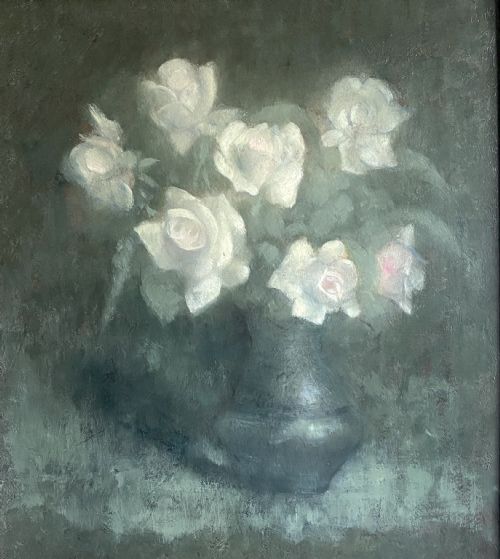
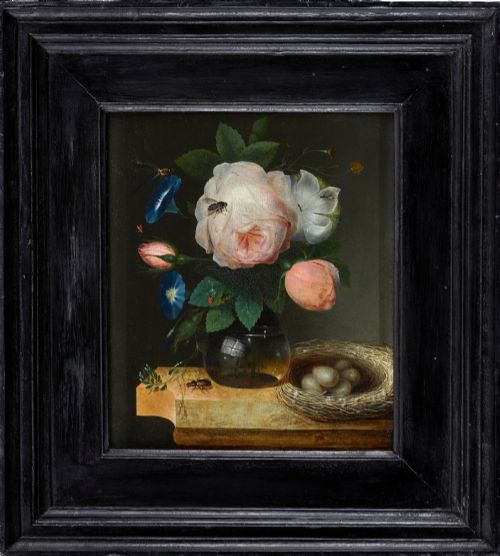
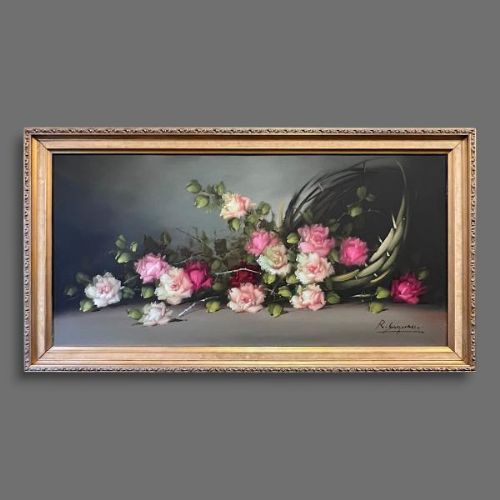
Green still life artwork brings domestic arrangements of fruit, flora, and objects into focus through varied historical lenses.
Green Still Life Artwork
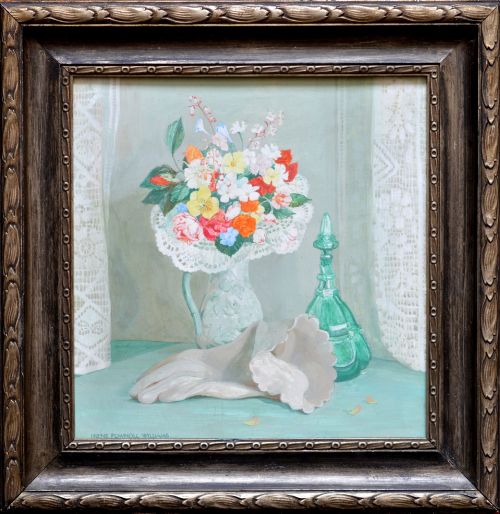
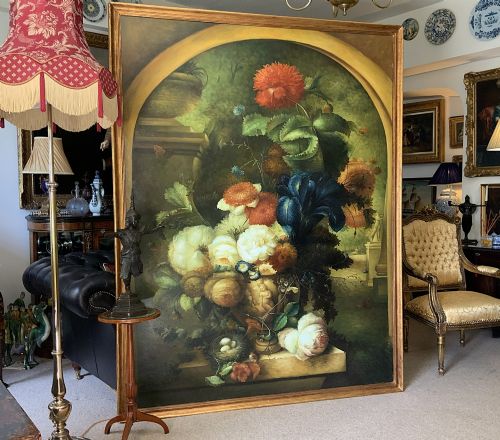
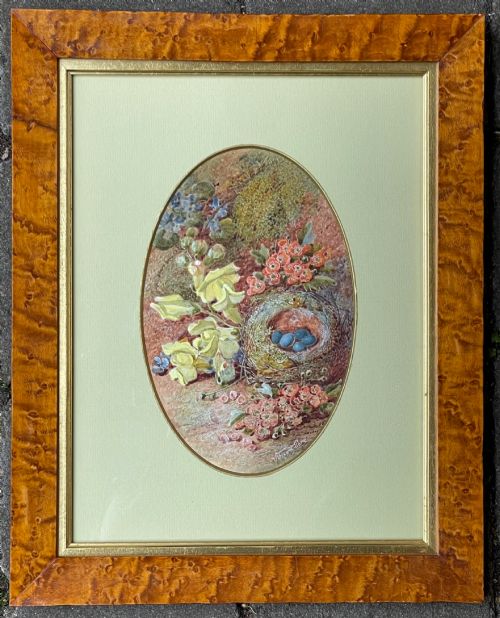
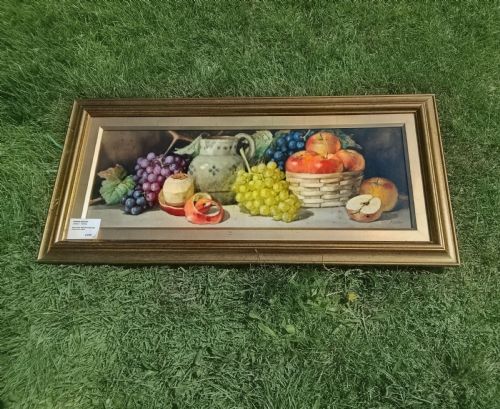
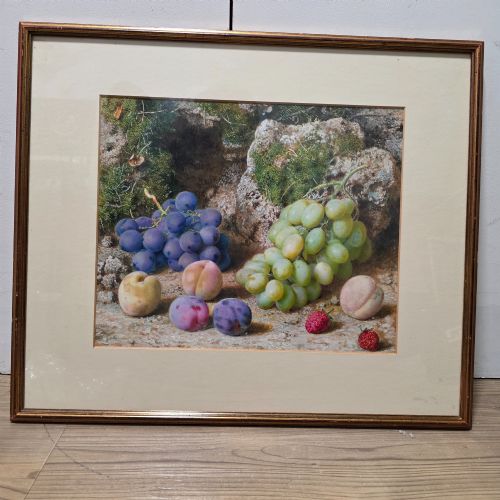
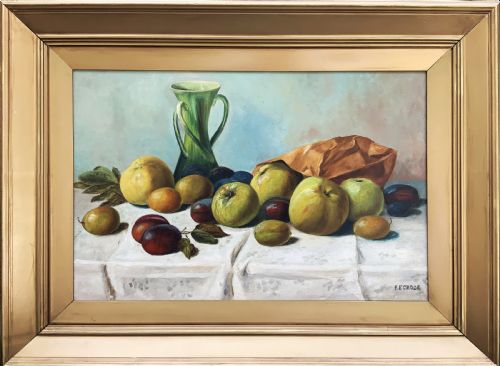
Green still life artwork encompasses paintings and watercolours that capture inanimate subjects arranged within interior or tabletop settings. These pieces range from Victorian naturalistic depictions to mid-century modern interpretations.
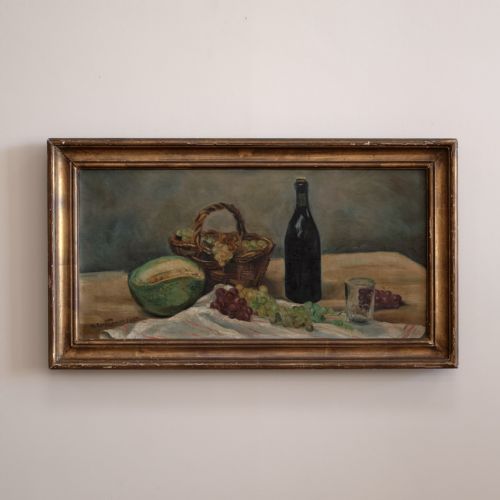
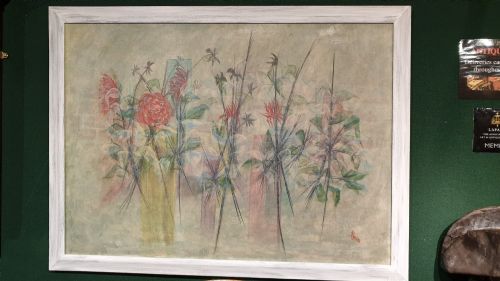
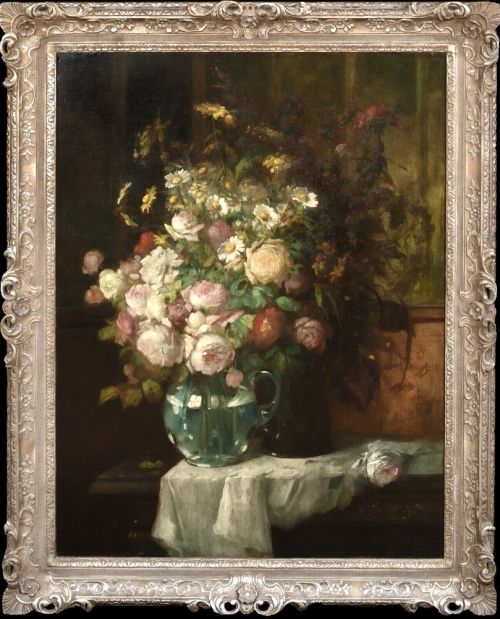
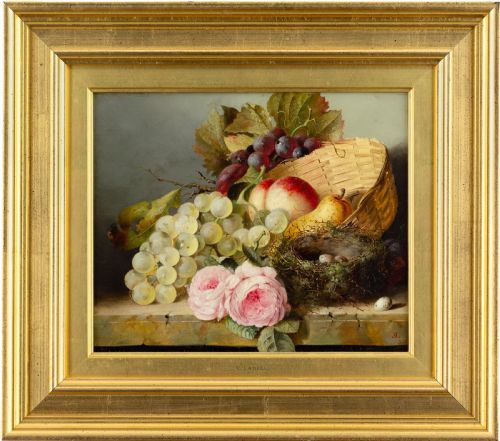
The version most commonly met on this page is the oil painting on canvas or board, originating from periods spanning the nineteenth century through the mid-twentieth century. Subjects extend from floral arrangements in vases to bowls of fruit and game.
Makers and artists working across European schools contribute to these selections, employing styles from French realism to early twentieth-century impressionism. The formats vary from intimate panels to large framed gallery works.
Materials and Technique
Canvas, wood panels, and paper serve as the primary supports for these compositions, receiving layers of oil paint, watercolour, or tempera applied by hand. Artists utilise traditional brushes to build texture, depth, and luminosity across the surface.
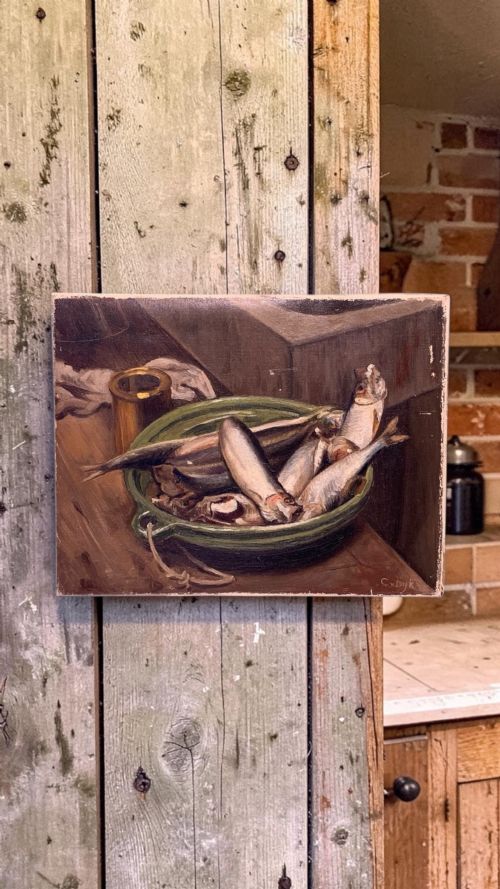
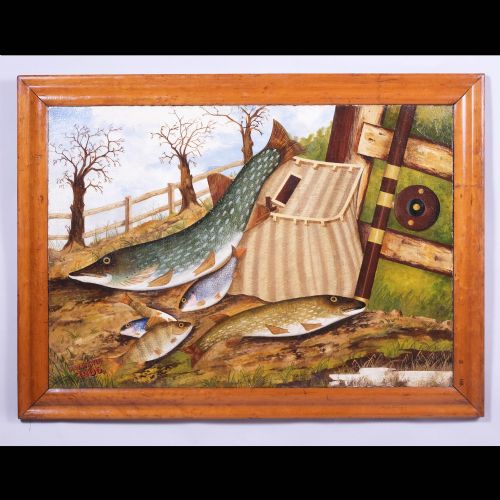
Several canvases quietly record rabbits, fish, and pomegranates waiting patiently beside jugs and wicker baskets.
Factors That Vary in Quality
The sophistication of brushwork and the handling of light distinguish superior examples from standard decorative pieces. Master painters manage tone and shadow to create genuine spatial depth within the composition.
Condition of the original canvas, panel, and period frame influences the overall integrity of the piece. Works that retain their untouched surface layers and appropriate period housings command greater attention from collectors.
Vincent Clare·Konstantin Stoitzner·Edward Ladell·Arthur Dudley·John Sherrin·Owen Bowen·Denis Mitchell·James Tower·Winifred Turner·Henrietta Creswell·Henri Joseph Pauwels·Paul Lelong·William Duffield·William Hough·Thomas Hooper·Henry Schouten
The Green Still Life Artwork Glossary
- Oil paint
- A slow-drying paint made by combining pigments with a drying oil, most commonly linseed oil. This medium allows for rich blending and textured impasto applications.
- Watercolour
- A paint consisting of colour pigments suspended in a water-soluble vehicle, typically applied to paper supports. It produces translucent washes of colour.
- Canvas
- A heavy woven fabric used as a surface for oil paintings, usually stretched over a wooden frame. It provides a flexible yet durable ground for brushwork.
- Impressionism
- A nineteenth-century art movement characterised by relatively small, thin, yet visible brush strokes and an emphasis on accurate depiction of light. Artists captured spontaneous moments in everyday scenes.
- Panel
- A flat piece of wood used as a rigid support for paintings instead of canvas. Wood panels were especially common in earlier centuries before canvas became standard.
Green Still Life Artwork: Frequently Asked Questions
What periods do these artworks cover?
The pieces span from the nineteenth century through the mid-twentieth century, capturing shifts in artistic approach over decades.
Examples include Victorian naturalism, Edwardian studies, and mid-century modern compositions.
What subjects appear in these paintings?
Common subjects include floral arrangements in vases, baskets of fruit, game, and tabletop objects.
Artists arranged these domestic elements to study light, colour relationships, and form.
How are these artworks framed?
Many pieces are housed in solid wood period frames, some featuring gold leaf details.
Original frames often accompany the canvas or panel, preserving the historical presentation.
What materials were used by the artists?
Painters utilised oil paint on canvas or wood panels, alongside watercolours on paper.
Additional elements like gold leaf and glass protection appear across different works.