

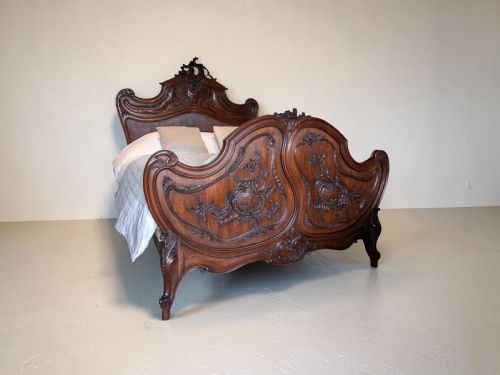


Carved Footboard Bed Frame
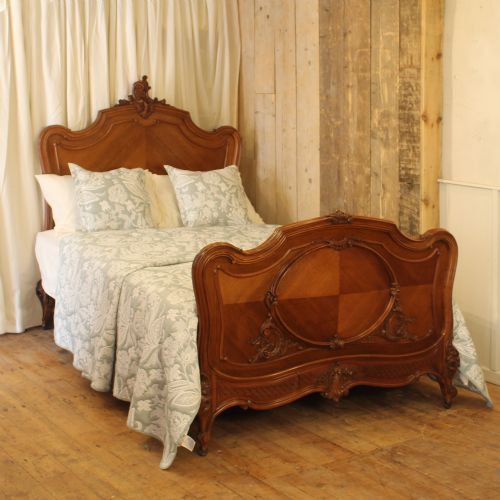
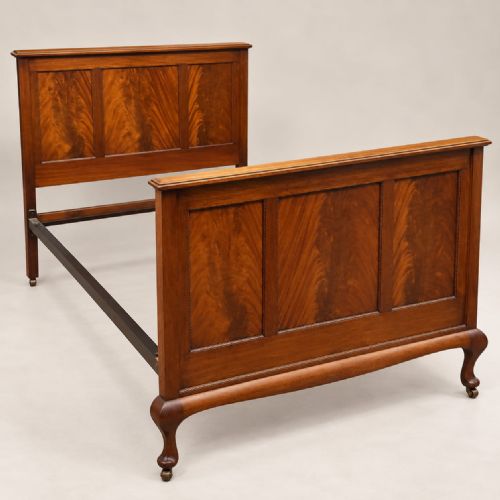
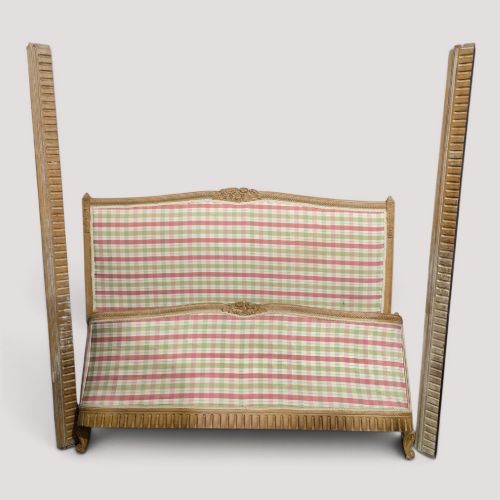
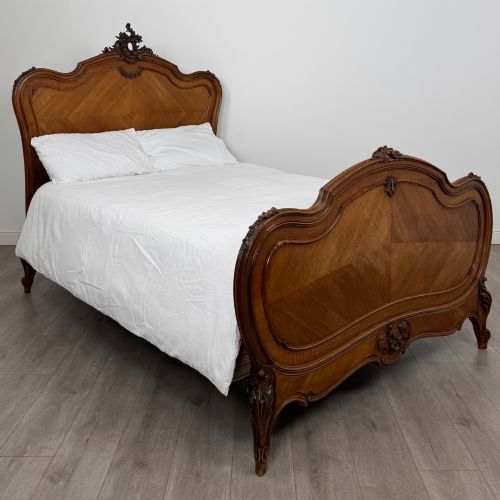
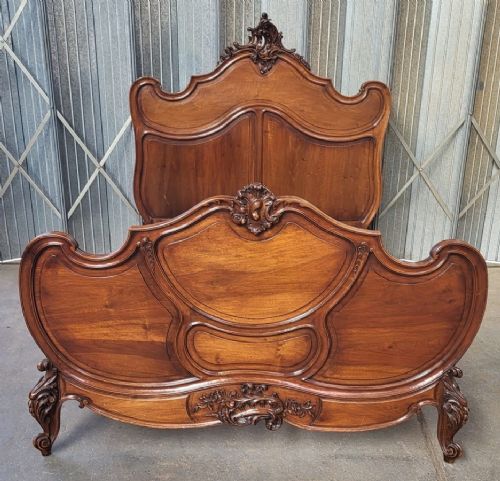
A carved footboard bed frame brings architectural presence to a bedroom, combining substantial timber construction with decorative carving.
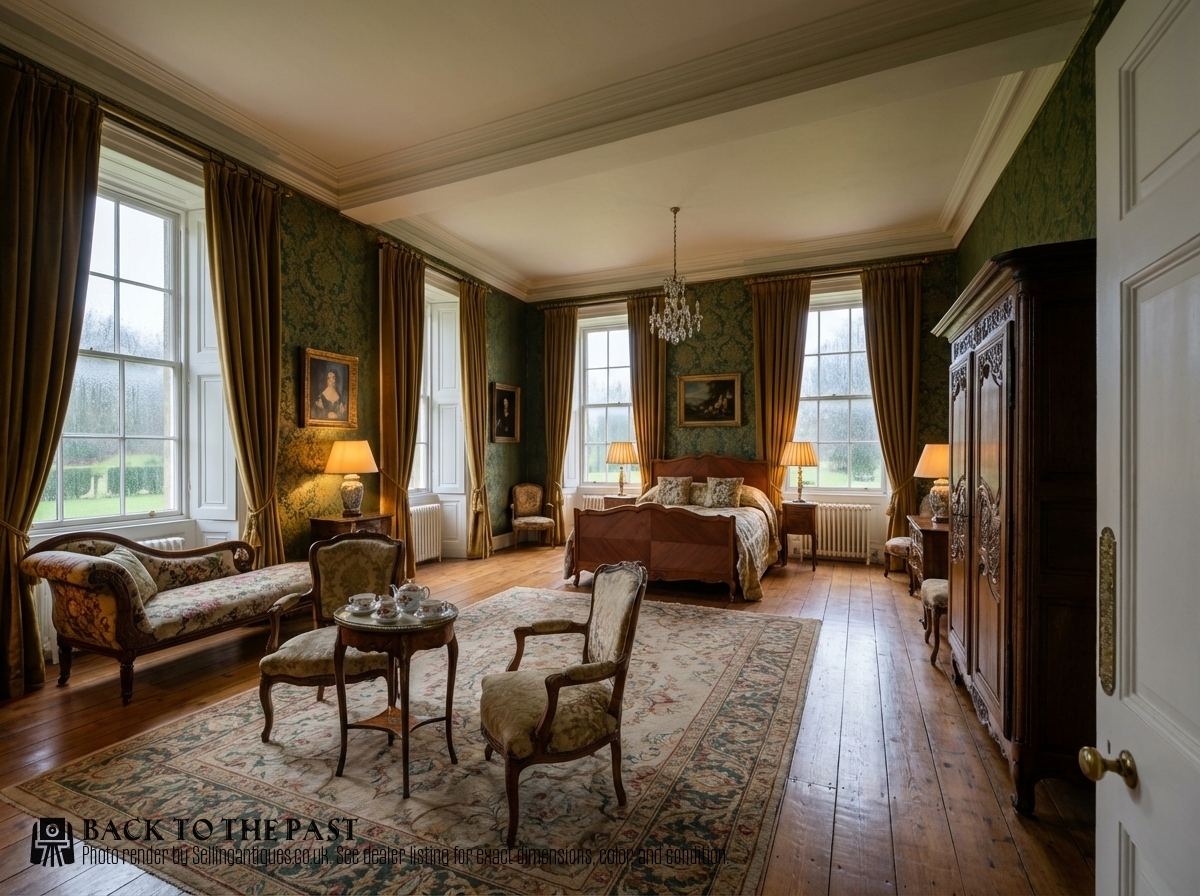
Carved Footboard Bed Frame
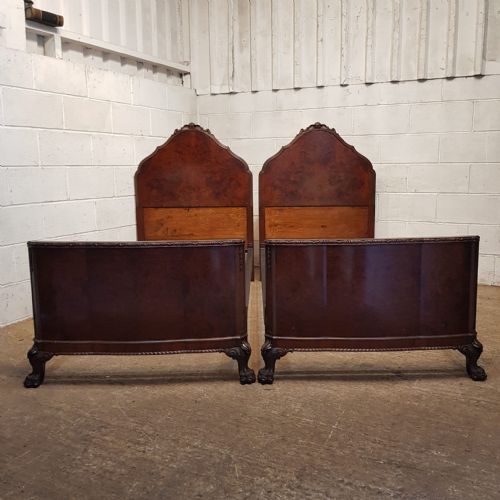
A carved footboard bed frame serves as the structural anchor of a bedroom, featuring decorative woodwork at the lower end of the bed. These pieces appear frequently in double and king sizes, accommodating modern mattresses while retaining historic proportions.
The selection ranges from Edwardian and Victorian eras to the early twentieth century, spanning the eighteen-eighties to nineteen-thirty. French provincial and revival styles heavily influence the design repertoire available on this page.
Assessing quality in carved bed frames
Quality rests upon the crispness of the hand-carving and the selection of figured timbers such as burr walnut and satinwood. Superior examples demonstrate thoughtful integration between the carved footboard and the overarching style of the bedstead.
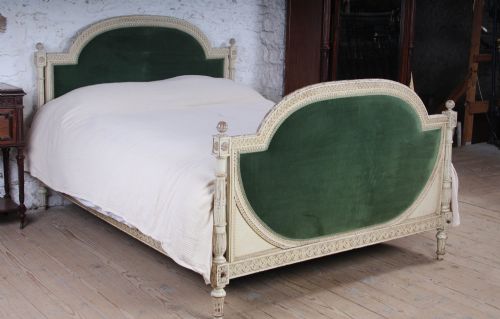
The integrity of the frame construction and the success of any period-appropriate upholstery or decorative painting determine the overall refinement of the piece.
Several beds embrace the late nineteenth-century fascination with exotic flora by adopting convincing faux bamboo carved wooden stalks.
The Carved Footboard Bed Frame Glossary
- Bedstead
- A framework of a bed designed to support a mattress and base. This term often appears interchangeably with bed frame in historical listings.
- Louis XV Style
- A decorative aesthetic characterised by asymmetrical curves, cartouches, and naturalistic floral motifs. This style heavily influences many nineteenth and early twentieth century French beds.
- Corbeille
- A French bed style featuring an outwardly curving headboard and footboard, resembling a basket. These frames often accommodate double or single mattress formats.
- Faux Bamboo
- Timber turned and carved to imitate the segmented stalks of bamboo. This decorative technique gained popularity during the late nineteenth century.
- Low-End Bed
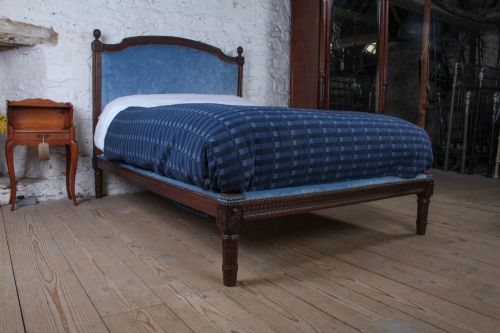
- A bed frame designed with a reduced footboard height or no footboard at all. This configuration suits rooms with limited space or specific sightlines.
Carved Footboard Bed Frame: Frequently Asked Questions
What mattress sizes do these antique beds fit?
Many historical frames accommodate standard modern single, double, and king size mattresses, though slight variations in internal dimensions may occur due to hand-built construction.
Buyers should verify exact internal length and width measurements before acquiring a frame to ensure a correct fit for contemporary bedding.
How do I distinguish between Victorian and Edwardian frames?
Victorian frames typically display heavier proportions, darker woods, and ornate brass or deep walnut detailing. Edwardian pieces often exhibit lighter timber tones and refined carving inspired by earlier French revivals.
Examining the underlying construction methods and secondary woods helps clarify the manufacturing era.
Are these beds difficult to assemble?
Most antique bed frames utilise traditional bolt-in side rails and metal brackets that connect the headboard and footboard securely. Assembly requires basic tools and two people to handle the substantial timber components safely.
Careful alignment ensures the frame remains square and structurally stable once erected.
Can I use a modern slat system with these frames?
Contemporary wooden or metal slat rolls fit inside many antique bed frames to provide adequate modern mattress support. Custom adjustments by a specialist may be necessary for frames with non-standard internal dimensions.
This approach preserves the original side rails while ensuring modern comfort standards.