

Carved Flower Table
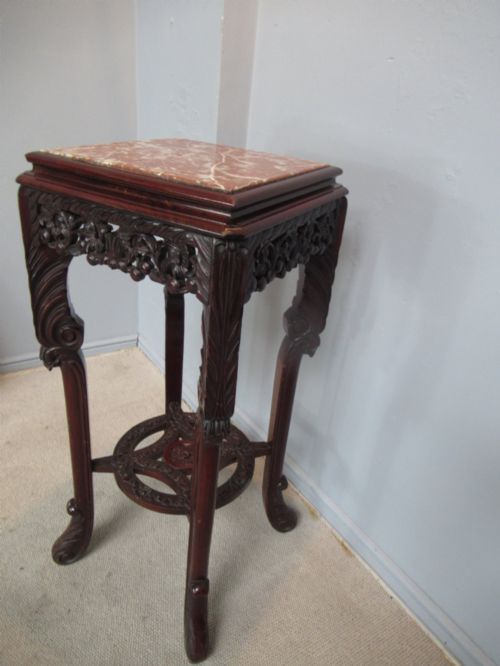
A carved flower table brings intricate floral woodwork into a room, serving as a striking plant stand or display surface.
Carved Flower Table
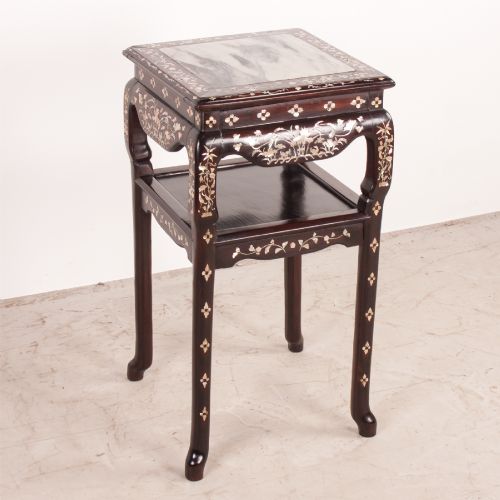
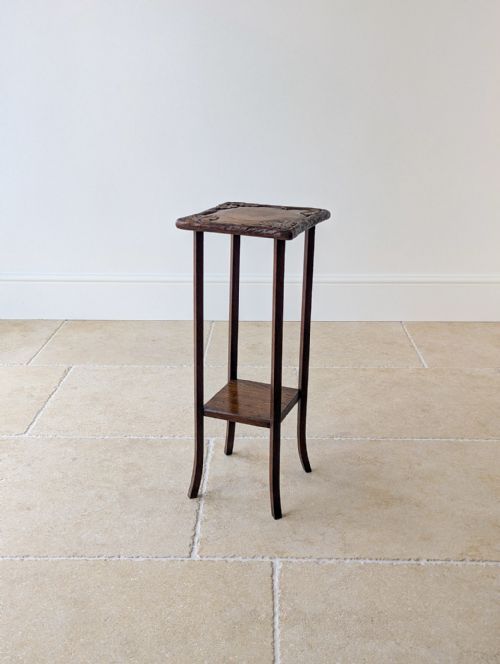
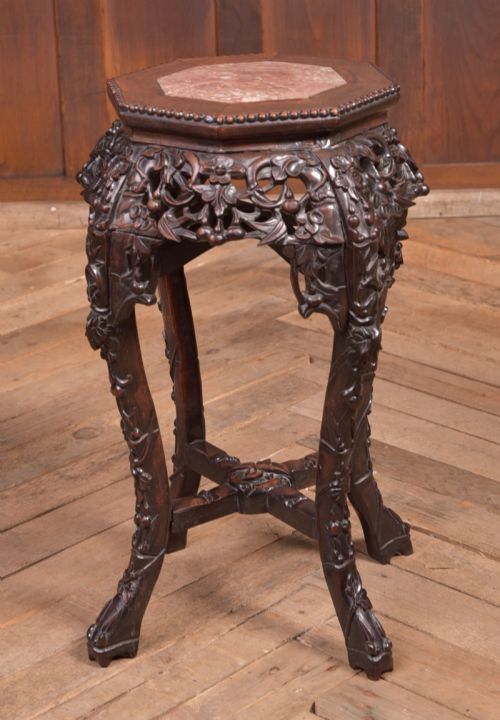
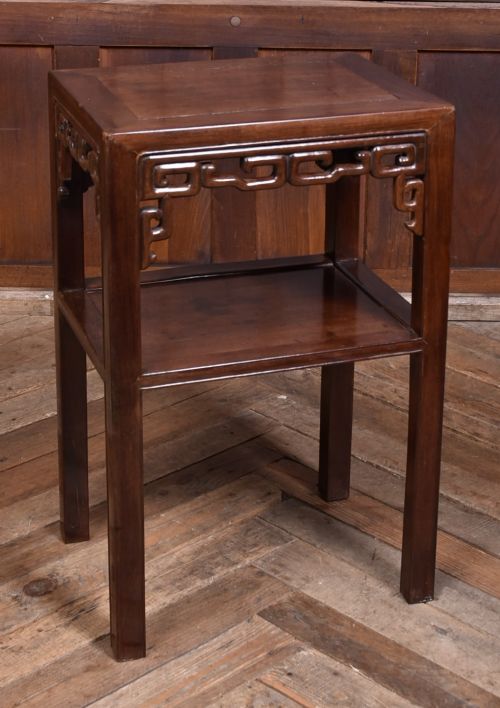
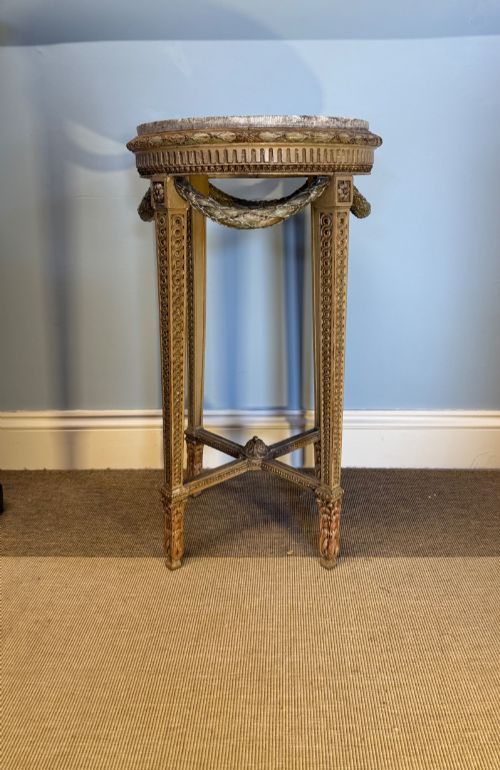
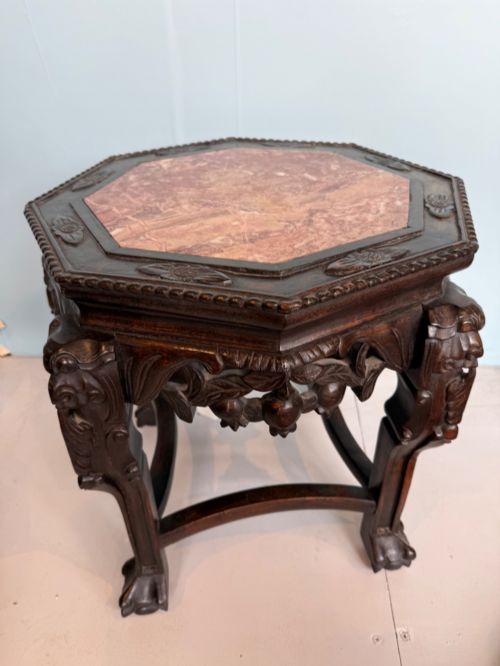
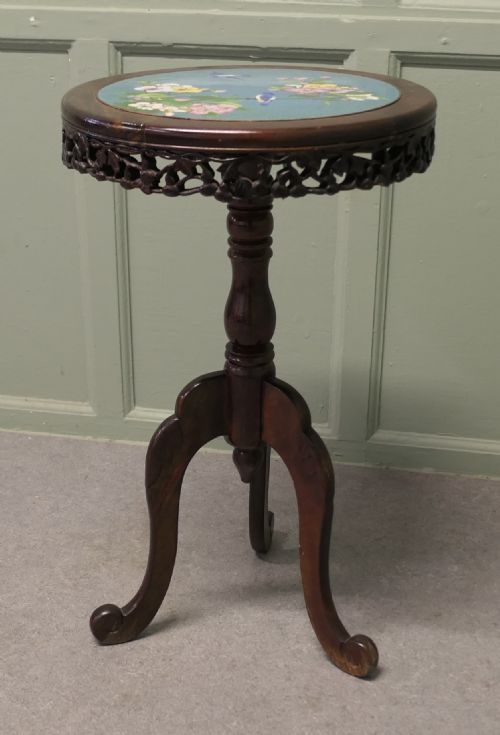
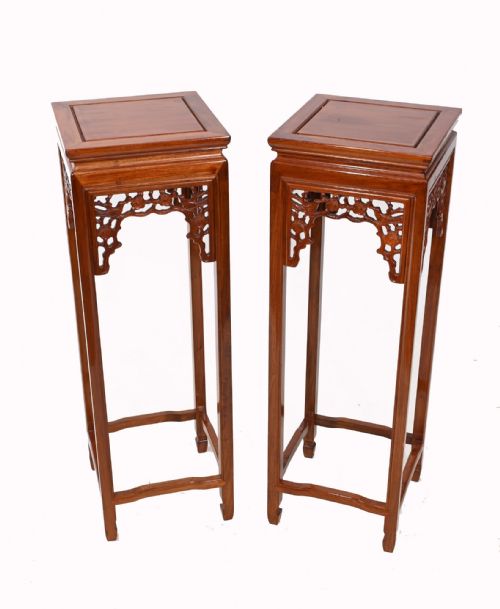
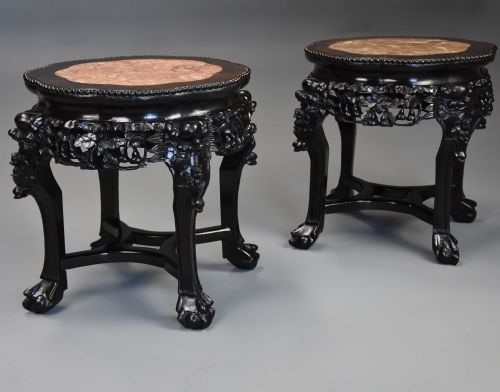
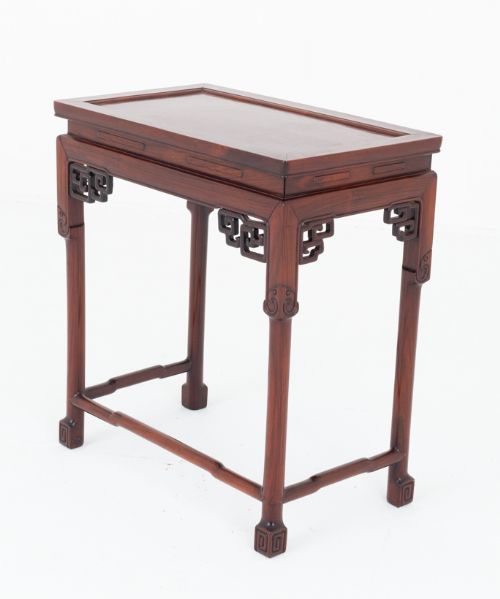
A carved flower table bridges several categories, appearing most frequently as Chinese hardwood plant stands, jardiniere supports, and occasional tables with floral motifs. These pieces span the nineteenth century through the early twentieth century, taking the form of low pot stands, tall pedestals, and side tables.
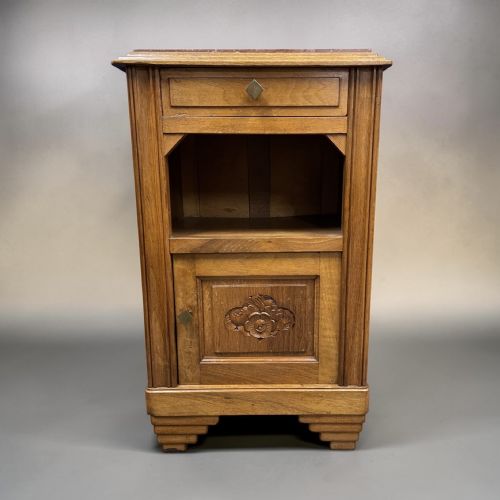
The selection includes examples from Chinese Qing Dynasty workshops alongside British interpretations from the Arts and Crafts and Edwardian eras. Buyers encounter various formats designed to elevate plants, vases, and decorative objects within domestic interiors.
How they were made
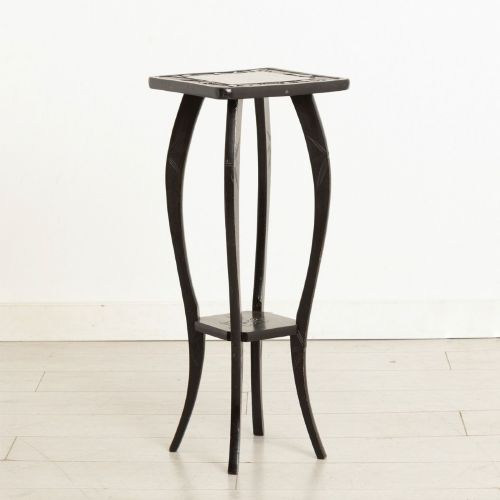
Construction relies heavily on dense exotic timbers such as padouk, hongmu, huali, and rosewood, alongside domestic British oak and ebonised wood. Artisans employed traditional joinery techniques to build rigid frames capable of supporting heavy marble inserts and ceramic planters.
Carving was executed by hand, creating deep relief floral patterns, foliage, and intricate pierced borders around the tops and legs. Selected pieces incorporate inset variegated rouge marble panels or mother-of-pearl inlay to contrast against the dark timber.
Some nineteenth-century makers designed hardwood stands with marble tops specifically to handle the enthusiastic watering habits of Victorian indoor gardeners.
What varies in quality
Quality rests upon the depth and crispness of the hand carving, where superior examples exhibit sharply defined petals and leaves without tool marks. The selection of timber also dictates standard, with dense, evenly grained hardwoods outlasting softer woods.
Integration of materials defines the upper tier of pieces, particularly where marble inserts fit flush within the frame and inlaid elements remain secure. The structural integrity of the joints and the balance of tall pedestal forms separate utilitarian items from finer decorative works.
Liberty of London
The Carved Flower Table Glossary
- Jardiniere stand
- A tall or low table specifically built to hold a ceramic plant container or flower bowl. These pieces often feature water-resistant tops such as marble or glazed tile.
- Padouk
- A heavy, durable tropical hardwood with a reddish hue that darkens with age. It is frequently encountered in nineteenth-century Chinese export furniture.
- Giltwood
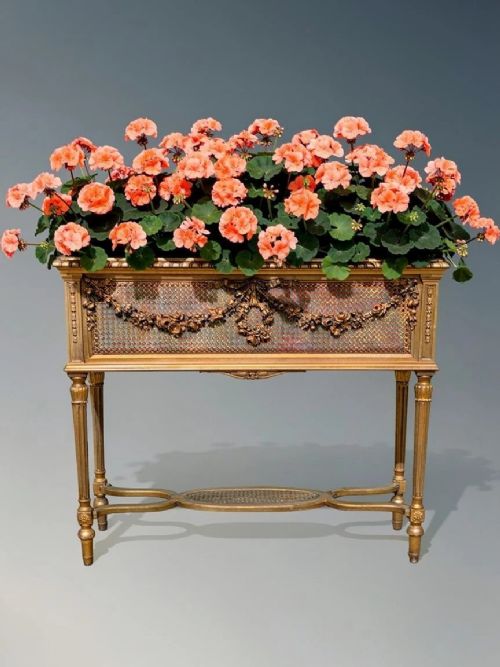
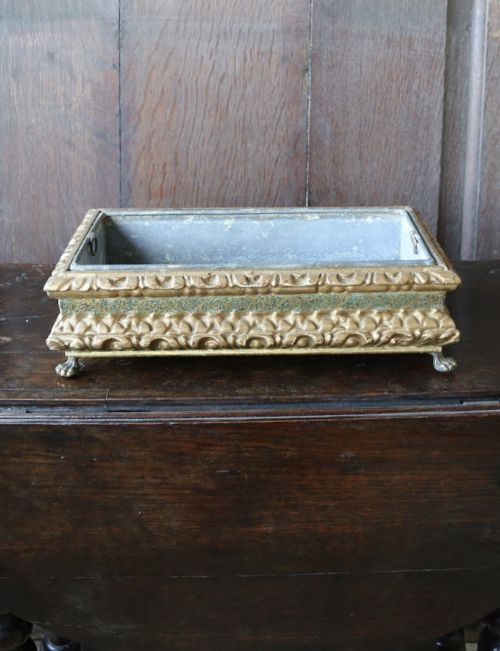
- Timber that has been coated with a thin layer of gold leaf or gold paint. This finish appears on decorative frames and specific European accent tables.
- Ebonised wood
- Timber treated with a chemical stain or finish to imitate ebony. This dark, uniform surface was popular during the Victorian period for decorative stands.
Carved Flower Table: Frequently Asked Questions
What is a carved flower table used for?
These pieces serve primarily as elevated platforms for potted plants, floral arrangements, or decorative ceramic vessels. Their compact surface area makes them suitable for corners or beside seating.
Beyond botanical display, they function as occasional side tables for lamps, books, or small ornaments. The inclusion of marble or inset panels protects the wood surface from moisture.
How do I identify a nineteenth-century piece?
Nineteenth-century examples rely on dense tropical hardwoods, traditional hand-carved joinery, and heavy marble inserts. Construction details often reveal hand-cut elements rather than uniform factory machining.
Stylistic markers such as Qing Dynasty motifs or Victorian proportions help anchor the piece within this timeframe. Examining the underside and joint construction provides further clues to age.
Where should I place it at home?
Position a tall plant stand in an empty corner to draw the eye upward and add architectural interest to a room. Lower jardiniere tables work well next to armchairs or sofas as compact display surfaces.
Keep wooden and marble surfaces away from direct heat sources to prevent timber splitting or stone cracking. Pairing the stand with a contrasting ceramic pot enhances the carved floral details.
What is the difference between a plant stand and a side table?
Plant stands typically feature narrower, taller proportions with circular or square tops designed to support a single heavy pot. Their primary function is elevation rather than general surface utility.
Side tables offer broader surfaces intended for regular placement of household items and portable objects. However, many antique stands cross these boundaries due to their versatile dimensions.