






Carved Floral Wooden Box
A carved floral wooden box brings centuries of hand-carving directly into a room, offering both practical storage and sculptural detail.
Carved Floral Wooden Box
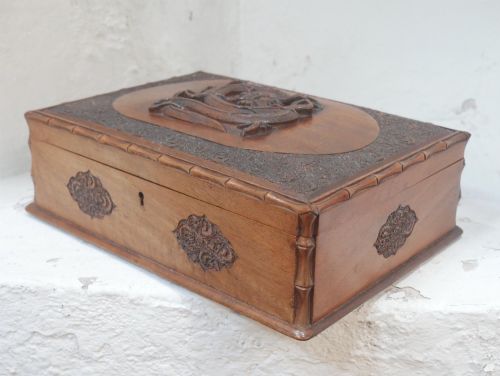
When searching for a carved floral wooden box, buyers encounter an array of utilitarian and decorative containers spanning from pre-sixteenth century examples up to mid-twentieth century works. These pieces range from small table cabinets and tea caddies to large oak coffers, mule chests, and wall-hanging cupboards.
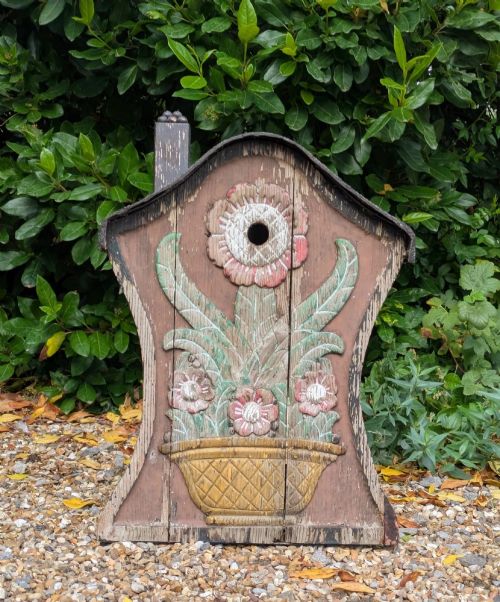
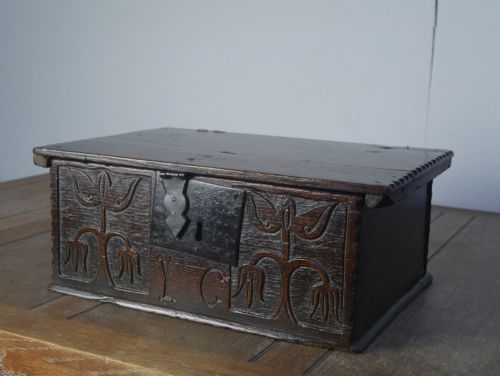
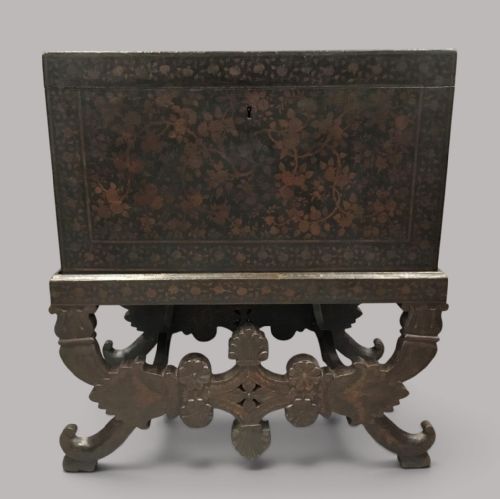
The selection includes regional styles such as seventeenth-century English oak work, Anglo-Indian productions from Calcutta, Scandinavian folk art bird boxes, and Swiss Black Forest game box sets. Most items rely on solid timber construction adorned with floral motifs, chip carving, marquetry, or lacquering.
How they were made
The primary material across these objects is timber, predominantly native and exotic hardwoods such as oak, walnut, teak, mahogany, pine, and soft wood. Craftsmen utilised traditional hand tools to shape panels, join corners with pegging or dovetailing, and carve floral patterns directly into the surface.
Additional detailing often incorporates iron and brass hardware for hinges, locks, and handles. Surface finishes vary from natural waxed oak and lacquered treatments to marquetry inlay using contrasting wood veneers.
Carved Floral Wooden Box Retail Price Guide 2026
Typical asking prices for carved floral wooden box among the pieces listed under this phrase on Sellingantiques today, from the lower quarter to the upper quarter. They describe what is for sale here now, not the wider market.
Listings feature timbers including oak, walnut, teak, pine, and mahogany, shaped into coffers, tea caddies, wall cabinets, and chests.
What varies in quality
Quality in a carved floral wooden box rests upon the depth, crispness, and execution of the hand-carving itself. Skilled carvers achieved intricate floral relief with balanced proportions, whereas simpler pieces show broader, shallower incisions.
The choice and integrity of the timber further distinguish the work, alongside the survival of original hardware such as brass locks, iron hinges, and fitted interior compartments. Period authenticity and the retention of an uncompromised surface finish also elevate certain examples above standard utilitarian boxes.
The Carved Floral Wooden Box Glossary
- Cofer
- A large wooden chest traditionally used for storing valuables or household goods. They often feature robust framing and heavy iron or brass fittings.
- Marquetry
- The art of applying small pieces of wood veneer to a structure to form decorative patterns. Floral designs are frequently executed using this technique on seventeenth-century boxes.
- Mule chest
- A storage chest characterised by one or more drawers built into the base beneath the main compartment. These frequently date from the seventeenth and early eighteenth centuries.
- Tea caddy
- A small container specifically designed for storing loose tea leaves. They often feature internal divisions and secure lids with locking mechanisms.
Carved Floral Wooden Box: Frequently Asked Questions
How were antique wooden boxes used originally?
These boxes served secure daily functions in homes and merchant environments, holding documents, textiles, small valuables, or specialised goods like tea leaves.
Larger forms such as coffers and mule chests accommodated bulkier household textiles and garments, while smaller table cabinets held personal trinkets.
Where do carved floral boxes originate from?
The pieces originate from diverse geographical regions, reflecting local cabinet-making traditions and native timbers. Examples range from early English oak workshops to Scandinavian folk art communities and Anglo-Indian production centres in Calcutta.
Each region utilised distinct carving styles and wood species characteristic of local craftsmanship.
How do I care for a wooden box?
Maintain the timber by keeping the box away from direct heat sources and dramatic humidity fluctuations that cause wood to warp or split. Occasional application of appropriate wax polish helps nourish the surface and preserve the finish.
Avoid aggressive cleaning agents that strip historical patina or damage delicate carved floral details.
How can I tell the period of a box?
Dating relies on observing construction methods, timber choice, and the style of the floral carving. Seventeenth-century pieces typically show pegged oak framing and deep chip-carved motifs, whereas nineteenth-century and later items often employ machine-sawn elements or different exotic woods.
Hardware types, such as hand-wrought iron hinges versus later brass mechanisms, provide further chronological indicators.