



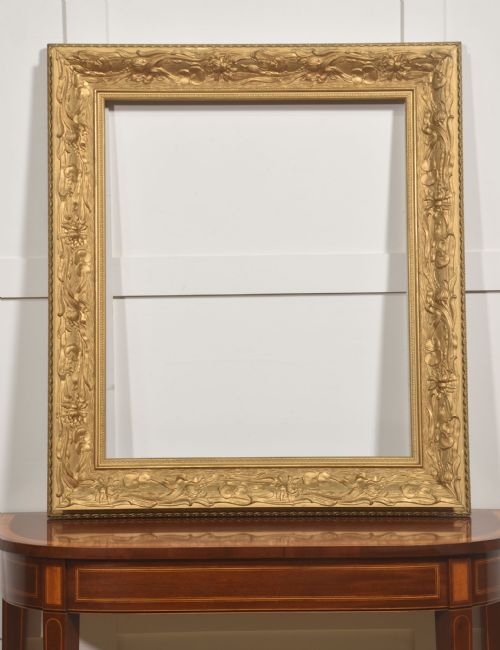

Carved Floral Wood Frame
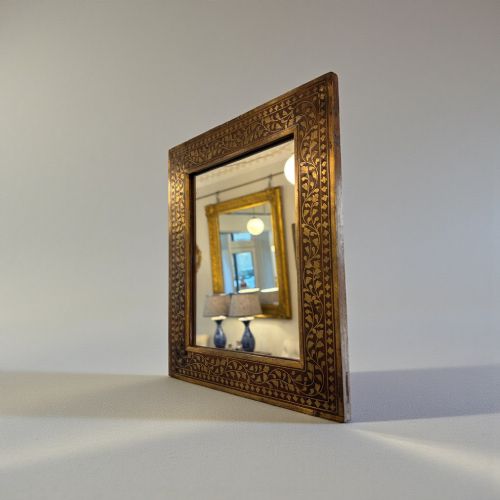
A carved floral wood frame brings the quiet texture of hand-worked timber and botanical ornament into a room.
Carved Floral Wood Frame
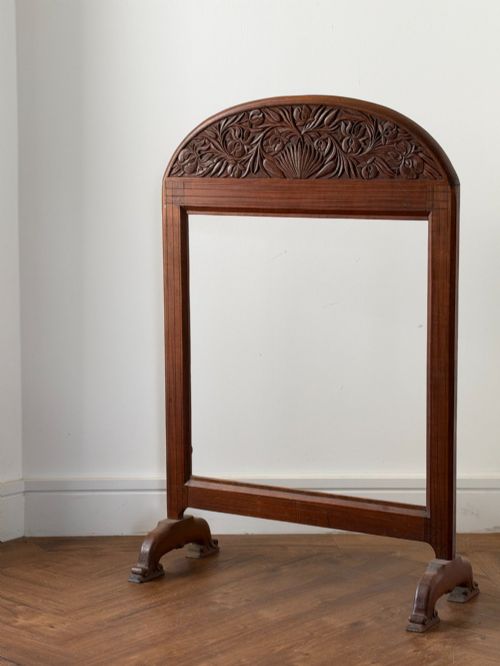
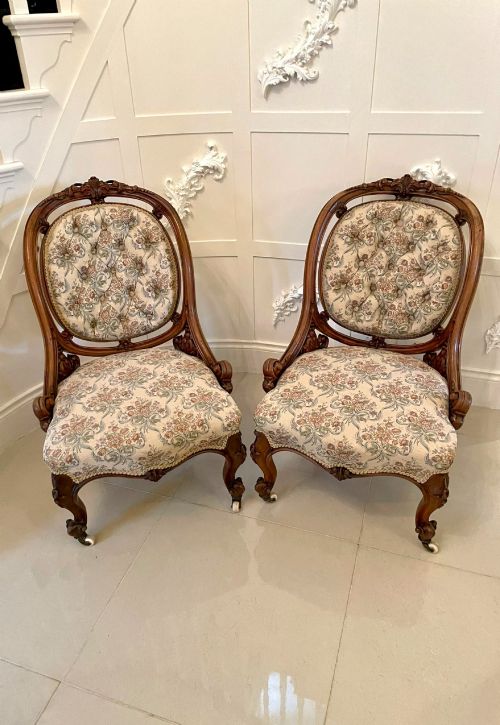
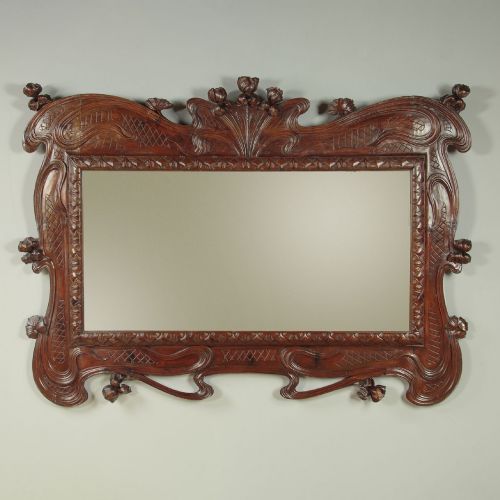
A carved floral wood frame encompasses mirrors, picture frames, and occasionally furniture surrounds shaped with botanical motifs. These pieces date predominantly from the nineteenth century into the early twentieth century, spanning Victorian, Edwardian, and Art Nouveau aesthetics.
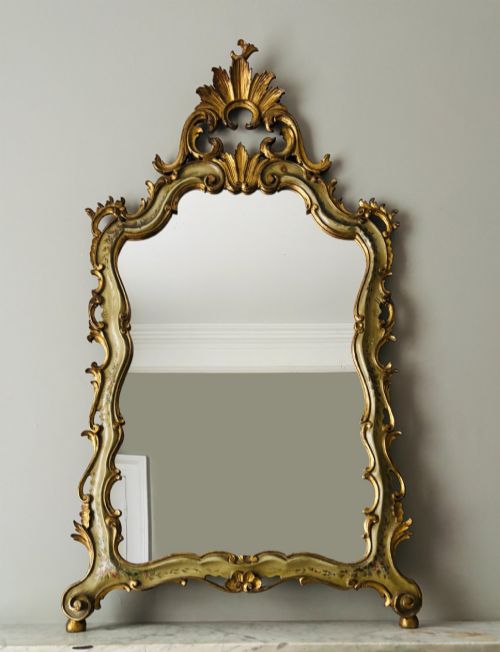
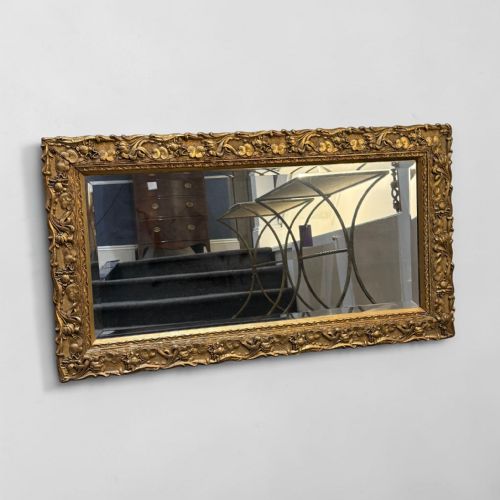
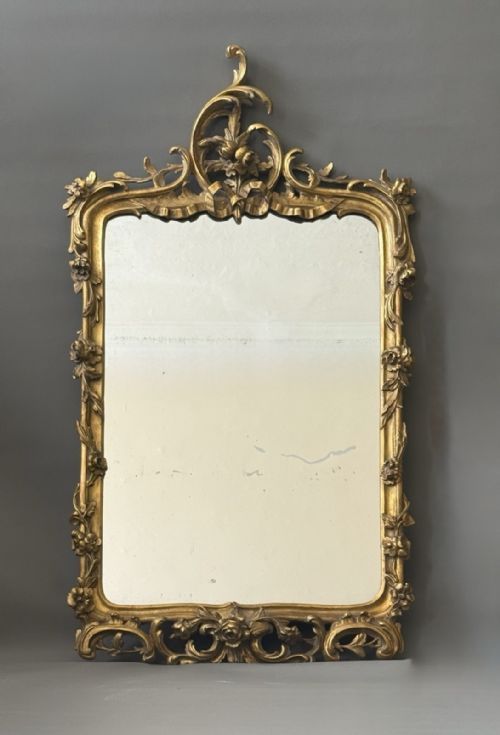
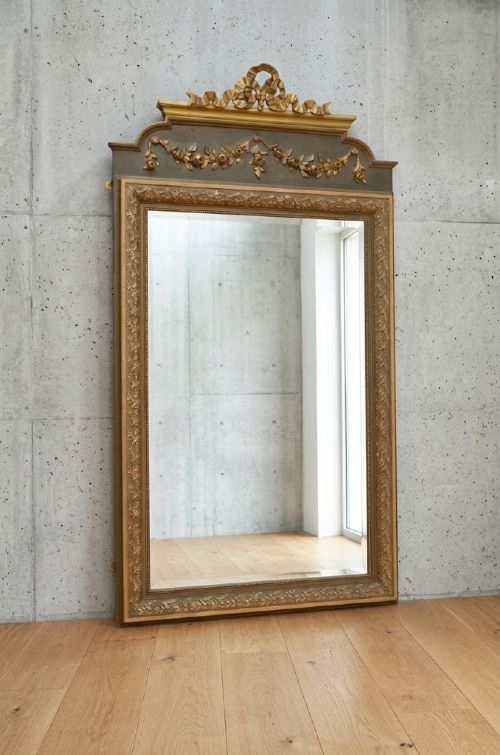
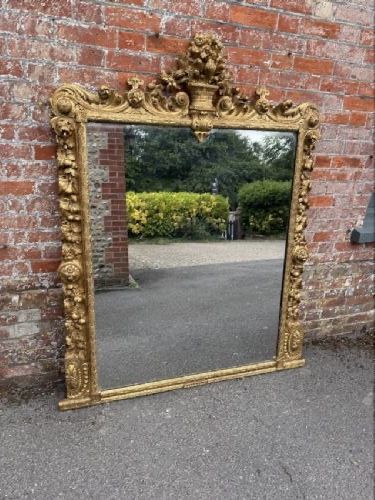
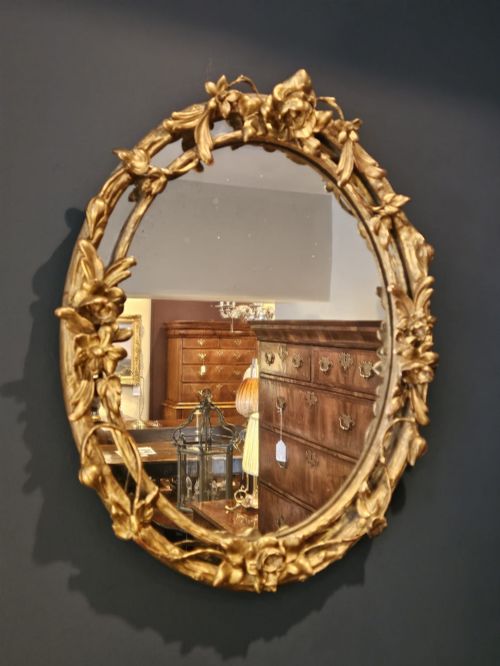
The most common form encountered on this page is the wall mirror or picture frame, often finished with giltwood, paint, or gesso over a timber base. Makers drew on French Rococo, Italian, and Anglo-Indian traditions to ornament the wood with foliage, vines, and floral crests.
Materials and construction
Makers relied on solid woods such as walnut, mahogany, and oak for structural integrity, shaping the timber by hand before applying decorative layers. Giltwood and gesso were frequently built up on the wood base to allow for deep relief carving of floral garlands and rose vines.
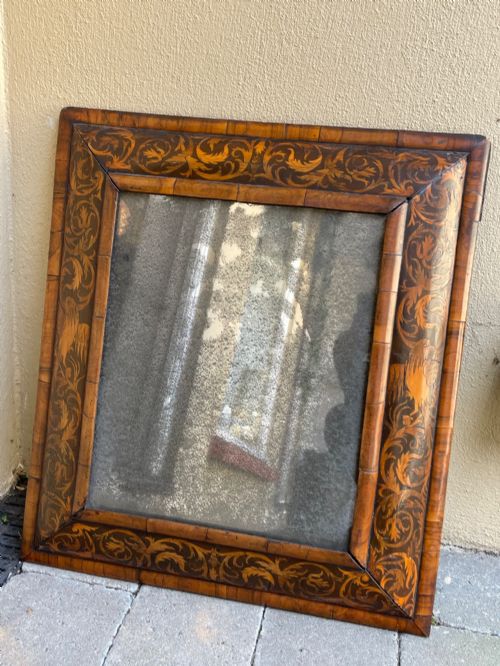
Finishes combined gold leaf, paint, and polychrome pigments, sometimes paired with inlaid brass or reverse-painted glass panels. This layered approach protected the timber while adding rich surface reflection and colour to the carved details.
Carved Floral Wood Frame Retail Price Guide 2026
Typical asking prices for carved floral wood frame among the pieces listed under this phrase on Sellingantiques today, from the lower quarter to the upper quarter. They describe what is for sale here now, not the wider market.
Some frames preserve the ghosts of long-faded Victorian roses, hand-painted by makers who clearly preferred their botany immortalised in gilt.
Judging quality in carved woodwork
Quality rests primarily in the crispness and depth of the hand carving, where sharp undercutting distinguishes skilled joinery from mechanical moulding. Pieces with fluid, naturalistic floral arrangements demonstrate a surer hand than rigid, repetitive designs.
The integrity of the underlying wood and the retention of original gilding or paint layers dictate the long-term character of the piece. Subtle hand-painted polychromy and well-preserved gesso surfaces hold greater appeal than later overpainting or heavy restoration.
The Carved Floral Wood Frame Glossary
- Giltwood
- Timber that has been coated with fine gold leaf over a prepared gesso base. This technique provides a luminous metallic finish that catches interior light.
- Gesso
- A plaster-like mixture applied to wood frames to create a smooth surface for carving and gilding. It allows intricate floral relief work to be modelled before finishing.
- Polychrome
- Decoration executed in multiple colours, often found on painted wood frames and mirrors. It brings botanical subjects to life with naturalistic hues.
- Overmantle
- A large mirror designed to hang specifically above a fireplace mantel. These pieces often feature extended proportions and elaborate floral crests.
Carved Floral Wood Frame: Frequently Asked Questions
How do I hang a heavy carved mirror?
Heavy carved wood frames require secure wall fixings distributed evenly across the primary timber structure rather than relying solely on the hanging wire. Professional mirror plates screwed directly into wall studs provide the necessary support for antique frames.
Ensuring the weight rests on solid masonry or timber studs prevents distortion of the frame joints over time. Check the original backing and hanging points before installation.
Are these frames cleaned with water?
Water can damage historic gesso, gold leaf, and painted timber surfaces, so moisture should be avoided during routine cleaning. A soft, dry brush removes dust from deep floral carvings safely without disturbing the finish.
For stubborn marks, professional conservation advice is recommended rather than household cleaning agents. Preserving the original patina requires a gentle and minimal approach.
How do I identify Art Nouveau frames?
Art Nouveau frames dating around nineteen hundred feature asymmetrical lines, whiplash curves, and stylised water plants or organic floral motifs. The carving emphasises flowing movement rather than the symmetry found in earlier Victorian or Rococo revivals.
Materials from this period often include gilded gesso on softer woods with distinctive matte or burnished contrasts. The overall aesthetic feels more tied to natural growth patterns than classical architectural orders.
Can I use these frames for modern mirrors?
Many antique frames retain their original antique glass plates, which often display desirable foxing and age spots. Replacing the glass is possible, but doing so removes a key element of the piece's historical authenticity.
When new glass is necessary, it should be selected to match the weight and thickness of the original plate. Careful measurement ensures the replacement fits securely within the historic rebate.