
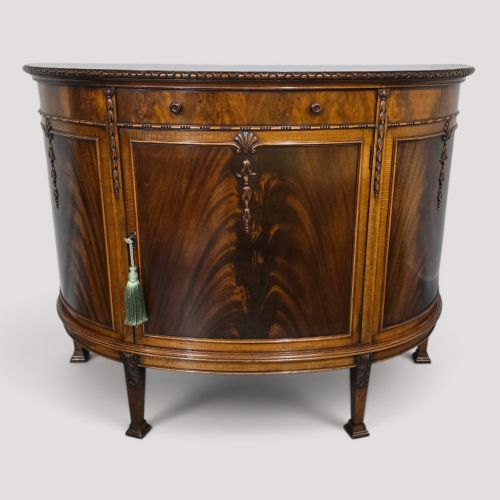
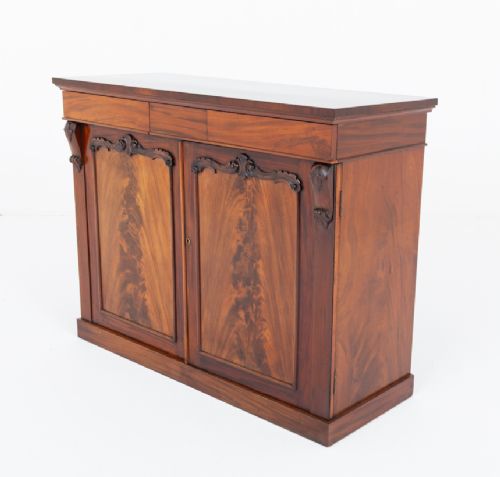
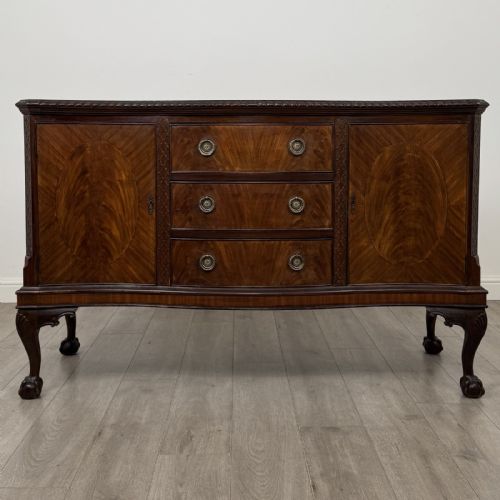
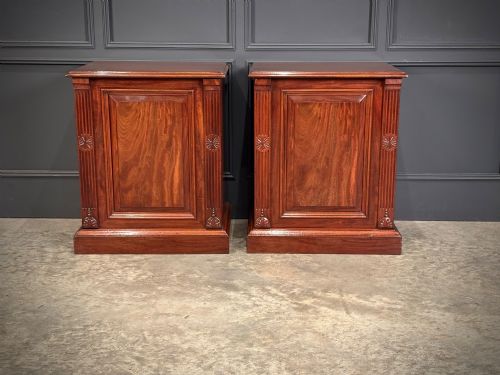
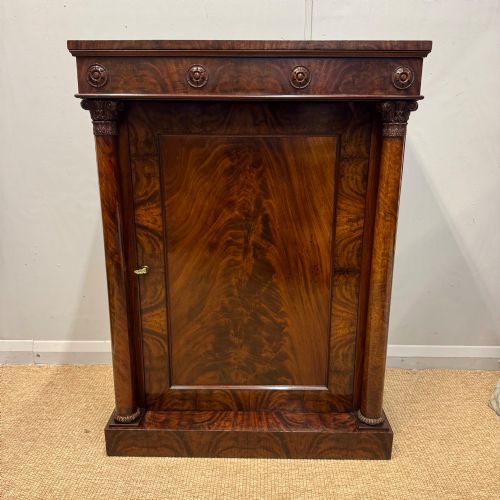
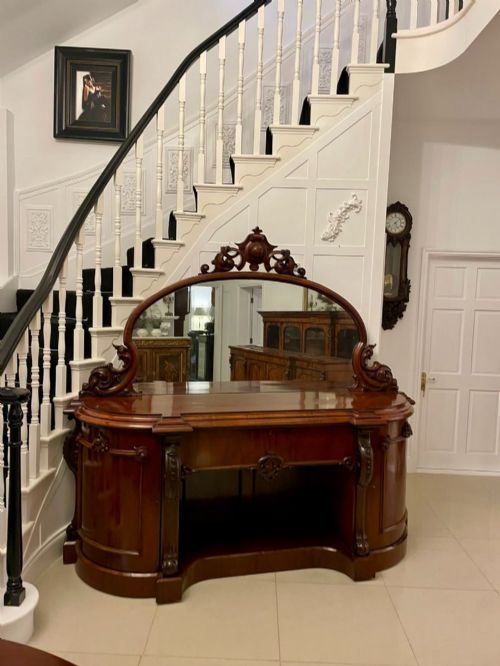
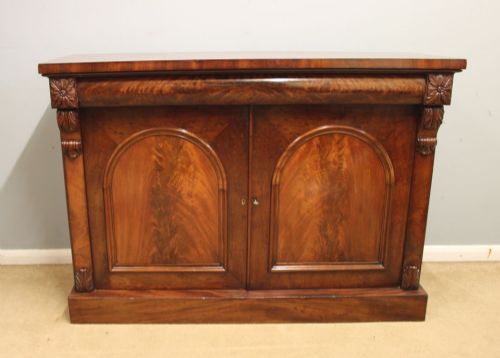
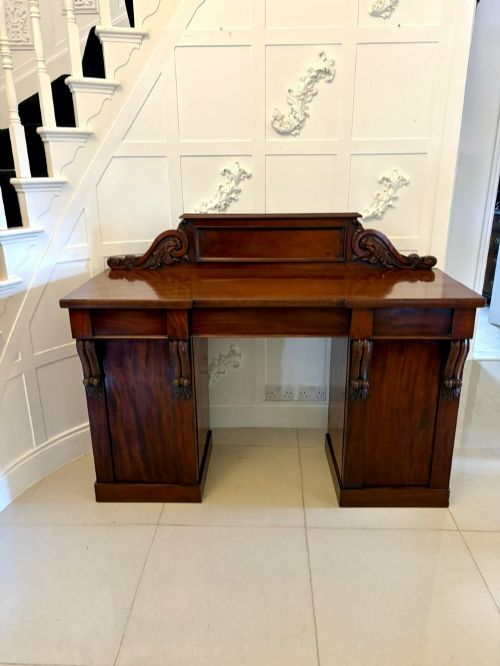
Carved Flame Mahogany Cabinet
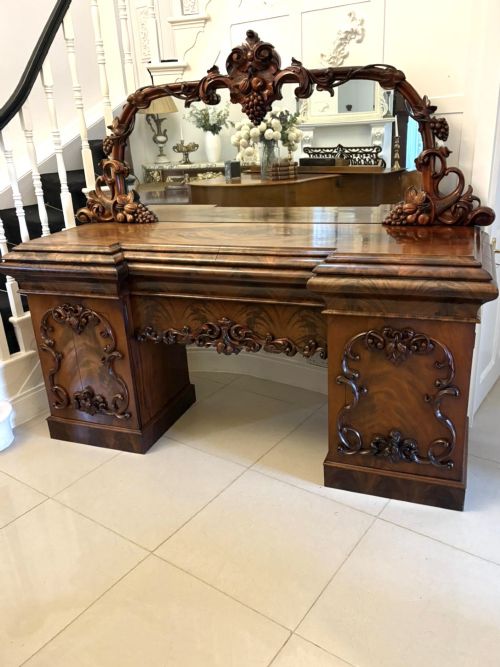
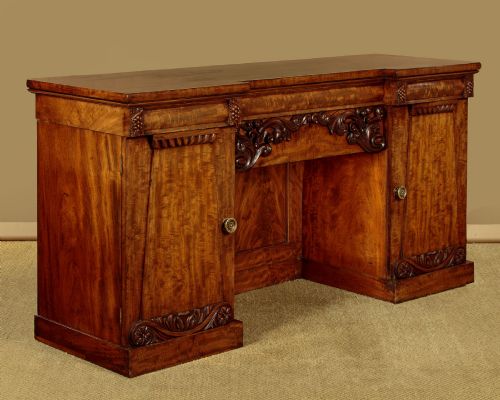
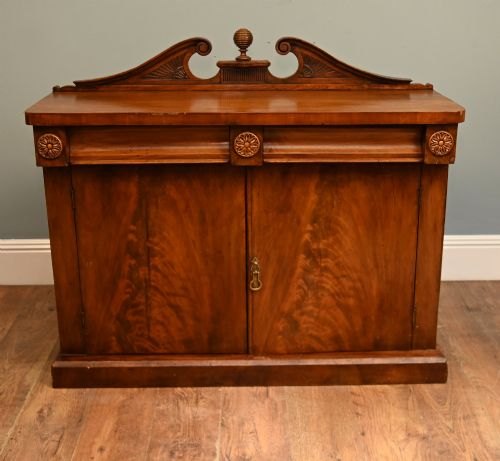
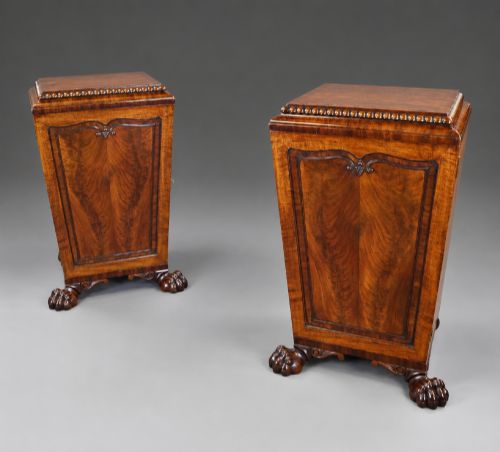
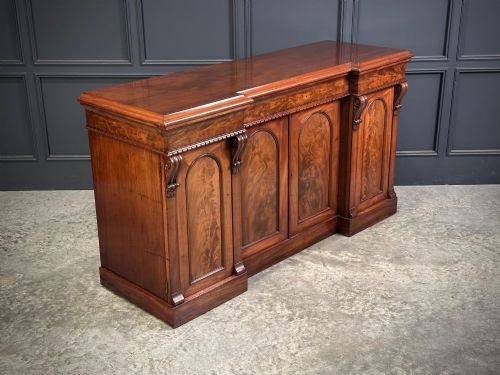
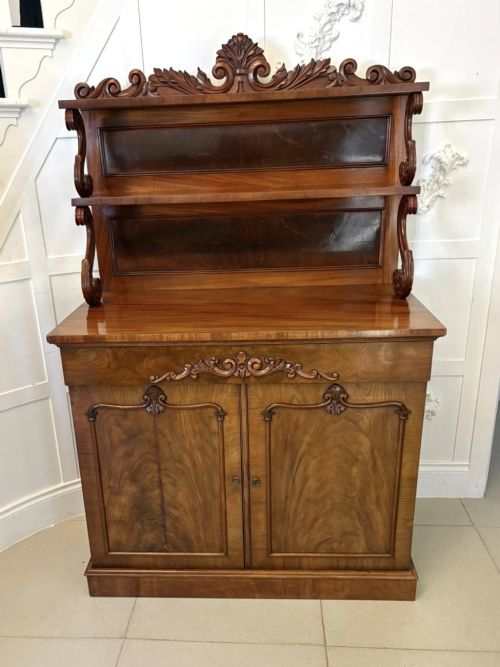
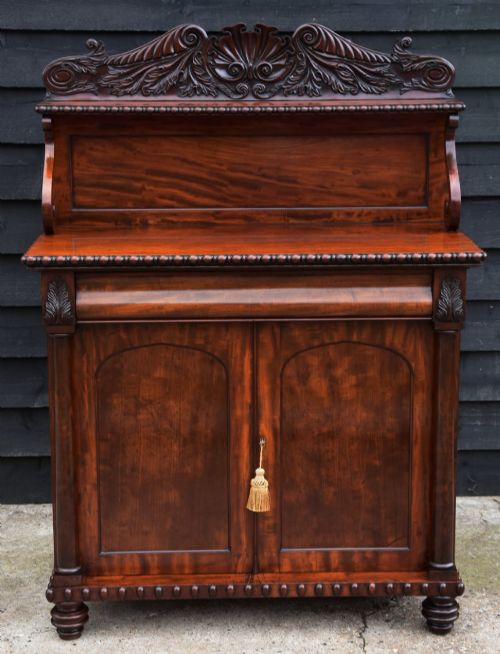
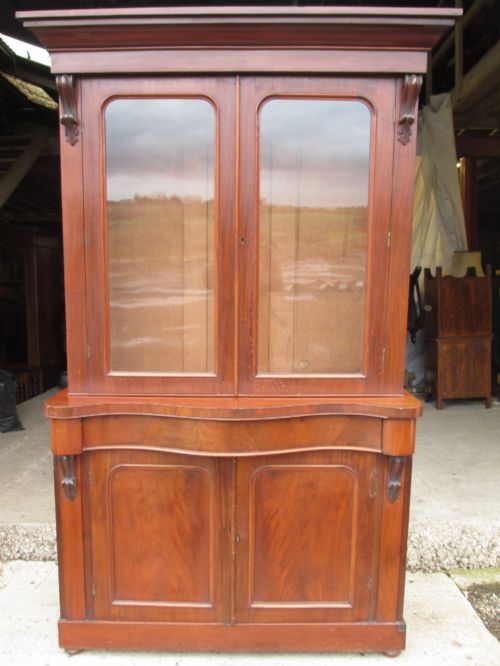
A carved flame mahogany cabinet brings rich grain and sculptural timber to a room, offering both display space and deep storage.
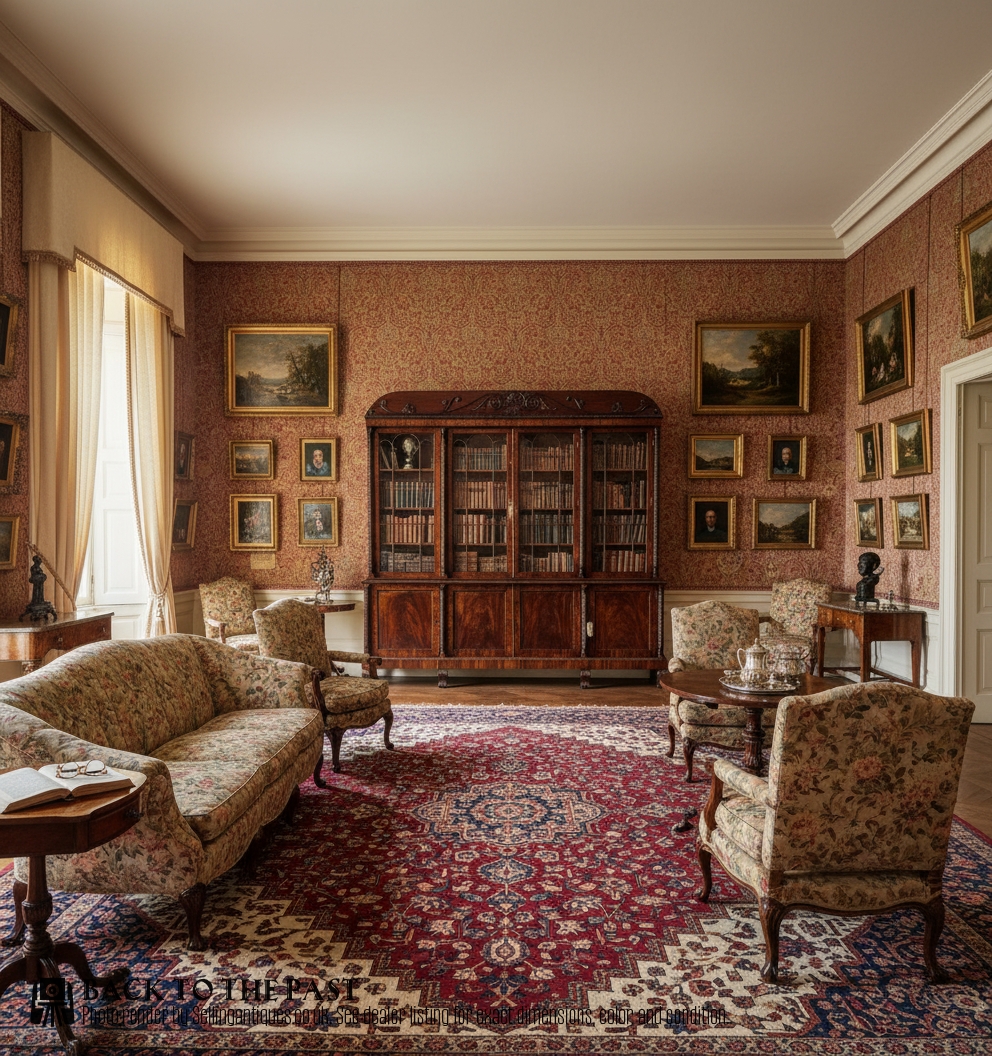
Materials and Construction
Makers utilised solid mahogany and applied flame mahogany veneer to primary surfaces, creating rippling, fiery grain patterns that catch the light. Secondary woods such as satinwood and burr walnut appear alongside brass hardware and glass panels in select glazed bookcase and cabinet doors.
Structural integrity relies on traditional joinery methods combined with decorative carving, blind fretwork cornices, and architectural mouldings. Veneers were carefully matched across drawer fronts and doors to achieve symmetrical visual impact.
Distinctions in Quality
The standard of timber selection and veneer matching dictates much of the visual appeal, with highly figured flame grain commanding greater presence than plain stock. Superior pieces display crisp, deep relief carving rather than shallow or mechanical shaping.
Construction details such as drawer linings, original brass handles, and the integrity of internal shelves separate workshop-made examples from mass-produced items. Well-executed proportions and balanced hardware placement elevate the overall architectural harmony.
Listings feature mahogany, flame mahogany veneer, burr walnut, and satinwood across Regency, Victorian, and Edwardian periods.
Gillows·Denby & Spinks
The Carved Flame Mahogany Cabinet Glossary
- Flame mahogany veneer
- A thin slice of mahogany timber cut from the fork of the tree where branches meet, yielding a distinctive ripple-like flame pattern. This figured wood was prized for drawer fronts and cabinet doors.
- Chiffonier
- A low sideboard or cabinet developed in the early nineteenth century, typically featuring shelves or a mirror back above enclosed cupboards. It served for the storage of dining silver and glassware.
- Linen press
- A tall cabinet featuring upper sliding trays or shelves enclosed by doors, positioned above a chest of drawers at the base. These pieces were built to store household linens and garments.
- Blind fretwork
- Carved ornamentation applied to a flat surface in an openwork lattice pattern, popular in Chippendale and revival designs. It provides texture without altering the underlying plane.
- Secretaire
- A cabinet or bureau incorporating a fitted pull-down writing drawer with small internal compartments and pigeonholes. It combines desk functionality with enclosed storage.
Carved Flame Mahogany Cabinet: Frequently Asked Questions
How do I date a flame mahogany cabinet?
Dating relies on architectural styling, construction methods, and secondary timbers visible inside drawers and carcases. Regency and William IV pieces often display heavier classical motifs, while Victorian examples introduce arched panels and elaborate mirror backs.
Changes in handle design, dovetail construction, and veneer thickness also help narrow the decade of manufacture, aligning pieces with Georgian, Victorian, or Edwardian periods.
Where were these cabinets used in the home?
Dining rooms and libraries housed the majority of these pieces, functioning as sideboards for serving food or bookcases for storing volumes. Smaller chiffoniers and side cabinets found places in parlours and reception rooms.
Linen presses and wardrobe variants served bedrooms and dressing rooms, providing tall vertical storage for garments and household textiles.
How should I care for flame mahogany?
Maintain the timber by keeping pieces away from direct heat sources and strong sunlight, which can dry out and fade the delicate veneer. Dust regularly with a dry, soft cloth and avoid silicone-based polishes.
Occasional application of traditional beeswax helps nourish the grain and protects the polished surface from moisture and atmospheric changes.
What is the difference between a chiffonier and a sideboard?
A sideboard is typically a longer, heavier piece designed specifically for the dining room to hold serving dishes, cutlery, and bottles. Chiffoniers are generally smaller and often include a raised superstructure with shelves or a mirror.
While both utilise flame mahogany and offer enclosed cupboard space, the chiffonier functions more as a general living room or parlour cabinet.