


Carved Ebony Table
A carved ebony table brings rich dark timber and deep carving into a room, offering both history and striking contrast.
Carved Ebony Table
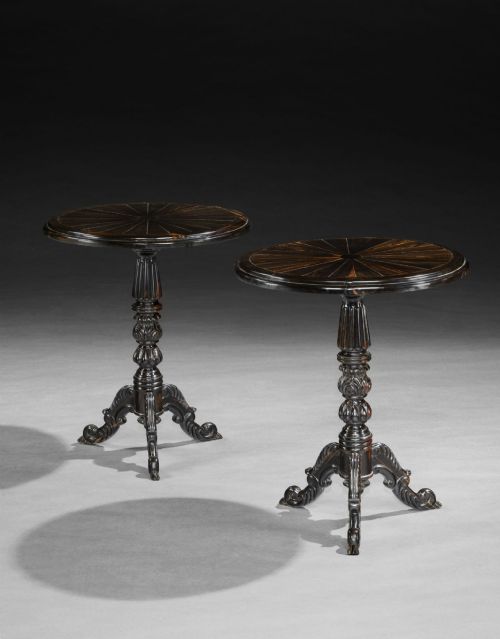
When you search for a carved ebony table, you encounter dense tropical timber shaped into side tables, centre tables, occasional tables, coffee tables, and tripod tables. These pieces frequently emerge from nineteenth-century origins, often associated with Anglo-Indian or Ceylonese workshops.
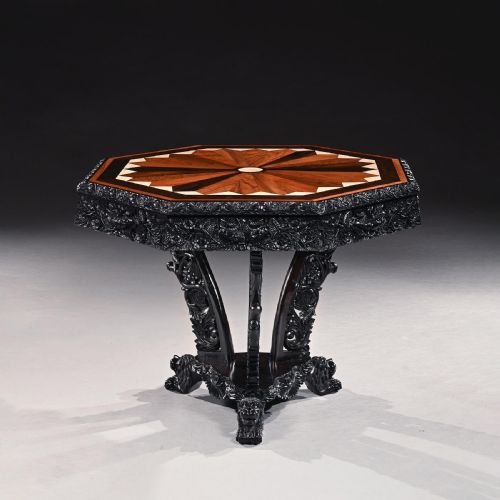
The version you are most likely to meet on this page is a nineteenth-century occasional or centre table, heavily carved with floral or foliage motifs. Alongside these, related forms such as occasional tripod pieces and specimen wood variants appear regularly.
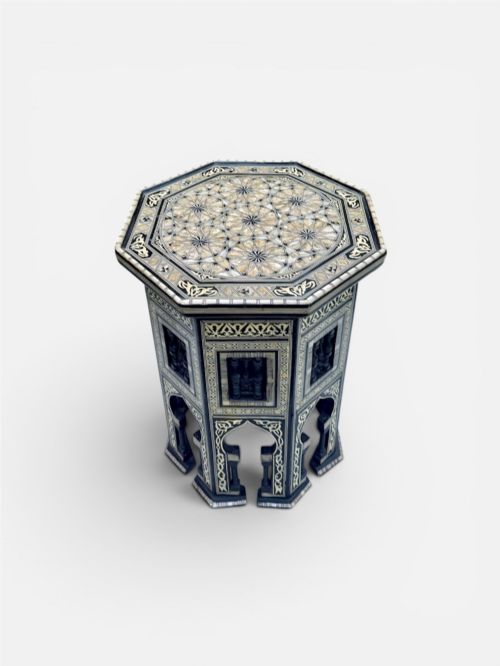
The material vocabulary extends beyond pure ebony to include exotic specimen woods, bone inlay, and mother of pearl. Styles range across Anglo-Indian Colonial, Ottoman, and Regency designs, showing the diverse global trade in decorative furniture.
How they were made
Makers fashioned these tables from dense solid ebony or applied ebony veneers over secondary timbers. Carvers worked directly into the heavy wood, cutting deep relief patterns of foliage, scrollwork, and animal figures.
Surface ornamentation often incorporates contrasting materials. Bone inlay and mother of pearl elements are set precisely into the dark wood ground, while specimen wood tops combine various lighter and darker timbers in geometric or radial patterns.
Materials appearing across the inventory include ebony, walnut, satinwood, bone inlay, and mother of pearl.
What varies in quality
The depth and crispness of the carving distinguish finer examples from simpler production. Superior pieces show undercut foliage and sharp botanical details rather than shallow, softened stamping.
The choice of secondary materials and the integration of inlay also set the grade. Tables that combine solid ebony with intricate bone or mother of pearl work demonstrate greater skill than plain veneered surfaces.
Joseph Windmills
The Carved Ebony Table Glossary
- Ebony
- A dense, heavy dark wood prized for its deep colour and smooth finish. It forms the primary structural and decorative medium for these tables.
- Anglo-Indian
- A descriptive term for furniture made in India during the British period, often combining British furniture forms with local carving traditions. These pieces frequently utilise native timbers like ebony.
- Specimen wood
- Furniture tops or surfaces composed of many different types of wood arranged to show off contrasting natural colours and grain patterns. They highlight the maker's skill in timber selection.
- Tripod table
- A small standalone table supported by a central pillar and three legs. This form gained popularity for occasional use in nineteenth-century interiors.
Carved Ebony Table: Frequently Asked Questions
Where were carved ebony tables made?
Many examples originate from nineteenth-century workshops in Ceylon and India, produced during the British colonial period. Local craftsmen combined European furniture forms with traditional deep-relief carving.
Other variations reflect Middle Eastern or European production, utilising imported tropical hardwoods and regional decorative techniques.
How do I care for a carved ebony table?
Keep the timber away from direct heat sources and strong sunlight to prevent the dense wood from drying out or splitting. Dust the deep recesses regularly with a soft brush.
Apply a minimal amount of appropriate furniture wax only when the wood appears dry, avoiding heavy polish build-up in the carved details.
Are these tables made of solid ebony?
Some pieces feature solid carved ebony throughout, while others employ ebony veneers over a stable secondary wood. Specimen wood versions incorporate multiple timber varieties across the top surface.
Inlay elements such as bone or mother of pearl are hand-set directly into the wood substrate.
What rooms suit a carved ebony table?
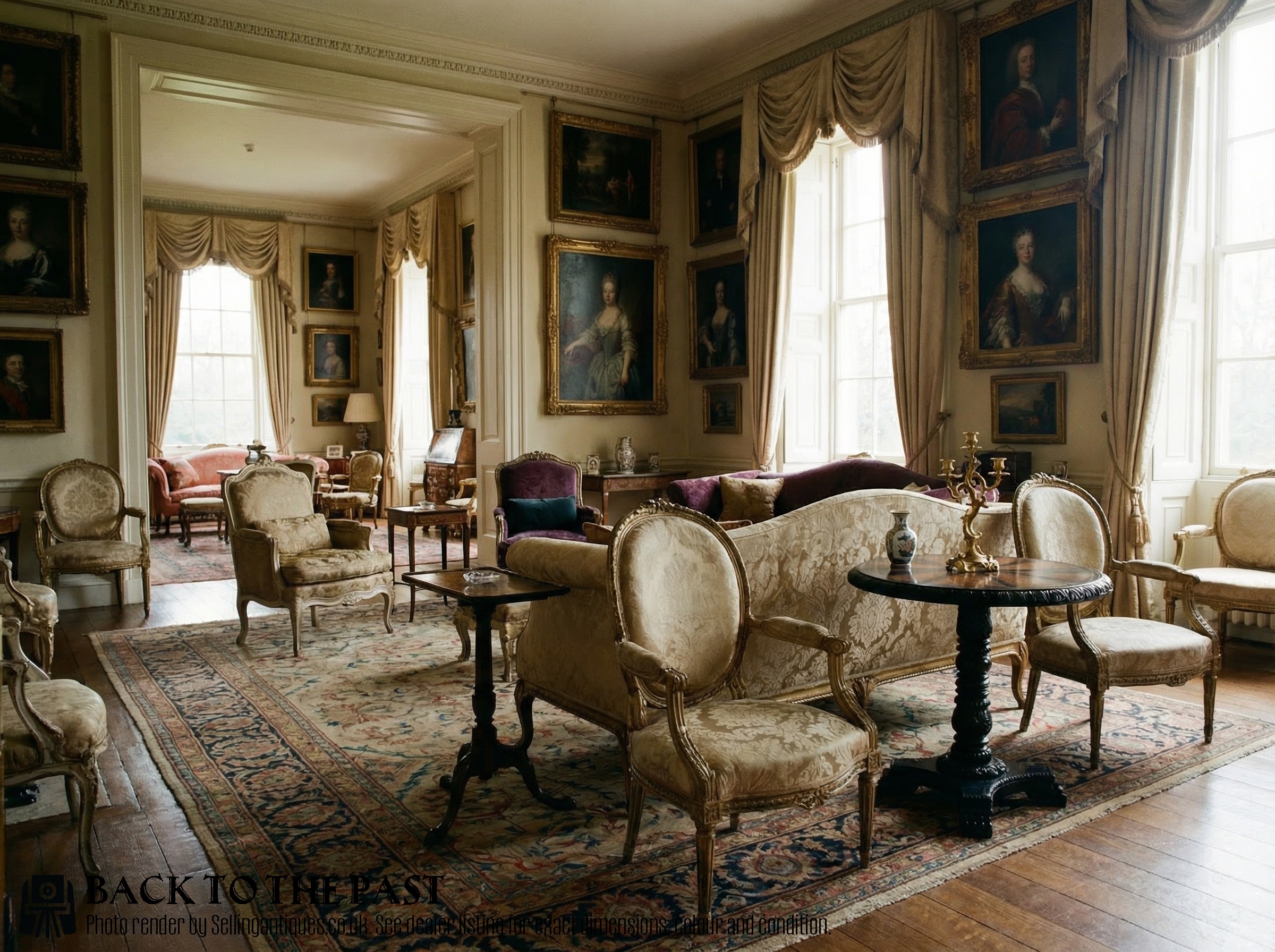
The dark timber and ornate carving make these tables natural focal points in a drawing room, study, or hallway. An occasional or tripod table functions easily beside a chair or sofa.
Centre tables command larger open spaces where the top and base carvings can be viewed from all sides.